
Tesla Model 3 Tyre Pressure: The Complete Guide for Better Range, Safety, and Comfort

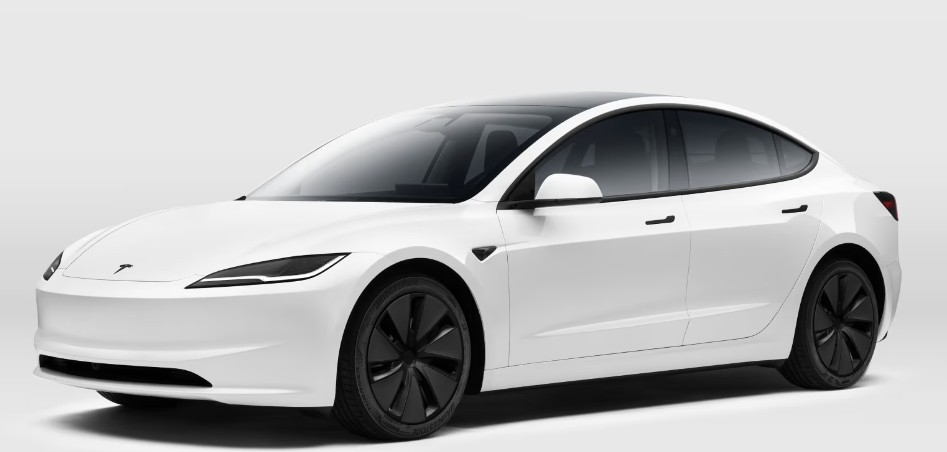
When we talk about the Tesla Model 3, most people immediately think about futuristic technology, lightning-fast acceleration, and whisper-quiet driving. But there’s one small detail that quietly shapes the entire driving experience: tyre pressure.
It sounds boring at first glance, doesn’t it? Yet tyre pressure is like the heartbeat of your Tesla. Too low, and efficiency collapses like a leaky balloon. Too high, and comfort disappears while grip becomes unpredictable. Get it right, however, and the Model 3 feels balanced, efficient, and almost magical.
In this guide, we’ll explore everything we need to know about Tesla Model 3 tyre pressure — from recommended PSI figures to seasonal adjustments, warning lights, efficiency gains, tyre wear, and common mistakes owners make every single day.
Content in this publication
- Why Tesla Model 3 Tyre Pressure Matters So Much
- Recommended Tesla Model 3 Tyre Pressure
- Understanding PSI, Bar, and kPa
- How Tesla Monitors Tyre Pressure
- What Happens If Tesla Model 3 Tyre Pressure Is Too Low
- What Happens If Tyre Pressure Is Too High
- How Temperature Changes Affect Tesla Tyre Pressure
- Should We Inflate Tesla Tyres Above 42 PSI?
- Tesla Model 3 Performance Tyres Need Extra Attention
- Best Time To Check Tesla Model 3 Tyre Pressure
- How Often Should We Check Tyre Pressure?
- Can Incorrect Tyre Pressure Reduce Tesla Range?
- Tesla Model 3 Tyre Pressure For Long Trips
- Does Wheel Size Affect Tyre Pressure?
- Tesla Model 3 TPMS Warning Light Explained
- How To Reset Tesla Model 3 Tyre Pressure Monitoring
- Seasonal Tyre Pressure Tips
- How Tyre Pressure Affects Ride Comfort
- Can Tyre Pressure Affect Braking Distance?
- Tesla Model 3 Tyres Wear Faster Than Many Cars
- How To Inflate Tesla Model 3 Tyres Properly
- Best Tyres For Tesla Model 3
- Should We Trust Petrol Station Air Pumps?
- The Relationship Between Tyre Pressure and Efficiency
- Common Tesla Model 3 Tyre Pressure Mistakes
- Do Loaded Vehicles Need Different Tyre Pressure?
- Tesla Model 3 Tyre Pressure and Noise Levels
- Why EV Tyres Feel Different
- Final Thoughts on Tesla Model 3 Tyre Pressure
- FAQs About Tesla Model 3 Tyre Pressure
Why Tesla Model 3 Tyre Pressure Matters So Much
Electric vehicles are heavier than many traditional petrol cars because of their battery packs. The Tesla Model 3 carries substantial weight underneath the cabin, which places extra demand on the tyres.
That means tyre pressure affects:
- Driving range
- Battery efficiency
- Steering precision
- Braking distance
- Ride comfort
- Tyre lifespan
- Road noise
- Safety during wet weather
Think of tyres as running shoes. Even the world’s fastest athlete struggles in poorly fitted shoes. Likewise, even the smartest EV can’t perform properly with incorrect tyre pressure.
Recommended Tesla Model 3 Tyre Pressure
Tesla generally recommends around:
| Tesla Model 3 Variant | Recommended PSI |
|---|---|
| Standard Range | 42 PSI |
| Long Range | 42 PSI |
| Performance | 42 PSI |
That translates to roughly:
- 290 kPa
- 2.9 bar
These figures usually apply to both front and rear tyres.
However, tyre pressure can vary slightly depending on:
- Wheel size
- Tyre brand
- Load carried
- Climate conditions
- Performance setup
The best place to confirm your exact tyre pressure is the sticker inside the driver’s door jamb.
Understanding PSI, Bar, and kPa
Tyre pressure measurements can feel unnecessarily confusing because different countries use different systems.
Here’s a simple breakdown:
| Unit | Meaning |
|---|---|
| PSI | Pounds per square inch |
| Bar | Common European measurement |
| kPa | Kilopascal measurement |
For the Tesla Model 3:
42 PSI≈2.9 bar≈290 kPa
Once we understand this conversion, checking pressure at any air pump becomes far easier.
How Tesla Monitors Tyre Pressure
The Tesla Model 3 uses a TPMS system — short for Tyre Pressure Monitoring System.
This technology continuously monitors tyre pressure in real time and displays readings directly on the touchscreen.
Where To Find Tyre Pressure On The Screen
Simply navigate to:
- Controls
- Service
- Tyre Pressure
The car displays each tyre individually, almost like a health monitor tracking vital signs.
That level of visibility is one of Tesla’s greatest conveniences. Older vehicles often kept drivers guessing until a tyre visibly sagged.
What Happens If Tesla Model 3 Tyre Pressure Is Too Low
Low tyre pressure creates a domino effect of problems.
Reduced Driving Range
Underinflated tyres increase rolling resistance.
Imagine dragging a heavy suitcase across thick carpet instead of smooth tile. That extra resistance forces the battery to work harder.
Even a small pressure drop can noticeably reduce EV efficiency.
Uneven Tyre Wear
Low pressure causes excessive wear on the outer edges of the tyre.
Over time, this shortens tyre lifespan dramatically.
Poor Handling
Steering becomes sluggish and less precise. Corners may feel unstable, especially during high-speed driving.
Higher Risk Of Blowouts
Heat builds up faster inside underinflated tyres, increasing the chance of tyre failure during long journeys.
What Happens If Tyre Pressure Is Too High
Many drivers mistakenly believe extra pressure improves efficiency without consequences.
That’s only partially true.
Overinflation can create problems like:
- Harsh ride quality
- Reduced grip
- Faster centre tread wear
- Longer braking distances
- Increased road vibration
A Tesla with overinflated tyres can feel like riding a shopping trolley over cobblestones — every bump amplified.
Balance matters more than extremes.
How Temperature Changes Affect Tesla Tyre Pressure
Tyre pressure changes naturally with temperature.
A common rule is:
ΔP≈1 PSI for every 10∘F
Cold weather lowers tyre pressure.
Hot weather raises it.
This is why Tesla owners often notice TPMS warnings during winter mornings.
Winter Example
If your tyres were set to 42 PSI during warm weather, a sudden temperature drop may reduce them to:
- 38 PSI
- 37 PSI
- Or lower
That’s completely normal.
Should We Inflate Tesla Tyres Above 42 PSI?
Some owners increase tyre pressure slightly for better efficiency.
For example:
- 43 PSI
- 44 PSI
- 45 PSI
This can marginally improve range because rolling resistance decreases.
However, there’s a trade-off:
- Less comfort
- More road harshness
- Reduced grip on rough surfaces
For daily driving, staying close to Tesla’s recommended settings is usually the smartest choice.
Tesla Model 3 Performance Tyres Need Extra Attention
The Tesla Model 3 Performance delivers immense torque instantly.
That instant power can destroy tyres surprisingly quickly if pressure isn’t maintained properly.
Performance tyres often:
- Wear faster
- Heat up more quickly
- React more dramatically to pressure changes
Drivers who enjoy spirited acceleration should check tyre pressure frequently.
Best Time To Check Tesla Model 3 Tyre Pressure
Always check pressure when tyres are cold.
“Cold” means:
- The car hasn’t been driven for several hours
- Or has only travelled a short distance
Driving heats tyres, which increases pressure temporarily and creates inaccurate readings.
Morning checks are ideal.
How Often Should We Check Tyre Pressure?
Even with TPMS sensors, manual checks still matter.
A good routine is:
- Once every two weeks
- Before long trips
- During major weather changes
- After hitting potholes
Tyres slowly lose pressure over time naturally.
It’s similar to how balloons gradually soften even without visible leaks.
Can Incorrect Tyre Pressure Reduce Tesla Range?
Absolutely.
Range loss from poor tyre pressure is one of the most overlooked EV efficiency killers.
Why It Matters More In EVs
Electric vehicles depend heavily on efficiency optimisation.
Every extra bit of rolling resistance forces the battery to consume more energy.
Low tyre pressure can reduce range by:
- 3%
- 5%
- Sometimes even more
That might not sound massive initially, but over months of driving, it becomes substantial.
Tesla Model 3 Tyre Pressure For Long Trips
Before road trips, it’s smart to:
- Check all four tyres
- Inspect for uneven wear
- Adjust pressure to recommended levels
- Verify the spare repair kit or inflator
Long-distance motorway driving generates significant tyre heat.
Proper pressure helps maintain stability, especially at higher speeds.
Does Wheel Size Affect Tyre Pressure?
Yes, wheel size influences tyre characteristics.
The Tesla Model 3 commonly comes with:
- 18-inch wheels
- 19-inch wheels
- 20-inch wheels
Larger wheels often have lower-profile tyres with stiffer sidewalls.
That means:
- Sharper handling
- Less cushioning
- Greater sensitivity to pressure changes
Even if the PSI recommendation remains similar, the driving feel changes noticeably.
Tesla Model 3 TPMS Warning Light Explained
The tyre pressure warning symbol usually looks like:
- A horseshoe shape
- With an exclamation mark inside
When it appears, the car has detected abnormal tyre pressure.
Common Causes
- Cold weather
- Slow puncture
- Incorrect inflation
- Sensor malfunction
- Seasonal pressure fluctuations
Ignoring the warning is risky because tyre damage can escalate quickly.
How To Reset Tesla Model 3 Tyre Pressure Monitoring
Tesla makes this process simple.
After adjusting tyre pressure:
- Drive the vehicle normally
- Allow the TPMS system to recalibrate
- The warning often disappears automatically
In some cases, we may need to reset tyre configuration through the touchscreen after changing wheels or tyres.
Seasonal Tyre Pressure Tips
Summer Driving
Hot roads increase pressure naturally.
Avoid overinflating during heatwaves.
Winter Driving
Cold temperatures reduce PSI quickly.
Check pressures more frequently during winter months.
Rainy Conditions
Proper tyre pressure improves water evacuation and reduces hydroplaning risk.
How Tyre Pressure Affects Ride Comfort
Tyre pressure dramatically shapes driving feel.
Lower Pressure Feel
- Softer ride
- More cushioning
- Slightly less responsiveness
Higher Pressure Feel
- Sharper steering
- More road feedback
- Harsher ride quality
Finding the sweet spot is like tuning a musical instrument. Tiny adjustments can transform the experience.
Can Tyre Pressure Affect Braking Distance?
Yes — significantly.
Incorrect pressure reduces tyre contact with the road.
That can increase stopping distances during:
- Emergency braking
- Wet weather
- High-speed driving
Safety always outweighs tiny efficiency gains.
Tesla Model 3 Tyres Wear Faster Than Many Cars
One reality shocks many new EV owners:
EV tyres wear faster.
Why?
Because electric torque arrives instantly.
The moment we press the accelerator, the tyres absorb enormous force.
Incorrect pressure accelerates wear even more.
How To Inflate Tesla Model 3 Tyres Properly
The process is straightforward.
Step-By-Step Guide
1. Use A Reliable Pressure Gauge
Cheap gauges can be inaccurate.
2. Check Cold Tyres
Wait until the tyres cool.
3. Inflate Gradually
Add air slowly to avoid overshooting.
4. Recheck Pressure
Verify readings carefully.
5. Replace Valve Caps
Valve caps help keep dirt and moisture out.
Best Tyres For Tesla Model 3
Some tyres are designed specifically for EVs.
Popular options include:
- Michelin Pilot Sport EV
- Hankook iON EVO
- Pirelli P Zero Elect
- Continental EcoContact
These tyres often prioritise:
- Lower rolling resistance
- Reduced road noise
- Better efficiency
- Enhanced durability
Should We Trust Petrol Station Air Pumps?
Mostly yes — but cautiously.
Some air pumps are poorly calibrated.
If possible:
- Carry a portable digital inflator
- Use your own pressure gauge
- Double-check readings
Portable compressors are becoming increasingly popular among Tesla owners.
The Relationship Between Tyre Pressure and Efficiency
Efficiency is one of Tesla’s strongest selling points.
Tyre pressure plays a surprisingly major role in achieving optimal Wh/km or Wh/mile figures.
Lower Rolling Resistance Means:
- Better battery usage
- Longer range
- Reduced energy waste
In many ways, tyre pressure acts like free efficiency tuning.
Common Tesla Model 3 Tyre Pressure Mistakes
Ignoring Seasonal Changes
Drivers often set pressure once and forget about it.
Inflating After Driving
Warm tyres create misleading readings.
Overinflating For Efficiency
Too much pressure compromises comfort and grip.
Neglecting Slow Leaks
Small punctures can gradually worsen.
Do Loaded Vehicles Need Different Tyre Pressure?
Sometimes.
Heavy cargo or multiple passengers increase tyre load.
For heavily loaded road trips, slight adjustments may help, though Tesla’s standard recommendations usually remain suitable for everyday use.
Always consult official guidance for maximum-load situations.
Tesla Model 3 Tyre Pressure and Noise Levels
Tyres contribute heavily to cabin noise.
Incorrect pressure can increase:
- Road roar
- Vibrations
- Humming sounds
Since EVs lack engine noise, tyre sounds become much more noticeable.
That’s why proper pressure contributes not only to efficiency but also to refinement.
Why EV Tyres Feel Different
Many Tesla owners notice tyres feel unique compared with petrol cars.
That’s because EV tyres are engineered for:
- Higher weight
- Instant torque
- Energy efficiency
- Quietness
They’re essentially multitasking athletes trying to sprint, whisper, and carry heavy loads simultaneously.
Final Thoughts on Tesla Model 3 Tyre Pressure
Tyre pressure might seem like a tiny maintenance detail, but it quietly influences almost every aspect of the Tesla Model 3 experience.
The right pressure improves:
- Safety
- Efficiency
- Range
- Comfort
- Handling
- Tyre longevity
Meanwhile, incorrect pressure slowly chips away at performance like water eroding stone.
The beauty of proper tyre maintenance is its simplicity. It costs almost nothing, takes only minutes, and delivers immediate benefits.
In the world of EV ownership, that’s one of the easiest wins we can get.
FAQs About Tesla Model 3 Tyre Pressure
What is the recommended tyre pressure for Tesla Model 3?
Most Tesla Model 3 versions use approximately 42 PSI, though owners should always verify the sticker inside the driver’s door.
Does low tyre pressure reduce Tesla range?
Yes. Underinflated tyres increase rolling resistance, which forces the battery to work harder and reduces efficiency.
How often should I check Tesla tyre pressure?
Ideally every two weeks and before long journeys or major temperature changes.
Can I drive with the TPMS warning light on?
You can drive short distances cautiously, but the issue should be checked immediately to avoid tyre damage or safety risks.
Does cold weather affect Tesla tyre pressure?
Absolutely. Tyre pressure naturally drops as temperatures fall, which commonly triggers TPMS warnings during winter.
If you want to know other articles similar to Tesla Model 3 Tyre Pressure: The Complete Guide for Better Range, Safety, and Comfort you can visit the category Service and Parts.
Volvo S90 Engine Oil: Type, Capacity & Change Guide
Volvo S90 Boot Space: Size, Capacity and Practicality
SEO Title: Volvo S90 Oil Capacity: Complete Guide by Engine

Kia Sorento Oil Type: Complete Guide by Year & Engine
Kia Sorento Engine Capacity: Complete Guide by Year
Peugeot 308 Clutch Replacement Cost: Complete UK Guide for 2026
Leave a Reply
More content of your interest