
Tesla Model 3 Weight in Tons: Everything We Need to Know

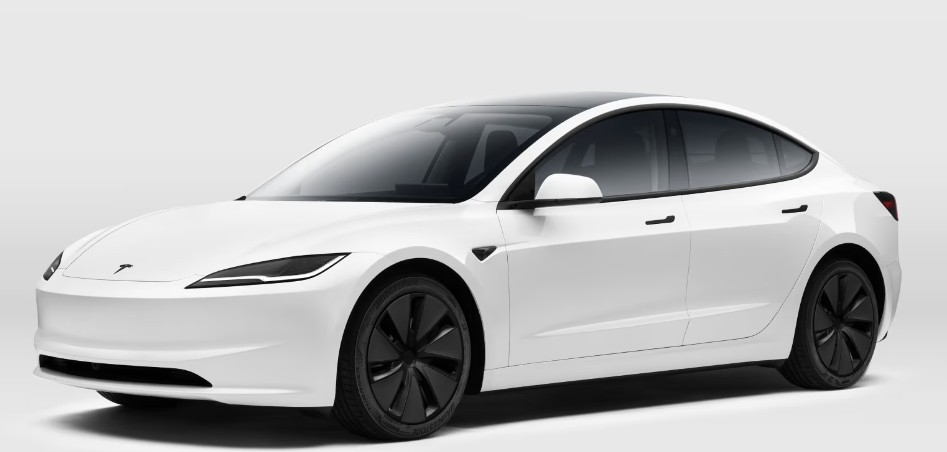
The Tesla Model 3 may look sleek and feather-light slicing through traffic, but beneath that minimalist skin sits a surprisingly hefty machine. Electric cars often carry more weight than gasoline-powered rivals, and the Tesla Model 3 is no exception. So, how much does it really weigh in tons? And more importantly, why should we care?
Weight affects almost everything in a vehicle. It influences acceleration, braking, handling, tyre wear, efficiency, battery range, towing capability, and even insurance costs. Think of vehicle weight like the foundation of a house. You rarely see it, but everything depends on it.
In this guide, we’ll unpack the Tesla Model 3’s weight in tons, compare different trims, explain why EVs are heavier than traditional cars, and explore how that extra mass changes the driving experience. Whether we’re buying one, researching electric vehicles, or simply satisfying curiosity, understanding the numbers reveals far more than a specification sheet ever could.
Content in this publication
- What Is the Tesla Model 3 Weight in Tons?
- Why Is the Tesla Model 3 So Heavy?
- Tesla Model 3 Weight by Trim Level
- How Heavy Is the Tesla Model 3 Compared to Gas Cars?
- Does Tesla Model 3 Weight Affect Range?
- How Tesla Uses Weight to Improve Handling
- Tesla Model 3 Weight Distribution Explained
- Battery Weight in the Tesla Model 3
- Does the Tesla Model 3 Weight Affect Braking?
- How Tesla Model 3 Weight Impacts Tyre Wear
- Can the Tesla Model 3 Tow Despite Its Weight?
- How Much Does the Tesla Model 3 Battery Add in Tons?
- Does Weight Make the Tesla Model 3 Safer?
- Tesla Model 3 Weight vs Tesla Model Y
- Can We Feel the Tesla Model 3 Weight While Driving?
- How Tesla Reduces Weight Where Possible
- Does Vehicle Weight Affect EV Charging Efficiency?
- Will Future Tesla Models Become Lighter?
- Why Tesla Model 3 Weight Matters More Than We Think
- Conclusion
- FAQs
What Is the Tesla Model 3 Weight in Tons?
The Tesla Model 3 typically weighs between 1.7 and 2.0 tons, depending on the trim and battery configuration.
Here’s a quick breakdown:
| Tesla Model 3 Version | Approx Weight (kg) | Weight in Tons |
|---|---|---|
| Model 3 Rear-Wheel Drive | 1,760 kg | 1.76 tons |
| Model 3 Long Range AWD | 1,847 kg | 1.85 tons |
| Model 3 Performance | 1,855–1,900 kg | 1.86–1.90 tons |
In simple terms, the Tesla Model 3 weighs roughly the same as:
- A young rhinoceros
- A large pickup truck
- About 25 average adult humans combined
That sounds dramatic, but much of that weight comes from the massive battery pack mounted beneath the floor.
Why Is the Tesla Model 3 So Heavy?
Electric vehicles carry a hidden giant: the battery.
The lithium-ion battery pack inside the Tesla Model 3 can weigh hundreds of kilograms on its own. Unlike a petrol engine, which is relatively compact, EV batteries stretch across the vehicle floor like a giant slab of energy.
Main Reasons for the Extra Weight
Battery Pack
This is the biggest factor. The battery alone can weigh:
- 400–600 kg
- Nearly one-third of the car’s total mass
Structural Reinforcement
EVs need stronger chassis designs to:
- Protect the battery
- Improve crash safety
- Handle the extra torque
Dual Motors in AWD Models
Long Range and Performance trims add:
- A second electric motor
- Additional cooling systems
- More drivetrain components
All of that stacks on more kilograms.
Tesla Model 3 Weight by Trim Level
Not all Model 3 variants weigh the same. Different battery sizes and motor configurations create noticeable differences.
Model 3 Rear-Wheel Drive Weight
The entry-level Rear-Wheel Drive version is the lightest.
Typical Specs
- Approximate weight: 1.76 tons
- Single motor setup
- Smaller battery pack
- Better efficiency
Because it carries less mass, it often feels more agile around tight corners.
Model 3 Long Range Weight
The Long Range trim adds another motor and a larger battery.
Typical Specs
- Approximate weight: 1.85 tons
- Dual-motor all-wheel drive
- Larger battery capacity
- Extended driving range
That extra weight buys us more traction and greater long-distance capability.
Model 3 Performance Weight
The Performance model is the heavyweight athlete of the lineup.
Typical Specs
- Approximate weight: up to 1.9 tons
- Performance brakes
- Larger wheels
- Sport suspension
- Dual motors
It’s fascinating how a nearly two-ton car can still rocket to 60 mph in around 3 seconds. That’s the magic of instant electric torque.
How Heavy Is the Tesla Model 3 Compared to Gas Cars?
Here’s where things become interesting.
Electric vehicles are generally heavier than gasoline cars in the same category.
Weight Comparison Table
| Vehicle | Weight in Tons |
|---|---|
| Tesla Model 3 | 1.76–1.90 tons |
| BMW 3 Series | 1.55–1.70 tons |
| Honda Civic | 1.30–1.45 tons |
| Toyota Corolla | 1.25–1.40 tons |
| Hyundai Ioniq 6 | 1.80–2.00 tons |
The Tesla Model 3 outweighs many compact sedans because batteries are dense and heavy. Yet despite the extra mass, the low center of gravity creates surprisingly sporty handling.
It’s like carrying a backpack filled with bricks around our waist instead of on our shoulders. The weight remains, but balance improves dramatically.
Does Tesla Model 3 Weight Affect Range?
Absolutely.
Weight is one of the biggest enemies of efficiency.
A heavier car requires:
- More energy to accelerate
- More braking force
- More tyre resistance
However, Tesla combats this with:
- Aerodynamic design
- Regenerative braking
- Efficient electric motors
- Lightweight aluminum components
Interesting Balance
The heavier Long Range version may actually travel farther than the lighter RWD version because:
- It carries a bigger battery
- Dual motors optimize power delivery
- Energy management software is highly advanced
So while weight matters, battery capacity matters even more.
How Tesla Uses Weight to Improve Handling
Here’s the twist: weight isn’t always bad.
Traditional heavy cars often feel clumsy because the mass sits high in the chassis. But the Tesla Model 3 places its battery under the floor.
That changes everything.
Benefits of a Low Center of Gravity
Improved Cornering
The car leans less during turns.
Enhanced Stability
It feels planted at highway speeds.
Reduced Body Roll
Even aggressive cornering feels controlled.
This creates a sensation similar to a high-performance sports sedan rather than a heavy EV.
Tesla Model 3 Weight Distribution Explained
Balance matters just as much as total weight.
The Model 3 offers near-perfect weight distribution between front and rear axles.
Why That Matters
Balanced vehicles typically provide:
- Better steering response
- Predictable handling
- Improved traction
- Safer emergency maneuvering
Tesla engineered the Model 3 to feel nimble despite weighing nearly two tons.
It’s a bit like watching a professional dancer. Strength alone doesn’t impress us. Balance does.
Battery Weight in the Tesla Model 3
The battery pack is essentially the heart of the car.
Estimated Battery Pack Weight
| Battery Type | Estimated Weight |
|---|---|
| Standard Battery | 400–450 kg |
| Long Range Battery | 500–600 kg |
That means the battery alone can weigh almost as much as a small city car engine plus transmission combined.
Does the Tesla Model 3 Weight Affect Braking?
Yes, but not always negatively.
Heavier vehicles need:
- Larger brakes
- More stopping force
- Stronger tyres
Tesla compensates with:
- Regenerative braking
- Advanced traction control
- Electronic stability systems
What Is Regenerative Braking?
Instead of wasting momentum as heat, the motors help slow the vehicle while recharging the battery.
This reduces wear on traditional brake components.
In many cases, Tesla brake pads last significantly longer than those on petrol vehicles.
How Tesla Model 3 Weight Impacts Tyre Wear
Weight and instant torque create a demanding combination.
Common Effects
Heavier EVs often experience:
- Faster tyre wear
- Increased sidewall stress
- More rolling resistance
Performance versions are especially hard on tyres because electric torque arrives instantly.
Imagine twisting a towel as hard as possible in a split second. That immediate force strains components faster.
Can the Tesla Model 3 Tow Despite Its Weight?
Yes, some versions can tow.
Towing Capacity
| Model | Approx Towing Capacity |
|---|---|
| Model 3 RWD | Limited/market dependent |
| Model 3 Long Range AWD | Around 1,000 kg |
| Model 3 Performance | Similar to Long Range |
The added vehicle weight actually helps towing stability in some situations.
However, towing dramatically reduces driving range because the motors must work harder.
How Much Does the Tesla Model 3 Battery Add in Tons?
Let’s simplify the numbers.
If the battery weighs approximately 500 kg:
500 kg=0.5 tons
That means the battery alone contributes roughly half a ton to the car’s total mass.
Without the battery, the Model 3 would weigh closer to many gasoline sedans.
Does Weight Make the Tesla Model 3 Safer?
In many ways, yes.
Heavier vehicles often perform well in collisions because:
- More mass absorbs energy
- The battery floor reinforces structure
- EVs have fewer engine intrusion risks
Safety Advantages
Low Rollover Risk
The battery lowers the center of gravity.
Strong Crash Structure
Tesla designed rigid passenger protection zones.
Excellent Crash Ratings
The Model 3 consistently scores highly in safety testing.
Weight becomes an ally when paired with intelligent engineering.
Tesla Model 3 Weight vs Tesla Model Y
People often compare the Model 3 and Model Y.
Weight Comparison
| Vehicle | Approx Weight |
|---|---|
| Tesla Model 3 | 1.76–1.90 tons |
| Tesla Model Y | 1.90–2.00+ tons |
The Model Y weighs more because:
- It’s taller
- It has more interior space
- It includes SUV reinforcement
Despite sharing many components, the SUV body style adds considerable mass.
Can We Feel the Tesla Model 3 Weight While Driving?
Yes, but perhaps not in the way we expect.
What We Notice Most
Smooth Stability
The car feels glued to the road.
Strong Launches
Electric torque masks the weight during acceleration.
Confidence at Speed
Highway cruising feels composed and secure.
Interestingly, many first-time drivers expect the Model 3 to feel heavy and sluggish. Instead, it often feels surprisingly athletic.
That’s because electric motors deliver power instantly, unlike petrol engines that build momentum gradually.
How Tesla Reduces Weight Where Possible
Tesla knows batteries are heavy, so engineers shave kilograms elsewhere.
Weight-Saving Strategies
- Aluminum body components
- Minimalist interior design
- Compact electric motors
- Efficient cooling systems
- Reduced mechanical complexity
The result is a vehicle that balances weight remarkably well.
Does Vehicle Weight Affect EV Charging Efficiency?
Indirectly, yes.
Heavier cars use more energy while driving, meaning:
- More electricity consumed per mile
- More frequent charging
- Potentially higher charging costs
However, Tesla’s efficiency leadership minimizes this issue.
The Model 3 remains one of the most efficient EVs in the world despite its weight.
Will Future Tesla Models Become Lighter?
Most likely.
Battery technology is evolving rapidly.
Future Innovations May Include
Structural Batteries
Batteries integrated into the chassis itself.
Lighter Battery Chemistry
Higher energy density with less mass.
Advanced Materials
Carbon composites and stronger aluminum alloys.
Tesla continually pursues lighter, stronger, and more efficient designs.
The future EV may carry more energy while weighing less — like replacing a backpack full of stones with one full of feathers.
Why Tesla Model 3 Weight Matters More Than We Think
Vehicle weight isn’t just a boring technical statistic buried in brochures.
It shapes:
- Efficiency
- Safety
- Handling
- Tyre life
- Braking
- Range
- Insurance costs
- Towing ability
Understanding the Tesla Model 3’s weight in tons helps us better appreciate the engineering balancing act behind modern EVs.
Tesla didn’t merely build a heavy electric sedan. It built a heavy sedan that somehow dances.
That’s the real achievement.
Conclusion
The Tesla Model 3 typically weighs between 1.76 and 1.90 tons, depending on the trim level and battery configuration. While that’s heavier than many traditional sedans, the weight comes with meaningful advantages: impressive safety, exceptional stability, instant acceleration, and remarkable battery range.
The battery pack alone contributes roughly half a ton, transforming the Model 3 into a rolling powerhouse of energy storage and performance. Yet Tesla cleverly hides this mass through low-mounted batteries, intelligent engineering, and razor-sharp software tuning.
In the end, the Tesla Model 3 proves something fascinating: weight alone doesn’t define how a car feels. Distribution, balance, and technology matter just as much. And when those ingredients align correctly, even a nearly two-ton EV can feel agile enough to rewrite our expectations.
FAQs
How much does a Tesla Model 3 weigh in tons?
Most Tesla Model 3 versions weigh between 1.76 and 1.90 tons depending on the trim and battery size.
Why is the Tesla Model 3 heavier than regular sedans?
The large lithium-ion battery pack significantly increases overall vehicle weight compared to petrol-powered sedans.
Which Tesla Model 3 is the heaviest?
The Model 3 Performance is usually the heaviest due to its dual motors, larger wheels, and performance hardware.
Does the Tesla Model 3 weight affect range?
Yes. Heavier vehicles generally consume more energy, although Tesla offsets this with efficient aerodynamics and advanced battery management.
Is the Tesla Model 3 weight good for safety?
In many cases, yes. The low-mounted battery improves stability, while the reinforced structure helps crash protection.
If you want to know other articles similar to Tesla Model 3 Weight in Tons: Everything We Need to Know you can visit the category Service and Parts.
Vauxhall Mokka Tyre Pressure Reset: Complete Guide
How to Reset the Tire Pressure System on Your Hyundai Tucson
Hyundai Kona Tire Pressure: Complete PSI Guide
Vauxhall Corsa Timing Belt Replacement Cost UK 2026
Mazda CX-5 Tire Size Chart: 2013–2026 Guide

How to Reset a Honda Civic: Complete Step-by-Step Guide
Leave a Reply
More content of your interest