
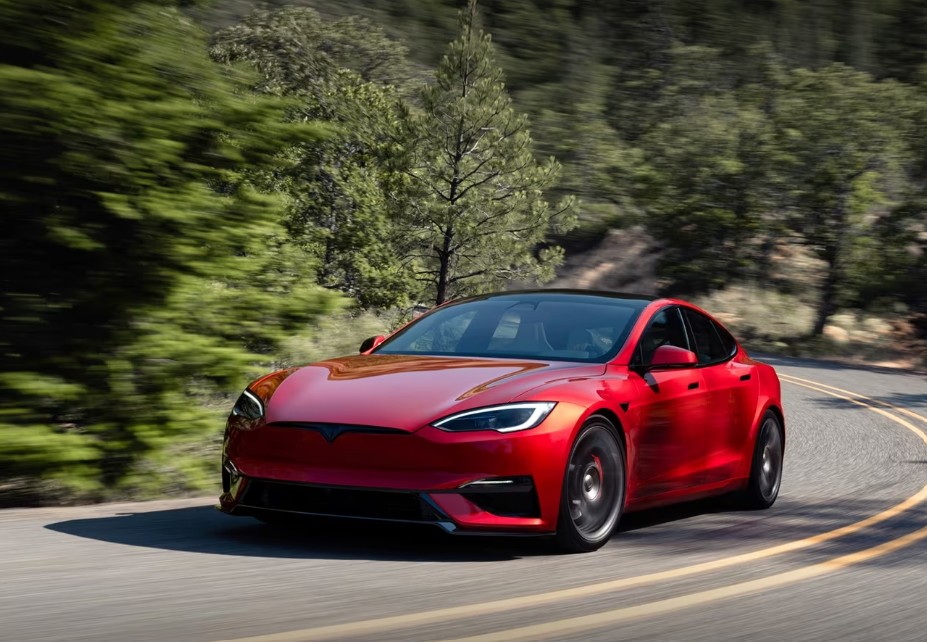
Tesla Model S Autopilot Features Temporarily Unavailable

Content in this publication
- Why This Warning Feels So Frustrating
- What Does “Autopilot Features Temporarily Unavailable” Mean?
- How Tesla Autopilot Actually Works
- Most Common Causes of the Warning
- Software Bugs After Updates
- Camera Calibration Problems
- Weather Can Disable Autopilot
- Low 12V Battery Issues
- Temporary Sensor Communication Failures
- When the Warning Appears While Driving
- Simple Fixes We Should Try First
- Power Cycling the Vehicle
- Drive for Recalibration
- Check for Software Updates
- Signs the Problem Is More Serious
- Faulty Cameras and Hardware Failures
- Radar and Sensor Differences by Model Year
- Can Windshield Replacement Cause This Warning?
- How Long Does the Warning Usually Last?
- Can We Still Drive Safely?
- How Tesla Service Diagnoses the Problem
- Potential Repair Costs
- Preventing Future Autopilot Problems
- Why Tesla Autopilot Sometimes Feels Fragile
- What Many Owners Misunderstand
- Should We Be Concerned About Safety?
- The Future of Tesla Autopilot Reliability
- Final Thoughts
- FAQs
Why This Warning Feels So Frustrating
You climb into your Tesla Model S, tap the brake, and suddenly a message appears: “Autopilot Features Temporarily Unavailable.”
It lands like a storm cloud over an otherwise futuristic driving experience. One moment your car feels like a spaceship gliding through traffic with digital precision. The next, it behaves like technology from another decade. No lane centering. No adaptive cruise. No Auto Steer. Just uncertainty.
The good news? In many cases, this warning is temporary and fixable.
Sometimes the issue is as simple as dirty cameras or a software hiccup. Other times, it points toward calibration problems, sensor faults, low voltage irregularities, or environmental conditions that confuse the vehicle’s perception system.
In this guide, we will break down everything we need to know about the Tesla Model S autopilot features temporarily unavailable message. We will explore causes, solutions, warning signs, repair costs, prevention tips, and what separates a harmless glitch from a genuine hardware concern.
This warning appears when the vehicle determines that one or more Autopilot systems cannot safely operate.
That includes features such as:
- Traffic-Aware Cruise Control
- Auto Steer
- Navigate on Autopilot
- Auto Lane Change
- Summon
- Full Self-Driving beta functions
- Emergency Lane Assist
Think of Autopilot like a pilot flying through fog. If visibility drops or one instrument starts sending questionable information, the safest option is to disengage advanced assistance systems.
Tesla prioritizes safety above convenience. If the system lacks confidence, it disables itself.
How Tesla Autopilot Actually Works
Before diagnosing the problem, we should understand the ecosystem behind the curtain.
The Camera Network
Modern Tesla Model S vehicles rely heavily on cameras positioned around the car.
These include:
- Front cameras
- Side repeater cameras
- Rear camera
- Pillar cameras
They constantly interpret:
- Lane markings
- Traffic flow
- Pedestrians
- Vehicles
- Signs
- Road geometry
The Software Brain
Tesla’s neural network processes millions of data points every second.
It evaluates:
- Vehicle speed
- Steering input
- Distance to obstacles
- Driver attentiveness
- Environmental conditions
When one piece of the puzzle stops making sense, the system can temporarily suspend Autopilot functionality.
The Calibration Layer
After software updates, wheel alignments, windshield replacements, or camera repairs, the vehicle may require recalibration.
Without proper calibration, Autopilot becomes unreliable.
Most Common Causes of the Warning
Not every failure is dramatic. Sometimes the explanation is surprisingly ordinary.
Dirty or Blocked Cameras
This is one of the most common causes.
Road grime, rain, bugs, dust, or condensation can obstruct visibility.
The car essentially says:
“I can’t see clearly enough to assist safely.”
Common camera obstructions include:
- Mud splashes
- Snow buildup
- Ice
- Heavy rain
- Morning condensation
- Direct sunlight glare
Cleaning the cameras often restores functionality immediately.
Software Bugs After Updates
Tesla vehicles are rolling computers on wheels.
Software updates improve features, but occasionally introduce temporary instability.
A fresh update can trigger:
- Camera recalibration loops
- Sensor communication errors
- False warnings
- Temporary Autopilot deactivation
It is similar to updating a smartphone and discovering an app suddenly behaves strangely for a few hours.
Symptoms After an Update
- Features disappear suddenly
- Cruise control unavailable
- Navigation glitches
- Black camera feeds
- Repeated temporary warnings
In many cases, a reboot resolves the issue.
Camera Calibration Problems
Autopilot relies on precise spatial awareness.
Even tiny misalignments can confuse the system.
Situations That Trigger Recalibration
Windshield Replacement
Replacing the windshield often affects front camera positioning.
Wheel Alignment
A steering geometry adjustment can alter the system’s interpretation of road direction.
Suspension Repairs
Changes to ride height influence visual perception.
How Calibration Happens
Tesla calibration typically occurs automatically while driving.
The vehicle may require:
- Clearly marked roads
- Moderate speeds
- Several miles of driving
Until calibration completes, Autopilot features may remain unavailable.
Weather Can Disable Autopilot
Sometimes the vehicle is functioning perfectly.
The environment is simply overwhelming the system.
Heavy Rain
Rain reduces camera clarity and lane visibility.
Fog
Fog softens visual contrast and confuses depth estimation.
Snow
Snow can hide lane markings entirely.
Blinding Sunlight
Low-angle sunlight can temporarily blind cameras like a flashlight pointed directly into human eyes.
Low 12V Battery Issues
Many drivers overlook the importance of the low-voltage battery.
Even though the car runs on a massive high-voltage pack, the smaller 12V system powers essential electronics.
When voltage becomes unstable:
- Sensors may disconnect
- Cameras may reboot
- Modules may fail communication checks
Autopilot errors often appear before total 12V battery failure.
Signs the 12V Battery May Be Weak
- Random warnings
- Slow touchscreen behavior
- Delayed startup
- Connectivity issues
- Multiple unrelated alerts
Replacing the battery can sometimes restore normal operation instantly.
Temporary Sensor Communication Failures
Vehicles communicate through internal networks constantly.
Imagine dozens of computers talking simultaneously at lightning speed.
If communication drops for even a moment:
- Autopilot may disengage
- Features become unavailable
- Safety systems enter fallback mode
These interruptions may stem from:
- Software conflicts
- Voltage instability
- Loose connectors
- Faulty modules
When the Warning Appears While Driving
This can feel unsettling the first time it happens.
Especially on highways.
What Usually Happens
The car:
- Disables Auto Steer
- Disables Traffic-Aware Cruise Control
- Alerts the driver
- Returns full control to the driver
The steering wheel may stiffen slightly as control transfers back.
Stay Calm
The vehicle remains drivable.
The warning does not automatically indicate catastrophic failure.
Think of it like losing autopilot on an airplane while the pilot still fully controls the aircraft.
Simple Fixes We Should Try First
Before scheduling service, there are several quick troubleshooting steps worth attempting.
Clean Every Camera Carefully
Use:
- Microfiber cloths
- Gentle glass cleaner
- Soft pressure
Avoid abrasive materials.
Perform a Soft Reboot
To reboot the vehicle:
- Park safely
- Hold both steering wheel scroll buttons
- Wait for the screen to restart
This often clears temporary software glitches.
Power Cycling the Vehicle
If a soft reboot fails, a deeper reset may help.
How to Power Cycle
- Park safely
- Navigate to:
- Controls
- Safety
- Power Off
- Wait several minutes without touching pedals or doors
- Press the brake pedal to restart
This allows systems to fully shut down and reboot cleanly.
Drive for Recalibration
Sometimes the system simply needs time.
Ideal Recalibration Conditions
- Clear weather
- Well-marked roads
- Daylight
- Consistent highway speeds
The calibration bar may gradually complete over several miles.
Patience matters here.
Check for Software Updates
Tesla frequently patches bugs remotely.
Why Updates Matter
Updates may:
- Improve camera interpretation
- Fix neural network bugs
- Resolve calibration issues
- Stabilize Autopilot communication
Keeping the vehicle updated is essential.
Signs the Problem Is More Serious
Temporary warnings occasionally point toward hardware problems.
Red Flags Include
- Warning returns daily
- Cameras stay black
- Calibration never finishes
- Cruise control unavailable permanently
- Multiple safety systems disabled
- Repeated sensor errors
These symptoms deserve professional diagnosis.
Faulty Cameras and Hardware Failures
Cameras do fail occasionally.
Especially after:
- Accidents
- Water intrusion
- Extreme heat exposure
- Electrical surges
Common Symptoms of Camera Failure
Black Camera Feed
One or more cameras display no image.
Persistent Calibration Failure
The car never regains confidence in the system.
Nighttime Performance Problems
Poor visibility worsens system reliability.
Hardware replacement may be necessary.
Radar and Sensor Differences by Model Year
Earlier Tesla Model S models included radar systems alongside cameras.
Newer versions rely primarily on Tesla Vision.
Older Radar-Equipped Vehicles
Potential issues include:
- Radar obstruction
- Radar misalignment
- Sensor degradation
Tesla Vision Models
These depend more heavily on camera clarity and neural processing.
As a result, weather-related interruptions may feel more common.
Can Windshield Replacement Cause This Warning?
Absolutely.
This is surprisingly common.
Why It Happens
Front cameras mount near the windshield.
Improper installation can:
- Shift camera angles
- Affect calibration
- Distort visibility
Important Tip
Always ensure recalibration occurs after windshield replacement.
Skipping this step is like trying to aim a telescope after bumping it sideways.
How Long Does the Warning Usually Last?
The answer varies dramatically.
Minor Glitches
A reboot may solve the issue in minutes.
Calibration Delays
These can last:
- 10 miles
- 50 miles
- Occasionally longer
Hardware Problems
Persistent issues may continue indefinitely until repaired.
Can We Still Drive Safely?
Yes.
The car remains operational.
However, we lose advanced driver assistance functions.
Features Potentially Disabled
- Adaptive cruise control
- Lane centering
- Automatic lane changes
- Self-driving functions
The vehicle behaves more like a traditional car until systems recover.
How Tesla Service Diagnoses the Problem
Tesla technicians use diagnostic tools that access hidden system logs.
These logs reveal:
- Camera communication failures
- Voltage drops
- Calibration errors
- Internal fault codes
Possible Service Solutions
Software Reinstallation
Fresh software may correct corrupted modules.
Camera Replacement
Damaged cameras may need replacement.
Harness Repairs
Loose wiring can disrupt communication.
Control Module Replacement
Rarely, larger computer components fail.
Potential Repair Costs
Costs vary widely depending on the root cause.
Approximate Repair Ranges
| Issue | Estimated Cost |
|---|---|
| Camera cleaning | Free |
| Reboot/reset | Free |
| Calibration | Often free or minimal |
| 12V battery replacement | Moderate |
| Camera replacement | Moderate to expensive |
| Wiring repairs | Moderate |
| Computer module replacement | Expensive |
Warranty coverage may apply depending on the vehicle age and issue.
Preventing Future Autopilot Problems
Prevention matters more than many owners realize.
Keep Cameras Clean
Especially during:
- Winter
- Rainy seasons
- Long highway trips
Avoid Cheap Windshield Repairs
Improper alignment can trigger endless calibration problems.
Install Updates Promptly
Modern vehicles evolve constantly through software.
Monitor the 12V Battery
A weak low-voltage system creates surprising electrical instability.
Why Tesla Autopilot Sometimes Feels Fragile
Autopilot is brilliant, but also demanding.
Human drivers improvise naturally.
Computers require certainty.
A driver can still navigate through blurry rain with intuition and experience. Cameras struggle more with ambiguity.
That is why Tesla systems occasionally appear overly cautious.
But caution is preferable to dangerous overconfidence.
What Many Owners Misunderstand
A temporary warning does not necessarily mean Autopilot is broken forever.
In fact, most incidents fall into one of these categories:
- Environmental interference
- Temporary software instability
- Calibration delays
- Dirty sensors
Permanent failures are less common than online forums sometimes suggest.
The internet amplifies worst-case scenarios like thunder echoing through a canyon.
Should We Be Concerned About Safety?
Safety depends on how we respond.
What We Should Do
- Maintain control of the vehicle
- Avoid relying entirely on automation
- Address recurring warnings promptly
What We Should Avoid
- Ignoring repeated system failures
- Assuming the car can self-correct indefinitely
- Using Autopilot irresponsibly
Advanced driver assistance remains an assistant — not a replacement for attentive driving.
The Future of Tesla Autopilot Reliability
Tesla continues refining:
- Neural network accuracy
- Camera interpretation
- Weather performance
- Calibration speed
- Error handling
Future software improvements will likely reduce temporary outages.
Still, highly advanced systems will always depend on clean data and proper hardware function.
Even the smartest orchestra struggles when one instrument plays out of tune.
Final Thoughts
Seeing the “Tesla Model S Autopilot Features Temporarily Unavailable” message can feel alarming at first, especially when we grow accustomed to seamless automation. Yet most causes are temporary and manageable.
Dirty cameras, software updates, calibration delays, poor weather, and low-voltage issues account for many incidents. A quick reboot or careful cleaning often restores functionality faster than expected.
However, persistent warnings should never be ignored. Repeated failures may point toward hardware problems requiring professional diagnosis.
The key is balance: trust the technology, but remain engaged as drivers.
Autopilot is an extraordinary tool — not magic. And like any sophisticated system, it occasionally needs clarity, calibration, and a little patience before returning to full strength.
FAQs
The most common causes include dirty cameras, poor weather, software glitches, calibration issues, or low-voltage battery problems.
Can I still drive my Tesla safely with this warning?
Yes. The car remains drivable, but advanced driver assistance systems may be disabled temporarily.
Will rebooting the Tesla fix the issue?
In many cases, yes. A soft reboot or full power cycle can resolve temporary software communication problems.
How long does Tesla camera calibration take?
Calibration may complete within a few miles or require longer drives depending on road conditions and visibility.
Does windshield replacement affect Autopilot?
Absolutely. Improper windshield installation or skipped calibration frequently triggers Autopilot availability warnings.
If you want to know other articles similar to Tesla Model S Autopilot Features Temporarily Unavailable you can visit the category Common Problems.
Toyota Corolla Cross Issues: Common Problems and Fixes

MG HS Problems: Common Faults, Reliability and Years to Avoid (2019–2026)
Toyota Yaris Cross Battery Problems: Causes & Fixes

Volvo XC40 Sound Not Working? Complete Troubleshooting Guide

Mazda Diesel Engine Problems: Common Faults and Fixes
Volkswagen Key Not Detected or No Key Error: Causes and Fixes
Leave a Reply
More content of your interest