

Ford Ka Common Problems: Reliability, Faults, and Fixes

The Ford Ka has always been a little car with a big personality. It is compact enough to squeeze into tight parking spaces, inexpensive to run, and generally simple to drive. For many owners, it has served as a first car, an urban runabout, or a dependable second vehicle.
However, affordable motoring does not mean fault-free motoring.
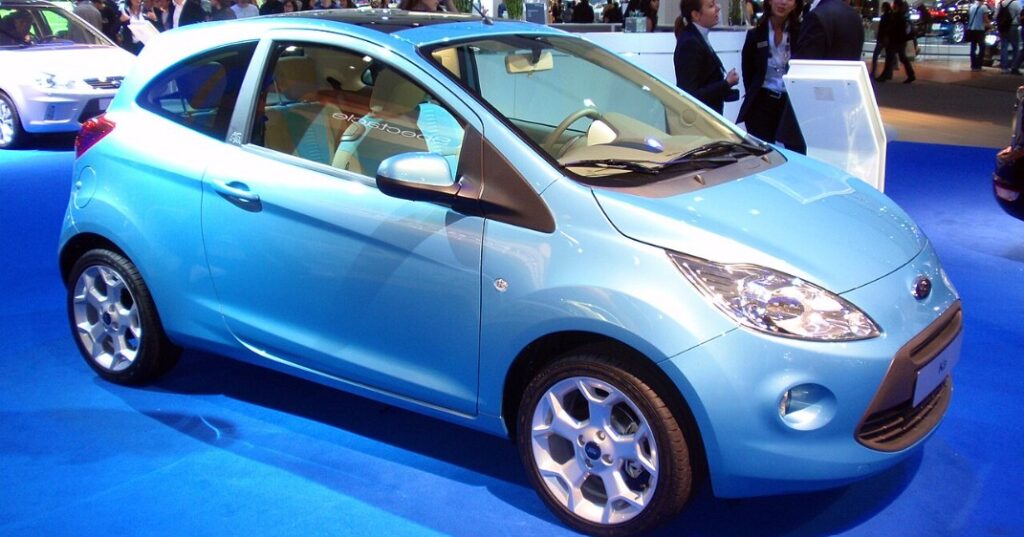
The Ford Ka name covers several quite different cars. The original Ford Ka, produced from 1996 to 2008, was a distinctive Ford-designed city car. The second-generation model, sold from 2008 to 2016, shared much of its engineering with the Fiat 500. The later Ford Ka+, introduced in Europe in 2016, was a larger and more practical hatchback based on Ford’s global small-car platform.
Because these generations are mechanically different, their weaknesses are different too. An original Ka may be fighting rust and tired suspension components, while a newer Ka might suffer from electrical steering faults, clutch wear, battery problems, or warning lights.
In this guide, we will explore the most common Ford Ka problems, the symptoms to watch for, the likely causes, and the questions we should ask before buying a used example.
Content in this publication
- Is the Ford Ka a Reliable Car?
- 1. Rust and Structural Corrosion
- 2. Power-Steering Failure
- 3. Suspension Knocks and Squeaks
- 4. Clutch Wear and Difficult Gear Changes
- 5. Engine Misfires and Ignition-Coil Failure
- 6. Rough Idle and Stalling
- 7. Cooling-System and Overheating Problems
- 8. Heater Blower and Resistor Failure
- 9. Water Leaks and Damp Carpets
- 10. Battery Drain and Starting Problems
- 11. Brake Problems
- 12. Exhaust and Catalytic-Converter Faults
- 13. Door Locks, Windows, and Interior Trim
- 14. Ka+ Battery-Monitoring Wiring Recall
- 15. Warning Lights That Keep Returning
- Which Ford Ka Generation Has the Most Problems?
- Ford Ka Problems by Generation at a Glance
- Ford Ka Used-Buying Checklist
- How Expensive Is a Ford Ka to Repair?
- How Can We Prevent Common Ford Ka Problems?
- Is a Used Ford Ka Worth Buying?
- Final Thoughts on Ford Ka Common Problems
- Frequently Asked Questions
Is the Ford Ka a Reliable Car?
Broadly speaking, the Ford Ka can be reliable when it has been maintained correctly. Its relatively simple design helps keep many repairs manageable, and replacement parts are usually easy to obtain in markets where the car was widely sold.
The biggest complication is age.
Even the newest European Ka+ models are no longer fresh from the showroom, while first-generation cars may now be approaching or exceeding three decades old. At that stage, reliability depends less on the badge attached to the bonnet and more on how the vehicle has been treated.
A carefully maintained Ka with service records may be a much safer purchase than a lower-mileage car that has spent years sitting outside, skipping oil changes, and collecting corrosion beneath its body.
We should therefore judge each car individually rather than assuming every Ford Ka will develop the same problems.
Ford Ka Problems Vary by Generation
Before discussing individual faults, it helps to identify which Ka we are dealing with:
- First-generation Ford Ka: 1996–2008
- Second-generation Ford Ka: 2008–2016
- Ford Ka+: approximately 2016–2020 in European markets
- South American Ford Ka: mechanically different from many European versions
A problem that is common on a 2003 Ka may have little relevance to a 2018 Ka+. That distinction matters when researching repairs, buying parts, or asking a mechanic for advice.
1. Rust and Structural Corrosion
Rust is arguably the most serious problem affecting the first-generation Ford Ka. It can begin as a cosmetic blemish, yet eventually spread into structural areas like ivy creeping through an old wall.
Typical corrosion points include:
- Sills
- Rear wheel arches
- Floorpan
- Front wings
- Suspension mounting areas
- Rear spring seats
- Areas around the fuel filler
- Door bottoms
- Boot floor
Specialist and used-car sources frequently identify the sills, arches, floor, and rear spring-seat areas as notable corrosion points on the Mk1 Ka.
Why Ford Ka Rust Matters
A rusty wheel arch may simply look untidy. Corrosion around a suspension mount or load-bearing sill is far more important because it can affect the strength and safety of the vehicle.
Visible paint bubbling is often only the tip of the iceberg. Once rust appears on the outside, the metal behind it may already be significantly weakened.
Signs of Serious Corrosion
Look for:
- Flaking metal under the car
- Fresh underseal hiding uneven surfaces
- Bubbling paint around the arches
- Damp carpets that may encourage floor corrosion
- Cracking near suspension mounting points
- Previous welding with poor-quality seams
- A vehicle inspection history mentioning structural corrosion
When inspecting an older Ka, we should never rely solely on its shiny exterior. A bright paint job can act like a smart jacket over worn-out clothes.
Can Ford Ka Rust Be Repaired?
Minor surface rust can often be cleaned, treated, primed, and repainted. Structural corrosion usually requires cutting out the damaged metal and welding in sound replacement sections.
Professional welding may save a cherished car, but extensive repairs can exceed the vehicle’s market value. That does not automatically make the work pointless, though. A rare, sentimental, or otherwise excellent Ka may still be worth preserving.
2. Power-Steering Failure
Power-steering trouble is one of the more worrying Ford Ka problems because it directly changes how the car feels and responds.
Depending on the model and year, symptoms may include:
- A steering warning light
- Intermittently heavy steering
- Groaning or vibration while turning
- Poor self-centering
- Steering assistance that disappears suddenly
- A steering wheel that feels vague or unusually stiff
On some second-generation cars, electric power-steering column problems may be associated with a failing torque-position sensor. The fault can begin intermittently before the warning light stays illuminated or steering assistance is reduced.
What Causes Heavy Steering on a Ford Ka?
Possible causes include:
- A faulty torque sensor
- Electric steering-column failure
- Low battery voltage
- Poor electrical connections
- A charging-system problem
- A seized lower steering-column joint
- Steering rack wear
- Incorrect wheel alignment
- Damaged suspension components
A weak battery can create misleading steering warnings because electric power steering needs stable voltage. For that reason, a mechanic should test the battery and alternator before condemning an expensive steering column.
Is It Safe to Drive With a Steering Warning Light?
We should not ignore it.
The mechanical link between the steering wheel and front wheels may remain intact, but losing assistance can make the steering suddenly much heavier, particularly during parking, roundabouts, or emergency manoeuvres.
If the steering changes noticeably while driving, slow down safely and arrange an inspection. Steering faults are not the place for hopeful guesswork.
3. Suspension Knocks and Squeaks
The Ford Ka is light and agile, but its suspension has to work hard on broken urban roads. Speed bumps, potholes, kerbs, and years of short journeys can gradually wear components.
Common suspension-related complaints include:
- Knocking over bumps
- Squeaking while steering
- Clunking from the front
- Uneven tyre wear
- Wandering on the road
- Excessive bouncing
- A steering wheel that does not sit straight
On the second-generation Ka, corrosion around the top suspension mounts has been identified as a possible source of squeaking during steering.
Suspension Parts That Commonly Wear
Potential culprits include:
- Anti-roll-bar links
- Lower control-arm bushes
- Ball joints
- Top mounts
- Shock absorbers
- Coil springs
- Track-rod ends
- Wheel bearings
A small knock can echo through the Ka’s compact cabin and sound dramatic. Still, we should not assume every noise is harmless. A worn link is usually inexpensive; a weakened mounting point or broken spring is more serious.
How to Check the Suspension Before Buying
During a test drive:
- Travel slowly over a rough but safe road.
- Listen for repeated knocking.
- Turn the steering from side to side at low speed.
- Check whether the car pulls under braking.
- Inspect the tyres for uneven wear.
- Push down gently on each corner and watch how the body settles.
The car should rebound smoothly rather than continuing to bounce like a toy on a spring.
4. Clutch Wear and Difficult Gear Changes
Many Ford Ka models were sold with manual transmissions. A clutch is a normal wear item, but heavy urban use can shorten its life significantly.
A Ka used for driving lessons, stop-start commuting, or hill starts may wear its clutch faster than a motorway-driven example.
Common Clutch Symptoms
Watch for:
- A high biting point
- Engine revs rising without matching acceleration
- Judder when pulling away
- Difficulty selecting first or reverse
- A heavy clutch pedal
- A squealing release bearing
- A burning smell after hills or manoeuvring
A slipping clutch often becomes more obvious in a higher gear. When the accelerator is pressed firmly, the engine speed may flare while road speed increases slowly.
Gearbox Problems or Clutch Problems?
The symptoms can overlap.
If the car struggles to select gears only when the engine is running, the clutch may not be disengaging fully. If a particular gear crunches even with careful clutch use, the gearbox synchroniser may be worn.
Second-generation cars can also develop general manual gearbox wear as mileage accumulates. Used-car fault summaries commonly mention clutch and transmission wear among the issues worth checking on older examples.
Should We Avoid a Ford Ka With a Heavy Clutch?
Not automatically, but the cause should be identified before purchase. A cable, hydraulic component, pressure plate, release bearing, or complete clutch assembly may be involved, depending on the version.
A low purchase price can quickly lose its shine when clutch replacement is added immediately afterward.
5. Engine Misfires and Ignition-Coil Failure
A Ford Ka that shakes, hesitates, or loses power may have an ignition problem.
Common signs include:
- Rough idle
- Jerking under acceleration
- Poor fuel economy
- Difficulty starting
- Reduced power
- A flashing or steady engine warning light
- A smell of unburned fuel
On older petrol models, ignition-coil or coil-pack failure is a recognised issue.
What Causes a Ford Ka to Misfire?
Possible causes include:
- A failed ignition coil
- Worn spark plugs
- Damaged ignition leads on older engines
- A vacuum leak
- A dirty throttle body
- Injector problems
- Low compression
- A faulty crankshaft or camshaft sensor
Replacing parts without diagnosis can become expensive. A diagnostic scan may identify the affected cylinder, but the code does not always reveal the failed component. For example, a cylinder misfire code could result from a plug, coil, injector, wiring issue, or mechanical problem.
Do Not Ignore a Flashing Engine Light
A flashing engine-management light can indicate an active misfire severe enough to damage the catalytic converter. Unburned fuel may enter the exhaust and cause excessive heat.
When the light flashes, reduce engine load and arrange prompt diagnosis rather than continuing a long journey.
6. Rough Idle and Stalling
An older Ford Ka may idle unevenly, stall at junctions, or hesitate when warm.
The engine can feel as though it is breathing through a narrow straw: it runs, but never quite settles.
Potential causes include:
- A dirty idle-control valve
- Throttle-body contamination
- Split breather hoses
- Vacuum leaks
- A faulty coolant-temperature sensor
- An aging oxygen sensor
- Ignition problems
- A weak fuel pump
- Carbon deposits
Idle-speed control valve faults and sensor problems are often listed among common Mk1 Ka complaints.
Why Vacuum Leaks Cause Poor Running
The engine-management system calculates how much fuel to inject based on the air it expects to enter the engine. A split hose allows unmeasured air inside, upsetting the mixture.
That can lead to:
- Hunting idle
- Hesitation
- Stalling
- Lean-mixture fault codes
- Poor cold starting
Small rubber hoses can become brittle with age, so a cheap split pipe may imitate a much more expensive engine fault.
7. Cooling-System and Overheating Problems
No Ford Ka should be driven while overheating. A small cooling fault can snowball into cylinder-head damage, gasket failure, or a ruined engine.
Possible warning signs include:
- Temperature warning lights
- Steam from beneath the bonnet
- Coolant loss
- A sweet smell
- Heater performance that suddenly turns cold
- A cooling fan that runs constantly
- Bubbles in the coolant reservoir
- White exhaust smoke after the engine is warm
Common Cooling-System Faults
Check for:
- Leaking hoses
- A cracked expansion tank
- A faulty thermostat
- Radiator leaks
- Water-pump failure
- Cooling-fan faults
- A damaged radiator cap
- Head-gasket failure
Why the Cabin Heater Matters
The heater uses hot engine coolant. If the heater suddenly blows cold while the engine temperature rises, coolant may no longer be circulating correctly.
That is a warning, not a comfort-system inconvenience.
Can a Ford Ka Head Gasket Fail?
Any overheated engine can damage its head gasket. Symptoms may include persistent coolant loss, pressure building rapidly in the cooling system, creamy contamination beneath the oil cap, white exhaust smoke, or repeated overheating.
A small amount of pale residue beneath the oil cap can also result from condensation, especially on cars used only for short journeys. A proper pressure test or combustion-gas test is more reliable than judging one symptom alone.
8. Heater Blower and Resistor Failure
A common comfort-related problem on older Ford Ka models is a heater fan that works only on certain speeds.
The blower may:
- Work only at maximum speed
- Stop on lower settings
- Cut in and out
- Produce a hot electrical smell
- Stop completely
The heater-blower resistor and its electrical connector are known trouble spots on some Mk1 cars, with fault summaries noting resistor failure and overheated or melted plugs.
Why Does the Fan Still Work on Maximum?
Lower fan speeds use electrical resistance to reduce blower-motor speed. The maximum setting often bypasses much of that resistance.
Therefore, a fan that works only on its fastest setting often points toward the resistor pack or associated wiring rather than the blower motor itself.
A melted connector must be repaired correctly. Installing a new resistor while leaving heat-damaged wiring untouched can invite the problem back.
9. Water Leaks and Damp Carpets
A damp Ford Ka cabin should never be dismissed as a spilled drink or an open window.
Water can enter through:
- Door seals
- Windscreen bonding
- Blocked drainage channels
- Scuttle-panel areas
- Rear-light seals
- Boot seals
- Body seams
- Floor corrosion
Damp footwells are among the faults reported on second-generation cars.
Why Interior Water Leaks Become Expensive
Moisture can damage more than carpet. It may contribute to:
- Electrical corrosion
- Mould
- Persistent window misting
- Bad smells
- Floorpan rust
- Damaged control modules
- Seat-mount corrosion
A seller may dry the carpet before a viewing, so press firmly around the footwells and check beneath removable mats.
How to Find the Leak
A workshop may use controlled water testing while removing trim panels to trace the entry point. Simply sealing every visible joint with silicone is rarely a good repair. Water often travels along panels before appearing far from the original leak.
10. Battery Drain and Starting Problems
Ford Ka starting problems are often electrical rather than mechanical.
Typical symptoms include:
- Slow cranking
- Repeated clicking
- Dashboard lights going dim
- The engine turning over but not starting
- Random warning lights
- The battery going flat after standing
- Electric steering warnings during start-up
Possible Causes
These include:
- An old battery
- Alternator failure
- Corroded battery terminals
- Poor earth connections
- A faulty starter motor
- Parasitic electrical drain
- Immobiliser trouble
- Key-transponder faults
- Crankshaft-position sensor failure
Small cars frequently make short trips, which do not always give the alternator enough time to replace the energy used during starting. Add cold weather, an aging battery, and lights or heaters, and the battery can become chronically undercharged.
Why Low Voltage Creates Multiple Warning Lights
Modern control units dislike unstable voltage. A weak battery may trigger steering, airbag, stability-control, or engine warnings even when those systems are not themselves defective.
That does not mean every warning should be blamed on the battery. It means voltage testing belongs near the beginning of the diagnostic process.
11. Brake Problems
The Ford Ka’s brakes are generally straightforward, but neglect and corrosion can create trouble.
Possible problems include:
- Grinding noises
- Squealing
- Pulling to one side
- A soft pedal
- A seized caliper
- Handbrake weakness
- Rear drum wear
- Leaking wheel cylinders
- Corroded brake pipes
Rear brake drums and wheel cylinders are noted among potential issues on early Mk1 cars.
Warning Signs That Need Immediate Attention
Stop driving and arrange professional assistance if:
- The pedal sinks toward the floor
- Brake fluid is visibly leaking
- The brake warning light remains on
- The car pulls violently during braking
- Braking effort suddenly increases
- A wheel becomes extremely hot
Brakes rarely fail without clues. The tragedy is that those clues are often ignored because the car “still stops.”
12. Exhaust and Catalytic-Converter Faults
An older Ka may develop exhaust leaks, broken hangers, corroded pipes, or catalytic-converter problems.
Symptoms can include:
- A blowing or ticking sound
- Exhaust fumes near the cabin
- Rattling underneath
- Loss of power
- Failed emissions testing
- An engine warning light
- A rotten-egg smell
A catalytic converter may fail because of age, contamination, or prolonged engine misfires. Replacing the converter without fixing the misfire is like replacing a fuse without repairing the short circuit.
Check the Exhaust Mountings
Because the Ka sits relatively low, its exhaust may suffer from kerb or speed-bump impacts. Rubber hangers can also split, allowing the system to knock against the body.
13. Door Locks, Windows, and Interior Trim
Not every Ford Ka problem is mechanical. Age can affect small cabin components that become surprisingly annoying in daily use.
Owners may encounter:
- Central locking that works intermittently
- Door handles that feel loose
- Electric windows that move slowly
- Window regulators that fail
- Tailgate-release problems
- Worn ignition barrels
- Dashboard switches that stop responding
- Rattling trim
- Broken seat mechanisms
These faults rarely make the car undriveable, but several minor defects can suggest poor care or long-term moisture exposure.
14. Ka+ Battery-Monitoring Wiring Recall
Some Ford Ka+ vehicles were affected by a safety recall involving the battery-monitoring-system wiring.
On affected cars, the wiring could be routed in a way that allowed it to chafe against a battery retaining component. This created a potential short-circuit, smoke, or fire risk. Reports identify affected production periods during 2017–2019, though exact dates can vary by market and source.
How to Check for Outstanding Ford Ka Recalls
Recall coverage is tied to the individual vehicle, not merely the model name. We should check using the registration number or VIN through an official Ford or government recall service.
Ford UK directs owners to official recall information, while the UK government’s recall checker allows motorists to investigate registered safety recalls.
Recall work is normally completed without charge when the vehicle is covered by the campaign.
15. Warning Lights That Keep Returning
A warning light is a symptom, not a diagnosis.
Ford Ka owners may encounter lights relating to:
- Engine management
- ABS
- Airbags
- Power steering
- Battery charging
- Tyre pressure
- Brakes
- Temperature
- Electronic stability control
Clearing a code does not repair the fault. It merely erases the evidence stored by the control unit until the problem reappears.
Why Code Readers Sometimes Mislead Owners
A fault code points toward a circuit or condition. It does not always identify the exact failed part.
For example:
- An oxygen-sensor code may be caused by an exhaust leak.
- A lean-mixture code may result from a vacuum leak.
- A steering code may be triggered by weak battery voltage.
- A misfire code may come from a coil, plug, injector, or compression issue.
Good diagnosis combines scan data with physical testing.
Which Ford Ka Generation Has the Most Problems?
The first-generation Ka generally carries the greatest age-related risk, especially from structural rust. Its mechanical simplicity is an advantage, but corrosion can turn an otherwise charming car into a financial trap.
The second-generation Ka is usually better protected from widespread body corrosion, although top mounts, damp interiors, clutch wear, steering faults, and aging electrical components still deserve attention.
The Ka+ is newer and often more practical. Reported major mechanical problems appear relatively limited compared with many rivals, but recall completion, battery health, suspension condition, and electrical operation should still be checked. One used-car reliability review described reported Ka+ mechanical faults as relatively few, while acknowledging its basic and somewhat unrefined character.
Ford Ka Problems by Generation at a Glance
| Generation | Main Areas to Inspect |
|---|---|
| Mk1 Ford Ka | Structural rust, rear brakes, blower resistor, rough idle, ignition coils, sensors |
| Mk2 Ford Ka | Electric steering, suspension top mounts, clutch, gearbox wear, damp footwells |
| Ford Ka+ | Battery and charging system, recall status, steering warnings, suspension wear, electrical faults |
This table should be treated as an inspection guide, not a guarantee that every car will develop every issue.
Ford Ka Used-Buying Checklist
Before purchasing a used Ford Ka, we should inspect the following:
Body and Structure
- Examine the sills and wheel arches.
- Look underneath the boot floor.
- Check suspension mounting points.
- Search for fresh underseal or rushed welding.
- Inspect door bottoms and the fuel-filler area.
Engine and Cooling System
- Start the engine from cold.
- Listen for rattles or misfires.
- Check for coolant leaks.
- Watch for blue or white exhaust smoke.
- Confirm that the cooling fan operates.
- Review oil-change records.
Clutch and Gearbox
- Test the clutch biting point.
- Accelerate firmly in a higher gear.
- Select every gear several times.
- Listen for whining or crunching.
- Check for judder when moving away.
Steering and Suspension
- Confirm that no steering warning light remains on.
- Turn the steering fully in both directions.
- Listen for squeaks and knocks.
- Check tyre wear.
- Make sure the car tracks straight.
Electrical Equipment
- Test every window and lock.
- Operate the heater fan at all speeds.
- Check exterior and interior lights.
- Confirm that all dashboard lights illuminate and then go out correctly.
- Test both keys when supplied.
Documents and History
- Check service invoices.
- Review inspection or MOT history where available.
- Verify the VIN.
- Confirm recall completion.
- Compare recorded mileage across documents.
How Expensive Is a Ford Ka to Repair?
The Ford Ka is usually inexpensive to service because many routine parts are affordable and the mechanical layout is familiar to independent garages.
Relatively manageable jobs may include:
- Spark plugs
- Ignition coils
- Brake pads
- Drop links
- Batteries
- Blower resistors
- Exhaust sections
- Basic sensors
More expensive repairs may include:
- Structural welding
- Electric steering-column replacement
- Gearbox work
- Clutch replacement
- Catalytic-converter replacement
- Engine overheating damage
- Extensive electrical diagnosis
Repair cost also depends heavily on the country, labour rate, engine type, and availability of quality aftermarket parts.
How Can We Prevent Common Ford Ka Problems?
A little prevention goes a long way.
Follow a Sensible Maintenance Routine
We should:
- Change the oil using the correct specification.
- Avoid stretching service intervals.
- Check coolant regularly.
- Investigate leaks early.
- Keep drainage channels clear.
- Wash road salt from beneath the car.
- Treat minor rust before it spreads.
- Replace worn tyres and suspension parts promptly.
- Test an aging battery before winter.
- Avoid driving with warning lights or overheating.
Give the Car Occasional Longer Journeys
Repeated short trips can encourage condensation, battery discharge, exhaust corrosion, and oil contamination. An occasional properly warmed journey can help the battery recharge and allow moisture to evaporate.
That does not replace maintenance, but it gives the car a healthier operating pattern.
Is a Used Ford Ka Worth Buying?
Yes, a used Ford Ka can still make sense when we choose carefully.
Its strengths include:
- Compact dimensions
- Low purchase prices
- Simple controls
- Good urban manoeuvrability
- Widely available routine parts
- Characterful styling, especially on the Mk1
- Reasonable running costs
Its weaknesses include:
- Age-related corrosion
- Limited space
- Modest refinement
- Potential steering and clutch expenses
- Basic safety equipment on older versions
- Poor examples that have been maintained on the cheapest possible budget
The best Ford Ka is not necessarily the newest-looking or lowest-mileage example. It is the one with a sound structure, evidence of maintenance, a clean test drive, and no collection of unresolved warning lights.
Final Thoughts on Ford Ka Common Problems
The Ford Ka is not inherently a bad car. In fact, a well-kept example can be cheerful, economical, and refreshingly uncomplicated. The danger lies in buying one purely because it is cheap.
On a first-generation Ka, rust should be our greatest concern. On a second-generation model, we should pay close attention to electric steering, suspension noises, dampness, clutch behaviour, and gearbox operation. On the Ka+, recall status, battery health, wiring, and general electrical condition deserve careful inspection.
Small cars often survive years of short trips, kerb impacts, delayed servicing, and improvised repairs. By the time they reach the used market, two visually similar examples may be worlds apart beneath the surface.
We should inspect before we become emotionally attached. A colourful Ka can wink at us from across the forecourt, but charm should never drown out the sound of a knocking suspension or distract us from rusty sills.
Choose a good one, maintain it properly, and the Ford Ka can remain exactly what it was designed to be: simple, affordable motoring with a dash of personality.
Frequently Asked Questions
1. What is the most common problem with the Ford Ka?
On the first-generation Ford Ka, rust is one of the most common and serious issues, particularly around the sills, wheel arches, floors, and suspension mounting areas. Newer versions are more likely to experience age-related steering, clutch, suspension, battery, or electrical faults.
2. Does the Ford Ka have power-steering problems?
Some Ford Ka models can develop intermittent or permanent loss of power-steering assistance. Possible causes include torque-sensor failure, steering-column faults, weak battery voltage, wiring problems, or mechanical stiffness in the steering system.
3. How long can a Ford Ka last?
A properly maintained Ford Ka can remain usable well beyond 100,000 miles or approximately 160,000 kilometres. Its actual lifespan depends on servicing, corrosion, driving conditions, previous repairs, and whether overheating or oil-related problems have been avoided.
4. Is the Ford Ka expensive to maintain?
Routine Ford Ka maintenance is generally affordable. Basic parts such as filters, plugs, brake components, batteries, and suspension links are usually reasonably priced. Structural rust repairs, steering-column faults, clutch replacement, and gearbox work can be comparatively expensive.
5. What should I check before buying a used Ford Ka?
Check the body for rust, test the clutch and every gear, inspect the cooling system, listen for suspension noises, confirm that the steering feels consistent, test all electrical equipment, review the service history, and verify whether any safety recalls remain outstanding.
If you want to know other articles similar to Ford Ka Common Problems: Reliability, Faults, and Fixes you can visit the category Common Problems.
Volvo S90 Common Problems: Reliability & Repair Guide
Volvo S90 No Sound: Causes, Fixes and Solutions

Nissan Rogue Smells Like Gas: Causes and Fixes
Vauxhall Agila Problems: Common Faults & Fixes

Kia Sorento Jerking When Accelerating: Causes & Fixes

Jaguar F-Pace Low Battery: Causes, Warning Signs, and How to Fix It
Leave a Reply
More content of your interest