

Toyota 4Runner Hybrid MPG: What Fuel Economy Can We Really Expect?

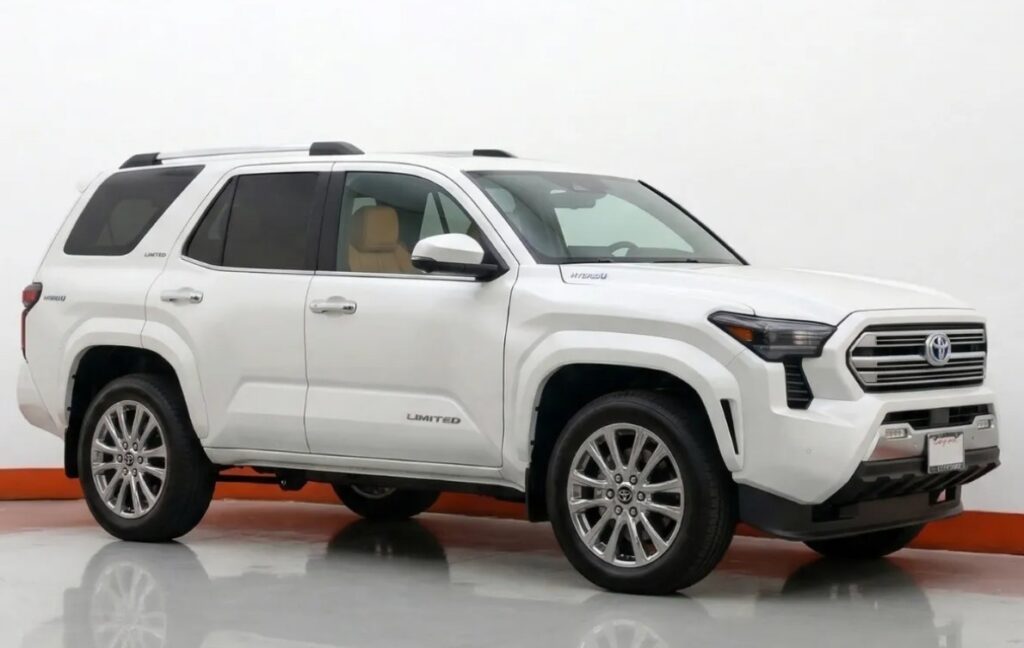
The legendary Toyota 4Runner has always been the rugged friend who shows up wearing hiking boots instead of dress shoes. It climbs rocks, survives trails, and keeps going long after softer SUVs wave the white flag. But there has always been one elephant in the garage: fuel economy.
For years, drivers loved the 4Runner’s durability while quietly pretending not to notice the gas station receipts piling up in the cup holder. That changes with the new hybrid direction.
Now that Toyota is introducing hybrid technology into the newest generation of the 4Runner, one question dominates the conversation:
How good will the Toyota 4Runner hybrid MPG actually be?
That question matters more than ever. Fuel prices fluctuate like ocean tides, environmental awareness keeps growing, and drivers want adventure without draining their wallets every week. The hybrid 4Runner promises a balance between brute strength and improved efficiency — almost like teaching a grizzly bear how to run a marathon.
In this guide, we’ll break down everything about Toyota 4Runner hybrid MPG, including estimated fuel economy, real-world expectations, comparisons with competitors, towing impact, highway efficiency, city driving numbers, off-road fuel consumption, and whether the hybrid model is truly worth buying.
Content in this publication
- Why Toyota Finally Gave the 4Runner a Hybrid Powertrain
- Expected Toyota 4Runner Hybrid MPG Numbers
- What Hybrid Engine Does the Toyota 4Runner Use?
- How the Hybrid System Improves MPG
- Toyota 4Runner Hybrid MPG vs Competitors
- Will the Hybrid 4Runner Save Money on Fuel?
- How Highway Driving Affects Toyota 4Runner Hybrid MPG
- City MPG Is Where the Hybrid Truly Shines
- Does Off-Roading Hurt Hybrid MPG?
- Toyota 4Runner Hybrid Towing MPG
- Will Bigger Tires Reduce MPG?
- Real-World MPG Expectations
- Why Toyota Hybrids Usually Deliver Reliable MPG
- How the 4Runner Hybrid Compares to the Old V6
- Will Hybrid Technology Hurt Off-Road Reliability?
- The Psychological Side of Better MPG
- Who Should Buy the Toyota 4Runner Hybrid?
- Who Might Prefer the Gas Version?
- Can the Toyota 4Runner Hybrid Reach 30 MPG?
- Future of Hybrid Off-Road SUVs
- Should We Wait for Official MPG Ratings?
- Final Thoughts on Toyota 4Runner Hybrid MPG
- FAQs
Why Toyota Finally Gave the 4Runner a Hybrid Powertrain
The older generations of the Toyota 4Runner were famous for reliability but not for efficiency. The outgoing V6 engine delivered respectable power, yet its MPG figures often felt stuck in another decade.
Drivers wanted:
- Better fuel economy
- More torque
- Lower emissions
- Improved daily drivability
- Longer range between fill-ups
Toyota listened carefully.
The company already had successful hybrid systems in vehicles like the Toyota Prius, Toyota Highlander Hybrid, and Toyota Tundra Hybrid. Bringing hybrid technology into the 4Runner was the logical next step.
And honestly? It was overdue.
Expected Toyota 4Runner Hybrid MPG Numbers
While official EPA numbers may vary depending on trim and drivetrain configuration, industry expectations place the Toyota 4Runner hybrid MPG somewhere around:
| Driving Type | Estimated MPG |
|---|---|
| City | 23–24 MPG |
| Highway | 24–26 MPG |
| Combined | 24–25 MPG |
That may not sound revolutionary compared to compact hybrids, but for a body-on-frame off-road SUV, these numbers are a massive leap forward.
The previous gasoline-only 4Runner typically averaged:
| Older Gas Model | MPG |
|---|---|
| City | 16 MPG |
| Highway | 19 MPG |
| Combined | 17 MPG |
That means the hybrid model could improve fuel economy by roughly 35–45%.
That’s like replacing a thirsty linebacker with a disciplined endurance athlete without sacrificing muscle.
What Hybrid Engine Does the Toyota 4Runner Use?
The newest hybrid-powered Toyota 4Runner is expected to use Toyota’s i-FORCE MAX hybrid system.
This setup combines:
- A turbocharged 2.4-liter four-cylinder engine
- An electric motor
- Hybrid battery technology
- An 8-speed automatic transmission
Together, the system produces impressive torque while improving fuel economy.
Why Torque Matters More Than Horsepower
Most SUV buyers obsess over horsepower numbers. But for off-roading and towing, torque is king.
Hybrid systems shine because electric motors deliver instant torque. That means:
- Faster acceleration
- Better low-speed crawling
- Improved towing response
- Smoother uphill driving
The hybrid 4Runner isn’t just about MPG. It’s also about making the SUV feel stronger and more responsive.
How the Hybrid System Improves MPG
Toyota’s hybrid technology works like a smart energy manager.
Instead of relying entirely on gasoline, the system intelligently switches between electric assistance and combustion power.
Here’s how that boosts fuel economy:
Electric Assistance in Traffic
In stop-and-go driving, hybrids consume less fuel because the electric motor handles low-speed movement.
City driving becomes dramatically more efficient.
Regenerative Braking
Every time we brake, the system captures energy that would normally disappear as heat.
That energy recharges the battery.
It’s almost like recycling motion itself.
Turbo Efficiency
The smaller turbocharged engine uses less fuel than the old naturally aspirated V6 while still delivering strong performance.
Reduced Engine Strain
The electric motor helps during acceleration, reducing the workload on the gasoline engine.
Less strain equals better efficiency.
Toyota 4Runner Hybrid MPG vs Competitors
The hybrid 4Runner enters a competitive SUV battlefield filled with rivals trying to balance efficiency and capability.
Here’s how it may compare.
| SUV | Estimated Combined MPG |
|---|---|
| Toyota 4Runner Hybrid | 24–25 MPG |
| Ford Bronco | 20–21 MPG |
| Jeep Wrangler 4xe | 20 MPG hybrid mode |
| Land Rover Defender | 18–20 MPG |
| Toyota Land Cruiser | 23 MPG |
| Honda Pilot | 22 MPG |
The 4Runner hybrid positions itself as one of the most fuel-efficient body-on-frame adventure SUVs on the market.
That’s a huge selling point.
Will the Hybrid 4Runner Save Money on Fuel?
Absolutely — especially for drivers covering high annual mileage.
Let’s compare fuel costs.
Old Gasoline 4Runner Example
- 17 MPG combined
- 15,000 miles annually
- Gas price: $4 per gallon
Annual fuel cost:
Approximately $3,529.
Hybrid 4Runner Example
- 25 MPG combined
- Same mileage
- Same fuel price
Annual fuel cost:
Approximately $2,400.
Potential Savings
That’s over $1,000 saved every year.
Over five years, we could save roughly:
- $5,000+
- More depending on fuel prices
That’s enough for several off-road trips, new tires, camping gear, or a serious road adventure.
How Highway Driving Affects Toyota 4Runner Hybrid MPG
Many people assume hybrids only excel in city traffic.
That’s partially true, but highway MPG still improves significantly in the hybrid 4Runner.
Why?
Because the turbocharged engine operates more efficiently at cruising speeds.
Aerodynamics still matter, though.
The 4Runner remains:
- Boxy
- Tall
- Heavy
- Off-road focused
In other words, it cuts through air like a refrigerator wearing hiking boots.
Even so, highway efficiency should comfortably outperform previous generations.
City MPG Is Where the Hybrid Truly Shines
Urban environments are where the hybrid system becomes magical.
Traditional SUVs burn fuel aggressively in stop-and-go traffic.
The hybrid 4Runner behaves differently.
At low speeds:
- Electric power assists movement
- Engine idling decreases
- Fuel waste drops
- Regenerative braking recovers energy
That means commuting becomes far less painful financially.
Drivers in large cities may notice the biggest fuel savings of all.
Does Off-Roading Hurt Hybrid MPG?
Yes — but perhaps not as badly as some expect.
Off-roading naturally consumes more fuel because:
- Tires encounter resistance
- Terrain changes constantly
- Low-speed crawling demands torque
- Weight distribution shifts
However, hybrid torque can actually help efficiency in technical terrain.
Electric motors excel at:
- Controlled crawling
- Instant low-end response
- Precise throttle modulation
In some off-road conditions, hybrids feel smoother and more efficient than traditional engines.
The result?
Better trail performance without dramatically sacrificing fuel economy.
Toyota 4Runner Hybrid Towing MPG
Towing changes everything.
Even the most efficient SUV becomes thirstier while pulling heavy loads.
The hybrid 4Runner should still maintain respectable efficiency compared to older models.
Expected towing capacity may reach around:
- 6,000 pounds
That’s enough for:
- Small campers
- Boats
- Utility trailers
- Adventure equipment
What Happens to MPG While Towing?
Fuel economy may drop into:
- 14–18 MPG range
But that’s still competitive for a midsize off-road SUV towing significant weight.
Will Bigger Tires Reduce MPG?
Absolutely.
Many 4Runner owners upgrade immediately to:
- All-terrain tires
- Lift kits
- Roof racks
- Heavy bumpers
- Overlanding accessories
While these modifications look fantastic, they affect efficiency.
Common MPG Killers
Larger Tires
Heavier tires increase rolling resistance.
Lift Kits
Poor aerodynamics create more drag.
Roof Accessories
Roof tents and cargo boxes disrupt airflow.
Extra Weight
Steel bumpers and skid plates increase fuel consumption.
Even the best hybrid system can’t completely overcome physics.
Real-World MPG Expectations
EPA estimates are useful, but real-world MPG tells the real story.
Most drivers should realistically expect:
| Driving Style | Real MPG |
|---|---|
| Conservative commuting | 25–27 MPG |
| Mixed daily driving | 23–25 MPG |
| Aggressive driving | 20–22 MPG |
| Heavy off-roading | 17–20 MPG |
| Towing | 14–18 MPG |
Driving habits matter enormously.
Smooth acceleration helps hybrids thrive.
Aggressive throttle use? That turns efficiency into a disappearing magic trick.
Why Toyota Hybrids Usually Deliver Reliable MPG
Toyota has built one of the strongest hybrid reputations in the automotive industry.
Models like the Toyota Prius became legendary for reliability.
That reputation matters because many buyers still worry about:
- Battery longevity
- Repair costs
- Maintenance complexity
Toyota hybrids historically perform extremely well long term.
That makes the hybrid 4Runner especially appealing.
We’re not just buying efficiency.
We’re buying proven technology.
How the 4Runner Hybrid Compares to the Old V6
The older V6 had undeniable charm.
It sounded rugged.
It felt mechanical.
It delivered dependable power.
But compared to the hybrid, it now feels somewhat outdated.
Advantages of the Hybrid
- Better MPG
- More torque
- Faster acceleration
- Quieter operation
- Lower emissions
Advantages of the Old V6
- Simpler design
- Traditional engine feel
- Easier DIY maintenance
For most buyers, though, the hybrid upgrade makes practical sense.
Will Hybrid Technology Hurt Off-Road Reliability?
Some enthusiasts fear electronics on remote trails.
That concern is understandable.
But Toyota engineers design these systems with durability in mind.
Hybrid components are heavily protected against:
- Water intrusion
- Dust
- Extreme temperatures
- Harsh driving conditions
Toyota knows the 4Runner audience expects toughness.
The brand can’t afford to weaken that reputation.
The Psychological Side of Better MPG
Fuel economy changes more than expenses.
It changes behavior.
Drivers with poor MPG often hesitate to:
- Take long trips
- Explore farther
- Drive daily
- Commute comfortably
Better efficiency creates freedom.
Suddenly, weekend adventures feel less financially painful.
The hybrid 4Runner may encourage owners to use the SUV more often instead of treating every drive like a negotiation with the gas pump.
Who Should Buy the Toyota 4Runner Hybrid?
The hybrid model makes the most sense for drivers who want:
Daily Comfort Plus Adventure
If we commute during the week but escape into nature on weekends, this SUV fits beautifully.
Lower Fuel Costs
Anyone tired of brutal fuel bills will appreciate the MPG improvement.
Long-Term Ownership
Toyota hybrids are known for durability.
Strong Resale Value
Hybrid demand continues growing rapidly.
Who Might Prefer the Gas Version?
Not everyone needs the hybrid.
Some buyers may still prefer a traditional gasoline setup if they:
- Want a lower initial price
- Prefer simpler mechanics
- Rarely drive long distances
- Enjoy old-school SUV character
There’s still emotional appeal in naturally aspirated engines.
But the market is clearly shifting toward efficiency.
Can the Toyota 4Runner Hybrid Reach 30 MPG?
Probably not consistently.
And honestly, that’s okay.
The 4Runner isn’t trying to become a tiny economy car.
It remains:
- A rugged SUV
- Body-on-frame
- Off-road capable
- Heavy-duty oriented
For its category, 24–25 MPG is already impressive.
Expecting 35 MPG from a trail-focused SUV is like expecting hiking boots to feel like running shoes.
Different missions require different compromises.
Future of Hybrid Off-Road SUVs
The hybrid 4Runner represents something bigger happening across the automotive industry.
Manufacturers now realize buyers want:
- Capability
- Efficiency
- Technology
- Sustainability
At the same time.
The days of choosing between power and fuel economy are slowly fading.
Hybrid off-road SUVs may soon become the norm instead of the exception.
And Toyota appears ready to lead that movement.
Should We Wait for Official MPG Ratings?
Yes.
Estimated MPG numbers provide direction, but official EPA figures matter most.
Actual results may vary based on:
- Trim level
- Tire size
- Drivetrain
- Weight
- Driving style
- Climate
Still, all signs point toward meaningful efficiency gains.
Even conservative estimates show major improvement over previous generations.
Final Thoughts on Toyota 4Runner Hybrid MPG
The Toyota 4Runner Hybrid feels like a natural evolution of an already beloved SUV.
Toyota didn’t transform the 4Runner into a fragile commuter crossover.
Instead, the company preserved its adventurous soul while finally addressing one of its biggest weaknesses: fuel economy.
And that balance matters.
We want vehicles capable of climbing mountains without making us financially dizzy every time we refuel. The hybrid 4Runner appears ready to deliver exactly that.
Its expected MPG figures may not shock compact hybrid drivers, but within the rugged SUV segment, they represent serious progress.
The hybrid future isn’t replacing adventure.
It’s making adventure smarter.
FAQs
What is the expected Toyota 4Runner hybrid MPG?
Most estimates suggest around 24–25 MPG combined, with city mileage slightly higher than highway efficiency.
Will the Toyota 4Runner hybrid have more power than the old V6?
Yes. The hybrid system should produce significantly more torque and improved acceleration compared to the previous V6 engine.
Does towing reduce Toyota 4Runner hybrid MPG?
Absolutely. Towing heavy loads may reduce MPG into the 14–18 MPG range depending on terrain and trailer weight.
Is the Toyota 4Runner hybrid good for off-roading?
Yes. Hybrid torque delivery can actually improve low-speed off-road control and crawling capability.
Will larger tires affect Toyota 4Runner hybrid MPG?
Yes. Bigger tires, lift kits, roof racks, and heavy accessories can noticeably reduce fuel efficiency.
If you want to know other articles similar to Toyota 4Runner Hybrid MPG: What Fuel Economy Can We Really Expect? you can visit the category Driving.
Can Nissan Rogue Pull a Boat? Complete Towing Guide
Can Nissan Rogue Be Flat Towed? Complete Towing Guide
Are Nissan Rogue Good on Gas? MPG, Fuel Economy, and Real-World Costs
Can Nissan Rogue Drive in Snow? Complete Winter Driving Guide

Kia Sorento Diesel Fuel Consumption: MPG, Efficiency and Real-World Range
Haval Jolion Hybrid Fuel Consumption: How Efficient Is It Really?
Leave a Reply
More content of your interest