
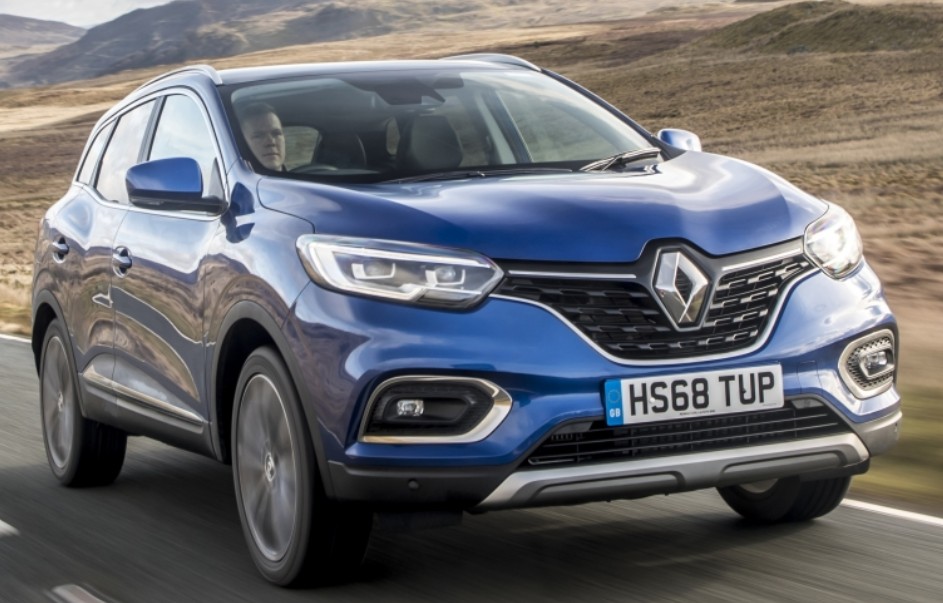
Are Renault Kadjar Reliable? The Honest, No-Nonsense Verdict

Content in this publication
- Why Reliability Matters More Than Ever
- A Quick Overview of the Renault Kadjar
- So… Are Renault Kadjar Reliable Overall?
- Reliability by Engine Type
- Common Renault Kadjar Problems
- Reliability by Model Year
- Maintenance: The Real Game-Changer
- Cost of Ownership
- Driving Experience vs Reliability
- Real Owner Feedback
- Kadjar vs Competitors (Reliability Focus)
- Is It Reliable for Long-Term Ownership?
- Who Should Buy a Renault Kadjar?
- Pros and Cons Summary
- Final Verdict: Is the Renault Kadjar Reliable?
- Closing Thoughts
- FAQs
Why Reliability Matters More Than Ever
Let’s be honest—buying a car isn’t just about how it looks parked outside your house. It’s about trust. It’s about whether that engine fires up on a cold morning, whether your dashboard stays silent (in a good way), and whether your wallet survives the long haul.
So when we ask “Are Renault Kadjar reliable?”, what we’re really asking is:
Can we depend on this SUV without constant headaches?
Let’s break it down—no fluff, no marketing spin.
A Quick Overview of the Renault Kadjar
Where It Fits in the Market
The Kadjar sits comfortably in the crowded compact SUV segment, rubbing shoulders with rivals like the Nissan Qashqai and Mazda CX-5.
Here’s something many buyers overlook:
The Kadjar shares its platform with the Qashqai. That means:
- Proven engineering foundations
- Shared components (often cheaper and easier to source)
- Reliability insights from a larger pool of real-world users
That’s already a promising start.
So… Are Renault Kadjar Reliable Overall?
The Short Answer
Yes—with caveats.
The Long Answer
The Renault Kadjar is generally moderately reliable, especially compared to older Renault models that didn’t always have the best reputation. But like any car, it depends heavily on:
- Engine choice
- Maintenance habits
- Model year
Think of it like a dependable friend who occasionally forgets their keys—solid, but not flawless.
Reliability by Engine Type
Petrol Engines: The Safer Bet
If you want peace of mind, petrol Kadjars tend to be more reliable.
1.2 TCe Engine
- Smooth and efficient
- Known for occasional oil consumption issues
- Best when serviced regularly
1.3 TCe Engine (Newer Models)
- Co-developed with Mercedes
- Stronger reliability track record
- Better performance and efficiency balance
👉 Verdict: Go for the 1.3 TCe if possible.
Diesel Engines: Durable but Sensitive
1.5 dCi Engine
- Extremely fuel-efficient
- Proven long-term durability
- Issues can arise with:
- Injectors
- EGR valves
- DPF (Diesel Particulate Filter)
1.6 dCi Engine
- More powerful
- Generally robust
- Slightly higher maintenance costs
👉 Verdict: Great for long-distance drivers, but avoid if you mostly drive short urban trips.
You may be interested in reading Cupra Formentor Reliability: The Truth Behind Performance and Dependability
Common Renault Kadjar Problems
No car is perfect—and the Kadjar has its quirks.
1. Electrical Gremlins
- Infotainment glitches
- Sensors misbehaving
- Random warning lights
Not catastrophic, but annoying—like a flickering light in your living room.
2. Injector Issues (Mostly Diesel)
- Rough idling
- Loss of power
- Increased fuel consumption
These can be costly if ignored.
3. Clutch Wear (Manual Models)
- Premature wear reported in some units
- Heavier city driving accelerates the issue
4. Suspension Noises
- Knocking sounds over bumps
- Usually linked to bushings or mounts
5. Battery & Start-Stop System Problems
- Start-stop system can fail prematurely
- Battery drains faster than expected
Reliability by Model Year
2015–2016 (Early Models)
- More reported issues
- Electrical faults more common
👉 Approach with caution
2017–2018 (Mid-Cycle Improvement)
- Fewer complaints
- Better build consistency
👉 Sweet spot for value and reliability
2019+ (Facelift Models)
- Improved tech
- Better engine options (1.3 TCe)
- Enhanced reliability
👉 Best choice overall
Maintenance: The Real Game-Changer
Let’s be real—reliability isn’t just about the car. It’s about how we treat it.
Essential Maintenance Tips
- Oil changes every 10,000–12,000 km
- Regular injector cleaning (diesel)
- Keep software updated
- Use quality fuel
What Happens If You Skip Maintenance?
Even the most reliable engine can turn into a ticking time bomb.
Cost of Ownership
The Good News
- Affordable parts (thanks to shared platform)
- Reasonable servicing costs
The Not-So-Good News
- Some repairs (injectors, clutch) can be pricey
- Electrical issues can be time-consuming to diagnose
Driving Experience vs Reliability
Comfort & Practicality
- Smooth ride
- Comfortable seats
- Spacious interior
Does Comfort Affect Reliability?
Not directly—but a well-balanced car usually reflects thoughtful engineering.
Real Owner Feedback
What do actual drivers say?
Positive Feedback
- “Great fuel economy”
- “Comfortable for long trips”
- “Feels solid on the road”
Negative Feedback
- “Electronics can be frustrating”
- “Diesel issues if not driven properly”
Kadjar vs Competitors (Reliability Focus)
Kadjar vs Nissan Qashqai
- Similar reliability overall
- Qashqai slightly edges ahead due to reputation
Kadjar vs Mazda CX-5
- Mazda is more reliable
- Kadjar is cheaper to maintain
Is It Reliable for Long-Term Ownership?
Short-Term (0–5 Years)
✔ Generally reliable
✔ Minimal major issues
Long-Term (5–10 Years)
⚠ Depends heavily on maintenance
⚠ Diesel models require more care
Cupra Formentor Reliability: The Truth Behind Performance and DependabilityYou may be interested in reading
Cupra Formentor Insurance Group: The Complete Guide to Costs, Ratings, and SavingsWho Should Buy a Renault Kadjar?
Ideal Buyer Profile
- Budget-conscious SUV buyers
- Drivers doing mixed or long-distance driving
- People comfortable with occasional minor issues
Who Should Avoid It?
- Those wanting “bulletproof” reliability
- Short-distance urban drivers (diesel especially)
Pros and Cons Summary
Pros
- Comfortable and practical
- Good fuel efficiency
- Affordable maintenance
Cons
- Electrical issues
- Diesel sensitivity
- Not class-leading reliability
Final Verdict: Is the Renault Kadjar Reliable?
If we had to sum it up in one sentence:
👉 The Renault Kadjar is reliably “good enough”—but not exceptional.
It’s not the most dependable SUV on the market, but it’s far from unreliable. Treat it well, choose the right engine, and it’ll serve you faithfully.
Ignore maintenance… and it might remind you who’s boss.
Closing Thoughts
Buying a car is like entering a long-term relationship. The Renault Kadjar isn’t perfect—but it’s loyal, practical, and surprisingly capable when you give it the care it deserves.
So the real question isn’t just:
“Is it reliable?”
It’s:
“Will we take care of it properly?”
Because in the end, reliability is a two-way street.
FAQs
1. Is the Renault Kadjar expensive to maintain?
Not particularly. Routine maintenance is affordable, but major repairs (like injectors) can increase costs.
2. Which Kadjar engine is most reliable?
The 1.3 TCe petrol engine is widely considered the most reliable option.
3. Do Renault Kadjars have electrical problems?
Yes, minor electrical issues are one of the most commonly reported concerns.
4. Is the Kadjar good for city driving?
Petrol versions are great for city use. Diesel models prefer longer drives.
You may be interested in readingCupra Formentor Reliability: The Truth Behind Performance and DependabilityYou may be interested in reading
Cupra Formentor Insurance Group: The Complete Guide to Costs, Ratings, and SavingsYou may be interested in reading
What Is the Cupra Formentor Based On? A Deep Dive Into Its DNA5. How long does a Renault Kadjar last?
With proper maintenance, it can easily exceed 150,000–200,000 km.
If you want to know other articles similar to Are Renault Kadjar Reliable? The Honest, No-Nonsense Verdict you can visit the category Blog.
Is Vauxhall Agila a Good Car? Reliability, Problems and Buying Guide

Honda Passport Life Expectancy: How Many Miles Can It Last?
Honda Passport Depreciation: How Well Does It Hold Its Value?

Nissan Rogue Reliability Rating: How Reliable Is the Rogue?
Nissan Rogue Life Expectancy: How Long Does It Last?
Vauxhall Agila Reliability: Common Problems, Best Engines and What to Check
Leave a Reply
More content of your interest