

Subaru Crosstrek Miles Per Gallon: Real-World MPG, Efficiency Secrets & What to Expect

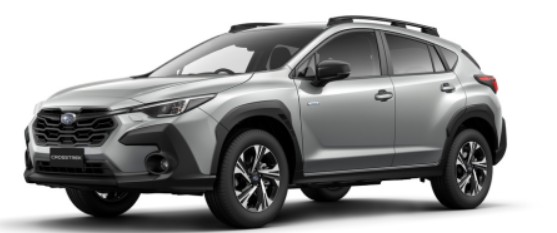
When we talk about compact SUVs that blend rugged charm with everyday efficiency, the Subaru Crosstrek always finds its way into the conversation. But let’s get real for a second—how far can it actually go on a gallon of fuel? Is it the frugal road companion we hope for, or just another SUV trying to look efficient on paper?
Let’s break it all down together—numbers, real-world insights, and a few surprising truths along the way.
Content in this publication
- Understanding Subaru Crosstrek MPG at a Glance
- Why MPG Matters More Than You Think
- Engine Options and Their Impact on Fuel Economy
- Manual vs CVT: Does It Affect MPG?
- All-Wheel Drive: The Hidden MPG Factor
- Real-World MPG: What Drivers Actually Experience
- Driving Habits That Impact Fuel Efficiency
- Terrain and Weather: Silent MPG Killers
- Comparing Crosstrek MPG to Competitors
- Hybrid Version: Is It Worth It?
- Fuel Tank Capacity and Driving Range
- Maintenance and MPG: The Overlooked Link
- Is the Subaru Crosstrek Fuel Efficient for an SUV?
- Who Benefits Most from Crosstrek MPG?
- Common Myths About Crosstrek MPG
- Tips to Maximize Your Crosstrek Fuel Economy
- The Role of Subaru Engineering in Efficiency
- Final Thoughts: Is Crosstrek MPG Good Enough?
- FAQs About Subaru Crosstrek MPG
- Closing Summary
Understanding Subaru Crosstrek MPG at a Glance
Fuel economy isn’t just a number—it’s a story. And with the Crosstrek, it’s a story shaped by terrain, driving style, and a bit of Subaru DNA.
Official EPA MPG Ratings
Across recent model years, the Crosstrek delivers:
- City: 27–28 MPG
- Highway: 33–34 MPG
- Combined: Around 29–30 MPG
These figures make it competitive, especially considering its standard all-wheel drive (AWD)—something many rivals don’t include by default.
Why MPG Matters More Than You Think
We often think MPG is just about saving money—but it goes deeper:
- Lower fuel costs over time
- Reduced environmental impact
- Greater road-trip confidence
- Less frequent fuel stops
Think of MPG as your car’s “endurance level”—and the Crosstrek? It’s more marathon runner than sprinter.
Engine Options and Their Impact on Fuel Economy
2.0L Engine: The Efficiency Champion
The base engine prioritizes fuel savings:
- Smooth performance
- Better city efficiency
- Ideal for daily commuting
2.5L Engine: Power vs MPG Trade-Off
More power means slightly lower MPG:
- Faster acceleration
- Slight drop in fuel efficiency
- Better for highway overtaking
So the question becomes: Do we want thrift or thrill?
Manual vs CVT: Does It Affect MPG?
Manual Transmission
- Slightly lower MPG
- More driver engagement
- Old-school driving feel
CVT (Continuously Variable Transmission)
- Better fuel efficiency
- Smoother acceleration
- Optimized for economy
In most cases, the CVT squeezes out those extra miles per gallon like a pro.
Unlike many competitors, the Crosstrek comes with AWD as standard.
Pros
- Better traction
- Safer in rain and snow
- Off-road capability
Cons
- Slightly lower MPG than FWD rivals
Still, the trade-off feels worth it—like wearing hiking boots instead of sneakers.
Real-World MPG: What Drivers Actually Experience
Let’s step away from lab tests and look at reality.
Typical Real-World Results
- City driving: 24–27 MPG
- Highway cruising: 30–34 MPG
- Mixed driving: Around 28–30 MPG
Driving habits matter—a lot. Aggressive acceleration? MPG drops. Smooth cruising? You’ll stretch every drop.
Driving Habits That Impact Fuel Efficiency
We all play a role in how efficient our car is.
Simple Ways to Improve MPG
- Accelerate gradually
- Maintain steady speeds
- Avoid unnecessary idling
- Use cruise control on highways
Think of it like sipping coffee instead of chugging it—you’ll make it last longer.
Terrain and Weather: Silent MPG Killers
City Traffic
Stop-and-go driving reduces efficiency significantly.
Highway Driving
Best-case scenario for MPG—consistent speeds = better results.
Cold Weather
- Engine works harder
- Fuel efficiency drops
Mountain Roads
Living in places like Bogotá? Expect slightly lower MPG due to elevation and hills.
Comparing Crosstrek MPG to Competitors
How does it stack up?
Vs Toyota Corolla Cross
- Slightly better MPG
- But lacks standard AWD
Vs Honda HR-V
- Comparable efficiency
- Less rugged capability
Vs Mazda CX-30
- Similar MPG
- More sporty, less off-road ready
The Crosstrek balances efficiency with versatility—a rare combo.
Hybrid Version: Is It Worth It?
While the hybrid Crosstrek exists in some markets:
- Higher MPG (around 35+ combined)
- Limited availability
- Higher purchase cost
For some, it’s a smart upgrade. For others, the standard version is already efficient enough.
Fuel Tank Capacity and Driving Range
The Crosstrek typically features a 16.6-gallon tank.
Estimated Range
- Up to 500+ miles per tank
That’s a full weekend road trip without stopping for fuel—pretty impressive, right?
Maintenance and MPG: The Overlooked Link
A well-maintained car is an efficient car.
Keep MPG High By:
- Regular oil changes
- Proper tire pressure
- Clean air filters
- Timely servicing
Even small neglect can quietly drain your fuel efficiency.
Is the Subaru Crosstrek Fuel Efficient for an SUV?
Short answer: Yes—but with context.
Compared to:
- Sedans → Slightly less efficient
- SUVs → More efficient than most AWD rivals
It’s like a middle ground—efficient, but still adventurous.
Who Benefits Most from Crosstrek MPG?
Ideal Drivers
- Daily commuters
- Weekend explorers
- Urban + outdoor lifestyle users
Less Ideal For
- Performance-focused drivers
- Heavy towing needs
Common Myths About Crosstrek MPG
“AWD Always Kills MPG”
Not entirely true—the Crosstrek manages it efficiently.
“Small SUV = High MPG”
Not always—design and drivetrain matter more.
“Hybrid Is Always Better”
Depends on cost vs savings.
Tips to Maximize Your Crosstrek Fuel Economy
Let’s squeeze every mile out of that tank:
- Drive smoothly and anticipate traffic
- Keep your tires properly inflated
- Remove excess weight
- Use eco-driving modes if available
Small changes = big savings over time.
The Role of Subaru Engineering in Efficiency
The Subaru philosophy focuses on balance:
- Symmetrical AWD
- Lightweight construction
- Efficient boxer engines
It’s not just about MPG—it’s about how the car feels while achieving it.
Final Thoughts: Is Crosstrek MPG Good Enough?
Let’s be honest—the Subaru Crosstrek won’t beat a hybrid sedan in fuel economy. But that’s not its mission.
It’s built for:
- Versatility
- Confidence in all conditions
- Reliable efficiency
And in that sense, it delivers beautifully.
If MPG were a story, the Crosstrek wouldn’t be the fastest chapter—but it would be the most well-rounded one.
FAQs About Subaru Crosstrek MPG
1. What is the average MPG of a Subaru Crosstrek?
Around 29–30 MPG combined, depending on engine and driving conditions.
2. Does AWD reduce fuel efficiency?
Yes slightly, but the Crosstrek manages it well compared to rivals.
3. Is the Crosstrek good for long trips?
Absolutely—its range can exceed 500 miles per tank.
4. Which engine is more fuel-efficient?
The 2.0L engine offers better MPG than the 2.5L.
5. How can I improve my Crosstrek MPG?
Drive smoothly, maintain your vehicle, and avoid unnecessary weight.
Closing Summary
The Subaru Crosstrek strikes a thoughtful balance between rugged capability and everyday efficiency. It’s not about chasing the highest MPG—it’s about delivering dependable, real-world performance where it actually matters.
And honestly? That’s what most of us need.
If you want to know other articles similar to Subaru Crosstrek Miles Per Gallon: Real-World MPG, Efficiency Secrets & What to Expect you can visit the category Driving.
Mazda CX-5 Real-World MPG: What Drivers Actually Get
Mazda CX-5 0-60: Acceleration Times by Year and Engine
MG HS Fuel Consumption: Complete MPG Guide

Can Nissan Rogue Pull a Boat? Complete Towing Guide
Can Nissan Rogue Be Flat Towed? Complete Towing Guide
Are Nissan Rogue Good on Gas? MPG, Fuel Economy, and Real-World Costs
Leave a Reply
More content of your interest