

Mitsubishi ASX Years to Avoid: The Honest Buyer’s Guide We Wish We Had

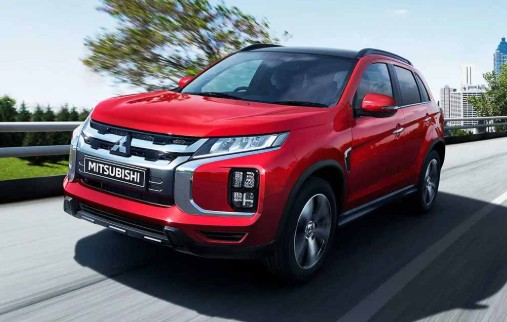
Let’s be real—buying a used car can feel like walking through a minefield blindfolded. One wrong step, and boom… you’re stuck with endless repairs, warning lights, and regret. That’s exactly why today we’re diving deep into the Mitsubishi ASX, uncovering the years to avoid, the hidden issues, and the smarter alternatives.
We’re not here to sugarcoat things. We’re here to help you avoid costly mistakes—and maybe even save you thousands.
Content in this publication
- Why the Mitsubishi ASX Became So Popular
- Quick Overview: Mitsubishi ASX Generations
- Mitsubishi ASX Years to Avoid (The Red Flags)
- Years That Require Caution (Not Bad, But Be Careful)
- The Turning Point: More Reliable ASX Years
- Common Mitsubishi ASX Problems (Across Multiple Years)
- Why These Problems Happened
- How to Spot a Problematic ASX Before Buying
- Best Mitsubishi ASX Years to Buy Instead
- Maintenance Tips to Avoid Problems
- Is the Mitsubishi ASX Still Worth Buying?
- How It Compares to Rivals
- Final Thoughts: Choose Smart, Not Fast
- Conclusion
- FAQs
Why the Mitsubishi ASX Became So Popular
Before we point fingers at the problematic years, let’s understand why the ASX gained traction in the first place.
A Compact SUV That Promised Everything
- Affordable pricing
- Practical size
- Decent fuel economy
- Reliable Japanese engineering
Sounds perfect, right? Well… not always.
The Reality Behind the Reputation
While Mitsubishi built a solid reputation for durability, the ASX didn’t escape growing pains—especially in its early years.
Quick Overview: Mitsubishi ASX Generations
Understanding the timeline helps us pinpoint the trouble spots.
First Generation (2010–Present, with multiple facelifts)
- Introduced globally in 2010
- Known as RVR (Japan) and Outlander Sport (USA)
- Several updates but same core platform
And that’s important—the same base means some issues lingered longer than they should have.
Mitsubishi ASX Years to Avoid (The Red Flags)
Let’s get straight to it—the years you should approach with caution (or avoid entirely).
🚫 2011 Mitsubishi ASX – The Early Troublemaker
The first full production year had several teething problems.
Common Issues
- CVT transmission hesitation
- Engine stalling complaints
- Poor throttle response
- Interior quality concerns
👉 This year feels like a beta version released too soon.
🚫 2012 Mitsubishi ASX – Problems Persist
You’d expect improvements… but not quite.
What We Noticed
- Continued CVT reliability concerns
- Electrical glitches (dashboard warnings, sensors)
- Suspension noise issues
👉 Think of it as 2011’s slightly less chaotic sibling—but still problematic.
🚫 2013 Mitsubishi ASX – Not Quite Fixed Yet
By now, Mitsubishi had time to fix things… but some issues lingered.
Recurring Complaints
- Transmission jerking
- Premature brake wear
- Cabin rattles
👉 Not disastrous—but not confidence-inspiring either.
Years That Require Caution (Not Bad, But Be Careful)
These aren’t outright failures, but they demand a closer inspection.
You may be interested in reading Mitsubishi ASX Insurance Group: The Real Cost of Covering This Compact SUV
⚠️ 2014–2015 Models
- Improved reliability overall
- Still occasional CVT quirks
- Some infotainment bugs
👉 A step forward—but not bulletproof.
⚠️ 2016–2017 Models
- Facelift improved design
- Better tech and comfort
- Minor electrical annoyances
👉 Generally decent, but check service history carefully.
The Turning Point: More Reliable ASX Years
Now for the good news—some ASX models are actually worth considering.
✅ 2018–2020 Models
- Improved transmission tuning
- Better interior materials
- Fewer reported issues
👉 This is where the ASX starts feeling refined.
✅ 2021 and Newer
- Updated styling
- Improved tech features
- More consistent reliability
👉 These models feel like the ASX finally matured.
Common Mitsubishi ASX Problems (Across Multiple Years)
Even outside the worst years, some issues pop up repeatedly.
Transmission (CVT) Issues
- Slipping
- Delayed acceleration
- Overheating
👉 The CVT is the ASX’s Achilles’ heel.
Engine Performance Problems
- Lack of power (especially uphill)
- Rough idling in early models
Suspension and Ride Quality
- Noisy suspension components
- Premature wear on bushings
Interior and Build Quality
- Cheap plastics (early years)
- Rattles and squeaks
Why These Problems Happened
Let’s connect the dots.
Platform Aging
The ASX stayed on the same platform for years—great for cost, bad for innovation.
CVT Limitations
Mitsubishi relied heavily on CVT transmissions, which are:
- Efficient
- Smooth (when working properly)
- But prone to wear
Cost-Cutting Measures
To keep prices competitive, some materials and components were… let’s say, “budget-friendly.”
How to Spot a Problematic ASX Before Buying
Buying used? Here’s your checklist.
🔍 What to Inspect
- Transmission behavior (test drive is crucial)
- Service history (especially CVT fluid changes)
- Dashboard warning lights
- Suspension noise
🚗 Test Drive Red Flags
- Jerky acceleration
- Delayed throttle response
- Vibrations at low speeds
👉 If it doesn’t feel smooth, walk away.
Best Mitsubishi ASX Years to Buy Instead
Let’s flip the script—what should you actually buy?
Top Picks
- 2018
- 2019
- 2020
- 2021+
Why These Stand Out
- Improved reliability
- Better refinement
- Fewer complaints
👉 These years give you the ASX experience without the headaches.
You may be interested in readingMitsubishi ASX Insurance Group: The Real Cost of Covering This Compact SUVYou may be interested in reading
Mitsubishi ASX 1.6 Petrol Reliability: The Honest Long-Term Ownership VerdictMaintenance Tips to Avoid Problems
Even a good year can turn bad without proper care.
Keep It Running Smooth
- Change CVT fluid regularly
- Don’t ignore warning lights
- Service on schedule
Driving Habits Matter
- Avoid aggressive acceleration
- Let the engine warm up
- Drive smoothly (CVTs love that)
Is the Mitsubishi ASX Still Worth Buying?
Short answer? Yes—but with conditions.
When It Makes Sense
- You find a well-maintained newer model
- You want affordability over luxury
- You prioritize practicality
When to Skip It
- Early models with poor service history
- Signs of transmission issues
- Suspiciously low prices (there’s always a reason)
How It Compares to Rivals
Let’s be honest—the ASX isn’t alone in this segment.
Competitors to Consider
- Nissan Qashqai
- Hyundai Tucson
- Mazda CX-5
Where ASX Wins
- Price
- Simplicity
Where It Falls Short
- Power
- Interior quality
- Driving excitement
Final Thoughts: Choose Smart, Not Fast
Buying a car isn’t just about what looks good in photos—it’s about what holds up over time.
The Mitsubishi ASX isn’t a bad SUV… but it’s not flawless either.
👉 Avoid the early years (2011–2013)
👉 Be cautious with mid-range models
👉 Aim for 2018 or newer
If you follow that simple strategy, you’ll likely enjoy the ASX without the stress.
Conclusion
We’ve all been tempted by a “great deal” that later turns into a financial nightmare. The Mitsubishi ASX teaches us one thing clearly: not all model years are created equal.
Stick with the right years, inspect carefully, and you’ll turn a risky purchase into a smart investment.
Because in the end, it’s not just about buying a car—it’s about buying peace of mind.
FAQs
1. What Mitsubishi ASX years should I avoid the most?
The worst years are typically 2011, 2012, and 2013 due to transmission and reliability issues.
2. Is the Mitsubishi ASX reliable overall?
Yes, but mainly in newer models (2018 and later). Early models are less dependable.
3. What is the biggest issue with the ASX?
The CVT transmission is the most commonly reported problem across multiple years.
4. Are newer Mitsubishi ASX models better?
Absolutely. Models from 2018 onward show noticeable improvements in reliability and comfort.
5. Is it expensive to maintain a Mitsubishi ASX?
Not particularly, but neglecting maintenance—especially the transmission—can lead to costly repairs.
You may be interested in readingMitsubishi ASX Insurance Group: The Real Cost of Covering This Compact SUVYou may be interested in reading
Mitsubishi ASX 1.6 Petrol Reliability: The Honest Long-Term Ownership VerdictYou may be interested in reading
Mitsubishi ASX 1.8D Reliability: The Honest Long-Term Ownership GuideIf you want to know other articles similar to Mitsubishi ASX Years to Avoid: The Honest Buyer’s Guide We Wish We Had you can visit the category Blog.
Volvo S90 Reliability: Problems, Costs & Best Years
Is Haval Jolion a Good Car? Honest Review, Reliability, Pros and Cons
How to Start Haval Jolion With Spare Key: Complete Guide
How to Calculate Per Diem on an Auto Loan

How to Calculate the Residual Value of a Car

Is the Honda Passport Selling Well? Sales Numbers Tell the Story
Leave a Reply
More content of your interest