

Mitsubishi ASX Insurance Group: The Real Cost of Covering This Compact SUV

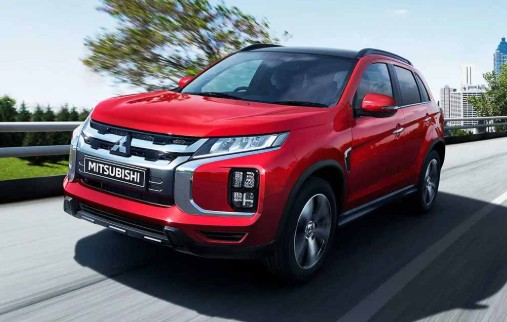
When we think about owning a car like the Mitsubishi ASX, insurance isn’t exactly the glamorous part—but it’s one of the most important. It’s like the invisible safety net beneath a tightrope walker: you don’t notice it until you need it.
So, how does the Mitsubishi ASX stack up when it comes to insurance groups? Is it budget-friendly, or does it sneak into pricier territory? Let’s unpack everything—from insurance group ratings to real-world costs—and help you understand what you’re actually signing up for.
Content in this publication
- Understanding Insurance Groups: The Basics We Should Know
- Where Does the Mitsubishi ASX Sit in Insurance Groups?
- How the Mitsubishi ASX Compares to Rivals
- Key Factors That Influence ASX Insurance Costs
- Real-World Insurance Costs: What We Actually Pay
- Trim Levels and Their Insurance Impact
- Manual vs Automatic: Does It Matter?
- Petrol vs Diesel: Insurance Differences
- Tips to Lower Your Mitsubishi ASX Insurance
- Is the Mitsubishi ASX a Good Choice for New Drivers?
- How Location Impacts ASX Insurance
- Mileage and Usage: A Silent Cost Factor
- Optional Extras That Raise Insurance Costs
- Insurance Group vs Actual Cost: Not Always the Same
- Is the Mitsubishi ASX Expensive to Insure Overall?
- Who Should Consider the ASX from an Insurance Perspective?
- Long-Term Ownership and Insurance Stability
- Closing Thoughts: Is the ASX Worth It?
- FAQs About Mitsubishi ASX Insurance Group
Understanding Insurance Groups: The Basics We Should Know
What Are Car Insurance Groups?
Car insurance groups are essentially a classification system used by insurers to determine how expensive your premiums will be. Vehicles are placed into groups—typically ranging from 1 to 50 (in the UK system)—where:
- Group 1 = Cheapest to insure
- Group 50 = Most expensive to insure
Think of it like hotel stars—the higher the number, the more you’re paying.
Why Do Insurance Groups Matter So Much?
Insurance groups directly impact:
- Your monthly premium
- Your annual insurance cost
- Your risk profile as a driver
Even if two cars look similar, their insurance group can be wildly different—and so can your wallet afterward.
Where Does the Mitsubishi ASX Sit in Insurance Groups?
Typical Insurance Group Range for the ASX
The Mitsubishi ASX generally falls between:
- Insurance Group 15 to 25
This puts it right in the middle ground—not the cheapest, but far from the most expensive.
What Affects the ASX’s Insurance Group?
Different trims and engines shift the rating. For example:
- 1.6L petrol models → Lower insurance groups (around 15–18)
- 2.0L petrol or diesel variants → Slightly higher (20–25)
- Higher-spec trims (leather, tech upgrades) → Increased group
It’s like ordering coffee—the more extras you add, the higher the bill.
How the Mitsubishi ASX Compares to Rivals
Is the ASX Cheap to Insure Compared to Competitors?
Let’s stack it up against similar SUVs:
- Nissan Qashqai → Groups 13–22
- Hyundai Tucson → Groups 12–30
- Kia Sportage → Groups 12–28
Verdict:
The ASX sits comfortably in the middle—neither a bargain nor a budget-breaker.
Key Factors That Influence ASX Insurance Costs
1. Engine Size and Performance
More power = more risk (in the insurer’s eyes).
- Smaller engines → Lower premiums
- Larger engines → Higher premiums
2. Repair Costs and Parts Availability
The Mitsubishi Motors brand is known for reliability, but:
- Imported parts can sometimes increase repair costs
- Specialist repairs may affect premiums
Modern ASX models include:
- Lane departure warning
- Forward collision mitigation
- Stability control
These features can reduce insurance costs, acting like a built-in discount.
4. Theft Risk and Security Rating
Insurers love cars that are hard to steal.
You may be interested in reading Mitsubishi ASX 1.6 Petrol Reliability: The Honest Long-Term Ownership Verdict
The ASX typically scores well due to:
- Immobilizers
- Alarm systems
- Central locking
Real-World Insurance Costs: What We Actually Pay
Depending on your profile, expect:
- Young drivers (18–25): £1,200–£2,000+
- Experienced drivers (30+): £500–£900
- Low-risk drivers: Even lower with no claims
Why Two Drivers Pay Completely Different Prices
Insurance isn’t just about the car—it’s about you.
Factors include:
- Age
- Driving history
- Location
- Mileage
- Occupation
Same car, different story.
Trim Levels and Their Insurance Impact
Entry-Level Models: The Smart Budget Choice
Base trims are usually:
- Lower insurance group
- Cheaper to repair
- Less powerful
Perfect if you’re trying to keep costs down.
Mid-Range Models: The Sweet Spot
These offer:
- Balanced features
- Moderate insurance costs
- Better resale value
Top-Spec Models: Comfort vs Cost
Higher trims bring:
- Premium interiors
- Advanced tech
- Higher insurance groups
Luxury always comes at a price.
Manual vs Automatic: Does It Matter?
Yes—more than you might think.
- Manual ASX models → Slightly cheaper to insure
- Automatic models → Higher repair costs, higher premiums
Petrol vs Diesel: Insurance Differences
Petrol Models
- Usually cheaper to insure
- Lower repair complexity
Diesel Models
- Slightly higher insurance groups
- Better for long-distance drivers
Tips to Lower Your Mitsubishi ASX Insurance
Smart Moves That Save Money
We can reduce premiums by:
- Increasing voluntary excess
- Adding a named experienced driver
- Parking in a garage
- Installing additional security
Driving Behavior Matters More Than We Think
- Avoid claims
- Build a no-claims bonus
- Drive responsibly
Over time, this can slash your costs dramatically.
Is the Mitsubishi ASX a Good Choice for New Drivers?
Pros
- Moderate insurance groups
- Good safety features
- Reliable performance
Cons
- Not the cheapest in its class
- Larger size may intimidate beginners
How Location Impacts ASX Insurance
Living in a busy city?
Expect higher premiums due to:
- Increased accident risk
- Higher theft rates
Rural areas? Usually cheaper.
Mileage and Usage: A Silent Cost Factor
Driving more = paying more.
You may be interested in readingMitsubishi ASX 1.6 Petrol Reliability: The Honest Long-Term Ownership VerdictYou may be interested in reading
Mitsubishi ASX 1.8D Reliability: The Honest Long-Term Ownership Guide- Low mileage → Lower premiums
- High mileage → Increased risk → Higher cost
Optional Extras That Raise Insurance Costs
Be careful with upgrades like:
- Alloy wheels
- Performance tuning
- Body kits
These can quietly bump your insurance group upward.
Insurance Group vs Actual Cost: Not Always the Same
Here’s the twist:
Insurance group is just a starting point.
Your actual premium depends on:
- Personal risk profile
- Insurer policies
- Discounts available
Is the Mitsubishi ASX Expensive to Insure Overall?
The Honest Answer
Not really.
The Mitsubishi ASX sits in a balanced position:
- Affordable for most drivers
- Slightly higher than entry-level hatchbacks
- Cheaper than luxury SUVs
Who Should Consider the ASX from an Insurance Perspective?
Ideal Buyers
- Families
- Commuters
- Drivers seeking reliability
Less Ideal Buyers
- Budget-first drivers
- Young drivers seeking ultra-low premiums
Long-Term Ownership and Insurance Stability
One underrated advantage?
The ASX has:
- Stable insurance group ratings
- Predictable repair costs
- Strong reliability reputation
That means fewer surprises over time.
Closing Thoughts: Is the ASX Worth It?
When we zoom out, the Mitsubishi ASX feels like that dependable friend—you may not notice it at first, but it consistently delivers when it matters.
Its insurance group sits comfortably in the middle, making it:
- Accessible
- Predictable
- Reasonable to own
It’s not the cheapest, but it won’t shock your budget either.
And honestly, that balance is exactly what many of us are looking for.
FAQs About Mitsubishi ASX Insurance Group
1. What insurance group is the Mitsubishi ASX in?
Typically between 15 and 25, depending on engine and trim.
2. Is the Mitsubishi ASX expensive to insure?
No—it’s considered moderately priced, especially compared to larger SUVs.
3. Which ASX model is cheapest to insure?
The 1.6L petrol base model usually has the lowest insurance group.
4. Does engine size affect ASX insurance?
Yes—larger engines generally mean higher premiums.
You may be interested in readingMitsubishi ASX 1.6 Petrol Reliability: The Honest Long-Term Ownership VerdictYou may be interested in reading
Mitsubishi ASX 1.8D Reliability: The Honest Long-Term Ownership GuideYou may be interested in reading
Mitsubishi ASX Hidden Features: The Secrets Your SUV Isn’t Telling You5. Is the ASX good for young drivers?
It can be, but smaller cars may offer cheaper insurance options.
If you want to know other articles similar to Mitsubishi ASX Insurance Group: The Real Cost of Covering This Compact SUV you can visit the category Blog.
Does Mercedes A-Class Have a Renault Engine?
Kia Sportage Gas Tank Size: Complete Guide
BMW X1 Life Expectancy: How Long Does It Last?
Is the Toyota Yaris Cross Reliable? 2026 Guide
Kia Sportage Weight Guide: Curb, Kerb & GVWR
Toyota RAV4 Gas Tank Size (Chart & Explanation)
Leave a Reply
More content of your interest