
BMW i3 Reliability: Is This Futuristic EV Built to Last?

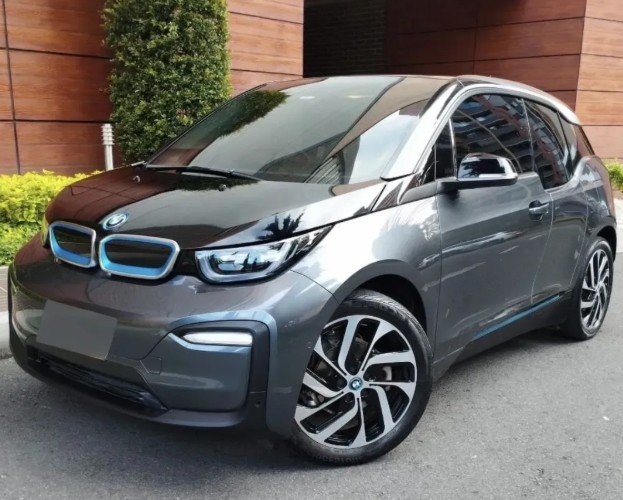
The BMW i3 arrived like a concept car that accidentally escaped onto public roads. With its carbon-fiber body, quirky cabin, rear-hinged doors, and whisper-quiet electric drivetrain, it looked more like a spaceship than a city car. Yet years after its launch, one question still echoes through forums, dealerships, and used-car listings alike: Is the BMW i3 reliable?
The answer is more nuanced than a simple yes or no. In some ways, the i3 is one of BMW’s most dependable modern vehicles. In others, it can feel like a highly intelligent robot that occasionally forgets where it left its keys.
Today, we will peel back the layers of this unconventional EV and explore what ownership truly feels like. From battery longevity to drivetrain durability, expensive repairs to common issues, we will uncover whether the BMW i3 deserves its growing cult following—or whether it is a financial trap disguised as futuristic engineering.
Content in this publication
- Why BMW i3 Reliability Matters More Than Ever
- A Quick Overview of the BMW i3
- Are BMW i3 Cars Generally Reliable?
- The Carbon Fiber Body: Surprisingly Durable
- BMW i3 Battery Reliability
- Battery Sizes Across Different Model Years
- Common BMW i3 Reliability Problems
- Range Extender Reliability: Better or Worse?
- Common REx Issues
- Is the Fully Electric Version More Reliable?
- BMW i3 Maintenance Costs
- The Tire Situation: A Hidden Ownership Cost
- How Reliable Is the BMW i3 in High Mileage Use?
- Early Model Years vs Later Model Years
- Software Reliability and Technology
- Charging Reliability
- How the BMW i3 Compares to Other EVs
- What Owners Love About BMW i3 Reliability
- What Owners Dislike About BMW i3 Reliability
- Should You Buy a Used BMW i3?
- Best BMW i3 Version for Reliability
- Can the BMW i3 Be Expensive to Repair?
- DIY Maintenance: Is It Easy?
- The Real Truth About BMW i3 Reliability
- Conclusion
- FAQs
Why BMW i3 Reliability Matters More Than Ever
The used EV market has become a battlefield. Buyers want affordable electric cars, but they also fear catastrophic battery failures and eye-watering repair costs. The BMW i3 sits right in the middle of this conversation.
Unlike many older electric vehicles, the i3 was engineered from scratch as an EV. BMW did not simply electrify a gasoline platform. Instead, it built a lightweight carbon-fiber machine with cutting-edge technology and premium materials.
That ambitious engineering created two realities:
- Some components are incredibly durable
- Others are surprisingly expensive when they fail
This contrast defines the i3 ownership experience.
A Quick Overview of the BMW i3
What Exactly Is the BMW i3?
The BMW i3 is a compact electric hatchback produced from 2013 to 2022. It came in two main configurations:
- Fully electric (BEV)
- Range Extender (REx) version with a small gasoline engine
The car focused heavily on sustainability and efficiency, featuring:
- Carbon-fiber reinforced plastic construction
- Recycled interior materials
- Rear-wheel drive layout
- Narrow low-resistance tires
- Instant electric torque
Even today, it still feels futuristic.
Are BMW i3 Cars Generally Reliable?
The Short Answer
Yes—the BMW i3 is generally considered reliable compared to many luxury BMW models.
That statement surprises people because BMW does not always enjoy the strongest reputation for long-term dependability. However, the i3 avoids many traditional BMW headaches because it lacks:
- Complex turbocharged engines
- Traditional automatic transmissions
- Timing chains
- Oil leaks common in combustion models
Electric motors are inherently simpler. The i3 benefits from that simplicity.
Still, reliability depends heavily on:
- Model year
- Maintenance history
- Battery health
- Whether it is BEV or REx
- Climate conditions
A well-maintained i3 can comfortably exceed 150,000 miles.
The Carbon Fiber Body: Surprisingly Durable
One of the i3’s Biggest Strengths
The i3 uses a carbon-fiber passenger cell called the “Life Module.” This sounds exotic because it is exotic.
Unlike steel, carbon fiber does not rust.
That means:
- No corrosion nightmares
- Strong structural rigidity
- Lightweight efficiency
- Excellent crash protection
In snowy or humid climates, this becomes a massive long-term advantage.
But There’s a Catch
Repair costs can be high after accidents.
Carbon fiber is not repaired the same way steel panels are. Specialized shops may be required, and insurance costs can sometimes reflect this.
Still, in terms of long-term durability, the body structure itself is exceptional.
BMW i3 Battery Reliability
How Long Does the Battery Last?
This is the question everyone asks.
Thankfully, the i3 battery has proven remarkably durable in real-world use.
Many owners report:
- Minimal degradation after 100,000 miles
- 80–90% battery health even after years of use
- Stable charging performance over time
BMW engineered aggressive thermal management systems that help preserve battery longevity.
Battery Sizes Across Different Model Years
Understanding the Evolution
BMW gradually improved battery capacity throughout production.
2014–2016 Models
- 22 kWh battery
- Shorter range
- Cheapest used prices
2017–2018 Models
- 33 kWh battery
- Improved practicality
- Better long-distance usability
2019–2022 Models
- 42.2 kWh battery
- Best range
- Most refined ownership experience
Later models tend to feel more reliable simply because BMW had already addressed early production issues.
Common BMW i3 Reliability Problems
Even good cars have weak spots. The i3 is no exception.
Motor Mount Issues
One of the most discussed early problems involved motor mounts.
Aggressive acceleration could stress the mounts, especially in earlier models.
Symptoms include:
- Clunking noises
- Drivetrain vibration
- Jerky acceleration feel
BMW improved the design in later production years.
Air Conditioning Compressor Failure
This is arguably the i3’s most infamous issue.
The AC compressor in the i3 does more than cool the cabin. It also helps manage battery temperature.
If it fails catastrophically, metal debris can contaminate the cooling system.
That can become very expensive.
Repair costs may range from:
- $2,000
- To over $6,000 in severe cases
This issue does not affect every i3, but it is important enough to inspect carefully before buying.
12V Battery Problems
Ironically, one of the biggest causes of BMW i3 breakdowns is not the high-voltage battery.
You may be interested in reading Can BMW i3 Run on Gas Only?
It is the small 12V battery.
When the 12V battery weakens, the car may display bizarre electrical behavior:
- Error messages
- Failure to start
- Charging issues
- Random system warnings
Fortunately, replacing it usually solves the problem.
Preventative replacement every few years is wise.
Range Extender Reliability: Better or Worse?
What Is the REx Model?
The Range Extender version includes a tiny two-cylinder gasoline engine that acts as a generator when battery levels drop.
It does not directly power the wheels.
This setup reduces range anxiety, but it also introduces additional complexity.
Common REx Issues
The REx engine itself is usually dependable if used properly, but problems can include:
- Fuel system issues
- Sensor failures
- Emissions-related warnings
- Maintenance neglect from infrequent use
Because many owners rarely use the gasoline engine, old fuel can create complications.
Think of it like a backup parachute. If you never inspect it, you cannot assume it will deploy perfectly.
Is the Fully Electric Version More Reliable?
Usually, Yes
The BEV-only version eliminates:
- Gas engine maintenance
- Oil changes
- Exhaust components
- Fuel system repairs
That simplicity generally improves reliability.
For most buyers, the fully electric model is the safer long-term ownership choice.
BMW i3 Maintenance Costs
Cheaper Than Traditional BMWs
This is where the i3 surprises many people.
Maintenance is often far lower than expected because EVs have fewer moving parts.
Routine maintenance may include:
- Cabin air filters
- Brake fluid changes
- Tire replacement
- Coolant service
- 12V battery replacement
There are no:
- Spark plugs
- Engine oil changes
- Timing belts
- Transmission servicing
Unique Tire Sizes
The i3 uses narrow eco-focused tires designed specifically for efficiency.
This creates two issues:
- Limited brand availability
- Higher replacement costs
Owners often report faster tire wear due to instant electric torque.
If you drive enthusiastically, rear tires may disappear faster than ice cream on a summer afternoon.
How Reliable Is the BMW i3 in High Mileage Use?
Can It Reach 200,000 Miles?
Yes, it can.
Several high-mileage examples have already crossed impressive thresholds.
The key factors are:
- Proper battery management
- Regular maintenance
- Cooling system health
- Gentle charging habits
Electric drivetrains generally age more gracefully than combustion engines.
The i3’s lightweight design also reduces stress on components.
Early Model Years vs Later Model Years
Which BMW i3 Years Are Most Reliable?
Not all i3 model years are equal.
Best Years
- 2019
- 2020
- 2021
- 2022
These benefit from:
- Larger batteries
- Improved motor mount design
- Software refinements
- Better overall reliability
Years Requiring More Caution
- 2014
- 2015
These earlier models experienced more growing pains.
That does not mean they are bad cars—but inspections become more important.
Software Reliability and Technology
Does the Tech Hold Up Well?
Mostly yes.
The infotainment system still feels modern, especially compared to other EVs from the same era.
However, some owners report:
- Occasional connectivity glitches
- Navigation bugs
- Sensor errors
- Charging communication issues
Fortunately, many software-related concerns can be fixed through updates or resets.
Charging Reliability
Can the BMW i3 Handle Daily Charging?
Absolutely.
The i3 was designed for urban life.
Most owners charge:
- Overnight at home
- With Level 2 chargers
- Using scheduled charging features
Fast charging capability varies by model year and configuration.
Charging systems themselves are generally reliable.
How the BMW i3 Compares to Other EVs
BMW i3 vs Nissan Leaf Reliability
The Nissan Leaf is cheaper to repair but may suffer greater battery degradation because early models lacked liquid cooling.
You may be interested in readingCan BMW i3 Run on Gas Only?You may be interested in reading
BMW i3 Years to Avoid: The Complete Buyer’s Guide to Smart OwnershipThe i3 often maintains battery health better.
BMW i3 vs Tesla Model 3 Reliability
The Tesla Model 3 offers longer range and better charging infrastructure.
However, many owners believe the i3’s interior build quality feels more premium and durable.
BMW i3 vs Chevrolet Bolt Reliability
The Chevrolet Bolt EV is simpler and practical, but the i3 feels more special and upscale.
The Bolt may win on pure cost efficiency, while the i3 wins on personality.
What Owners Love About BMW i3 Reliability
Positive Ownership Traits
Owners frequently praise:
- Strong battery durability
- Minimal maintenance
- Excellent city maneuverability
- Durable interior materials
- Efficient energy usage
Many also mention how the car continues feeling modern years later.
That is rare in automotive design.
What Owners Dislike About BMW i3 Reliability
Recurring Complaints
Some frustrations repeatedly appear in owner discussions:
- Expensive dealer repairs
- Limited tire choices
- Occasional electronic gremlins
- High insurance costs
- Expensive AC compressor failures
Luxury engineering sometimes comes with luxury repair bills.
Should You Buy a Used BMW i3?
Yes—But Shop Carefully
A used BMW i3 can be an outstanding value.
However, buying blindly is risky.
Before purchasing:
- Check battery health
- Inspect AC system operation
- Review maintenance records
- Confirm software updates
- Examine tire wear
- Test charging functionality
A pre-purchase inspection from a BMW EV specialist is highly recommended.
Best BMW i3 Version for Reliability
Our Recommended Sweet Spot
For many buyers, the ideal balance is:
- 2019 or newer
- Fully electric BEV model
- Moderate mileage
- Clean maintenance history
These versions combine:
- Better range
- Improved reliability
- More refined software
- Fewer early-production flaws
Can the BMW i3 Be Expensive to Repair?
Unfortunately, Yes
The i3 is reliable in many ways, but repair costs can sting.
Parts like:
- Carbon-fiber components
- Specialized electronics
- Cooling system parts
- AC compressors
can become costly outside warranty coverage.
This is not a cheap economy EV.
It is a premium German electric vehicle wearing sustainable clothing.
DIY Maintenance: Is It Easy?
Some Tasks Are Surprisingly Simple
Owners comfortable with basic maintenance can handle:
- Cabin filters
- 12V battery replacement
- Brake inspections
- Tire rotations
However, high-voltage repairs should always remain in professional hands.
Electric systems are not something we casually experiment with in the garage after watching two YouTube videos and drinking coffee at midnight.
The Real Truth About BMW i3 Reliability
A Car Full of Contradictions
The BMW i3 is:
- Weird yet practical
- Fragile-looking yet structurally strong
- Premium yet minimalist
- Expensive yet efficient
Reliability reflects those contradictions.
It is not flawless. But it is far more dependable than many people expect from a futuristic BMW.
When properly maintained, the i3 can become one of the most satisfying urban EVs ever made.
Conclusion
The BMW i3 has matured into something unusual in the automotive world: a genuinely distinctive electric car that still feels innovative years after launch.
Its reliability story is mostly positive.
The battery system has aged impressively well. The electric drivetrain is durable. The carbon-fiber construction resists rust and wear beautifully. Maintenance costs are often lower than traditional BMW ownership.
Still, buyers must remain aware of potential trouble spots like AC compressor failures, early motor mount issues, and expensive specialized repairs.
Ultimately, the BMW i3 rewards informed ownership. Treat it carefully, maintain it properly, and it can deliver years of dependable, efficient, and surprisingly joyful driving.
Like a clever architect living in a tiny modern house, the i3 does not try to be conventional. It tries to be smart.
And in many ways, it succeeds brilliantly.
FAQs
Is the BMW i3 reliable long term?
Yes, many BMW i3 models have proven highly reliable long term, especially later model years with proper maintenance.
How long does a BMW i3 battery last?
Most BMW i3 batteries can last well over 100,000 miles with relatively low degradation.
What is the most common BMW i3 problem?
Common concerns include AC compressor failure, 12V battery issues, and early motor mount wear.
Is the BMW i3 expensive to maintain?
Routine maintenance is usually affordable, but major repairs can become expensive due to specialized components.
Which BMW i3 year is best for reliability?
2019–2022 models are generally considered the best for reliability thanks to larger batteries and refined engineering.
You may be interested in readingCan BMW i3 Run on Gas Only?You may be interested in reading
BMW i3 Years to Avoid: The Complete Buyer’s Guide to Smart OwnershipYou may be interested in reading
 Volkswagen ID.4 Reliability
If you want to know other articles similar to BMW i3 Reliability: Is This Futuristic EV Built to Last? you can visit the category Blog.
Volvo S90 Reliability: Problems, Costs & Best Years
Is Haval Jolion a Good Car? Honest Review, Reliability, Pros and Cons
How to Start Haval Jolion With Spare Key: Complete Guide
How to Calculate Per Diem on an Auto Loan

How to Calculate the Residual Value of a Car

Is the Honda Passport Selling Well? Sales Numbers Tell the Story
Leave a Reply
More content of your interest