
Can BMW i3 Run on Gas Only?

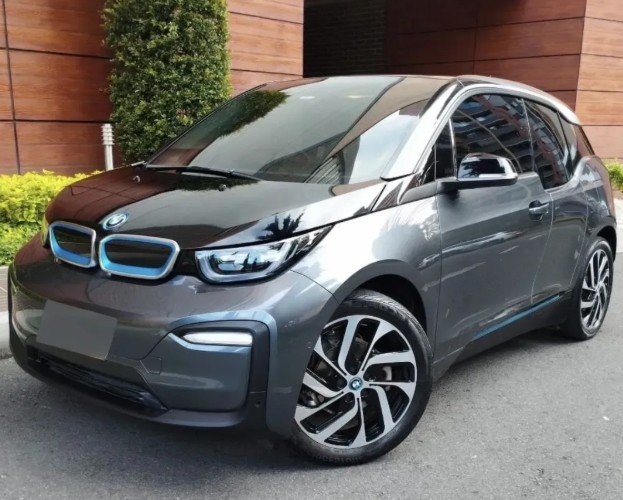
The BMW i3 is one of those cars that feels like it arrived from the future before the rest of the world was ready. Its carbon-fiber body, quirky cabin, and whisper-quiet electric drive made it unlike anything else on the road. But one question still follows the i3 everywhere:
Can BMW i3 run on gas only?
It’s a fair question. After all, some versions of the i3 came with a gasoline-powered range extender engine. That tiny engine created confusion for buyers, especially those shopping used models today. Some drivers think the i3 behaves like a traditional hybrid. Others believe it can operate as a full gasoline vehicle once the battery runs low.
The truth sits somewhere in the middle — and understanding it can save us from expensive misunderstandings, range anxiety, and even buying the wrong version entirely.
Let’s unpack exactly how the BMW i3 works, whether it can drive on gasoline alone, and what happens when the battery runs out.
Content in this publication
- Understanding the BMW i3 Powertrain
- What Is the BMW i3 Range Extender?
- Can the BMW i3 Run on Gas Only?
- Why the BMW i3 Is Not a Traditional Hybrid
- How the Gas Engine Actually Works
- Can You Drive the BMW i3 Without Charging It?
- What Happens When the BMW i3 Battery Dies Completely?
- BMW Designed the i3 as an EV First
- Difference Between BMW i3 BEV and BMW i3 REx
- How Far Can the BMW i3 Go on Gas?
- Why Some Drivers Think the BMW i3 Runs on Gas Alone
- Can You Force the BMW i3 to Use Gas Earlier?
- Performance When Running on the Range Extender
- Can the BMW i3 Recharge Its Battery While Driving on Gas?
- Is the BMW i3 REx Good for Long Trips?
- Fuel Economy of the BMW i3 REx
- Can the BMW i3 Operate With a Bad Battery?
- Why BMW Limited the Range Extender
- Can You Daily Drive an i3 Without Plugging In?
- Battery Range vs Gas Range
- How the BMW i3 Compares to Plug-In Hybrids
- Common Myths About the BMW i3 Running on Gas
- Should You Buy a BMW i3 REx?
- The Real Purpose of the BMW i3 Range Extender
- Final Thoughts on Whether the BMW i3 Can Run on Gas Only
- FAQs
Understanding the BMW i3 Powertrain
Before we answer the gas-only question directly, we need to understand how BMW designed the i3 in the first place.
The i3 was primarily engineered as an electric vehicle. Everything about it revolves around electric propulsion:
- The wheels are powered by an electric motor
- The battery pack is the main energy source
- Instant torque defines the driving experience
- Charging is central to ownership
BMW later introduced a version called the BMW i3 REx (Range Extender). This model added a small gasoline engine intended to support the battery when charge levels became critically low.
That detail matters enormously.
The gas engine was never designed to independently power the wheels like a conventional gasoline car.
What Is the BMW i3 Range Extender?
The Range Extender, often called the “REx,” is a tiny 647cc two-cylinder gasoline engine borrowed from BMW’s motorcycle division.
Its role is simple:
- Generate electricity
- Feed power to the battery system
- Help extend driving range
Think of it like a portable generator living inside the car.
Instead of directly moving the wheels, it creates electricity that supports the electric drivetrain.
That means the i3 remains an electric vehicle even when gasoline is involved.
Can the BMW i3 Run on Gas Only?
The Short Answer
No, the BMW i3 cannot truly run on gas only.
Even in Range Extender models, the gasoline engine does not directly propel the vehicle. The car always relies on its electric motor and battery system for movement.
Without a functioning battery, the i3 will not operate normally.
Why the BMW i3 Is Not a Traditional Hybrid
This is where many people get confused.
Cars like the <entity>Toyota Prius</entity> are hybrids because both the gasoline engine and electric motor can help drive the wheels.
The BMW i3 REx works differently.
In the i3 REx:
- The electric motor always drives the wheels
- The gas engine only generates electricity
- Battery power remains essential
So while gasoline helps extend range, it does not transform the i3 into a normal gas-powered car.
It’s more accurate to describe the i3 REx as:
- An electric car with a backup generator
- A series hybrid
- An EV with emergency gasoline support
That distinction changes everything about ownership expectations.
How the Gas Engine Actually Works
When battery charge drops to a low threshold, the gasoline engine automatically activates.
Its purpose is to:
- Maintain battery charge
- Prevent rapid battery depletion
- Allow continued driving to a charger
However, the engine produces limited power. It was not designed for endless highway cruising under heavy load.
Imagine trying to refill a bathtub with a garden hose while someone pulls the drain plug open. That’s somewhat similar to how the REx system behaves during aggressive driving.
Can You Drive the BMW i3 Without Charging It?
Technically, some owners try to rely heavily on gasoline after the battery reaches low levels.
But the answer is still mostly no.
Why?
Because the battery must maintain a minimum state of charge for the system to function properly.
The gas engine cannot:
- Fully replace the battery
- Rapidly recharge a dead battery
- Sustain high power demands indefinitely
Eventually, if the battery becomes too depleted, performance drops significantly.
What Happens When the BMW i3 Battery Dies Completely?
This is where things become serious.
If the battery reaches an extremely low or failed condition:
- The vehicle may reduce speed dramatically
- Warning messages appear
- The range extender may struggle to maintain power
- The car can eventually stop
Unlike conventional gasoline cars, the engine alone cannot rescue the vehicle indefinitely.
That’s why charging habits still matter even for REx owners.
BMW Designed the i3 as an EV First
BMW never intended the Range Extender to replace charging infrastructure.
Instead, it was designed to reduce range anxiety during the early EV era.
Back when charging stations were sparse, the REx system acted like a safety net.
It allowed drivers to:
- Reach the next charger
- Finish unexpected trips
- Avoid getting stranded
But BMW expected owners to charge regularly.
The gasoline engine was backup support — not the star of the show.
You may be interested in reading BMW i3 Years to Avoid: The Complete Buyer’s Guide to Smart Ownership
Difference Between BMW i3 BEV and BMW i3 REx
BMW i3 BEV (Battery Electric Vehicle)
This version has:
- No gasoline engine
- Pure electric operation
- Lower weight
- Slightly better efficiency
BMW i3 REx (Range Extender)
This version adds:
- Small gasoline engine
- Extra fuel tank
- Extended total driving range
- Slightly more complexity
The REx model offers flexibility, but it still behaves fundamentally as an electric vehicle.
How Far Can the BMW i3 Go on Gas?
This question needs careful wording because the gas engine doesn’t directly drive the car.
Instead, gasoline helps generate electricity to extend range.
Typical additional range from the gasoline engine varies by model year, but many i3 REx versions can add roughly:
- 60–90 miles (97–145 km)
Combined with battery range, total driving distance becomes much more practical.
Why Some Drivers Think the BMW i3 Runs on Gas Alone
Several factors create this misunderstanding.
1. The Engine Turns On Automatically
When drivers hear the engine activate, it feels like the car switched to gasoline power.
But the wheels are still electrically driven.
2. The Car Continues Driving After Battery Drops
The vehicle doesn’t stop immediately at low battery levels, making it appear gasoline-powered.
In reality, the engine is simply generating electricity fast enough to maintain operation temporarily.
3. Used Car Listings Can Be Misleading
Some sellers describe the i3 REx as a hybrid or gas-electric car.
That oversimplifies the system and can confuse buyers.
Can You Force the BMW i3 to Use Gas Earlier?
In some markets and software configurations, owners can manually activate the Range Extender earlier.
This feature is often called:
Hold State of Charge (HSOC)
It allows drivers to preserve battery charge before entering situations like:
- Long highway climbs
- Remote areas
- Cold-weather driving
However, this still doesn’t mean the car runs purely on gasoline.
The electric system remains central.
Performance When Running on the Range Extender
The i3 feels different once the REx activates.
Common Changes Include:
- Louder cabin noise
- Slightly reduced acceleration
- Increased strain during steep climbs
- Reduced efficiency
Under heavy loads, the generator may struggle to keep pace with power demand.
That’s why some drivers notice performance limitations at high speeds or mountainous terrain.
Can the BMW i3 Recharge Its Battery While Driving on Gas?
Yes — but only modestly.
The gasoline engine continuously generates electricity while operating.
Still, expectations should remain realistic.
The REx Is Not a Fast Charger
It cannot rapidly refill the battery pack the way plugging into a charger can.
Instead, it mostly maintains charge levels during driving.
That’s an important difference.
Is the BMW i3 REx Good for Long Trips?
Surprisingly, yes — within reason.
The Range Extender dramatically improves trip flexibility compared to the pure EV version.
Benefits for Road Trips
- Reduced range anxiety
- Fewer charging emergencies
- Greater route flexibility
- Backup power in remote areas
But it’s not perfect.
Limitations on Long Drives
The small gas engine can feel overwhelmed during:
- High-speed interstate driving
- Mountain climbs
- Heavy cargo loads
- Extreme weather conditions
It’s more marathon jogger than Olympic sprinter.
Fuel Economy of the BMW i3 REx
When the gasoline engine runs, efficiency remains relatively impressive.
Many owners report fuel economy around:
- 35–40 MPG
However, real-world numbers depend heavily on:
- Speed
- Terrain
- Temperature
- Battery condition
The i3’s lightweight construction helps keep consumption low.
Can the BMW i3 Operate With a Bad Battery?
This is one of the biggest misconceptions about the REx system.
Some people assume the gas engine can compensate for a failing battery.
Unfortunately, that’s not how the vehicle was engineered.
A Healthy Battery Is Essential
If the high-voltage battery becomes severely degraded or damaged:
- The car may enter limp mode
- Error messages may appear
- Power output can fall sharply
- The REx may not sustain operation
The gasoline engine depends on the battery architecture to function correctly.
Why BMW Limited the Range Extender
BMW intentionally restricted the REx engine’s role.
You may be interested in readingBMW i3 Years to Avoid: The Complete Buyer’s Guide to Smart OwnershipYou may be interested in reading
 Volkswagen ID.4 Reliability
There were several reasons:
Regulatory Compliance
The company wanted the i3 classified primarily as an electric vehicle in many markets.
Efficiency Goals
A tiny generator keeps weight and fuel usage low.
Preserving the EV Experience
BMW wanted drivers to enjoy silent electric performance rather than rely on combustion.
The i3 was never meant to become a mini gas hatchback.
Can You Daily Drive an i3 Without Plugging In?
Technically possible?
Sometimes.
Recommended?
Not really.
Relying heavily on the Range Extender creates several downsides:
- More engine wear
- Reduced efficiency
- Higher fuel costs
- Increased stress on the system
- Worse driving refinement
The i3 shines brightest when charged regularly.
Using the REx constantly is like using emergency stairs instead of the elevator every day. It works, but it misses the point of the building.
Battery Range vs Gas Range
Different i3 generations offer varying electric ranges.
Early Models
- Roughly 70–90 miles EV range
Later Models
- Up to around 150+ miles EV range
The later battery upgrades reduced dependence on the Range Extender significantly.
For many modern owners, gasoline becomes occasional insurance rather than daily necessity.
How the BMW i3 Compares to Plug-In Hybrids
The i3 REx sits in a strange automotive gray area.
Traditional Plug-In Hybrid
Examples include:
- <entity>Chevrolet Volt</entity>
- <entity>Toyota Prius Prime</entity>
These cars can often drive directly using gasoline power.
BMW i3 REx
- Electric motor always drives wheels
- Gas engine only supports electricity generation
- Battery system remains critical
That makes the i3 feel more futuristic — but also more misunderstood.
Common Myths About the BMW i3 Running on Gas
Myth 1: The i3 Is Basically a Hybrid
Not exactly. It behaves more like an EV with backup support.
Myth 2: You Never Need to Charge It
False. Charging remains essential for optimal performance and battery health.
Myth 3: The Gas Engine Can Fully Replace the Battery
Absolutely not. The battery remains the heart of the vehicle.
Myth 4: The REx Makes the i3 Ideal for Cross-Country Driving
It helps, but the car still performs best in urban and suburban environments.
Should You Buy a BMW i3 REx?
That depends on how we drive.
The REx Version Makes Sense If We:
- Fear charging gaps
- Take occasional long trips
- Want backup reassurance
- Live in areas with sparse chargers
The BEV Version Makes Sense If We:
- Mostly drive locally
- Have reliable home charging
- Prefer simplicity
- Want lower maintenance
Both versions deliver the quirky charm that made the i3 iconic.
The Real Purpose of the BMW i3 Range Extender
The REx system wasn’t designed to eliminate charging.
It was designed to eliminate panic.
That’s a huge distinction.
BMW understood early EV buyers worried about getting stranded. So instead of creating a full hybrid, they added a tiny safety blanket.
The result was a car that encouraged electric driving while softening the fear of empty batteries.
And honestly? That was pretty clever.
Final Thoughts on Whether the BMW i3 Can Run on Gas Only
So, can the BMW i3 run on gas only?
Not in the way most people imagine.
Even the Range Extender version remains fundamentally an electric car. The gasoline engine acts as a generator, not a traditional propulsion system. The wheels are always powered electrically, and the battery remains essential to operation.
That means:
- The i3 cannot behave like a normal gasoline car
- Charging still matters
- The battery system must remain healthy
- The gas engine serves as support, not replacement
The BMW i3 lives in a fascinating middle ground between old-school combustion and full electrification. It’s part EV, part experiment, part futuristic city car — and completely unlike almost anything else BMW has ever built.
For drivers who understand its philosophy, the i3 can feel brilliant. For those expecting a normal hybrid or gasoline vehicle, it can feel confusing.
Either way, one thing is certain:
The BMW i3 changed the conversation about electric mobility forever.
FAQs
Can a BMW i3 drive after the battery reaches zero?
In REx models, the gasoline generator may continue supporting the battery temporarily, but the car still relies on the electric system to operate.
Does the BMW i3 gas engine power the wheels directly?
No. The gasoline engine only generates electricity. The electric motor always drives the wheels.
Can you use a BMW i3 without charging it?
Technically possible for short periods in a REx model, but not recommended. The car performs best with regular charging.
Is the BMW i3 REx considered a hybrid?
It’s closer to a series hybrid or EV with a backup generator rather than a traditional hybrid vehicle.
You may be interested in readingBMW i3 Years to Avoid: The Complete Buyer’s Guide to Smart OwnershipYou may be interested in reading
Volkswagen ID.4 ReliabilityYou may be interested in reading
 Kia EV9 Insurance Group: What Owners Need to Know Before Buying
What happens if the BMW i3 battery fails completely?
The vehicle may lose power or stop operating properly because the gasoline engine cannot independently run the car.
If you want to know other articles similar to Can BMW i3 Run on Gas Only? you can visit the category Blog.
Volvo S90 Reliability: Problems, Costs & Best Years
Is Haval Jolion a Good Car? Honest Review, Reliability, Pros and Cons
How to Start Haval Jolion With Spare Key: Complete Guide
How to Calculate Per Diem on an Auto Loan

How to Calculate the Residual Value of a Car

Is the Honda Passport Selling Well? Sales Numbers Tell the Story
Leave a Reply
More content of your interest