

How Long Do BMW i3 Batteries Last?

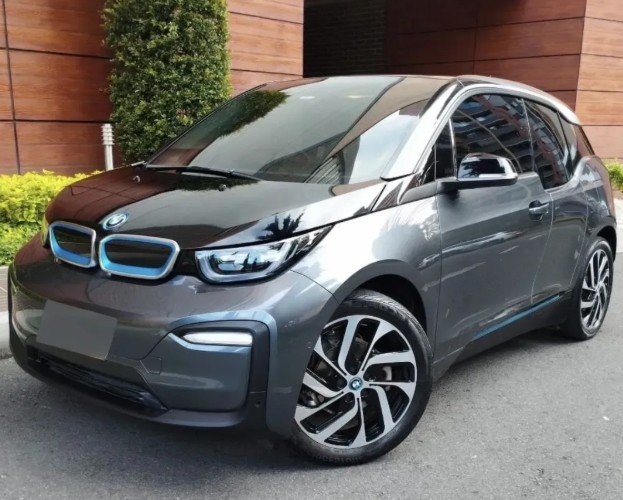
The battery inside the iconic BMW i3 is more than just a power source. It is the heartbeat of the car. Like the roots beneath a towering tree, the battery quietly supports everything while most drivers focus on range, charging speed, or sleek futuristic styling.
But eventually, every BMW i3 owner asks the same question:
How long do BMW i3 batteries actually last?
The answer is surprisingly reassuring. Most BMW i3 batteries can last 15 years or more with proper care, and many still retain excellent performance even after crossing 100,000 miles. Unlike old myths surrounding electric vehicles, modern EV batteries are not fragile ticking time bombs. In fact, the BMW i3 has built a strong reputation for battery longevity and reliability.
Let’s explore everything we need to know about BMW i3 battery lifespan, degradation, replacement costs, maintenance, charging habits, warning signs, and what real-world owners are experiencing years later.
Content in this publication
- Why The BMW i3 Battery Was Ahead Of Its Time
- Average Lifespan Of A BMW i3 Battery
- Understanding BMW i3 Battery Degradation
- How Fast Do BMW i3 Batteries Degrade?
- BMW i3 Battery Sizes Over The Years
- Does Fast Charging Damage BMW i3 Batteries?
- Climate Plays A Massive Role In Battery Longevity
- How BMW Protects The i3 Battery
- BMW i3 Battery Warranty Explained
- Real-World BMW i3 Battery Longevity
- Signs Your BMW i3 Battery May Be Aging
- Can BMW i3 Batteries Be Repaired?
- How Much Does A BMW i3 Battery Replacement Cost?
- Can You Upgrade A BMW i3 Battery?
- Best Habits To Extend BMW i3 Battery Life
- Driving Habits Matter More Than Many People Realize
- Does Mileage Or Age Matter More?
- How The BMW i3 Compares To Other EVs
- Range Extender Models And Battery Longevity
- What Happens When The Battery Finally Wears Out?
- Can BMW i3 Batteries Be Recycled?
- Should You Buy A Used BMW i3 Today?
- How To Check BMW i3 Battery Health
- The Future Of Aging BMW i3 Batteries
- Why BMW i3 Batteries Last Longer Than Many People Expect
- Conclusion
- FAQs
Why The BMW i3 Battery Was Ahead Of Its Time
When BMW launched the BMW i3 in 2013, it looked like a spaceship parked in a grocery store lot. Carbon fiber construction, sustainable materials, and a fully electric drivetrain made it feel years ahead of competitors.
But the real engineering marvel sat beneath the floor.
BMW designed the i3 battery with long-term durability in mind:
- Advanced liquid cooling system
- Sophisticated battery management software
- Conservative charging buffers
- Strong thermal regulation
- High-quality Samsung battery cells
These features were critical because heat is the silent assassin of lithium-ion batteries. By carefully managing temperatures, BMW dramatically slowed battery degradation.
The result? Many older BMW i3 models still operate remarkably well today.
Average Lifespan Of A BMW i3 Battery
Typical Expected Lifespan
Most BMW i3 batteries are expected to last:
- 10 to 15 years
- 100,000 to 200,000 miles
- Sometimes even longer under ideal conditions
That estimate depends on:
- Charging habits
- Climate
- Driving style
- Mileage
- Maintenance
- Battery size generation
The good news is that BMW engineered significant battery reserves into the pack, meaning the system rarely uses the battery’s full physical capacity. This helps reduce stress and preserve longevity.
Understanding BMW i3 Battery Degradation
Battery degradation sounds scary, but it is completely normal.
Think of it like aging muscles. Over time, batteries lose some capacity, but they do not suddenly stop working overnight.
What Is Battery Degradation?
Battery degradation refers to the gradual loss of energy storage capacity over time.
For example:
- A new BMW i3 might deliver 150 miles of range
- After several years, it may provide 130 miles instead
The battery still works perfectly. It simply stores slightly less energy.
How Fast Do BMW i3 Batteries Degrade?
The BMW i3 has shown relatively low degradation compared to many early EVs.
Typical degradation rates are:
| Mileage | Estimated Capacity Remaining |
|---|---|
| 50,000 miles | 90–95% |
| 100,000 miles | 80–90% |
| 150,000 miles | 70–85% |
Many owners report excellent battery health even after a decade of driving.
That is partly because BMW intentionally limited usable battery capacity to protect the cells from excessive stress.
BMW i3 Battery Sizes Over The Years
Not all BMW i3 batteries are identical. BMW improved battery technology multiple times during production.
2014–2016 BMW i3
- 60 Ah battery
- Approximate usable capacity: 18.8 kWh
- Real-world range: 70–90 miles
2017–2018 BMW i3
- 94 Ah battery
- Usable capacity: 27.2 kWh
- Real-world range: 110–140 miles
2019–2021 BMW i3
- 120 Ah battery
- Usable capacity: 37.9 kWh
- Real-world range: 150–180 miles
Later models naturally age better because larger batteries experience fewer deep charging cycles.
Does Fast Charging Damage BMW i3 Batteries?
This question sparks endless debates in EV circles.
The truth sits somewhere in the middle.
Occasional Fast Charging Is Fine
Using DC fast charging occasionally will not destroy your battery.
BMW designed the i3 to handle rapid charging safely.
However, constant fast charging may increase long-term wear because:
- Higher heat levels stress battery cells
- Frequent rapid charging accelerates chemical aging
- Repeated thermal cycling increases degradation
Best Charging Practice
For optimal battery health:
- Use Level 2 charging most of the time
- Reserve DC fast charging for road trips
- Avoid charging to 100% daily
- Avoid regularly draining below 10%
Think of the battery like an athlete. Moderate routines preserve strength longer than constant extremes.
Climate Plays A Massive Role In Battery Longevity
Weather affects every EV battery.
Hot Climates
Excessive heat is the biggest threat.
High temperatures can:
- Accelerate battery degradation
- Reduce long-term capacity
- Stress cooling systems
Cold Climates
Cold weather mainly affects temporary range rather than permanent damage.
In winter:
- Range decreases temporarily
- Charging slows down
- Efficiency drops
Fortunately, the BMW i3’s thermal management system helps reduce these issues significantly.
How BMW Protects The i3 Battery
BMW implemented several smart protections that many early EVs lacked.
Battery Cooling System
The BMW i3 uses liquid cooling to stabilize temperatures.
This is important because:
- Stable temperatures reduce degradation
- Batteries operate more efficiently
- Longevity improves dramatically
Charging Buffers
BMW does not allow the battery to fully charge or fully discharge physically.
Even when the dashboard says 100%, some hidden reserve remains untouched.
This invisible cushion protects battery chemistry over time.
BMW i3 Battery Warranty Explained
BMW offered strong battery warranty coverage for the i3.
Typical Battery Warranty
Most BMW i3 models include:
- 8 years
- 100,000 miles
Coverage usually applies if battery capacity falls below approximately 70%.
This warranty gave buyers confidence during the early EV adoption years.
Real-World BMW i3 Battery Longevity
Theory matters. Real-world experience matters even more.
Many long-term owners report:
- Minimal degradation
- Reliable daily driving
- Consistent charging performance
- Lower maintenance than gasoline vehicles
Some early 2014 models still retain over 80% battery health after more than 100,000 miles.
That is impressive for a first-generation mainstream EV.
Signs Your BMW i3 Battery May Be Aging
Even durable batteries eventually show signs of wear.
Common Symptoms
Reduced Driving Range
This is usually the first noticeable sign.
If your full-charge range drops significantly, degradation may be occurring.
Longer Charging Times
Aging batteries sometimes charge less efficiently.
Sudden Percentage Drops
Inconsistent state-of-charge readings can indicate cell imbalance.
Warning Lights
The vehicle may display battery system alerts if problems develop.
Can BMW i3 Batteries Be Repaired?
Yes, in some situations.
Battery packs are made of multiple modules, not one giant cell.
This means:
- Individual modules may sometimes be replaced
- Specialized shops can diagnose weak sections
- Full replacement is not always necessary
However, battery repairs require expert technicians because high-voltage systems can be dangerous.
How Much Does A BMW i3 Battery Replacement Cost?
Battery replacement costs vary widely.
Estimated Costs
- Refurbished battery: $5,000–$10,000
- New battery pack: $12,000–$20,000+
- Labor costs: additional expenses possible
Fortunately, full battery replacement is relatively uncommon.
Most owners never need one during normal ownership.
Can You Upgrade A BMW i3 Battery?
Some enthusiasts explore battery upgrades using newer battery packs.
For example:
- Older 60 Ah models may sometimes receive 94 Ah upgrades
- Specialized EV shops occasionally perform conversions
However:
- Costs can be high
- Compatibility varies
- Software coding may be required
Still, the possibility exists, which is fascinating for long-term ownership.
Best Habits To Extend BMW i3 Battery Life
Good habits can significantly improve battery longevity.
Smart Charging Tips
Avoid Constant 100% Charging
Keeping lithium-ion batteries at maximum charge constantly increases stress.
Try staying between:
- 20%
- 80%
for daily use when possible.
Limit Deep Discharges
Running the battery extremely low regularly can accelerate wear.
Use Scheduled Charging
Charging shortly before driving helps minimize time spent at full charge.
Driving Habits Matter More Than Many People Realize
Aggressive acceleration may be thrilling, but it also creates more heat and stress.
Efficient Driving Improves Battery Health
Smooth driving:
- Reduces thermal strain
- Preserves efficiency
- Extends range
- Minimizes charging frequency
The BMW i3 rewards calm, efficient driving beautifully.
Does Mileage Or Age Matter More?
Interestingly, battery age can matter just as much as mileage.
A low-mileage BMW i3 sitting unused for years may experience degradation too.
Batteries prefer moderate, regular use.
Think of them like musical instruments. They perform best when played consistently rather than abandoned in a dusty corner.
How The BMW i3 Compares To Other EVs
The BMW i3 generally performs well against early EV competitors.
Compared To Early Nissan Leafs
The BMW i3 typically ages better because:
- It uses liquid cooling
- Temperature management is superior
- Battery degradation is slower
Compared To Tesla Models
Tesla models often offer larger range, but the BMW i3 remains competitive in longevity and urban efficiency.
Range Extender Models And Battery Longevity
Some BMW i3 versions include the Range Extender (REx) gasoline engine.
Does The REx Affect Battery Life?
In some cases, yes positively.
Because:
- Drivers may rely less on deep discharges
- Long trips become easier
- Battery stress may decrease slightly
However, driving habits still matter more overall.
What Happens When The Battery Finally Wears Out?
The battery does not suddenly “die” like an old smartphone.
Instead:
- Range gradually decreases
- Efficiency slowly declines
- The vehicle remains usable for many years
Even at 70% capacity, many BMW i3 owners still comfortably handle daily commuting.
Can BMW i3 Batteries Be Recycled?
Yes, and this is one of the overlooked strengths of EV technology.
Battery materials can often be recovered and reused:
- Nickel
- Lithium
- Cobalt
- Copper
BMW has invested heavily in sustainability initiatives surrounding EV batteries.
This means the environmental story does not end when the battery ages.
Should You Buy A Used BMW i3 Today?
Absolutely — if the battery health checks out.
The BMW i3 remains one of the most unique EVs ever made.
Why It Still Makes Sense
- Excellent urban car
- Premium interior
- Lightweight carbon-fiber chassis
- Low operating costs
- Surprisingly durable batteries
What To Check Before Buying
Battery Health Report
Always inspect:
- Remaining capacity
- Charging history
- Error codes
Real-World Range
Compare actual range against factory estimates.
Service Records
A well-maintained i3 often ages gracefully.
How To Check BMW i3 Battery Health
Battery health can be evaluated using:
- BMW diagnostic software
- Third-party OBD apps
- Professional EV inspections
Important Metrics
Look for:
- State of Health (SOH)
- Maximum capacity
- Cell balance
- Charging performance
These metrics reveal far more than dashboard range estimates alone.
The Future Of Aging BMW i3 Batteries
As EV adoption grows, battery refurbishment technology is improving rapidly.
In the future we may see:
- Cheaper module repairs
- Affordable upgrades
- Expanded recycling
- Better diagnostic tools
The BMW i3 may ultimately become one of the most sustainable aging EVs on the road.
Why BMW i3 Batteries Last Longer Than Many People Expect
The biggest surprise surrounding the BMW i3 is simple:
Its battery longevity consistently exceeds expectations.
BMW approached the i3 like an engineering experiment rather than a compliance EV. That obsessive attention to detail helped create a battery system that remains impressively resilient more than a decade later.
For many owners, battery anxiety fades quickly after years of dependable performance.
The i3 proves that EV batteries are not disposable gadgets. They are durable, sophisticated systems built for the long haul.
Conclusion
So, how long do BMW i3 batteries last?
In most cases:
- 10–15 years minimum
- 100,000–200,000 miles
- Often retaining strong usability far beyond expectations
The BMW i3 battery has earned a reputation for durability thanks to:
- Excellent thermal management
- Conservative charging buffers
- High-quality engineering
- Smart software protections
Like a marathon runner pacing itself carefully, the i3 battery was designed for endurance rather than flashy short-term performance.
For current owners, that is reassuring.
For used buyers, it is encouraging.
And for the broader EV world, the BMW i3 stands as proof that electric cars can age far more gracefully than many skeptics once believed.
FAQs
How much battery degradation is normal for a BMW i3?
Most BMW i3 batteries lose around 10–20% capacity after 100,000 miles, though results vary depending on climate and charging habits.
Can a BMW i3 battery last 200,000 miles?
Yes. Some well-maintained BMW i3 models are expected to reach or exceed 200,000 miles with usable battery capacity remaining.
Is it expensive to replace a BMW i3 battery?
Battery replacement can cost anywhere from $5,000 to over $20,000 depending on whether the pack is refurbished or brand new.
Does fast charging hurt the BMW i3 battery?
Occasional fast charging is generally safe, but relying on it constantly may increase long-term battery wear.
Should I buy a high-mileage BMW i3?
A high-mileage BMW i3 can still be an excellent purchase if battery health is strong and maintenance records are solid.
If you want to know other articles similar to How Long Do BMW i3 Batteries Last? you can visit the category Service and Parts.
Nissan Rogue Oil Change Cost: Prices, Service Options, and What to Expect
Nissan Rogue Key Battery Replacement: Easy Step-by-Step Guide
Nissan Rogue Oil Change Interval: Complete Guide by Model Year
Nissan Rogue Brake Pads and Rotors Cost: Complete 2026 Guide

Kia Sorento Service Reset: How to Reset the Service Light
Kia Sorento Fuel Tank Capacity: Gallons, Litres and Model Differences
Leave a Reply
More content of your interest