
BMW i3 Insurance Group: What Every Owner Should Know Before Buying

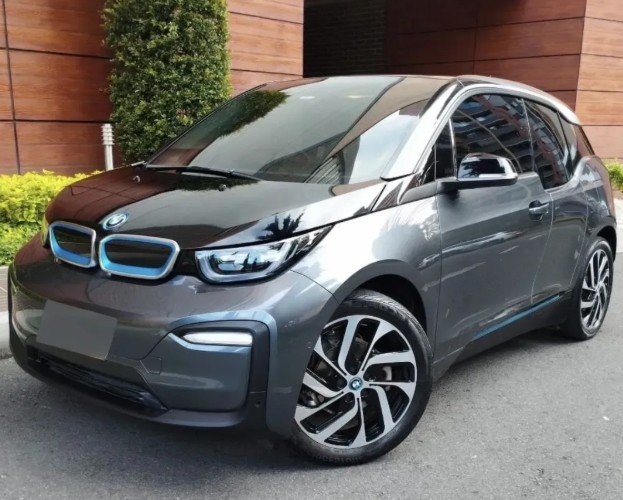
The BMW i3 is one of those rare cars that feels like it arrived from the future before the rest of the automotive world caught up. With its quirky design, lightweight carbon-fiber construction, and electric powertrain, it carved out a niche that still feels unique years after launch. But there’s one question many buyers quietly ask before signing paperwork or browsing insurance quotes late at night:
What insurance group is the BMW i3 in, and how expensive is it to insure?
That question matters more than many people realize. Insurance costs can quietly transform an affordable electric car into a surprisingly expensive ownership experience. The BMW i3 may save us money at the charging station, but premiums can swing dramatically depending on trim level, driver profile, repair costs, and even postcode.
In this guide, we’ll explore everything surrounding the BMW i3 insurance group—from the official group ratings to real-world insurance costs, hidden factors affecting premiums, and practical ways we can lower expenses without sacrificing coverage.
Content in this publication
- Understanding Insurance Groups in Simple Terms
- Which Insurance Group Is the BMW i3 In?
- Why the BMW i3 Sits in Higher Insurance Groups
- BMW i3 Insurance Groups by Model Variant
- Is the BMW i3 Expensive to Insure Compared to Rivals?
- Factors That Affect BMW i3 Insurance Costs
- Age and Driving Experience
- Location Matters More Than You Think
- Annual Mileage Changes Everything
- Charging Location Can Influence Insurance
- How Much Does BMW i3 Insurance Usually Cost?
- Why Electric Cars Sometimes Cost More to Insure
- Can the BMW i3 Be Cheap to Insure?
- BMW i3 Insurance for Young Drivers
- Does the BMW i3 Have Good Safety Ratings?
- How the Range Extender Version Affects Insurance
- BMW i3 Depreciation and Insurance
- Common Insurance Mistakes BMW i3 Owners Make
- Fully Comprehensive vs Third Party for the BMW i3
- Is the BMW i3 Worth the Insurance Cost?
- Future Insurance Trends for the BMW i3
- Should We Worry About BMW i3 Insurance Groups?
- Conclusion
- FAQs
Understanding Insurance Groups in Simple Terms
Before diving into the BMW i3 specifically, we need to understand how insurance groups work.
In the UK, cars are categorized into insurance groups ranging from 1 to 50:
- Group 1 = cheapest to insure
- Group 50 = most expensive to insure
These groups are determined by factors such as:
- Repair costs
- Vehicle performance
- Safety systems
- Replacement part prices
- Theft risk
- Acceleration and top speed
Think of insurance groups like hotel star ratings—but instead of measuring luxury, they measure risk.
A small city car with modest performance sits near the bottom. A high-performance luxury sports car climbs toward the top like a rocket strapped to a credit card.
Which Insurance Group Is the BMW i3 In?
The BMW i3 typically falls between insurance groups 21 and 29, depending on model year and trim.
Here’s a rough breakdown:
| BMW i3 Model | Typical Insurance Group |
|---|---|
| BMW i3 60Ah | Group 21–23 |
| BMW i3 94Ah | Group 24–26 |
| BMW i3 120Ah | Group 27–29 |
| BMW i3s | Group 28–30 |
While those figures are not outrageously high, they are certainly not bargain-basement either.
The i3 lives in an interesting middle ground. It isn’t a supercar, yet insurers don’t treat it like an economy hatchback. Why? Because beneath its compact footprint hides sophisticated—and expensive—technology.
Why the BMW i3 Sits in Higher Insurance Groups
At first glance, the i3 looks tiny. Many buyers assume small automatically means cheap to insure.
Not quite.
The BMW i3 is like a compact apartment filled with luxury furniture. The outside appears modest, but the contents tell another story.
Carbon Fiber Construction Raises Costs
One major reason for the higher insurance group is the car’s carbon-fiber reinforced plastic structure.
Unlike traditional steel-bodied cars, repairing carbon fiber is specialized and expensive. Even minor damage can lead to higher repair bills.
Insurers know this.
And insurers rarely miss an opportunity to charge more when repair complexity enters the equation.
Electric Vehicle Technology Isn’t Cheap
The i3’s battery systems, electronics, and regenerative braking components require technicians trained in EV repair.
That means:
- Specialized labor
- Expensive diagnostic equipment
- Higher parts costs
A routine accident repair on an EV can cost substantially more than on a conventional petrol hatchback.
The badge matters too.
BMW is considered a premium manufacturer, and insurers often associate premium brands with:
- Higher repair costs
- Pricier replacement parts
- More expensive claims
Even though the i3 isn’t a performance monster, the BMW logo nudges insurance costs upward.
BMW i3 Insurance Groups by Model Variant
Not all i3 models are treated equally by insurers.
BMW i3 60Ah Insurance Group
The original 60Ah version generally lands in the lower part of the i3 insurance spectrum.
Typical Characteristics
- Smaller battery
- Lower value today
- Reduced replacement costs
- Slower acceleration compared to newer models
For younger drivers or budget-conscious buyers, this version often offers the cheapest premiums.
BMW i3 94Ah Insurance Group
The 94Ah model increased battery capacity and range, making it more desirable.
However, desirability often equals higher insurance.
Why Costs Rise
- Higher market value
- More advanced battery pack
- Increased repair exposure
It still remains manageable compared to many luxury EVs.
BMW i3 120Ah Insurance Group
The 120Ah variant brought the best range in the standard i3 lineup.
But with newer technology and higher resale values came increased insurance groups.
What Insurers Consider
- More expensive battery replacement
- Stronger performance
- Higher purchase prices
This version usually approaches the upper-20s insurance range.
BMW i3s Insurance Group
The sporty BMW i3s pushes insurance costs higher again.
Why?
Because insurers dislike one thing almost as much as expensive repairs:
Fast acceleration.
The i3s features:
- More power
- Sharper suspension
- Sportier tuning
- Aggressive styling
To insurers, “sporty” often translates into “higher claim risk.”
Is the BMW i3 Expensive to Insure Compared to Rivals?
The answer depends on what we compare it against.
Compared to Small Petrol Hatchbacks
Against cars like:
- Ford Fiesta
- Volkswagen Polo
- Toyota Yaris
…the i3 is definitely more expensive to insure.
That’s because traditional small hatchbacks:
You may be interested in reading BMW i3 Reliability: Is This Futuristic EV Built to Last?
- Use cheaper parts
- Have simpler repairs
- Are easier to fix
The i3 is essentially a high-tech gadget on wheels.
Against rivals like:
- Tesla Model 3
- Nissan Leaf
- Mini Electric
…the BMW i3 sits somewhere in the middle.
It’s often:
- Cheaper to insure than a Tesla
- Slightly pricier than a Nissan Leaf
- Comparable to other premium compact EVs
Factors That Affect BMW i3 Insurance Costs
Insurance groups are only part of the equation.
Your actual premium depends on several personal factors.
Age and Driving Experience
Young drivers often face eye-watering premiums on the i3.
Why?
Because insurers statistically associate younger motorists with:
- More accidents
- Riskier behavior
- Higher claim frequency
A 19-year-old driving an i3s may receive quotes that feel like a monthly mortgage payment.
Meanwhile, a driver in their 40s with a clean history may pay dramatically less.
Location Matters More Than You Think
Where we live heavily influences premiums.
Urban areas with:
- Higher theft rates
- Dense traffic
- Increased accident frequency
…usually cost more to insure.
A BMW i3 parked overnight in central London may attract much higher premiums than one parked in a quiet rural village.
Annual Mileage Changes Everything
The more we drive, the more risk insurers perceive.
Someone commuting 25,000 miles annually faces greater exposure to accidents than someone driving only weekends.
Lower mileage often equals:
- Lower premiums
- Reduced wear
- Smaller claim probability
Charging Location Can Influence Insurance
This surprises many people.
If the i3 is regularly charged in a secure garage, insurers may view it more favorably than street parking with exposed charging equipment.
Home charging setups can subtly influence risk assessments.
How Much Does BMW i3 Insurance Usually Cost?
Costs vary wildly depending on the driver, but here are rough estimates in the UK market:
| Driver Profile | Estimated Annual Premium |
|---|---|
| Experienced driver, clean record | £500–£900 |
| Average driver | £900–£1,400 |
| Young driver | £1,800–£3,500+ |
These are broad estimates, but they paint the picture clearly.
The i3 isn’t outrageously expensive to insure, but it isn’t cheap either.
Why Electric Cars Sometimes Cost More to Insure
The BMW i3 reflects a larger EV insurance trend.
Electric cars frequently cost more to insure because:
Battery Risks
Battery packs are expensive to replace.
Specialized Repairs
Not every repair shop can work on EVs.
Longer Repair Times
Some EV repairs take longer due to limited parts or specialist labor.
Higher Vehicle Values
EVs often retain higher market values.
It’s like insuring a smartphone versus an old flip phone. One contains dramatically more expensive technology.
Can the BMW i3 Be Cheap to Insure?
Absolutely—under the right conditions.
Tips to Reduce BMW i3 Insurance Costs
Choose the Standard i3 Instead of the i3s
Sportier models almost always cost more.
Increase Voluntary Excess
A higher excess can lower monthly premiums.
Install Additional Security
Even factory-equipped cars benefit from:
- Driveway cameras
- Steering locks
- Secure parking
Limit Annual Mileage
Accurate mileage estimates matter.
Compare Insurers Aggressively
EV insurance pricing varies wildly between companies.
One insurer may treat the i3 like a luxury car.
Another may view it as an eco-friendly commuter vehicle.
The difference can be enormous.
BMW i3 Insurance for Young Drivers
Young drivers face a unique challenge with the i3.
The car itself is appealing because:
- It looks modern
- Running costs are low
- Electric charging saves money
But insurers often see:
- Expensive repairs
- Strong acceleration
- Premium branding
The result?
High premiums.
Still, some younger drivers can reduce costs by:
You may be interested in readingBMW i3 Reliability: Is This Futuristic EV Built to Last?You may be interested in reading
Can BMW i3 Run on Gas Only?- Adding experienced named drivers
- Using telematics policies
- Avoiding the i3s variant
- Parking securely overnight
Does the BMW i3 Have Good Safety Ratings?
Safety can help moderate insurance costs.
The BMW i3 performed well in crash testing and includes several safety features.
Safety Equipment Includes
- Stability control
- Multiple airbags
- Strong passenger cell
- Advanced braking systems
Its unique carbon-fiber structure is surprisingly strong in accidents.
That said, “safe” doesn’t always equal “cheap to repair.”
And insurers care deeply about repair bills.
How the Range Extender Version Affects Insurance
Some BMW i3 models feature a Range Extender (REx) petrol engine.
These versions may carry slightly different premiums because:
- Mechanical complexity increases
- Additional components exist
- Repair costs can rise
However, the difference is usually modest rather than dramatic.
BMW i3 Depreciation and Insurance
Interestingly, depreciation influences insurance too.
As older i3 models lose value:
- Replacement costs fall
- Market value decreases
- Insurance premiums can gradually soften
Older 60Ah models are often significantly cheaper to insure today than newer 120Ah variants.
Common Insurance Mistakes BMW i3 Owners Make
Even experienced drivers can accidentally inflate premiums.
Mistake #1: Underestimating Mileage
Insurers dislike inaccurate estimates.
Mistake #2: Ignoring EV Specialists
Some insurers specifically understand electric vehicles better.
Mistake #3: Choosing Minimal Coverage
Cheap policies can become expensive after an accident.
Mistake #4: Forgetting Battery Coverage
Not all policies treat battery damage equally.
Always read the details carefully.
Fully Comprehensive vs Third Party for the BMW i3
Counterintuitively, fully comprehensive coverage is often cheaper than third-party-only insurance.
Why?
Because insurers sometimes associate third-party-only buyers with higher-risk behavior.
For a technologically advanced vehicle like the i3, comprehensive coverage often makes more sense anyway.
Is the BMW i3 Worth the Insurance Cost?
For many drivers, yes.
Despite its moderate insurance group, the i3 offers:
- Low running costs
- Unique styling
- Excellent city usability
- Premium interior quality
- Strong EV efficiency
It feels like driving tomorrow’s car today.
And while insurance may cost more than a basic hatchback, many owners believe the experience compensates for it.
Future Insurance Trends for the BMW i3
As EV adoption grows, insurance pricing may evolve.
We’re already seeing:
- More EV-trained technicians
- Improved repair infrastructure
- Better battery diagnostics
Over time, these developments could gradually reduce EV insurance costs.
The BMW i3 may eventually become cheaper to insure simply because the industry becomes more comfortable repairing electric vehicles.
Should We Worry About BMW i3 Insurance Groups?
Not necessarily.
Insurance groups provide guidance—not destiny.
A careful driver with:
- Strong no-claims history
- Secure parking
- Sensible mileage
…may secure surprisingly reasonable premiums.
Meanwhile, risky driving profiles can turn even modest insurance groups into expensive policies.
The BMW i3 sits in a middle territory:
- Not bargain-cheap
- Not terrifyingly expensive
It’s simply a premium electric vehicle with premium engineering—and insurers price it accordingly.
Conclusion
The BMW i3 occupies an intriguing space in the insurance world. Its groups typically range from the low-20s to around 30 depending on trim, placing it above ordinary hatchbacks but below high-performance luxury EVs.
Its advanced carbon-fiber construction, electric drivetrain, and BMW branding all contribute to moderate insurance costs. Yet the i3 also offers compelling advantages: futuristic design, excellent urban practicality, low running costs, and an ownership experience that still feels refreshingly different.
Insurance premiums may not be dirt cheap, but with smart choices—like selecting the standard i3, limiting mileage, and comparing providers carefully—we can often keep costs under control.
In many ways, insuring a BMW i3 is like maintaining a modern piece of architecture. It requires a bit more investment, but the uniqueness makes the journey worthwhile.
FAQs
What insurance group is the BMW i3 in?
Most BMW i3 models fall between insurance groups 21 and 29, depending on version and battery size.
Is the BMW i3 expensive to insure for young drivers?
Yes, young drivers may face high premiums due to repair costs, EV technology, and BMW’s premium branding.
Does the BMW i3s cost more to insure?
Generally yes. The sportier i3s model usually falls into higher insurance groups because of increased performance.
Why does the BMW i3 cost more to insure than small hatchbacks?
The i3 uses expensive carbon-fiber materials, advanced EV systems, and premium BMW components that increase repair costs.
Can we reduce BMW i3 insurance costs?
Yes. Comparing quotes, parking securely, limiting mileage, increasing excess, and choosing the standard i3 can all help lower premiums.
You may be interested in readingBMW i3 Reliability: Is This Futuristic EV Built to Last?You may be interested in reading
Can BMW i3 Run on Gas Only?You may be interested in reading
BMW i3 Years to Avoid: The Complete Buyer’s Guide to Smart OwnershipIf you want to know other articles similar to BMW i3 Insurance Group: What Every Owner Should Know Before Buying you can visit the category Blog.
Volvo S90 Reliability: Problems, Costs & Best Years
Is Haval Jolion a Good Car? Honest Review, Reliability, Pros and Cons
How to Start Haval Jolion With Spare Key: Complete Guide
How to Calculate Per Diem on an Auto Loan

How to Calculate the Residual Value of a Car

Is the Honda Passport Selling Well? Sales Numbers Tell the Story
Leave a Reply
More content of your interest