
Volkswagen ID 4 vs Tiguan: Which Volkswagen SUV Fits Your Life Better?

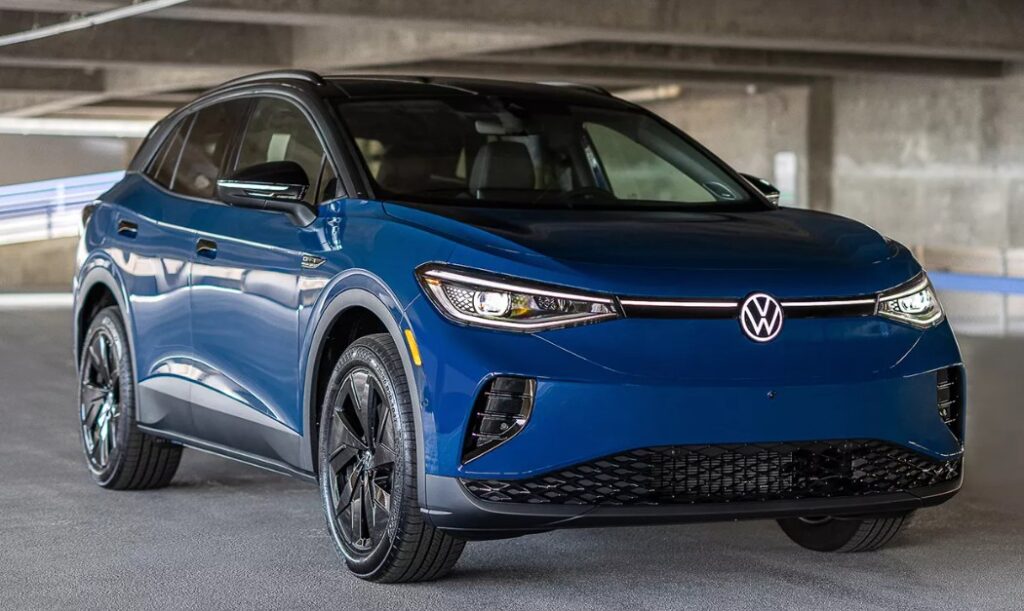
Choosing between the Volkswagen ID.4 and the Volkswagen Tiguan feels a bit like standing at a crossroads between the future and the familiar. One SUV whispers promises of silent electric driving and cutting-edge tech, while the other leans on years of proven practicality, turbocharged confidence, and road-trip reliability.
So which one deserves your driveway?
That question has become increasingly important as more drivers weigh the jump from gasoline to electric power. We are no longer comparing apples to oranges. The ID.4 and Tiguan are surprisingly close in size, comfort, and family usability. Yet underneath the sheet metal, they represent two very different philosophies.
In this detailed comparison, we will explore performance, range, charging, cargo space, technology, ownership costs, driving feel, reliability expectations, and long-term value. By the end, you will know exactly which Volkswagen SUV matches your lifestyle.
Content in this publication
- Volkswagen ID 4 vs Tiguan at a Glance
- Understanding the Core Difference
- Exterior Design Comparison
- Interior Space and Comfort
- Dashboard and Cabin Technology
- Performance and Driving Experience
- Ride Quality and Handling
- Range vs Fuel Economy
- Charging vs Refueling
- Cargo Space and Practicality
- Technology Features
- Safety Comparison
- Maintenance Costs
- Long-Term Ownership Experience
- Environmental Impact
- Winter Driving and Weather Performance
- Price and Value
- Who Should Buy the Volkswagen ID.4?
- Who Should Buy the Volkswagen Tiguan?
- Volkswagen ID.4 vs Tiguan: Which One Wins?
- Final Thoughts
- FAQs
Volkswagen ID 4 vs Tiguan at a Glance
Before diving deep, let us look at the headline differences.
| Feature | Volkswagen ID.4 | Volkswagen Tiguan |
|---|---|---|
| Powertrain | Fully Electric | Gasoline |
| Drivetrain | RWD or AWD | FWD or AWD |
| Fuel Type | Electricity | Petrol |
| Range | Up to 291 miles | Around 400–500 miles per tank |
| Charging Time | 30 mins DC fast charge | 5 mins fuel stop |
| Interior Feel | Minimalist and futuristic | Traditional and familiar |
| Running Costs | Lower | Higher |
| Long Trips | Requires charging planning | Easier spontaneity |
| Maintenance | Simpler | More mechanical upkeep |
At first glance, the Tiguan looks safer and more traditional. The ID.4, however, feels like stepping into tomorrow.
And honestly? That is exactly the point.
Understanding the Core Difference
The ID.4 Is an EV First
The ID.4 was designed from the ground up as an electric vehicle. Volkswagen built it on the dedicated MEB EV platform, meaning everything from the battery placement to the cabin layout revolves around electric efficiency.
This creates several advantages:
- Flat floor interior
- Spacious cabin
- Quiet ride
- Lower center of gravity
- Instant torque delivery
Driving the ID.4 feels smooth and almost serene, like gliding across asphalt on a cushion of air.
The Tiguan Keeps Things Familiar
The Tiguan, meanwhile, sticks with what millions of SUV buyers already know and trust.
Its turbocharged gasoline engine delivers predictable performance, quick refueling, and easier long-distance flexibility.
There is comfort in familiarity. No charging apps. No range calculations. No searching for fast chargers at midnight during a road trip.
For many drivers, that simplicity still matters.
Exterior Design Comparison
Volkswagen ID.4: Clean and Modern
The ID.4 embraces aerodynamic curves and futuristic styling. Its flowing body lines and smooth front fascia scream “EV” without trying too hard.
Notable design cues include:
- LED light bars
- Flush-style surfaces
- Rounded silhouette
- Sleek aerodynamic wheels
The overall look feels modern, almost like Volkswagen designed it for the next decade rather than today.
Volkswagen Tiguan: Bold and Conventional
The Tiguan looks more rugged and traditional.
It carries:
- Sharper body lines
- A larger grille
- SUV-like proportions
- More aggressive stance
If the ID.4 resembles a sleek electric train, the Tiguan resembles a dependable hiking boot.
Neither is objectively better. It depends entirely on taste.
Interior Space and Comfort
Which SUV Feels Bigger Inside?
Surprisingly, the ID.4 often feels roomier despite having similar external dimensions.
That happens because EVs eliminate bulky engine components and transmission tunnels.
Inside the ID.4, we notice:
- More open legroom
- Flat rear floor
- Airier cabin layout
- Better passenger movement
The Tiguan still offers excellent practicality, especially with its optional third-row seating in some markets.
That third row is small, yes, but sometimes small is enough for occasional family use.
Dashboard and Cabin Technology
The ID.4 Feels Like a Tech Lounge
Step into the ID.4, and it immediately feels futuristic.
Features include:
- Floating infotainment display
- Minimal physical buttons
- Ambient lighting
- Digital controls
- Voice commands
The cabin almost resembles a modern smart apartment.
Some people love that minimalist approach.
Others miss traditional knobs and buttons.
The Tiguan Prioritizes Simplicity
The Tiguan uses a more classic layout.
That means:
- Easier learning curve
- Physical climate controls in many trims
- Conventional gauge design
- Less touchscreen dependency
For drivers who dislike overly digital cabins, the Tiguan can feel refreshingly straightforward.
Performance and Driving Experience
Electric Acceleration Changes Everything
One of the most surprising things about the ID.4 is how quickly it delivers power.
Electric motors provide instant torque.
That means:
- Fast launches
- Smooth acceleration
- Quiet operation
- Effortless city driving
Even without sounding aggressive, the ID.4 feels energetic.
Like a silent sprinter wearing sneakers instead of boots.
The Tiguan Offers Traditional Turbo Power
The Tiguan’s turbocharged engine feels familiar and capable.
It delivers:
- Confident highway merging
- Predictable acceleration
- Mechanical driving character
- Strong cruising ability
Some drivers still prefer the sound and sensation of a gasoline engine. There is a rhythm to combustion vehicles that EVs simply do not replicate.
Ride Quality and Handling
ID.4 Prioritizes Smoothness
The battery pack mounted beneath the floor gives the ID.4 a low center of gravity.
Benefits include:
- Better stability
- Reduced body roll
- Smooth cornering
- Calm highway cruising
The suspension tuning leans toward comfort rather than sportiness.
Long drives feel relaxed and almost meditative.
Tiguan Feels More Traditional
The Tiguan handles well for a compact SUV, but it behaves like a conventional crossover.
You may be interested in reading Volkswagen ID 4 vs Hyundai Kona EV
That means:
- Slightly more body movement
- Familiar steering feedback
- Traditional suspension feel
Some drivers may actually prefer this because it feels more connected and natural.
Range vs Fuel Economy
Volkswagen ID.4 Electric Range
The ID.4 can reach approximately 250–291 miles depending on trim and drivetrain.
That is more than enough for most daily routines.
For perspective:
- Commuting
- School runs
- Grocery trips
- Weekend outings
Most people will only charge once or twice weekly.
Still, road trips require planning.
That is the tradeoff.
Volkswagen Tiguan Fuel Economy
The Tiguan typically achieves:
- Around 23–24 MPG city
- Around 30–31 MPG highway
Its total driving range can easily exceed 400 miles per tank.
And refueling takes minutes.
That convenience remains one of gasoline vehicles’ biggest strengths.
Charging vs Refueling
Charging the ID.4
Charging depends heavily on charger type.
Level 1 Charging
Slowest option using a standard outlet.
Best for:
- Overnight emergency charging
Level 2 Charging
Ideal for home installations.
Usually adds:
- 20–35 miles per hour
DC Fast Charging
Fastest public charging method.
Can charge:
- 10% to 80% in roughly 30 minutes
Charging infrastructure continues improving rapidly, but availability still varies by region.
Refueling the Tiguan
The Tiguan wins for convenience.
Pull in.
Pump gas.
Leave.
Five minutes later, you are back on the road.
That simplicity matters enormously for drivers who frequently travel long distances.
Cargo Space and Practicality
ID.4 Cargo Capacity
The ID.4 offers excellent usable storage.
Advantages include:
- Wide cargo opening
- Flat floor
- Flexible loading
- Smart cabin storage
The lack of a bulky transmission tunnel helps maximize interior practicality.
Tiguan Cargo Flexibility
The Tiguan shines for families.
Key strengths include:
- Fold-flat rear seats
- Optional third row
- Deep cargo area
- Flexible passenger arrangements
For hauling kids, sports gear, and luggage, the Tiguan remains extremely versatile.
Technology Features
What the ID.4 Offers
The ID.4 focuses heavily on advanced tech.
Common features include:
- Wireless Apple CarPlay
- Wireless Android Auto
- Adaptive cruise control
- Augmented reality navigation
- Over-the-air updates
The vehicle feels like a rolling smartphone at times.
What the Tiguan Offers
The Tiguan still provides strong technology, including:
- Digital cockpit
- Smartphone integration
- Driver assistance systems
- Parking aids
- Available premium audio
However, its interface feels more traditional and less experimental.
Safety Comparison
Both SUVs Perform Strongly
Volkswagen equips both models with advanced safety systems.
Features often include:
- Lane keeping assist
- Automatic emergency braking
- Blind spot monitoring
- Adaptive cruise control
- Rear traffic alert
The ID.4’s low center of gravity can improve stability, while the Tiguan benefits from years of refinement and proven crash performance.
Either SUV works well for families prioritizing safety.
Maintenance Costs
The ID.4 Has Fewer Moving Parts
Electric vehicles generally require less maintenance.
The ID.4 avoids:
- Oil changes
- Spark plugs
- Timing belts
- Exhaust systems
That reduces long-term servicing costs.
Brake wear may also decrease because regenerative braking handles much of the deceleration.
The Tiguan Requires Traditional Maintenance
The Tiguan needs:
- Oil changes
- Transmission servicing
- Engine maintenance
- Fuel system upkeep
These are familiar expenses, but they add up over time.
Still, many mechanics know gasoline Volkswagens well, making repairs easier in some regions.
Long-Term Ownership Experience
Living With the ID.4
Owning an EV changes routines.
You may be interested in readingVolkswagen ID 4 vs Hyundai Kona EVYou may be interested in reading
 Kia EV9 Competitors: The Ultimate Guide to the Best Electric SUV Rivals
You stop visiting gas stations.
You start plugging in at home.
You think about chargers instead of fuel prices.
For many owners, this quickly becomes normal.
And once home charging becomes part of life, going back to gas can feel strangely outdated.
Living With the Tiguan
The Tiguan demands less adaptation.
You already know how it works.
Road trips remain effortless.
Fuel stations are everywhere.
That convenience creates peace of mind, especially for drivers uncertain about EV infrastructure.
Environmental Impact
The ID.4 Produces Zero Tailpipe Emissions
The ID.4 helps reduce local emissions and lowers dependence on fossil fuels.
For environmentally conscious buyers, that matters deeply.
Driving an EV often feels like participating in the future of transportation rather than merely observing it.
The Tiguan Is Improving Efficiency
Modern gasoline engines are cleaner and more efficient than older models.
Still, the Tiguan cannot match the ID.4’s zero-emission driving capability.
For buyers focused heavily on sustainability, the EV usually wins.
Winter Driving and Weather Performance
How the ID.4 Handles Cold Weather
Cold temperatures can reduce EV range.
However, the ID.4 still performs well thanks to:
- Battery thermal management
- Available AWD
- Instant torque control
Cabin heating can impact range, but preconditioning features help manage efficiency.
How the Tiguan Handles Winter
The Tiguan remains a strong winter companion.
Advantages include:
- Predictable fuel range
- Fast cabin heating
- Proven AWD systems
Drivers in extremely cold climates may appreciate the Tiguan’s consistency.
Price and Value
The ID.4’s Pricing Equation
The ID.4 can cost more upfront depending on incentives and trim levels.
However, savings may come from:
- Lower charging costs
- Reduced maintenance
- Government incentives
- Tax benefits
Long-term ownership often balances the higher purchase price.
The Tiguan’s Financial Advantage
The Tiguan generally offers:
- Lower starting price
- Broader availability
- Easier used market access
For budget-focused buyers, the Tiguan can feel like the safer financial decision.
Who Should Buy the Volkswagen ID.4?
The ID.4 makes sense if we:
- Drive mostly in urban or suburban areas
- Have access to home charging
- Want lower running costs
- Enjoy advanced technology
- Prefer quiet driving
- Care about emissions reduction
It feels modern, smooth, and refreshingly different.
Who Should Buy the Volkswagen Tiguan?
The Tiguan fits better if we:
- Take frequent long road trips
- Need quick refueling convenience
- Prefer traditional controls
- Want easier ownership adaptation
- Need occasional third-row seating
- Live in areas with limited charging infrastructure
It remains practical, dependable, and versatile.
Volkswagen ID.4 vs Tiguan: Which One Wins?
The answer depends less on the vehicles themselves and more on our lifestyle.
The ID.4 represents evolution.
The Tiguan represents refinement.
One feels like tomorrow arriving early.
The other feels like a trusted companion that already knows the road.
If we are ready to embrace electric driving, the ID.4 offers a genuinely impressive experience. It is spacious, quiet, efficient, and surprisingly enjoyable.
But if convenience, flexibility, and familiarity matter more, the Tiguan remains one of the smartest compact SUVs available.
Neither choice is wrong.
They simply belong to different chapters of the automotive story.
Final Thoughts
Comparing the Volkswagen ID.4 and Tiguan is fascinating because they overlap in so many practical ways while differing completely underneath.
Both deliver:
- Comfortable interiors
- Strong safety features
- Everyday practicality
- Family-friendly usability
Yet their ownership experiences diverge dramatically.
The ID.4 feels like stepping into the future with confidence and curiosity.
The Tiguan feels like staying grounded in a proven formula that still works beautifully.
And perhaps that is why this comparison matters so much today. We are living in the transition period between gasoline and electric vehicles. The choice between these two SUVs is not merely about horsepower or cargo space.
It is about deciding how we want to drive tomorrow.
FAQs
Is the Volkswagen ID.4 bigger than the Tiguan?
The ID.4 and Tiguan are very similar in size, but the ID.4 often feels roomier inside because of its EV-focused platform and flat floor design.
Does the ID.4 cost less to maintain than the Tiguan?
Yes. The ID.4 generally requires less maintenance because it has fewer moving mechanical parts and does not need oil changes.
Which is better for long road trips: ID.4 or Tiguan?
The Tiguan is usually easier for long road trips because refueling is faster and gas stations are widely available.
Is the Volkswagen ID.4 faster than the Tiguan?
In many situations, yes. The ID.4 delivers instant electric torque, making acceleration feel quicker and smoother.
Should we buy an ID.4 or wait for better EV infrastructure?
If home charging and local charging stations are accessible, the ID.4 already works well for most drivers today. If charging access is limited, the Tiguan may still be the better fit.
You may be interested in readingVolkswagen ID 4 vs Hyundai Kona EVYou may be interested in reading
Kia EV9 Competitors: The Ultimate Guide to the Best Electric SUV RivalsYou may be interested in reading
Kia EV9 vs Hyundai Ioniq 9If you want to know other articles similar to Volkswagen ID 4 vs Tiguan: Which Volkswagen SUV Fits Your Life Better? you can visit the category Models.
How to Identify Your Ford Fiesta Model
Toyota RAV4 Engine Oil Capacity: Complete Guide

Vauxhall Corsa Models: Complete Guide to Generations, Trims and Versions (1993–2026)
Kia Sportage Trim Levels: Complete 2027 Comparison
Toyota Corolla Cross vs RAV4: Which SUV Is Better?
Haval Jolion vs Omoda C5: Which SUV Is Better?
Leave a Reply
More content of your interest