

Mitsubishi ASX MPG: Real-World Fuel Economy, Tips & Insights

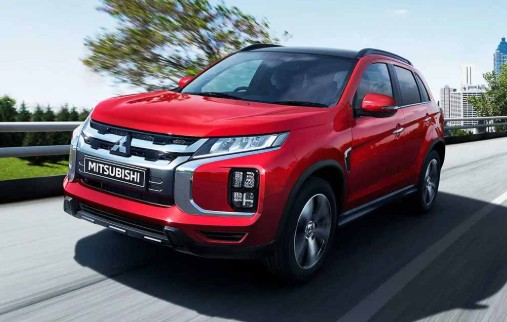
When we talk about compact SUVs that balance practicality, affordability, and efficiency, the Mitsubishi ASX often enters the conversation. But let’s be honest—what really matters once you’re behind the wheel? Fuel economy.
So, how good is the Mitsubishi ASX MPG in real life? Is it one of those cars that promises efficiency but drinks fuel like a thirsty camel, or does it actually deliver?
Let’s dive deep—real numbers, real insights, and practical advice.
Content in this publication
- Understanding MPG in the Mitsubishi ASX
- Official Mitsubishi ASX MPG Figures
- Real-World Mitsubishi ASX MPG
- Why MPG Varies So Much
- Engine Options and Their Impact on MPG
- Transmission: Manual vs Automatic MPG
- Mitsubishi ASX MPG vs Competitors
- How Driving Style Affects MPG
- Top Tips to Improve Mitsubishi ASX MPG
- Vehicle Maintenance and MPG
- Tire Pressure and Fuel Economy
- Weight and Load: The Silent MPG Thief
- Aerodynamics and MPG
- Fuel Quality and MPG
- Hybrid Alternatives: Is ASX Behind?
- Long-Term Fuel Costs
- Urban vs Highway MPG: What’s Better?
- Is the Mitsubishi ASX Fuel Efficient?
- Who Should Buy the ASX for MPG?
- Who Might Look Elsewhere?
- Closing Thoughts: Is the Mitsubishi ASX MPG Good Enough?
- FAQs
Understanding MPG in the Mitsubishi ASX
What Does MPG Really Mean?
MPG stands for miles per gallon, and it’s essentially a measure of how far your car can travel using one gallon of fuel. The higher the number, the more efficient the vehicle.
For drivers in regions using liters per 100 km, this translates inversely—but the idea remains the same: lower consumption = more savings.
Official Mitsubishi ASX MPG Figures
Petrol Engine MPG Ratings
Depending on the engine and model year, the Mitsubishi ASX typically offers:
- 1.6L Petrol (Manual):
- ~47–50 MPG (combined)
- 2.0L Petrol (CVT Automatic):
- ~35–38 MPG (combined)
Diesel Engine MPG Ratings
- 1.6L Diesel:
- ~60–65 MPG (combined)
These figures are based on official testing standards, often under ideal conditions.
Real-World Mitsubishi ASX MPG
What Drivers Actually Experience
Let’s be real—no one drives in a lab.
In everyday use, drivers report:
- City driving: 28–35 MPG
- Highway driving: 40–50 MPG
- Mixed driving: 32–42 MPG
Factors like traffic, terrain, and driving style heavily influence these numbers.
Why MPG Varies So Much
Driving Conditions Matter
Think of MPG like your phone battery—it drains faster depending on how you use it.
- Stop-and-go traffic = higher fuel consumption
- Smooth highway cruising = better efficiency
- Hills and heavy loads = MPG drops
Engine Options and Their Impact on MPG
1.6L Petrol Engine
- Best for urban driving
- Decent efficiency but not class-leading
2.0L Petrol Engine
- More power, less efficiency
- Ideal for drivers who value performance over fuel savings
Diesel Variant
- Best MPG overall
- Excellent for long-distance driving
Transmission: Manual vs Automatic MPG
Manual Transmission
- Typically more fuel-efficient
- Greater control over gear shifts
CVT Automatic
- Smooth driving experience
- Slightly lower MPG due to power delivery style
Mitsubishi ASX MPG vs Competitors
Let’s see how the ASX stacks up:
- Nissan Qashqai: Similar MPG, slightly more refined
- Hyundai Tucson: Lower MPG due to larger size
- Kia Sportage: Comparable but often less efficient in petrol variants
The ASX holds its ground, especially in diesel form.
How Driving Style Affects MPG
Aggressive vs Smooth Driving
Imagine pouring water slowly into a glass vs dumping it quickly—that’s your fuel usage.
- Hard acceleration = higher consumption
- Gentle driving = improved MPG
Top Tips to Improve Mitsubishi ASX MPG
Simple Habits That Save Fuel
- Maintain steady speeds
- Avoid unnecessary idling
- Use cruise control on highways
- Shift gears at optimal RPM (manual models)
Vehicle Maintenance and MPG
Why Maintenance Matters
A poorly maintained car is like running in worn-out shoes—you’ll waste energy.
- Keep tires properly inflated
- Change engine oil regularly
- Replace air filters
- Ensure wheel alignment
Tire Pressure and Fuel Economy
Underinflated tires increase rolling resistance.
- Even a small drop in pressure can reduce MPG
- Check tire pressure monthly
Weight and Load: The Silent MPG Thief
Carrying Extra Weight
Every extra kilogram affects fuel efficiency.
- Remove unnecessary items from the trunk
- Avoid roof racks when not needed
Aerodynamics and MPG
Why Air Resistance Matters
Driving at high speeds increases drag.
- Keep windows closed at highway speeds
- Avoid bulky external accessories
Fuel Quality and MPG
Not necessarily.
The Mitsubishi ASX, built by Mitsubishi Motors, is designed to run efficiently on regular fuel.
Using premium fuel rarely improves MPG unless specified.
Hybrid Alternatives: Is ASX Behind?
Comparing with Hybrid SUVs
While hybrids offer better MPG:
- They come at a higher cost
- Maintenance can be more complex
The ASX remains a solid budget-friendly option.
Long-Term Fuel Costs
What You’ll Spend Over Time
Let’s break it down:
- Average MPG: ~35–45
- Annual mileage: 12,000 miles
- Fuel cost: Moderate compared to rivals
Over time, the ASX proves economical—especially diesel variants.
Urban vs Highway MPG: What’s Better?
City Driving
- Lower MPG due to traffic
- Frequent braking and acceleration
Highway Driving
- Best MPG scenario
- Steady speeds = efficiency gains
Is the Mitsubishi ASX Fuel Efficient?
The Honest Verdict
Yes—but with nuance.
- Petrol versions: Average efficiency
- Diesel versions: Excellent MPG
- Real-world performance: Reliable and predictable
It’s not groundbreaking, but it’s dependable—like that friend who always shows up on time.
Who Should Buy the ASX for MPG?
Ideal Drivers
- Daily commuters
- Budget-conscious drivers
- Long-distance travelers (diesel)
Who Might Look Elsewhere?
Consider Alternatives If You Want:
- Hybrid-level efficiency
- Cutting-edge fuel-saving tech
- Larger SUV space
Closing Thoughts: Is the Mitsubishi ASX MPG Good Enough?
At the end of the day, the Mitsubishi ASX doesn’t try to be something it’s not. It’s not a hybrid miracle, nor a fuel-guzzling beast—it sits comfortably in the middle.
And sometimes, that’s exactly what we need.
It delivers consistent, predictable MPG, and with the right driving habits, it can be surprisingly economical. Think of it as a steady marathon runner—not flashy, but reliable mile after mile.
FAQs
1. What is the average MPG of a Mitsubishi ASX?
Typically between 35–45 MPG combined, depending on engine and driving conditions.
2. Is the diesel Mitsubishi ASX more efficient?
Yes, diesel variants can reach up to 60+ MPG, making them the most efficient option.
3. Does the automatic ASX use more fuel?
Slightly, due to the CVT transmission, but the difference isn’t huge.
4. How can I improve my ASX fuel economy?
Drive smoothly, maintain tire pressure, reduce weight, and service the vehicle regularly.
5. Is the Mitsubishi ASX good for long trips?
Absolutely—especially diesel versions, which excel on highways.
If you want to know other articles similar to Mitsubishi ASX MPG: Real-World Fuel Economy, Tips & Insights you can visit the category Driving.
Kia Sorento Fuel Economy: MPG, Hybrid, and Plug-In Hybrid Explained
BYD Shark 6 Fuel Consumption: Real-World Economy, Range and What to Expect
Vauxhall Agila MPG: Real-World Fuel Economy and Engine Guide

Honda Passport MPG: Real-World Fuel Economy, Ratings, and What to Expect

Nissan Rogue Fuel Economy: MPG, Range, Costs, and Real-World Efficiency
BYD Shark 6 Long Range Fuel Tank: Is the 120L Upgrade Worth It?
Leave a Reply
More content of your interest