
Volkswagen ID 4 Range Miles: Real-World Distance, Charging, and What to Expect

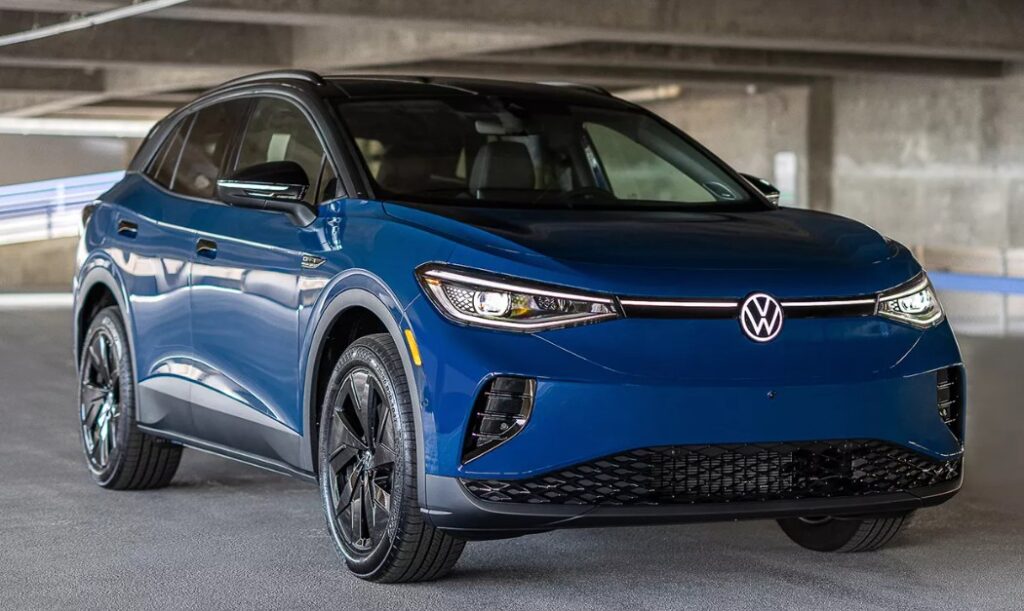
The electric vehicle market feels like a crowded highway these days. Every automaker promises long range, faster charging, and futuristic driving experiences. Yet when we narrow the conversation to practical electric SUVs, the Volkswagen ID.4 keeps appearing in the spotlight. Why? Because it balances comfort, affordability, and usable driving range in a way many drivers genuinely appreciate.
But here’s the real question buyers keep asking:
How many miles can the Volkswagen ID 4 actually travel on a full charge?
That single question opens the door to a much bigger conversation. Official EPA numbers tell one story. Real-world driving tells another. Weather, tires, speed, battery size, trim level, and even elevation changes can transform your expected range faster than a thunderstorm rolling across the highway.
In this guide, we’ll explore everything about Volkswagen ID 4 range miles—from official figures to realistic expectations, charging strategies, highway performance, winter efficiency, and tips that can stretch every electron further down the road.
Content in this publication
- Understanding Volkswagen ID 4 Range Miles
- Volkswagen ID 4 EPA Range Estimates
- Why Volkswagen ID 4 Range Changes in Real Life
- Speed Has a Massive Impact on Range
- Cold Weather Can Reduce Volkswagen ID 4 Range Miles
- Summer Conditions Can Improve Efficiency
- Volkswagen ID 4 Battery Options Explained
- Real-World Volkswagen ID 4 Range Miles
- How Wheel Size Affects Range
- Volkswagen ID 4 Charging and Distance Recovery
- Can the Volkswagen ID 4 Handle Long Road Trips?
- Volkswagen ID 4 Range Compared to Rivals
- How Regenerative Braking Extends Range
- Driving Modes and Their Impact on Mileage
- How Terrain Influences Volkswagen ID 4 Range Miles
- Towing Can Dramatically Reduce Range
- How to Maximize Volkswagen ID 4 Range Miles
- Charging Habits and Battery Health
- Is the Volkswagen ID 4 Efficient for Daily Commuting?
- Volkswagen ID 4 Range Anxiety: Is It Still a Problem?
- Public Charging Infrastructure Continues Expanding
- Volkswagen ID 4 Range Miles vs Gasoline SUVs
- The Future of Volkswagen EV Range
- Should You Buy the Volkswagen ID 4 for Its Range?
- Final Thoughts on Volkswagen ID 4 Range Miles
- FAQs
Understanding Volkswagen ID 4 Range Miles
When people talk about EV range, they usually mean one thing:
How far can the vehicle travel before needing another charge?
The Volkswagen ID 4 range depends heavily on:
- Battery size
- Drivetrain configuration
- Wheel size
- Climate conditions
- Driving habits
- Model year
Volkswagen offers different versions of the ID 4, and each has its own range estimate.
Some versions prioritize efficiency, while others focus more on power and all-wheel-drive capability.
Think of it like choosing between marathon shoes and hiking boots. Both get you moving, but one squeezes more distance from every step.
Volkswagen ID 4 EPA Range Estimates
Standard Range Models
Entry-level ID 4 trims generally provide:
- Around 206–209 EPA-estimated miles
These trims use a smaller battery pack and are aimed at drivers who mainly commute locally.
For city driving, this is often more than enough.
Pro and Pro S Models
The longer-range versions are where the ID 4 becomes especially competitive.
Typical EPA estimates include:
- 255 miles
- 260 miles
- Up to 275 miles depending on trim and drivetrain
Rear-wheel-drive versions usually achieve the highest mileage because they are lighter and more efficient.
All-Wheel Drive Versions
AWD models sacrifice some efficiency for extra traction and performance.
Expected range typically falls between:
- 240–255 miles
That reduction may sound disappointing initially, but for drivers in snowy climates or mountainous areas, AWD can be worth every lost mile.
Why Volkswagen ID 4 Range Changes in Real Life
Here’s the truth many advertisements quietly avoid:
No EV consistently delivers identical range every single day.
Electric vehicles behave almost like living organisms. Temperature, terrain, and driving style constantly influence efficiency.
Let’s break down the biggest factors.
Speed Has a Massive Impact on Range
City Driving vs Highway Driving
EVs thrive in stop-and-go traffic.
That sounds backward, doesn’t it?
Gasoline vehicles waste fuel idling. EVs don’t. In fact, regenerative braking helps recover energy during urban driving.
At highway speeds, however, aerodynamic drag becomes the enemy.
Driving at:
- 55 mph can maximize efficiency
- 75–80 mph can noticeably reduce range
Many ID 4 owners report:
- Excellent city efficiency
- More moderate highway range
The difference can sometimes exceed 40 miles on longer trips.
Cold Weather Can Reduce Volkswagen ID 4 Range Miles
Winter is one of the biggest range killers for EVs.
Why Cold Temperatures Matter
Batteries operate best within comfortable temperature ranges. Cold weather slows chemical reactions inside the battery cells.
At the same time:
- Cabin heating consumes energy
- Heated seats use electricity
- Defrosters increase demand
The result?
Range reductions between 10% and 30% are possible in freezing conditions.
Realistic Winter Expectations
If your ID 4 normally achieves:
- 260 miles in mild weather
You might realistically see:
- 190–225 miles in winter
This is normal across nearly all EVs.
Summer Conditions Can Improve Efficiency
Warm temperatures often help the ID 4 perform beautifully.
In mild spring or summer weather, many owners report achieving range figures close to—or even above—the EPA estimate.
Especially during:
- Urban driving
- Moderate-speed commuting
- Flat terrain travel
It’s almost like the car finally gets to breathe easily.
Volkswagen ID 4 Battery Options Explained
Smaller Battery Pack
The standard battery option focuses on affordability and lighter weight.
Best suited for:
- Daily commuting
- Urban drivers
- Shorter road trips
82 kWh Battery Pack
The larger battery pack is the star of the lineup.
This version delivers:
- Better highway confidence
- Longer travel distances
- Reduced charging frequency
For most buyers, the larger battery transforms the ID 4 into a true road-trip-capable SUV.
Real-World Volkswagen ID 4 Range Miles
Official numbers are helpful, but drivers care about reality.
Typical Real-World Results
Most owners report ranges such as:
| Driving Conditions | Expected Range |
|---|---|
| City driving | 260–290 miles |
| Mixed driving | 230–270 miles |
| Highway driving | 200–240 miles |
| Winter highway travel | 180–220 miles |
These numbers vary significantly based on driving style.
How Wheel Size Affects Range
This detail surprises many buyers.
Bigger wheels often reduce EV efficiency.
Why?
Because larger wheels:
- Increase weight
- Create more rolling resistance
- Sometimes worsen aerodynamics
An ID 4 with smaller wheels may achieve noticeably better mileage than a version with sportier rims.
Sometimes style costs range.
Literally.
Volkswagen ID 4 Charging and Distance Recovery
Range only matters alongside charging speed.
Thankfully, the ID 4 performs reasonably well here.
DC Fast Charging
Using a DC fast charger, the ID 4 can recover substantial mileage quickly.
Typical charging times:
- 10% to 80% in around 30–40 minutes
That’s enough time for:
- Coffee
- A restroom stop
- Stretching your legs
Then you’re back on the road.
Home Charging
Most owners rely on Level 2 home charging overnight.
This adds:
- Roughly 20–35 miles per hour depending on setup
By morning, the vehicle usually wakes up fully charged and ready to go.
Can the Volkswagen ID 4 Handle Long Road Trips?
Absolutely.
But planning matters.
Unlike gasoline vehicles, EV travel rewards strategy.
Road Trip Advantages
The ID 4 offers:
- Comfortable seats
- Quiet cabin
- Smooth highway driving
- Adaptive cruise control
- Spacious interior
That relaxed driving experience makes long-distance travel surprisingly enjoyable.
Road Trip Challenges
However, drivers must consider:
- Charger availability
- Weather
- Elevation changes
- Charging wait times
Still, with modern charging networks expanding rapidly, the ID 4 handles road trips far better than many skeptics expect.
Volkswagen ID 4 Range Compared to Rivals
The EV SUV segment is fiercely competitive.
Let’s see how the ID 4 stacks up.
Tesla Model Y
Tesla Model Y generally delivers longer range numbers.
However, the ID 4 counters with:
- Softer ride quality
- Simpler cabin design
- Competitive pricing
Hyundai Ioniq 5
Hyundai Ioniq 5 offers comparable range and faster charging.
The choice often comes down to styling preferences and driving feel.
Ford Mustang Mach-E
Ford Mustang Mach-E delivers sporty handling and strong range figures.
Meanwhile, the ID 4 leans more toward comfort and relaxed usability.
How Regenerative Braking Extends Range
One of the cleverest EV features is regenerative braking.
Instead of wasting energy while slowing down, the ID 4 captures some of it and sends it back into the battery.
Benefits of Regeneration
This improves efficiency during:
- Stop-and-go traffic
- Descending hills
- Urban commuting
Drivers who learn to maximize regeneration often achieve noticeably better range.
It’s almost like turning braking into free fuel.
Driving Modes and Their Impact on Mileage
The ID 4 includes various driving modes.
These modes adjust:
- Acceleration response
- Climate settings
- Energy consumption
Eco Mode
Eco mode prioritizes efficiency.
Benefits include:
- Smoother acceleration
- Reduced power consumption
- Improved range
Sport Mode
Sport mode sharpens responsiveness but may reduce mileage.
Fun and efficiency rarely live in perfect harmony.
How Terrain Influences Volkswagen ID 4 Range Miles
Flat Roads
Flat highways usually maximize efficiency.
Mountain Driving
Climbing steep grades consumes enormous energy.
However, descending hills can regenerate power through braking.
Mountain driving creates a strange rhythm where:
- Uphill sections drain rapidly
- Downhill sections partially recover energy
Towing Can Dramatically Reduce Range
Many buyers ask whether the ID 4 can tow.
Yes—but towing impacts range significantly.
What Happens While Towing
Extra weight increases:
- Aerodynamic drag
- Battery consumption
- Power demand
Range reductions of 30–50% are possible depending on trailer size and terrain.
For occasional light towing, the ID 4 performs well. For frequent heavy towing, buyers may want larger EVs.
How to Maximize Volkswagen ID 4 Range Miles
Want every possible mile from your battery?
Here are practical strategies.
Drive Smoothly
Aggressive acceleration drains batteries quickly.
Gentle driving improves efficiency dramatically.
Limit High-Speed Cruising
Reducing speed from 80 mph to 70 mph can save substantial energy.
Precondition the Cabin
Warm or cool the interior while plugged in.
This reduces battery demand once driving begins.
Use Seat Heaters Instead of Cabin Heat
Seat heaters consume less power than blasting hot air.
Maintain Proper Tire Pressure
Underinflated tires increase rolling resistance.
That means wasted energy.
Charging Habits and Battery Health
Many EV owners worry about long-term battery degradation.
Fortunately, modern EV batteries are remarkably durable.
Best Practices
To preserve battery health:
- Avoid constant 100% charging unless needed
- Keep charge levels between 20% and 80% for daily use
- Minimize repeated extreme fast charging
Long-Term Expectations
Most ID 4 batteries should retain strong performance for many years.
Battery degradation exists, but it’s usually gradual rather than catastrophic.
Is the Volkswagen ID 4 Efficient for Daily Commuting?
This is where the ID 4 shines brightest.
For commuting, it delivers:
- Quiet operation
- Low charging costs
- Comfortable ride quality
- Smooth acceleration
Most drivers can go several days without charging.
That convenience changes how people think about driving entirely.
Instead of weekly gas station visits, your “fuel station” becomes your garage.
Volkswagen ID 4 Range Anxiety: Is It Still a Problem?
Range anxiety used to dominate EV conversations.
Today, things are different.
For most drivers, 250+ miles is more than enough.
Studies consistently show average daily driving is far below that figure.
Why Anxiety Fades Over Time
New EV owners often obsess over battery percentage initially.
Then something interesting happens.
They adapt.
Charging becomes routine, predictable, and surprisingly effortless.
Eventually, many drivers realize they visit charging stations less often than they once visited gas stations.
Public Charging Infrastructure Continues Expanding
Charging accessibility matters almost as much as range itself.
Fortunately, infrastructure keeps improving.
Many regions now offer:
- Fast-charging corridors
- Highway charging plazas
- Shopping-center chargers
- Workplace charging
The EV ecosystem still has room to grow, but progress is accelerating rapidly.
Volkswagen ID 4 Range Miles vs Gasoline SUVs
Comparing EVs to gasoline SUVs requires a mindset shift.
Gasoline vehicles emphasize:
- Fuel tank size
- MPG ratings
EVs emphasize:
- Battery capacity
- Efficiency
- Charging speed
Cost Advantages
Electric driving often costs less per mile.
Owners may save significantly on:
- Fuel
- Maintenance
- Oil changes
- Brake wear
Over time, those savings can become substantial.
The Future of Volkswagen EV Range
Battery technology continues evolving.
Future Volkswagen EVs will likely offer:
- Longer range
- Faster charging
- Improved energy density
- Better cold-weather performance
The current ID 4 already feels practical for modern life. The next generation may erase even more barriers.
Should You Buy the Volkswagen ID 4 for Its Range?
The answer depends on your lifestyle.
The ID 4 makes excellent sense for drivers who want:
- A practical EV SUV
- Comfortable daily commuting
- Good real-world range
- Family-friendly usability
- Balanced pricing
It may not lead the industry in maximum mileage, but it offers something equally valuable:
Consistency and livability.
Like a dependable travel companion, it quietly handles daily life without demanding constant attention.
And honestly? That matters more than flashy numbers on a brochure.
Final Thoughts on Volkswagen ID 4 Range Miles
The Volkswagen ID 4 proves that EV ownership no longer feels experimental.
Its range capabilities comfortably support:
- Daily commuting
- Weekend travel
- Family errands
- Moderate road trips
Real-world mileage varies, of course. Weather, speed, terrain, and driving style all shape the outcome.
Yet for many drivers, the ID 4 hits a sweet spot between practicality and efficiency.
It’s not merely about how far the battery can travel.
It’s about how confidently the vehicle fits into real life.
And in that regard, the Volkswagen ID 4 performs remarkably well.
FAQs
How many miles can a Volkswagen ID 4 go on a full charge?
Depending on the trim and driving conditions, the Volkswagen ID 4 typically delivers between 206 and 275 EPA-estimated miles on a full charge.
Does cold weather reduce Volkswagen ID 4 range?
Yes. Cold temperatures can reduce EV efficiency by 10% to 30% due to battery chemistry and cabin heating demands.
Is the Volkswagen ID 4 good for road trips?
Yes. The ID 4 offers comfortable seating, fast charging capability, and sufficient range for long-distance travel with planned charging stops.
How long does it take to charge a Volkswagen ID 4?
Using a DC fast charger, charging from 10% to 80% usually takes around 30–40 minutes. Home charging overnight is common for daily use.
Which Volkswagen ID 4 version has the longest range?
Rear-wheel-drive Pro versions with the larger battery generally provide the best range, reaching up to around 275 EPA-estimated miles.
If you want to know other articles similar to Volkswagen ID 4 Range Miles: Real-World Distance, Charging, and What to Expect you can visit the category Driving.
Kia Sorento Fuel Economy: MPG, Hybrid, and Plug-In Hybrid Explained
BYD Shark 6 Fuel Consumption: Real-World Economy, Range and What to Expect
Vauxhall Agila MPG: Real-World Fuel Economy and Engine Guide
Honda Passport MPG: Real-World Fuel Economy, Ratings, and What to Expect
Nissan Rogue Fuel Economy: MPG, Range, Costs, and Real-World Efficiency
BYD Shark 6 Long Range Fuel Tank: Is the 120L Upgrade Worth It?
Leave a Reply
More content of your interest