
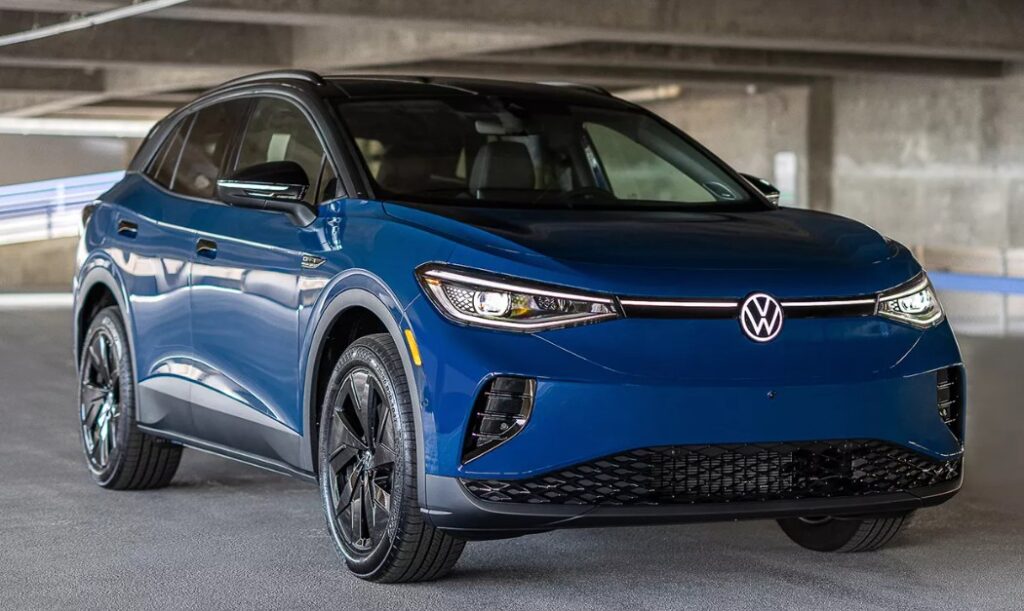
Volkswagen ID 4 Service Schedule

Content in this publication
- Why the Volkswagen ID 4 Service Schedule Matters
- Understanding How the Volkswagen ID 4 Differs From Traditional SUVs
- Official Volkswagen ID 4 Service Intervals
- Volkswagen ID 4 Service Schedule by Mileage
- Volkswagen ID 4 Maintenance Schedule Table
- Volkswagen ID 4 Battery Maintenance
- Volkswagen ID 4 Battery Warranty
- Brake Maintenance on the Volkswagen ID 4
- Tire Maintenance Is Critical for the ID 4
- Software Updates and Digital Maintenance
- Cabin Air Filter Replacement
- Cooling System Maintenance
- Suspension and Steering Maintenance
- Volkswagen ID 4 Maintenance Costs
- DIY Maintenance Tips for Volkswagen ID 4 Owners
- Seasonal Maintenance Tips
- How to Extend the Life of the Volkswagen ID 4
- Dealer Service vs Independent EV Shops
- Common Volkswagen ID 4 Maintenance Issues
- Long-Term Ownership Expectations
- Is the Volkswagen ID 4 Easy to Maintain?
- Frequently Asked Questions
Why the Volkswagen ID 4 Service Schedule Matters
Owning an electric vehicle feels different from the very first mile. The silence, the instant torque, the futuristic cabin — it all creates the impression that maintenance has somehow vanished into thin air. But while the Volkswagen ID.4 eliminates many traditional service tasks, it still needs routine attention to remain efficient, reliable, and comfortable for years.
The good news? The Volkswagen ID 4 service schedule is dramatically simpler than the maintenance plan for a gasoline SUV. No oil changes. No spark plugs. No exhaust systems. No complicated transmission servicing. Instead, maintenance revolves around batteries, tires, brakes, filters, cooling systems, and software updates.
Think of it like caring for a modern smartphone instead of maintaining an old mechanical machine. The maintenance is lighter, cleaner, and less frequent — but still essential.
In this guide, we will explore the complete Volkswagen ID 4 maintenance schedule, including mileage intervals, battery care, brake inspections, software updates, service costs, and practical ownership tips that help extend the life of the vehicle.
Understanding How the Volkswagen ID 4 Differs From Traditional SUVs
Electric Vehicles Need Different Maintenance
The ID 4 removes many service items drivers have dealt with for decades. Since there is no internal combustion engine, there is no need for:
- Engine oil changes
- Fuel filters
- Spark plugs
- Timing belts
- Exhaust repairs
- Traditional transmission servicing
This dramatically reduces maintenance complexity.
Instead, Volkswagen focuses the ID 4 service schedule on:
- Tire maintenance
- Brake fluid checks
- Battery monitoring
- Suspension inspections
- Cooling system maintenance
- Cabin air filters
- Software optimization
The result is a vehicle that spends less time in repair shops and more time silently cruising down the road.
Official Volkswagen ID 4 Service Intervals
How Often Should the Volkswagen ID 4 Be Serviced?
Volkswagen generally recommends servicing the ID 4 every:
- 10,000 miles
- Or once every 12 months
Whichever comes first.
These intervals help ensure the vehicle remains safe, efficient, and reliable while also protecting long-term battery health.
Driving Conditions Can Affect Service Frequency
Some drivers place heavier stress on the vehicle than others. Under severe conditions, more frequent inspections may become necessary.
Examples of Severe Driving Conditions
- Constant stop-and-go traffic
- Mountain driving
- Extremely hot climates
- Harsh winter conditions
- Heavy cargo hauling
- Frequent rapid acceleration
- Commercial or rideshare use
In situations like these, certain components — especially tires and suspension parts — may wear faster.
Volkswagen ID 4 Service Schedule by Mileage
10,000-Mile or 1-Year Service
The first service appointment is mostly preventive and inspection-focused.
Typical Services Include
- Tire rotation
- Brake inspection
- Steering system inspection
- Suspension inspection
- Battery system diagnostics
- Windshield washer refill
- Tire pressure adjustment
- Software update verification
- Cabin air filter inspection
This service is essentially a routine wellness check for the vehicle.
20,000-Mile or 2-Year Service
At this interval, maintenance becomes slightly more detailed.
Additional Maintenance Items
- Brake fluid replacement
- Cabin air filter replacement
- Cooling system inspection
- High-voltage battery check
- Tire wear analysis
Brake fluid service is particularly important because moisture can accumulate over time, reducing braking efficiency.
30,000-Mile Service
By 30,000 miles, technicians usually inspect wear-related components more carefully.
Common Inspection Areas
- Suspension bushings
- Wheel alignment
- Steering components
- Brake pads and rotors
- Tire condition
- Electrical systems
Electric vehicles are heavier than many traditional SUVs due to their battery packs, so suspension inspections become increasingly important over time.
40,000-Mile Service
The 40,000-mile service often represents one of the more comprehensive maintenance visits.
Typical Service Tasks
- Brake fluid inspection
- Cabin filter replacement
- High-voltage cable inspection
- Chassis evaluation
- Tire replacement assessment
- Battery cooling system check
At this point, many owners also replace their first full set of tires.
50,000 to 60,000-Mile Maintenance
Long-term ownership begins to reveal the true advantage of EV simplicity.
Common Services at This Stage
- Tire rotations
- Brake inspections
- Alignment checks
- Suspension evaluation
- Electrical diagnostics
- Cooling system monitoring
Some vehicles may also need:
- New tires
- Wiper blades
- Cabin filters
- Brake fluid replacement
Even after 60,000 miles, the ID 4 usually avoids the major mechanical repairs common in gasoline vehicles.
Volkswagen ID 4 Maintenance Schedule Table
| Mileage Interval | Typical Services |
|---|---|
| 10,000 miles | Tire rotation, inspections, software checks |
| 20,000 miles | Brake fluid, cabin filter, battery inspection |
| 30,000 miles | Steering and suspension evaluation |
| 40,000 miles | High-voltage inspections, cooling checks |
| 50,000+ miles | Long-term wear inspections |
Volkswagen ID 4 Battery Maintenance
Does the ID 4 Battery Require Regular Maintenance?
Technically yes — but far less than most people expect.
The battery management system constantly monitors temperature, charging speed, and battery health automatically. However, driving and charging habits still play a huge role in long-term performance.
Best Charging Habits for Long Battery Life
Avoid Charging to 100% Every Day
Volkswagen generally recommends charging to around 80% for daily driving.
Lithium-ion batteries prefer moderation. Constantly charging to maximum capacity creates additional stress over time.
Avoid Deep Battery Drains
Frequently allowing the battery to reach near 0% can accelerate long-term degradation.
Most experts recommend keeping the charge level between:
- 20%
- And 80%
During normal daily use.
Limit Excessive Fast Charging
DC fast charging is convenient during road trips, but constant rapid charging generates additional heat.
Occasional use is perfectly fine. Daily dependence on fast charging is less ideal for battery longevity.
Volkswagen ID 4 Battery Warranty
How Long Is the Battery Protected?
Volkswagen typically provides:
- 8 years
- Or 100,000 miles
Of battery warranty coverage in many regions.
This usually protects against excessive battery degradation or manufacturing defects.
Brake Maintenance on the Volkswagen ID 4
Why EV Brake Pads Last Longer
One of the biggest advantages of the ID 4 is regenerative braking.
Instead of relying entirely on friction brakes, the vehicle slows itself using the electric motor. This process recovers energy while reducing brake wear.
Some owners report brake pads lasting more than 70,000 miles.
That is almost unbelievable compared to many gasoline SUVs.
Brake Fluid Still Requires Attention
Even though the brake pads wear slowly, brake fluid still absorbs moisture over time.
Ignoring brake fluid replacement can lead to:
- Reduced braking efficiency
- Internal corrosion
- Poor pedal feel
That is why Volkswagen includes brake fluid service in the maintenance schedule.
Tire Maintenance Is Critical for the ID 4
Why Tires Wear Faster on EVs
Electric vehicles deliver instant torque, and the ID 4 is heavier than many comparable SUVs.
That combination increases tire wear.
The tires work harder every time we accelerate, corner, or brake.
Recommended Tire Rotation Intervals
Most experts recommend rotating the tires every:
- 10,000 miles
- Or once per year
This helps ensure even tread wear and maximizes tire life.
Signs the Tires Need Replacement
Common Warning Signs
- Reduced traction
- Increased road noise
- Uneven tread wear
- Steering vibration
- Reduced driving range
Worn tires can significantly reduce EV efficiency, especially during highway driving.
Software Updates and Digital Maintenance
Modern EVs Depend on Software
The ID 4 behaves as much like a computer as it does a traditional vehicle.
Software updates may improve:
- Charging performance
- Battery management
- Infotainment speed
- Driver assistance systems
- Navigation accuracy
- Range prediction
Sometimes a software update can completely change how the vehicle feels.
Over-the-Air Updates Simplify Ownership
Many Volkswagen ID 4 models support over-the-air updates.
This allows the vehicle to receive improvements without always visiting a dealership.
Still, certain updates may require dealer installation depending on the model year.
Cabin Air Filter Replacement
Why Cabin Filters Matter More Than People Realize
Without engine noise masking the cabin environment, airflow quality becomes more noticeable.
A dirty cabin air filter can cause:
- Weak airflow
- Musty odors
- Increased allergens
- Reduced HVAC efficiency
Volkswagen generally recommends replacing the cabin air filter every 20,000 miles or two years.
Cooling System Maintenance
Battery Temperature Control Is Essential
The Volkswagen ID 4 uses a thermal management system to regulate battery temperatures.
This system helps optimize:
- Charging speeds
- Battery longevity
- Energy efficiency
- Overall performance
Temperature control is one of the hidden heroes of EV reliability.
What Happens if Cooling Systems Fail?
Cooling system issues can lead to:
- Slower charging
- Reduced range
- Warning lights
- Battery stress
Fortunately, serious cooling problems remain relatively uncommon in the ID 4.
Suspension and Steering Maintenance
The Extra Weight of EV Batteries Matters
The ID 4 battery pack adds significant weight compared to traditional vehicles.
That means additional strain on:
- Suspension bushings
- Bearings
- Alignment components
- Steering systems
Regular inspections help prevent premature wear.
Symptoms of Suspension Problems
Watch for These Signs
- Clunking sounds
- Uneven tire wear
- Vehicle pulling to one side
- Excessive bouncing
- Loose steering feel
Catching these issues early prevents larger repair costs later.
Volkswagen ID 4 Maintenance Costs
Is the ID 4 Expensive to Maintain?
Compared to gasoline SUVs, not at all.
The absence of oil changes and engine repairs dramatically lowers ownership costs.
Average Annual Maintenance Costs
Most owners spend roughly:
- $300 to $600 annually
Depending on:
- Tire replacement frequency
- Local labor rates
- Climate
- Driving style
That is considerably lower than many traditional SUVs.
Most Common Maintenance Expenses
Typical Costs Include
- Tires
- Wheel alignments
- Cabin filters
- Brake fluid service
- Wiper blades
The battery itself rarely becomes a routine maintenance expense.
DIY Maintenance Tips for Volkswagen ID 4 Owners
What Can Owners Handle at Home?
Several maintenance tasks are simple enough for most drivers.
Easy DIY Tasks
- Checking tire pressure
- Refilling washer fluid
- Cleaning cameras and sensors
- Monitoring tire wear
- Replacing wiper blades
- Cleaning charging ports
However, high-voltage systems should always be handled by certified technicians.
Electric vehicles are sophisticated machines, not weekend science projects.
Seasonal Maintenance Tips
Winter Driving Tips
Cold weather affects EV efficiency more than many people expect.
Helpful Winter Practices
- Precondition the battery
- Keep tires properly inflated
- Use scheduled charging
- Clear snow from sensors
- Store charging cables carefully
These habits help preserve range and improve winter driving comfort.
Summer Driving Tips
Excessive heat can also impact battery performance.
Useful Summer Maintenance Habits
- Park in shaded areas
- Avoid excessive fast charging during heat waves
- Monitor tire pressure regularly
- Use cooling systems efficiently
Heat management plays a major role in battery longevity.
How to Extend the Life of the Volkswagen ID 4
Consistency Matters More Than Aggressive Maintenance
The healthiest ID 4 vehicles usually follow the same pattern:
- Smooth driving
- Moderate charging habits
- Regular inspections
- Consistent tire rotations
- Updated software
Longevity often comes from steady care rather than dramatic interventions.
Driving Style Impacts Wear and Efficiency
Aggressive acceleration may feel exciting, but it increases:
- Tire wear
- Energy consumption
- Suspension strain
Smooth driving helps maximize both efficiency and component life.
Think of it like jogging versus sprinting everywhere. One approach is sustainable. The other becomes exhausting quickly.
Dealer Service vs Independent EV Shops
Should We Use a Volkswagen Dealer?
Dealerships provide:
- Certified EV technicians
- Specialized diagnostic tools
- Warranty compliance
- Software expertise
For complex electrical repairs or warranty work, dealers are usually the safest choice.
Independent Shops Can Handle Some Services
Basic maintenance tasks like:
- Tire rotations
- Alignments
- Brake inspections
Can often be completed at reputable independent shops.
As EV adoption grows, more independent garages are gaining electric vehicle expertise.
Common Volkswagen ID 4 Maintenance Issues
What Problems Are Most Frequently Reported?
The ID 4 avoids many mechanical failures found in gasoline vehicles, but no vehicle is perfect.
Reported Issues Include
- Software glitches
- Infotainment lag
- Sensor warnings
- Tire wear
- 12V battery problems
Most issues are frustrating rather than catastrophic.
Software Improvements Have Helped Reliability
Earlier ID 4 models received criticism for software responsiveness.
Recent updates have significantly improved:
- System stability
- User interface speed
- Charging behavior
- Driver assistance features
The vehicle continues evolving through software refinement.
Long-Term Ownership Expectations
Can the Volkswagen ID 4 Last Beyond 100,000 Miles?
Absolutely.
Electric motors contain far fewer moving parts than combustion engines, reducing long-term mechanical complexity.
With proper maintenance, many experts believe EVs may eventually outlast traditional gasoline vehicles.
Battery Degradation Is Usually Slow
Most owners experience gradual battery degradation rather than sudden failure.
For many drivers, the battery remains highly usable well beyond 100,000 miles.
That helps make the ID 4 feel less like disposable technology and more like a durable long-term investment.
Is the Volkswagen ID 4 Easy to Maintain?
The Final Verdict
The Volkswagen ID 4 service schedule is refreshingly simple compared to traditional SUVs. Maintenance focuses primarily on preventive care rather than constant repairs.
No oil changes. No exhaust systems. No spark plugs. No complicated engine servicing.
Instead, ownership revolves around:
- Tires
- Battery care
- Brake fluid
- Software updates
- Cooling systems
- Routine inspections
The experience feels less mechanical and more technological — almost like maintaining a sophisticated digital device on wheels.
Still, simplicity should never become neglect. Following the recommended Volkswagen ID 4 maintenance schedule helps preserve battery health, driving comfort, safety, and long-term reliability.
Treat the vehicle properly, and the ID 4 can reward us with years of quiet, smooth, efficient driving that feels almost effortless.
Frequently Asked Questions
How often does a Volkswagen ID 4 need service?
The Volkswagen ID 4 typically requires service every 10,000 miles or once per year.
Does the Volkswagen ID 4 need oil changes?
No. Since the ID 4 is fully electric, it does not use engine oil.
How long do ID 4 brake pads last?
Because regenerative braking reduces wear, brake pads can sometimes last over 70,000 miles.
What is the most common maintenance expense?
Tires are usually the largest maintenance cost due to the vehicle’s weight and instant torque.
How can we maximize battery life?
Avoid constant 100% charging, limit excessive fast charging, and maintain moderate charge levels during daily driving.
If you want to know other articles similar to Volkswagen ID 4 Service Schedule you can visit the category Maintenance.
Honda Passport Maintenance Codes: Complete Maintenance Minder Guide
Honda Passport Maintenance Schedule: Complete Service Guide

Nissan Rogue Maintenance Schedule: Complete Service Guide
BYD Shark 6 Service Schedule: Complete Maintenance Guide
Mitsubishi Pajero Sport Service Schedule: Complete Maintenance Guide
Toyota Hilux 80000 km Service Cost: Complete Pricing and Maintenance Guide
Leave a Reply
More content of your interest