

Mitsubishi ASX Fuel Economy: Real-World Efficiency, MPG Insights & Expert Tips

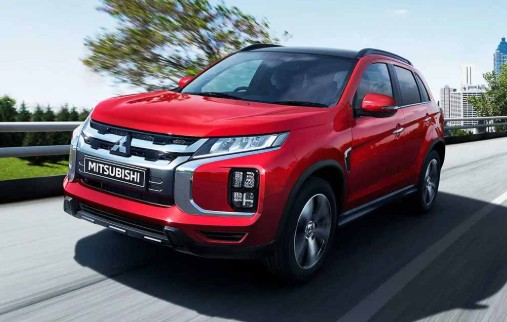
When we talk about compact SUVs that balance practicality with affordability, the Mitsubishi ASX often enters the conversation. But let’s be honest—fuel economy is where many buyers either fall in love… or walk away.
So, how efficient is the ASX really? Does it sip fuel like a hybrid wannabe, or gulp it like an old-school SUV? Let’s break it down together—no fluff, no recycled stats—just real insights, practical advice, and a bit of storytelling along the way.
Content in this publication
- Understanding Mitsubishi ASX Fuel Economy at a Glance
- Why Fuel Economy Matters More Than Ever
- Engine Options and Their Impact on Fuel Efficiency
- Diesel Variants: The Long-Distance Champion
- Real-World Fuel Economy vs Official Figures
- Urban Driving: Where Fuel Economy Takes a Hit
- Highway Driving: The ASX Shines
- Driving Style: The Hidden Fuel Economy Killer
- Transmission Matters: Manual vs CVT
- Weight and Load: The Silent Influencers
- Terrain and Climate: The Unseen Factors
- Maintenance: The Key to Consistent Efficiency
- Fuel Quality: Does It Really Matter?
- Comparing ASX Fuel Economy to Rivals
- Tips to Improve Mitsubishi ASX Fuel Economy
- Is the Mitsubishi ASX Fuel Efficient in 2026?
- Who Should Consider the ASX for Fuel Economy?
- The Evolution of Fuel Economy in Mitsubishi Vehicles
- Closing Thoughts: Is the ASX a Fuel-Saving Companion?
- FAQs About Mitsubishi ASX Fuel Economy
Understanding Mitsubishi ASX Fuel Economy at a Glance
Fuel economy in the ASX isn’t a one-size-fits-all number. It shifts depending on engine type, transmission, driving style, and even where you live.
Typical Fuel Economy Figures
- Petrol engines:
- 1.6L manual: ~5.7–6.2 L/100km (38–41 mpg)
- 2.0L CVT: ~6.7–7.5 L/100km (31–35 mpg)
- Diesel engines (where available):
- 1.8L diesel: ~5.0–5.6 L/100km (42–47 mpg)
But here’s the thing—numbers on paper are like promises before a road trip. Reality often has its own plans.
Why Fuel Economy Matters More Than Ever
Let’s zoom out for a second.
Fuel economy isn’t just about saving money at the pump. It’s about:
- Long-term ownership costs
- Environmental impact
- Daily driving comfort (fewer stops = less stress)
In cities like Bogotá—or any place with traffic that feels like a slow-moving parade—fuel efficiency becomes a daily companion.
Engine Options and Their Impact on Fuel Efficiency
1.6L Petrol Engine: The Lightweight Contender
This engine feels like a minimalist runner—light, efficient, and best suited for calm driving.
Pros
- Lower fuel consumption
- Simpler mechanics
- Affordable maintenance
Cons
- Less power for highways
- Needs more revs under load
2.0L Petrol Engine: The Balanced Performer
Think of this as the middle child—more power, slightly more thirst.
Pros
- Better for highway driving
- Smooth CVT performance
- Stronger acceleration
Cons
- Slightly higher fuel consumption
- CVT can feel less engaging
Diesel Variants: The Long-Distance Champion
The diesel ASX behaves like a marathon runner—steady, efficient, and built for distance.
Why Diesel Wins in Efficiency
- Higher torque = less strain
- Better fuel combustion
- Ideal for long journeys
But diesel isn’t perfect. Short city trips can actually reduce its efficiency due to incomplete warm-up cycles.
Real-World Fuel Economy vs Official Figures
Let’s be real—official numbers are like Instagram filters.
What Owners Actually Report
- City driving: 7.5–9.0 L/100km
- Highway driving: 5.5–6.5 L/100km
- Mixed driving: ~6.8–7.8 L/100km
Why the gap?
- Traffic conditions
- Driving habits
- Terrain (hello hills!)
- Vehicle load
Urban Driving: Where Fuel Economy Takes a Hit
City driving is the ultimate test.
Stop. Go. Stop again.
What Hurts Efficiency Most
- Constant braking
- Idling in traffic
- Short trips
The ASX handles city life well, but like most SUVs, it prefers a smoother rhythm.
Highway Driving: The ASX Shines
Out on the open road, the ASX relaxes—and so does its fuel consumption.
Why Efficiency Improves
- Stable speeds
- Less braking
- Better engine optimization
It’s almost like the car finally gets to stretch its legs after being stuck in traffic.
Here’s the truth—your right foot matters more than the engine.
Aggressive Driving
- Rapid acceleration
- Hard braking
- Higher fuel consumption
Smooth Driving
- Gradual acceleration
- Predictive braking
- Better MPG
Think of it like sipping coffee versus chugging it. Same drink, very different experience.
Transmission Matters: Manual vs CVT
Manual Transmission
- More control
- Slightly better efficiency (if driven well)
CVT Transmission
- Smoother driving
- Keeps engine in optimal range
- Slight efficiency trade-off
The CVT in the ASX is designed for comfort, not thrill—and that’s not necessarily a bad thing.
Weight and Load: The Silent Influencers
Ever noticed how your car feels heavier when fully loaded? That’s because it is.
Impact on Fuel Economy
- More weight = more fuel needed
- Roof racks increase drag
- Extra cargo reduces efficiency
Even small changes can add up over time.
Terrain and Climate: The Unseen Factors
Driving uphill vs flat roads is like walking vs climbing stairs.
Terrain Effects
- Hills increase fuel consumption
- Flat roads improve efficiency
Climate Effects
- Cold weather = lower efficiency
- AC usage increases fuel use
Your environment plays a bigger role than you might think.
Maintenance: The Key to Consistent Efficiency
A well-maintained ASX is like a well-tuned instrument—it performs beautifully.
Essential Maintenance Tips
- Keep tires properly inflated
- Change engine oil regularly
- Replace air filters
- Check spark plugs
Neglect these, and your fuel economy will quietly suffer.
Fuel Quality: Does It Really Matter?
Short answer? Yes.
Higher-quality fuel ensures:
- Better combustion
- Cleaner engine operation
- Improved efficiency
Cheap fuel might save you today—but cost you tomorrow.
Comparing ASX Fuel Economy to Rivals
Let’s stack it up against competitors.
Typical Rivals
- Nissan Qashqai
- Hyundai Tucson
- Kia Sportage
Where ASX Stands
- Slightly more efficient than older SUVs
- Competitive in its class
- Not class-leading, but reliable
The ASX isn’t trying to win a race—it’s playing the long game.
Tips to Improve Mitsubishi ASX Fuel Economy
Let’s get practical.
Simple Ways to Save Fuel
- Drive smoothly
- Avoid unnecessary idling
- Keep tires inflated
- Reduce excess weight
- Use cruise control on highways
Advanced Tips
- Plan routes to avoid traffic
- Shift gears efficiently (manual)
- Maintain steady speeds
Small habits create big savings over time.
Is the Mitsubishi ASX Fuel Efficient in 2026?
Let’s answer the big question.
Yes—But With Context
The ASX is:
- Efficient for its age
- Reliable and predictable
- Ideal for budget-conscious drivers
But compared to newer hybrids? It’s more traditional than revolutionary.
Who Should Consider the ASX for Fuel Economy?
This SUV fits certain lifestyles perfectly.
Best For
- Daily commuters
- Budget-conscious drivers
- People who value simplicity
Not Ideal For
- Performance seekers
- Hybrid-level efficiency expectations
It’s like choosing a dependable pair of shoes over flashy sneakers.
The Evolution of Fuel Economy in Mitsubishi Vehicles
The Mitsubishi Motors has steadily improved efficiency across its lineup.
From older, thirstier engines to more refined systems, the ASX represents a transitional phase—bridging old-school reliability with modern expectations.
Closing Thoughts: Is the ASX a Fuel-Saving Companion?
So, where do we land?
The Mitsubishi ASX isn’t trying to reinvent the wheel—it’s trying to keep it turning efficiently.
It offers:
- Solid, real-world fuel economy
- Reliable performance
- Predictable running costs
It may not dazzle with cutting-edge tech, but it quietly delivers where it matters most.
And sometimes, that’s exactly what we need.
FAQs About Mitsubishi ASX Fuel Economy
1. What is the average fuel consumption of a Mitsubishi ASX?
Typically between 6.5–7.5 L/100km in mixed driving, depending on engine and driving style.
2. Is the diesel ASX more fuel-efficient than petrol?
Yes, diesel variants generally offer better fuel economy, especially on long drives.
3. Does the CVT transmission affect fuel economy?
Slightly—it prioritizes smoothness over maximum efficiency but still performs well overall.
4. How can I improve my ASX fuel economy?
Drive smoothly, maintain your car regularly, and avoid unnecessary weight.
5. Is the ASX fuel-efficient compared to newer SUVs?
It’s competitive but not class-leading—new hybrids and EVs outperform it in efficiency.
If you want to know other articles similar to Mitsubishi ASX Fuel Economy: Real-World Efficiency, MPG Insights & Expert Tips you can visit the category Driving.
Kia Sorento Fuel Economy: MPG, Hybrid, and Plug-In Hybrid Explained
BYD Shark 6 Fuel Consumption: Real-World Economy, Range and What to Expect
Vauxhall Agila MPG: Real-World Fuel Economy and Engine Guide

Honda Passport MPG: Real-World Fuel Economy, Ratings, and What to Expect

Nissan Rogue Fuel Economy: MPG, Range, Costs, and Real-World Efficiency
BYD Shark 6 Long Range Fuel Tank: Is the 120L Upgrade Worth It?
Leave a Reply
More content of your interest