

Mitsubishi ASX Engine Size: The Complete Guide to Power, Efficiency, and Real-World Driving

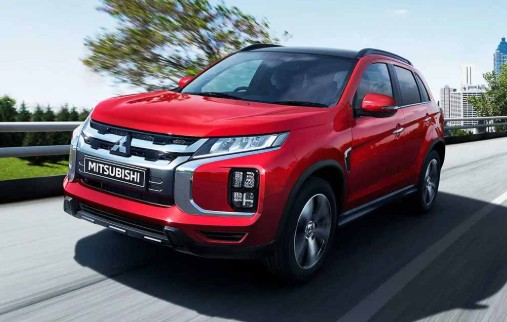
When we talk about compact SUVs that balance practicality with everyday usability, the Mitsubishi ASX quietly earns its place. But here’s the real question we often ask ourselves before buying: what’s under the hood—and does engine size really matter?
Let’s dive deep into the Mitsubishi ASX engine size, unpack every variant, and understand how it shapes performance, fuel economy, and driving experience. Think of this as your roadmap through horsepower, torque, and everything in between—without the jargon overload.
Content in this publication
- Why Engine Size Matters More Than You Think
- Overview of Mitsubishi ASX Engine Options
- The 1.6L Petrol Engine: Entry-Level Simplicity
- The 2.0L Petrol Engine: The Sweet Spot
- The 2.4L Petrol Engine: More Muscle, More Confidence
- Diesel Engines: Torque Kings of the ASX Range
- 1.6L Diesel Engine: Efficiency First
- 1.8L Diesel Engine: The All-Rounder
- 2.2L Diesel Engine: Maximum Capability
- How Engine Size Affects Fuel Economy
- Engine Size vs Performance: What Do We Really Feel?
- Engine Size and Maintenance Costs
- Choosing the Right Engine Size for Your Lifestyle
- Quick Comparison Table
- Common Misconceptions About Engine Size
- Future Trends: Downsizing and Hybridization
- Real-World Driving Scenarios
- Pros and Cons of Each Engine Size
- Final Thoughts: Which Engine Size Wins?
- Conclusion
- FAQs
Why Engine Size Matters More Than You Think
Understanding Engine Size in Simple Terms
Engine size—often measured in liters (L)—refers to the total volume of all cylinders in an engine. Bigger doesn’t always mean better, but it does influence:
- Power output
- Fuel consumption
- Driving feel
- Towing ability
Imagine engine size like lung capacity. A larger engine can “breathe” more air and fuel, producing more power—but it may also consume more fuel.
Overview of Mitsubishi ASX Engine Options
Over the years, the Mitsubishi ASX has offered a variety of engine sizes depending on market and model year. Let’s break them down.
Petrol Engine Sizes
- 1.6L naturally aspirated
- 2.0L naturally aspirated
- 2.4L (in select markets)
Diesel Engine Sizes
- 1.6L turbo diesel
- 1.8L turbo diesel
- 2.2L turbo diesel
Each of these engines tells a different story—some prioritize efficiency, others lean into power.
The 1.6L Petrol Engine: Entry-Level Simplicity
What We Get With 1.6L
This engine is often the base option. It’s straightforward, reliable, and easy to maintain.
Key Characteristics:
- Power: ~115 hp
- Torque: ~154 Nm
- Transmission: Manual
Driving Experience
Let’s be honest—it’s not a rocket. But for city commuting, it’s smooth and predictable. Think of it like a steady jog rather than a sprint.
Who Should Choose It?
- Urban drivers
- Budget-conscious buyers
- First-time SUV owners
The 2.0L Petrol Engine: The Sweet Spot
Why It’s the Most Popular Choice
The 2.0L engine is where balance comes alive. It offers enough power without sacrificing fuel economy.
Key Specs:
- Power: ~148 hp
- Torque: ~197 Nm
- Available with CVT automatic
Real-World Feel
This engine feels alive. Acceleration is smoother, overtaking is easier, and highway driving becomes effortless.
Why We Love It
- Balanced performance
- Better resale value
- Ideal for mixed driving
The 2.4L Petrol Engine: More Muscle, More Confidence
A Step Up in Performance
Available in select markets, the 2.4L engine pushes the ASX into a more powerful territory.
What It Offers:
- Power: ~168 hp
- Torque: ~222 Nm
Driving Personality
This is where the ASX feels bold. Climbing hills, carrying passengers, or towing light loads becomes noticeably easier.
Best For:
- Highway travelers
- Families with full loads
- Drivers who enjoy responsive acceleration
Diesel Engines: Torque Kings of the ASX Range
Diesel engines bring a completely different character to the table—more torque, better efficiency, and long-distance comfort.
1.6L Diesel Engine: Efficiency First
Highlights
- Power: ~114 hp
- Torque: ~270 Nm
Why It Stands Out
Even with a smaller size, the torque is impressive. It’s like having a compact bodybuilder under the hood.
Perfect For
- Long commutes
- Fuel-conscious drivers
1.8L Diesel Engine: The All-Rounder
What Makes It Special
- Power: ~148 hp
- Torque: ~300 Nm
Driving Feel
This engine feels strong and composed. It’s particularly good for highway cruising and light towing.
Why We Recommend It
- Great torque output
- Strong reliability reputation
- Ideal for mixed use
2.2L Diesel Engine: Maximum Capability
Top-Tier Performance
- Power: ~150 hp
- Torque: ~360 Nm
Real-Life Benefits
This engine transforms the ASX into a torque machine. It’s perfect for steep terrains and heavy loads.
Best Use Cases
- Off-road driving
- Towing
- Mountain roads
How Engine Size Affects Fuel Economy
Let’s address the elephant in the room—fuel consumption.
General Trends
- Smaller engines = better city economy
- Larger engines = more fuel usage but better performance
Typical Fuel Consumption
- 1.6L petrol: ~6.5–7.5 L/100km
- 2.0L petrol: ~7–8.5 L/100km
- Diesel engines: ~5–6.5 L/100km
Our Take
If you drive mostly in the city, smaller engines win. But for highways? Bigger engines shine.
Engine Size vs Performance: What Do We Really Feel?
Acceleration Differences
- 1.6L: Slow but steady
- 2.0L: Balanced
- 2.4L: Responsive
Torque Impact
Diesel engines dominate here. More torque means:
- Easier overtaking
- Better towing
- Less gear shifting
Engine Size and Maintenance Costs
Smaller Engines
- Lower maintenance costs
- Simpler mechanics
Larger Engines
- Slightly higher servicing costs
- More components to maintain
Diesel Engines
- Efficient but can be pricier to repair
Choosing the Right Engine Size for Your Lifestyle
Ask Yourself These Questions
- Do we drive mostly in the city?
- Do we need power for hills or towing?
- Are we prioritizing fuel savings or performance?
Quick Comparison Table
| Engine | Power | Torque | Best For |
|---|---|---|---|
| 1.6 Petrol | Low | Low | City |
| 2.0 Petrol | Medium | Medium | Mixed driving |
| 2.4 Petrol | High | Medium | Highway |
| 1.6 Diesel | Medium | High | Economy |
| 1.8 Diesel | High | High | Balanced |
| 2.2 Diesel | High | Very High | Heavy use |
Common Misconceptions About Engine Size
“Bigger Engines Are Always Better”
Not necessarily. Bigger engines can mean more fuel consumption.
“Smaller Engines Lack Power”
Modern engineering has changed that—especially with turbocharging.
Future Trends: Downsizing and Hybridization
The automotive world is shifting. Smaller turbo engines and hybrid systems are becoming the norm.
Even for models like the Mitsubishi ASX, we’re seeing:
- More efficient engines
- Electrified options
- Better fuel economy
Real-World Driving Scenarios
City Driving
Go for 1.6L or 2.0L petrol.
Highway Cruising
2.0L or 2.4L petrol works best.
Heavy Loads or Towing
Diesel engines—especially 1.8L or 2.2L—are ideal.
Pros and Cons of Each Engine Size
Pros
- Variety of choices
- Tailored performance
- Fuel efficiency options
Cons
- Some engines feel underpowered
- Diesel maintenance can be costly
Final Thoughts: Which Engine Size Wins?
If we had to pick one “goldilocks” option, the 2.0L petrol engine stands out. It’s balanced, reliable, and suits most drivers.
But here’s the truth—there’s no universal winner.
The best Mitsubishi ASX engine size depends entirely on how you drive. Are you a city commuter? A highway explorer? Or someone who needs muscle under the hood?
Choose wisely, because the engine is the heart of your driving experience—and once you feel the right one, you’ll know instantly.
Conclusion
The Mitsubishi ASX offers a diverse range of engine sizes that cater to different driving needs. From the efficient 1.6L petrol to the powerful 2.2L diesel, each engine brings its own flavor to the table.
We’ve explored how engine size affects performance, fuel economy, and usability. And in doing so, we’ve uncovered a simple truth: the “best” engine isn’t about size—it’s about fit.
Choose the one that matches your lifestyle, and the ASX will reward you with reliability and versatility.
FAQs
1. What is the most common Mitsubishi ASX engine size?
The 2.0L petrol engine is the most common and widely used option.
2. Is the 1.6L engine underpowered?
For city driving, it’s adequate. But for highways, it may feel limited.
3. Which engine is best for fuel economy?
Diesel engines, especially the 1.6L and 1.8L, offer the best efficiency.
4. Does engine size affect insurance costs?
Yes, larger engines can slightly increase insurance premiums.
5. Is diesel better than petrol in the ASX?
It depends. Diesel is better for long distances and torque, while petrol suits city driving.
If you want to know other articles similar to Mitsubishi ASX Engine Size: The Complete Guide to Power, Efficiency, and Real-World Driving you can visit the category Service and Parts.
Kia Sorento Service Reset: How to Reset the Service Light
Kia Sorento Fuel Tank Capacity: Gallons, Litres and Model Differences
Kia Sorento Tyre Pressure: Recommended PSI, Bar and Complete Guide
Kia Sorento Boot Space: How Much Luggage Space Does It Really Have?
Kia Sorento Towing Capacity: How Much Can a Sorento Tow?
Honda Passport Payload Capacity: How Much Weight Can It Carry?
Leave a Reply
More content of your interest