
Mitsubishi ASX Towing Capacity: What It Can Really Handle

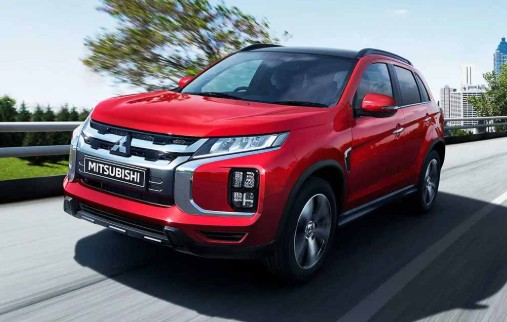
When we talk about compact SUVs, the Mitsubishi ASX often pops up as a reliable, no-nonsense option. But here’s the question that quietly lingers in the background: can it actually tow anything meaningful?
Let’s break it down together—no fluff, no robotic jargon—just a real-world look at the Mitsubishi ASX towing capacity, what it means for you, and whether it’s enough for your lifestyle.
Content in this publication
- Understanding Towing Capacity in Simple Terms
- Official Mitsubishi ASX Towing Capacity Figures
- Engine Matters More Than You Think
- Why Torque Is the Real Hero
- Braked vs Unbraked Trailers Explained
- Real-World Towing Scenarios
- Is the ASX Good for Caravan Towing?
- Towing Capacity by Model Year
- Transmission: Manual vs Automatic
- Payload vs Towing Capacity
- What Happens If You Exceed the Limit?
- Towing Tips for Mitsubishi ASX Owners
- Fuel Economy While Towing
- Does the ASX Have Trailer Stability Control?
- Comparing ASX to Rivals
- When the ASX Isn’t Enough
- Final Thoughts: Is the Mitsubishi ASX Good for Towing?
- Conclusion
- FAQs
Understanding Towing Capacity in Simple Terms
What Does “Towing Capacity” Actually Mean?
Towing capacity is the maximum weight your vehicle can safely pull. Think of it like your backpack—sure, you can stuff it with bricks, but should you?
For the Mitsubishi ASX, towing capacity depends on engine type, transmission, and even the region where it's sold.
Official Mitsubishi ASX Towing Capacity Figures
Typical Towing Limits Across Models
Here’s the general range you’ll find:
- Braked towing capacity:
- Up to 1,300 kg (2,866 lbs)
- Unbraked towing capacity:
- Around 600–750 kg (1,322–1,653 lbs)
These numbers apply to most modern ASX models, especially diesel variants, which tend to be stronger pullers.
Engine Matters More Than You Think
Petrol vs Diesel: A Quiet Power Battle
Not all ASX models are created equal.
Petrol Engines
- Lower torque
- Typically tow less weight
- Better for light trailers or bikes
Diesel Engines
- Higher torque (this is key!)
- Better suited for towing
- More stable under load
If towing is part of your lifestyle, diesel is your best friend here.
Why Torque Is the Real Hero
It’s Not About Speed—It’s About Strength
Torque is what actually pulls the load.
The Mitsubishi Motors engineered the ASX diesel engines to deliver strong low-end torque, which is exactly what you need when towing uphill or starting from a stop.
Think of torque like a strong push from behind—it’s what gets things moving.
Braked vs Unbraked Trailers Explained
What’s the Difference?
- Braked trailer: Has its own braking system → allows heavier loads
- Unbraked trailer: Relies on the car → limited weight
Quick Comparison
| Type | Weight Limit | Use Case |
|---|---|---|
| Braked | Up to 1,300 kg | Caravans, trailers |
| Unbraked | Up to 750 kg | Small trailers, bikes |
Real-World Towing Scenarios
What Can a Mitsubishi ASX Actually Tow?
Let’s make this practical.
With a 1,300 kg limit, you can tow:
- Small caravan
- Lightweight camper trailer
- Jet skis
- Motorbike trailer
- Small boat
But let’s be honest—it’s not a heavy-duty workhorse.
Is the ASX Good for Caravan Towing?
Short Answer: Yes… But With Limits
You can tow a caravan, but:
- Stick to lightweight caravans
- Avoid maxing out the capacity constantly
- Consider terrain (flat vs mountains)
It’s like jogging with a backpack—it’s fine, just don’t overload yourself every day.
Towing Capacity by Model Year
Older vs Newer ASX Models
While the ASX hasn’t changed drastically over the years, there are slight variations:
- Pre-2016 models: Slightly lower towing figures
- 2017+ facelift models: Improved stability and towing support
- Latest versions: More refined but similar limits
Transmission: Manual vs Automatic
Does It Affect Towing?
Yes—and more than people think.
Manual Transmission
- Better control
- Often preferred for towing
Automatic Transmission
- Easier to drive
- May slightly reduce towing efficiency
Still, modern automatics handle towing quite well.
Payload vs Towing Capacity
Don’t Confuse These Two
- Payload: Weight inside the car
- Towing capacity: Weight behind the car
If your car is loaded with passengers and luggage, your towing ability effectively decreases.
What Happens If You Exceed the Limit?
Spoiler: Nothing Good
Overloading your ASX can lead to:
- Brake failure
- Engine strain
- Transmission damage
- Reduced stability
- Legal issues
It’s not worth the risk—seriously.
Towing Tips for Mitsubishi ASX Owners
Make Every Trip Safer and Smoother
Here’s how we keep things under control:
- Use a proper tow bar
- Distribute weight evenly
- Check tire pressure
- Install towing mirrors if needed
- Drive slower than usual
- Avoid sudden braking
Fuel Economy While Towing
Expect a Noticeable Drop
Towing is like running uphill—you burn more energy.
- Fuel consumption can increase by 20–40%
- Diesel engines handle this better than petrol
Does the ASX Have Trailer Stability Control?
Safety Features That Matter
Some newer ASX models include:
- Stability control systems
- Anti-lock braking system (ABS)
- Electronic brakeforce distribution
These features help, but they don’t replace good driving habits.
Comparing ASX to Rivals
How Does It Stack Up?
Compared to similar SUVs:
- Nissan Qashqai: Similar towing capacity
- Hyundai Tucson: Slightly higher in some versions
- Toyota RAV4: Generally stronger towing ability
The ASX sits comfortably in the middle—not weak, but not dominant.
When the ASX Isn’t Enough
Know When to Upgrade
If you regularly tow:
- Large caravans
- Heavy boats
- Construction equipment
You might need something bigger—like a pickup or full-size SUV.
Final Thoughts: Is the Mitsubishi ASX Good for Towing?
The Mitsubishi ASX isn’t trying to be a heavyweight champion—and that’s okay.
It’s:
- Reliable
- Practical
- Capable for light to moderate towing
If your needs are simple—weekend getaways, small trailers, occasional hauling—it does the job just fine.
But if you’re planning to tow like a pro every weekend? You might want something with more muscle.
Conclusion
At the end of the day, the Mitsubishi ASX towing capacity reflects exactly what the car is: a balanced, everyday SUV that can stretch its legs when needed—but prefers not to sprint marathons.
Use it wisely, respect its limits, and it’ll serve you well for years.
FAQs
1. What is the maximum towing capacity of a Mitsubishi ASX?
Up to 1,300 kg (braked) and around 750 kg (unbraked) depending on the model.
2. Can a Mitsubishi ASX tow a caravan?
Yes, but only lightweight caravans within the towing limit.
3. Is the diesel ASX better for towing?
Absolutely. Diesel engines offer more torque, making towing easier and safer.
4. Does towing affect fuel consumption?
Yes, expect a 20–40% increase in fuel usage.
5. Can I tow at maximum capacity all the time?
It’s not recommended. Staying below the limit improves safety and longevity.
If you want to know other articles similar to Mitsubishi ASX Towing Capacity: What It Can Really Handle you can visit the category Service and Parts.
Vauxhall Mokka Tyre Pressure Reset: Complete Guide
How to Reset the Tire Pressure System on Your Hyundai Tucson
Hyundai Kona Tire Pressure: Complete PSI Guide
Vauxhall Corsa Timing Belt Replacement Cost UK 2026
Mazda CX-5 Tire Size Chart: 2013–2026 Guide
How to Reset a Honda Civic: Complete Step-by-Step Guide
Leave a Reply
More content of your interest