
Alfa Romeo Giulia Models: A Complete Guide to Every Trim, Engine, and Personality

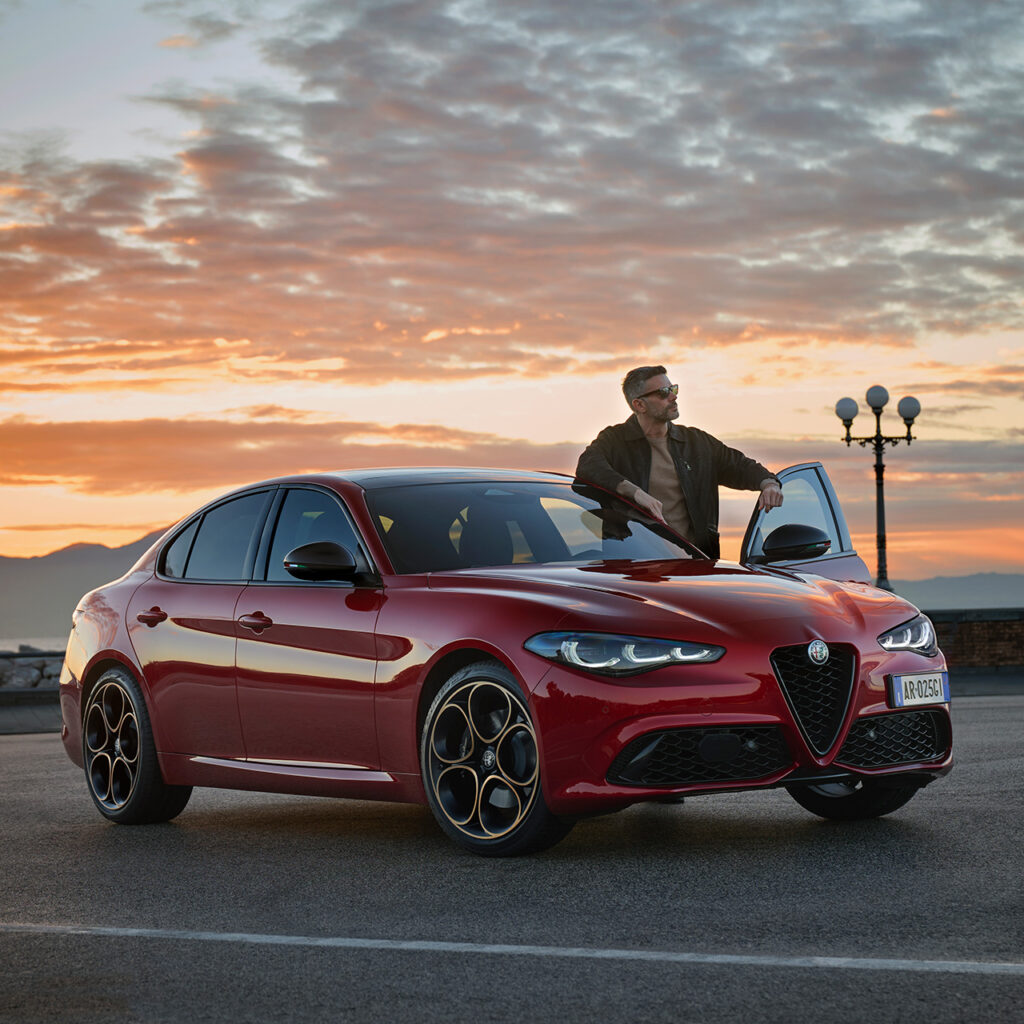
There’s something almost poetic about the Alfa Romeo Giulia. It’s not just a car—it’s an attitude on wheels. Think of it like espresso: sharp, intense, unapologetically Italian. But here’s the real question we all ask at some point: which Giulia model actually fits us?
Let’s dive deep—no fluff, no recycled specs—just a human, honest exploration of every Alfa Romeo Giulia model and what makes each one tick.
Content in this publication
- Why the Alfa Romeo Giulia Still Turns Heads
- A Quick Overview of Alfa Romeo Giulia Models
- Giulia Sprint: The Entry Point That Doesn’t Feel Basic
- Giulia Ti: Where Comfort Meets Character
- Giulia Veloce: Performance Starts Getting Serious
- Giulia Estrema: The Hidden Gem
- Giulia Quadrifoglio: The Crown Jewel
- Engine Options Across Giulia Models
- Rear-Wheel Drive vs All-Wheel Drive (Q4)
- Interior Experience: Minimalism Meets Emotion
- Technology and Infotainment
- Performance Differences Between Models
- Fuel Economy Across Giulia Models
- Design Differences Between Trims
- Which Alfa Romeo Giulia Model Should We Choose?
- Ownership Experience: What It’s Really Like
- Is the Giulia Reliable Enough?
- How the Giulia Compares to Rivals
- Final Thoughts: Is the Alfa Romeo Giulia Worth It?
- FAQs About Alfa Romeo Giulia Models
Why the Alfa Romeo Giulia Still Turns Heads


We’ve all seen cars that feel… safe. Predictable. The Giulia? It’s the opposite.
- Rear-wheel drive purity (rare these days)
- Razor-sharp steering
- A design that whispers “I’m different” instead of shouting
It’s the kind of car you don’t just drive—you experience.
A Quick Overview of Alfa Romeo Giulia Models
Before we go granular, let’s map the territory.
Main Giulia Trims
- Giulia Sprint
- Giulia Ti
- Giulia Veloce
- Giulia Estrema (limited/market dependent)
- Giulia Quadrifoglio
Each model builds on the previous one, layering performance, luxury, or both.
Giulia Sprint: The Entry Point That Doesn’t Feel Basic


What We Get
The Sprint is technically the base model—but calling it “basic” is like calling a tailored suit “just clothes.”
- 2.0L turbocharged engine (~280 hp)
- Rear-wheel drive (or optional AWD)
- Leather upholstery
- 8.8-inch infotainment system
Why It Works
We get the core DNA:
- Balanced chassis
- Quick acceleration
- Italian styling
If you want the Giulia experience without overspending, this is your sweet spot.
Giulia Ti: Where Comfort Meets Character
Upgrades Over Sprint
The Ti trim adds polish:
- Premium interior materials
- Advanced driver assistance systems
- Optional luxury packages
Driving Feel
Here’s the interesting part: it doesn’t lose its edge.
It just adds a layer of calm—like a sports car that learned yoga.
Giulia Veloce: Performance Starts Getting Serious


What Changes?
- Standard all-wheel drive (Q4 system)
- Sport-tuned suspension
- Paddle shifters
- Aggressive styling cues
Why Enthusiasts Love It
This is where things get spicy.
The Veloce feels:
- More planted
- More responsive
- More alive
It’s the model for people who enjoy corners more than straight lines.
Not everyone talks about this one—and that’s exactly why it’s interesting.
You may be interested in reading Alfa Romeo Giulia Trim Levels: The Complete Guide to Every Variant
Key Features
- Adaptive suspension
- Limited-slip differential
- Dark exterior accents
Who It’s For
We’d say:
“Drivers who want a taste of the Quadrifoglio without going full beast mode.”
Giulia Quadrifoglio: The Crown Jewel


Now we’re talking serious performance.
The Heart of the Beast
- 2.9L twin-turbo V6
- ~505 horsepower
- 0–60 mph in ~3.8 seconds
What Makes It Special
This engine? It has roots tied to Ferrari engineering.
And you feel it.
- Explosive acceleration
- Track-ready handling
- Raw, emotional driving
It’s Not Just Fast—It’s Alive
Driving a Quadrifoglio is like riding a thunderstorm.
It demands respect—but rewards courage.
Engine Options Across Giulia Models
Let’s simplify the engine lineup.
2.0L Turbocharged Inline-4
- Found in Sprint, Ti, Veloce
- ~280 hp
- Smooth and efficient
2.9L Twin-Turbo V6
- Exclusive to Quadrifoglio
- ~505 hp
- Pure adrenaline
Rear-Wheel Drive vs All-Wheel Drive (Q4)
Rear-Wheel Drive (RWD)
- More engaging
- Better balance
- Purist driving feel
All-Wheel Drive (AWD / Q4)
- More grip
- Better in bad weather
- Slightly heavier feel
We often ask ourselves:
“Do we want fun… or control?”
The Giulia lets us choose.
Interior Experience: Minimalism Meets Emotion


Step inside, and it’s clear: this car is driver-first.
Highlights
- Start button on the steering wheel (race car vibes)
- Clean dashboard layout
- High-quality materials
It’s not overloaded with tech—and that’s intentional.
Technology and Infotainment
What We Get
- Touchscreen with Apple CarPlay & Android Auto
- Digital driver display (newer models)
- Navigation system
What We Don’t Get
- Overly complex menus
- Distracting gimmicks
It’s refreshingly focused.
Performance Differences Between Models
Let’s break it down clearly.
Acceleration
- Sprint/Ti/Veloce: ~5.1–5.5 sec (0–60 mph)
- Quadrifoglio: ~3.8 sec
Handling
- Veloce: Balanced + sporty
- Quadrifoglio: Track-focused precision
Fuel Economy Across Giulia Models
Estimated MPG
- 2.0L models: ~24–33 mpg combined
- Quadrifoglio: ~17–25 mpg
Not the most efficient—but honestly?
You don’t buy a Giulia to save fuel.
Alfa Romeo Giulia Trim Levels: The Complete Guide to Every VariantYou may be interested in reading
Alfa Romeo Giulia vs BMW 4 SeriesDesign Differences Between Trims
Exterior Changes
- Sprint: Clean, classic
- Veloce: Sport accents
- Quadrifoglio: Carbon fiber, aggressive aero
Interior Variations
- Basic leather → premium leather → Alcantara/carbon fiber
Which Alfa Romeo Giulia Model Should We Choose?
Let’s simplify this decision.
Choose Sprint if:
- You want the experience at a lower cost
- You prioritize style + driving feel
Choose Ti if:
- You want more comfort
- You value daily usability
Choose Veloce if:
- You want sportiness without going extreme
- You enjoy spirited driving
Choose Quadrifoglio if:
- You want maximum performance
- You’re okay with higher costs
Ownership Experience: What It’s Really Like
Let’s be real—this matters.
Pros
- Unique styling
- Engaging drive
- Strong performance
Cons
- Maintenance can be higher
- Depreciation varies
- Not as mainstream
But honestly? That’s part of the charm.
Is the Giulia Reliable Enough?
The question everyone whispers.
Modern Giulias have improved significantly.
Still, we recommend:
- Regular maintenance
- Avoid neglecting service intervals
Treat it well—it rewards you.
How the Giulia Compares to Rivals
Think about competitors like:
- BMW 3 Series
- Audi A4
- Mercedes-Benz C-Class
Where Giulia Wins
- Driving dynamics
- Steering feel
- Emotional appeal
Where It Lags
- Tech polish
- Brand perception
Final Thoughts: Is the Alfa Romeo Giulia Worth It?
Here’s the truth.
The Alfa Romeo Giulia isn’t for everyone—and that’s exactly why it’s special.
If we want:
- Precision
- Personality
- Passion
Then yes… it’s absolutely worth it.
FAQs About Alfa Romeo Giulia Models
1. What is the best Alfa Romeo Giulia model?
It depends on your needs—Veloce offers the best balance, while Quadrifoglio delivers maximum performance.
2. Is the Giulia expensive to maintain?
Slightly higher than average, especially for the Quadrifoglio.
3. Which Giulia model is fastest?
The Quadrifoglio, by a wide margin.
4. Is AWD available on all models?
No, mainly on Veloce and some 2.0L trims.
You may be interested in readingAlfa Romeo Giulia Trim Levels: The Complete Guide to Every VariantYou may be interested in reading
Alfa Romeo Giulia vs BMW 4 SeriesYou may be interested in reading
 Jaecoo 7 Deluxe vs Luxury: Which Trim Truly Delivers the Better SUV Experience?
5. Is the Giulia good for daily driving?
Yes—especially Sprint, Ti, and Veloce models.
If you want to know other articles similar to Alfa Romeo Giulia Models: A Complete Guide to Every Trim, Engine, and Personality you can visit the category Models.
Land Rover Defender 90 Alternative: The Best Rivals Worth Considering
Land Rover Defender 90 Models: Complete Guide to Trims, Engines and Versions
Toyota Hilux Generations: Complete History, Evolution, and Key Differences
BMW M2 vs M340i: Which BMW Performance Car Should We Buy?
BMW M2 vs Porsche 911: Which Sports Car Makes More Sense?
BMW M2 vs Mustang GT: Which Performance Coupe Should We Buy?
Leave a Reply
More content of your interest