

Alfa Romeo Giulia vs BMW 4 Series

Content in this publication
- Two European Icons, One Difficult Decision
- Exterior Design Differences
- Interior Quality and Cabin Experience
- Technology and Infotainment
- Engine Options and Performance
- Acceleration and Top Speed
- Driving Experience and Handling
- Ride Comfort and Daily Driving
- Practicality and Space
- Fuel Economy Comparison
- Reliability and Maintenance Costs
- Insurance Costs and Ownership Expenses
- Brand Prestige and Image
- Resale Value and Depreciation
- Best Trim Levels to Consider
- Who Should Buy the Alfa Romeo Giulia?
- Who Should Buy the BMW 4 Series?
- Final Verdict
- FAQs
Two European Icons, One Difficult Decision
Choosing between the Alfa Romeo Giulia and the BMW 4 Series is not easy. Both are premium European performance cars with strong personalities, impressive engineering, and enough style to make people stare in parking lots. Yet they approach the luxury sports car formula in completely different ways.
The Giulia is passionate and emotional. It feels like an Italian sports sedan that was built by people obsessed with driving pleasure. The BMW 4 Series, meanwhile, is polished, intelligent, and deeply refined. It represents German precision at its best.
One car speaks to the heart. The other appeals to logic.
That’s exactly why this comparison matters.
If we are shopping for a luxury sports sedan or coupe that can handle daily commuting, weekend road trips, and spirited driving sessions, these two machines instantly rise to the top of the conversation. But which one deserves our money?
Let’s explore performance, design, comfort, reliability, technology, practicality, and ownership experience to discover which luxury sports car truly stands out.
Exterior Design Differences
The styling battle between these two cars is fascinating because both look premium, yet their personalities could not be more different.
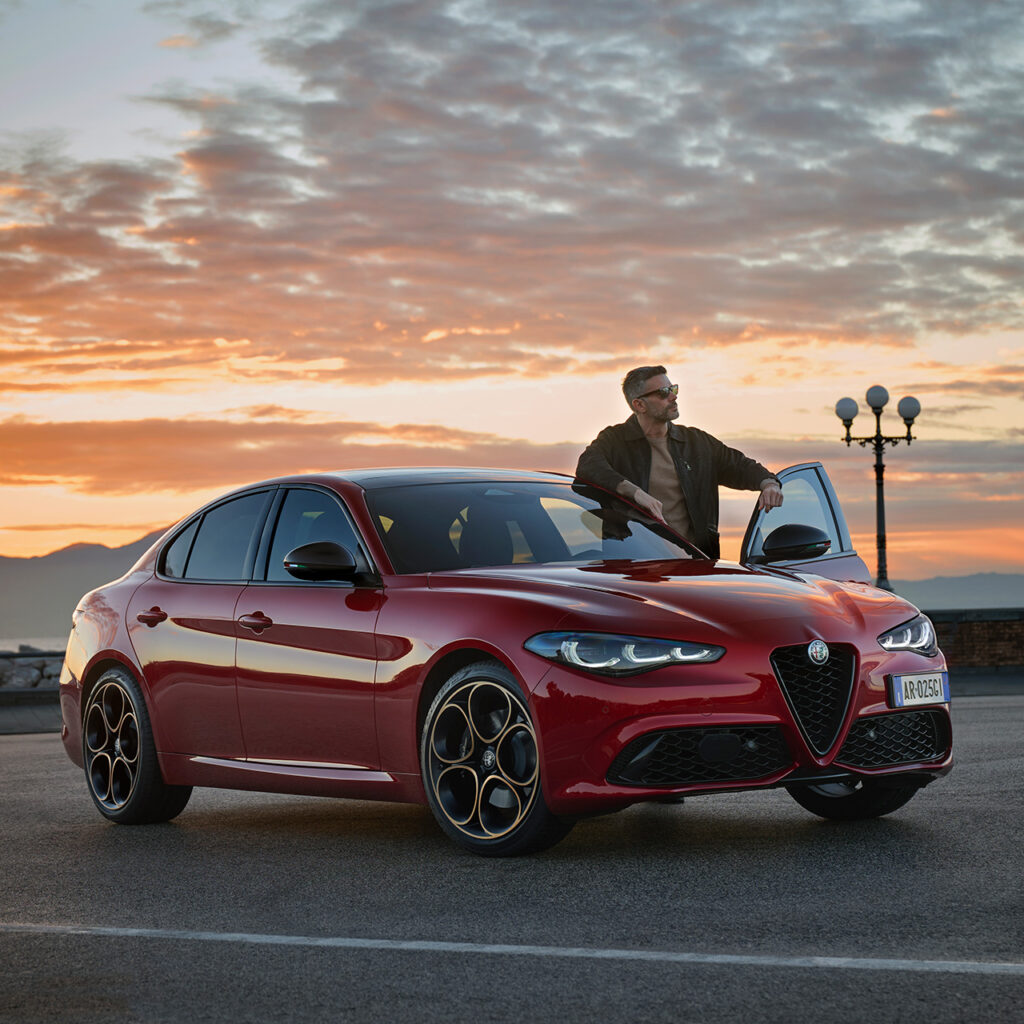
The Giulia carries unmistakable Italian flair. Its body lines flow naturally from front to rear, creating a shape that feels elegant and aggressive at the same time. The signature Alfa Romeo grille gives the front end a dramatic identity, while the narrow headlights create a focused and athletic appearance.
The BMW 4 Series looks more modern and muscular. Especially with the oversized kidney grille, the BMW has a bold presence that instantly grabs attention. Some people love the aggressive front fascia while others still prefer BMW’s older styling direction. Regardless of opinion, the 4 Series undeniably looks expensive.
The Giulia feels like a tailored Italian suit. The BMW feels like a luxury German timepiece carved from metal.
If we want emotional styling and rare road presence, the Giulia wins. If we prefer modern luxury aggression and premium prestige, the BMW takes the lead.
Interior Quality and Cabin Experience
Inside the cabin, the BMW 4 Series immediately shows why German luxury brands dominate this segment.
The materials feel upscale throughout the interior. Ambient lighting creates a premium atmosphere during night driving, while the seats combine comfort with sporty support. BMW’s dashboard layout also feels incredibly modern thanks to large digital displays and advanced infotainment integration.
The Giulia interior takes a more driver-focused approach. Everything feels centered around the driving experience rather than technological theatrics. The steering wheel is excellent, the seating position feels sporty, and the cabin has a clean design that avoids unnecessary clutter.
However, the Giulia cannot fully match the BMW when it comes to material quality and cutting-edge technology.
The BMW cabin feels richer overall.
Still, the Giulia offers something BMW occasionally lacks: character. Sitting inside an Alfa Romeo feels unique, almost like entering a boutique sports lounge instead of a corporate luxury car.
Technology and Infotainment
Technology plays a major role in modern luxury vehicles, and this is an area where BMW clearly dominates.
BMW’s iDrive system remains one of the best infotainment systems available today. It is fast, responsive, intuitive, and packed with features. Wireless Apple CarPlay, Android Auto, advanced voice commands, navigation systems, and digital gauges all work seamlessly together.
The Alfa Romeo Giulia has improved dramatically over the years, but its infotainment system still feels simpler and less advanced than BMW’s setup.
That simplicity can actually be refreshing for some drivers because it reduces distractions. But if we want the most sophisticated tech package, the BMW 4 Series easily wins this category.
Engine Options and Performance
Both cars offer impressive powertrains, but they deliver performance differently.
The Alfa Romeo Giulia typically comes equipped with a turbocharged 2.0-liter four-cylinder engine producing around 280 horsepower. It feels quick, responsive, and energetic during spirited driving.
Then there’s the legendary Giulia Quadrifoglio. Powered by a Ferrari-derived twin-turbo V6 engine producing over 500 horsepower, the Quadrifoglio transforms the Giulia into an absolute monster capable of competing with elite sports sedans.
The BMW 4 Series lineup is broader.
The 430i uses a turbocharged four-cylinder engine that balances efficiency and performance beautifully. The M440i adds a turbocharged inline-six with mild hybrid assistance, delivering smooth power and excellent acceleration. At the top sits the BMW M4, a high-performance machine that offers brutal speed and track-ready capability.
BMW provides more engine variety overall, but Alfa Romeo counters with stronger emotional engagement.
Acceleration and Top Speed
Performance numbers matter, especially in this segment.
Approximate 0–60 mph times show how competitive both vehicles really are:
- Alfa Romeo Giulia 2.0T: around 5.1 seconds
- BMW 430i: around 5.5 seconds
- BMW M440i: around 4.3 seconds
- Alfa Romeo Giulia Quadrifoglio: around 3.8 seconds
- BMW M4 Competition: around 3.4 seconds
The BMW M4 is ultimately faster, but the Giulia Quadrifoglio delivers astonishing performance while often feeling more dramatic behind the wheel.
Driving the Quadrifoglio feels like holding onto a lightning bolt.
Driving Experience and Handling
This is where the comparison becomes deeply personal.
The Alfa Romeo Giulia delivers one of the most engaging driving experiences in the luxury sedan market. The steering feels razor sharp, the chassis feels alive, and the car rotates beautifully through corners.
You may be interested in reading Jaecoo 7 Deluxe vs Luxury: Which Trim Truly Delivers the Better SUV Experience?
The Giulia almost seems eager to play with every road it touches.
BMW’s 4 Series feels more mature and composed. The steering is stable, confidence-inspiring, and refined, particularly during high-speed cruising. The suspension balances comfort and sportiness exceptionally well.
The difference comes down to personality.
The Giulia feels emotional and energetic.
The BMW feels calculated and precise.
Enthusiasts often prefer the Giulia because it feels rawer and more connected to the driver. Those prioritizing refinement and daily usability usually lean toward the BMW.
Ride Comfort and Daily Driving
Luxury sports cars need to perform two jobs simultaneously. They must entertain us during spirited drives while remaining comfortable enough for daily life.
The BMW 4 Series excels here.
Road noise is well controlled, suspension tuning feels polished, and long highway drives become effortless. The seats are comfortable even during extended trips, and the cabin isolation creates a genuinely luxurious atmosphere.
The Giulia remains comfortable, but its sporty tuning makes it feel slightly firmer and more focused. Some drivers love that connected feeling. Others may prefer the softer edge BMW provides.
If we spend hours commuting every week, the BMW likely feels easier to live with.
Practicality and Space
Practicality matters more than many sports car buyers initially admit.
The BMW 4 Series Gran Coupe offers a major advantage thanks to its hatchback-style cargo opening and larger trunk access. It’s surprisingly practical for luggage, shopping, and family use.
Rear-seat comfort is also slightly better in the BMW.
The Giulia remains usable as a daily driver, but its trunk space and rear-seat accommodations are less impressive overall.
Families and frequent travelers may appreciate BMW’s added practicality.
Fuel Economy Comparison
Efficiency is increasingly important even in luxury performance vehicles.
Typical combined fuel economy figures include:
- Alfa Romeo Giulia 2.0T: approximately 27 MPG
- BMW 430i: approximately 29 MPG
- BMW M440i: approximately 26 MPG
BMW’s mild hybrid systems and advanced engine refinement give it a slight efficiency advantage.
Still, both vehicles offer respectable fuel economy considering their performance capabilities.
Reliability and Maintenance Costs
Reliability remains one of the biggest concerns for luxury European cars.
Alfa Romeo still carries an older reputation for reliability issues involving electronics, build quality, and maintenance headaches. The Giulia is significantly better than older Alfa Romeo products, but concerns still exist among buyers.
BMW also has a mixed reliability history, though modern BMW models have improved substantially in recent years.
Neither vehicle is inexpensive to maintain.
The Giulia may create higher ownership stress because Alfa Romeo dealerships and specialized technicians are less common in many areas. Parts availability can also become frustrating.
BMW ownership costs remain high, but the ownership experience usually feels more predictable.
If long-term reliability confidence matters most, the BMW holds the advantage.
Insurance Costs and Ownership Expenses
Luxury performance cars almost always come with expensive insurance premiums.
Factors influencing insurance include:
- Age
- Driving history
- Location
- Trim level
- Repair costs
Generally speaking:
- BMW 4 Series insurance tends to be expensive due to repair costs and brand value
- Alfa Romeo Quadrifoglio insurance can become extremely costly because of performance levels and specialized repairs
Maintenance, premium fuel, tires, and brake components also increase ownership expenses significantly for both cars.
Neither is cheap to own.
Brand Prestige and Image
Brand image plays a surprisingly large role in this segment.
You may be interested in readingJaecoo 7 Deluxe vs Luxury: Which Trim Truly Delivers the Better SUV Experience?You may be interested in reading
Jaecoo 7 ModelsBMW enjoys enormous global prestige. The brand is associated with success, luxury, technology, and performance. Many buyers trust BMW because of decades of reputation and recognition.
Alfa Romeo appeals to enthusiasts who want something different.
Driving a Giulia tells the world we chose passion over predictability.
That exclusivity gives Alfa Romeo a special charm. The Giulia feels rare compared to the BMW, which appears more frequently on roads.
Some people value recognition. Others value individuality.
Resale Value and Depreciation
Luxury vehicles typically depreciate heavily, but Alfa Romeo tends to lose value faster than BMW.
Several factors contribute to this:
- Smaller buyer market
- Reliability concerns
- Lower brand confidence
- Limited dealer networks
BMW generally retains value better, especially desirable trims like the M440i and M4.
For buyers concerned about resale value, BMW represents the safer financial choice.
Best Trim Levels to Consider
Choosing the right trim can dramatically improve ownership satisfaction.
Strong Alfa Romeo Giulia choices include:
- Giulia Ti for overall value
- Giulia Veloce for sporty daily driving
- Giulia Quadrifoglio for maximum performance
Recommended BMW 4 Series trims include:
- 430i Gran Coupe for balanced luxury and practicality
- M440i xDrive for outstanding performance and daily usability
- M4 Competition for hardcore enthusiasts
Each lineup offers something unique depending on our priorities and budget.
Who Should Buy the Alfa Romeo Giulia?
The Giulia is ideal for drivers who prioritize emotion and driving engagement above everything else.
We should choose the Giulia if we:
- Love sharp steering
- Want something unique
- Appreciate Italian design
- Enjoy spirited driving
- Prefer personality over perfection
The Giulia feels alive in ways many modern luxury cars simply do not.
Who Should Buy the BMW 4 Series?
The BMW 4 Series works beautifully for buyers seeking a more complete luxury package.
We should choose the BMW if we:
- Prioritize advanced technology
- Need better practicality
- Value comfort during daily driving
- Want stronger resale value
- Prefer refined luxury
The BMW balances performance and usability exceptionally well.
Final Verdict
Comparing the Alfa Romeo Giulia and the BMW 4 Series reveals two completely different philosophies within the luxury performance world.
The Giulia delivers emotion, sharp handling, exotic styling, and a driving experience that feels deeply personal. It’s a car for enthusiasts who want every drive to feel memorable.
The BMW 4 Series offers a more polished experience with superior technology, stronger practicality, refined comfort, and better long-term ownership confidence.
Neither car is objectively perfect.
The best choice depends entirely on what kind of driver we are.
If our heart controls the purchase, the Giulia becomes irresistible.
If logic and balance guide the decision, the BMW 4 Series stands out as the smarter all-around option.
Thankfully, there’s no truly wrong answer here.
Both cars remind us why European performance vehicles continue to dominate the luxury sports segment.
FAQs
Is the Alfa Romeo Giulia faster than the BMW 4 Series?
The standard Giulia is competitive with lower BMW trims, but high-performance BMW M models are generally faster overall.
Which car is more reliable: Giulia or BMW 4 Series?
The BMW 4 Series generally has a stronger reliability reputation and broader service support.
Does the Alfa Romeo Giulia handle better than the BMW 4 Series?
Many enthusiasts believe the Giulia offers sharper steering and more engaging handling dynamics.
Which car has the better interior?
The BMW 4 Series typically offers superior technology, materials, and cabin refinement.
Is the Alfa Romeo Giulia worth buying over the BMW?
Yes, especially for buyers seeking unique styling, emotional driving dynamics, and exclusivity.
You may be interested in readingJaecoo 7 Deluxe vs Luxury: Which Trim Truly Delivers the Better SUV Experience?You may be interested in reading
Jaecoo 7 ModelsYou may be interested in reading
Omoda 5 vs Jaecoo 7: Which SUV Truly Deserves Your Money?If you want to know other articles similar to Alfa Romeo Giulia vs BMW 4 Series you can visit the category Models.
Land Rover Defender 90 Alternative: The Best Rivals Worth Considering
Land Rover Defender 90 Models: Complete Guide to Trims, Engines and Versions
Toyota Hilux Generations: Complete History, Evolution, and Key Differences
BMW M2 vs M340i: Which BMW Performance Car Should We Buy?
BMW M2 vs Porsche 911: Which Sports Car Makes More Sense?
BMW M2 vs Mustang GT: Which Performance Coupe Should We Buy?
Leave a Reply
More content of your interest