

SsangYong Tivoli Tyre Pressure: The Complete Guide for Better Safety, Comfort, and Fuel Economy

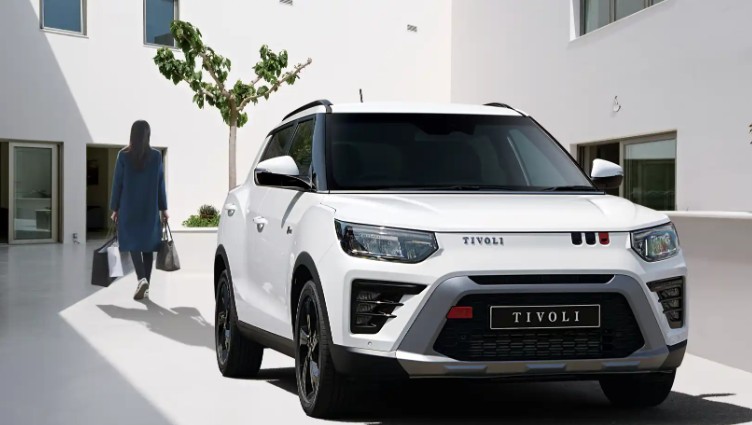
When we talk about maintaining the SsangYong Tivoli, tyre pressure is one of those deceptively small details that quietly controls everything. It affects fuel consumption, steering precision, braking distance, ride comfort, tyre lifespan, and even the overall personality of the car. Ignore it, and your Tivoli can start feeling sluggish, noisy, or strangely unstable—like wearing running shoes with the laces half untied.
Yet many drivers only think about tyre pressure when a warning light suddenly flashes on the dashboard.
That’s a mistake.
In this complete guide, we’ll break down everything you need to know about SsangYong Tivoli tyre pressure—from recommended PSI levels and seasonal adjustments to TPMS warnings, tyre wear patterns, and practical maintenance tips that actually make a difference in everyday driving.
Content in this publication
- Why Tyre Pressure Matters More Than Most Drivers Realize
- Recommended SsangYong Tivoli Tyre Pressure
- Understanding PSI, BAR, and kPa
- How To Check SsangYong Tivoli Tyre Pressure Properly
- Tools You Need
- Step-by-Step Tyre Pressure Check
- How Weather Affects Tivoli Tyre Pressure
- Summer Heat and Tyre Expansion
- SsangYong Tivoli TPMS Warning Light Explained
- Why the TPMS Light Comes On
- How To Reset the SsangYong Tivoli TPMS
- Signs Your Tivoli Tyres Are Incorrectly Inflated
- Best Tyre Pressure for Highway Driving
- Driving With Heavy Loads in the Tivoli
- How Often Should You Check Tyre Pressure?
- Best Tyres for the SsangYong Tivoli
- How Tyre Pressure Impacts Fuel Economy
- Uneven Tyre Wear Patterns Explained
- Can Incorrect Tyre Pressure Damage the Tivoli?
- Should You Use Nitrogen Instead of Air?
- What Happens If You Ignore Low Tyre Pressure?
- Emergency Tyre Pressure Situations
- Does Wheel Size Affect Tivoli Tyre Pressure?
- Tyre Pressure and Ride Comfort
- How Tyre Pressure Affects Wet Weather Grip
- The Importance of Checking the Spare Tyre
- Common Tyre Sizes on the SsangYong Tivoli
- Simple Monthly Tyre Maintenance Routine
- Final Thoughts on SsangYong Tivoli Tyre Pressure
- FAQs About SsangYong Tivoli Tyre Pressure
Why Tyre Pressure Matters More Than Most Drivers Realize
Tyres are the only part of the vehicle touching the road. Four small contact patches carry the entire weight of the SUV, absorb bumps, transfer engine power, and help the brakes stop safely.
If tyre pressure is incorrect, everything changes.
Underinflated Tyres Can Cause
- Increased fuel consumption
- Poor cornering stability
- Uneven tyre wear
- Longer braking distances
- Excessive heat buildup
- Premature tyre failure
Overinflated Tyres Can Lead To
- Harsh ride quality
- Reduced traction
- Faster center tread wear
- Increased vulnerability to pothole damage
- Less predictable handling
The Tivoli is designed to balance comfort and practicality. Incorrect tyre pressure disrupts that balance immediately.
Recommended SsangYong Tivoli Tyre Pressure
The correct tyre pressure for a SsangYong Tivoli depends on several factors:
- Wheel size
- Tyre dimensions
- Passenger load
- Cargo weight
- Driving conditions
However, most Tivoli models generally use tyre pressures within the following range:
| Driving Condition | Front Tyres | Rear Tyres |
|---|---|---|
| Normal driving | 32 PSI | 32 PSI |
| Full load/passengers | 35 PSI | 35 PSI |
| Highway driving | 34 PSI | 34 PSI |
These numbers may vary slightly depending on the trim level and tyre setup.
Where To Find the Exact Tyre Pressure
Never rely solely on internet charts.
Always check:
- Driver-side door jamb sticker
- Fuel filler flap
- Owner’s manual
These locations provide the manufacturer-approved pressure settings for your specific configuration.
Understanding PSI, BAR, and kPa
Tyre pressure measurements can look confusing at first glance because different countries use different units.
Common Pressure Units
| Unit | Meaning |
|---|---|
| PSI | Pounds per square inch |
| BAR | Metric pressure unit |
| kPa | Kilopascals |
For reference:
1 BAR≈14.5 PSI
A typical Tivoli tyre pressure of 32 PSI equals approximately:
- 2.2 BAR
- 220 kPa
How To Check SsangYong Tivoli Tyre Pressure Properly
Checking tyre pressure sounds simple, but many drivers unknowingly do it incorrectly.
Best Time To Check Tyre Pressure
Always measure pressure when tyres are cold.
“Cold” means:
- The vehicle hasn’t been driven for at least 3 hours
- Or has driven less than 1 mile slowly
Driving heats the tyres and temporarily increases pressure readings.
Tools You Need
You don’t need a garage full of equipment.
A few basic tools are enough:
- Digital tyre pressure gauge
- Portable air compressor
- Valve cap remover
- TPMS-compatible inflator (optional)
Digital gauges are usually more accurate than older analogue types.
Step-by-Step Tyre Pressure Check
1. Remove the Valve Cap
Unscrew the cap carefully and place it somewhere safe.
Tiny valve caps disappear faster than socks in a washing machine.
2. Press the Gauge Firmly
Push the gauge onto the valve stem quickly and firmly.
You should hear only a brief hiss.
3. Read the Pressure
Compare the reading with the recommended pressure sticker.
4. Adjust as Needed
- Add air if pressure is low
- Release air if overinflated
5. Reinstall the Valve Cap
Valve caps protect against dirt and moisture entering the valve.
Simple—but surprisingly important.
How Weather Affects Tivoli Tyre Pressure
Temperature dramatically changes tyre pressure.
When air gets colder, tyre pressure drops.
When air gets hotter, pressure rises.
A good rule of thumb:
ΔP≈1 PSI per 10∘F
That means a cold winter morning can easily reduce your Tivoli’s tyre pressure by several PSI overnight.
Winter Driving Tips
During colder months:
- Check pressures weekly
- Inflate to manufacturer specs
- Avoid driving on severely underinflated tyres
Cold tyres can feel soft and sluggish if pressure drops too low.
Summer Heat and Tyre Expansion
Hot weather increases internal tyre pressure naturally.
But here’s the key point:
You should NOT deflate hot tyres after driving.
Why?
Because the manufacturer’s recommendation already accounts for normal operating heat expansion.
Reducing pressure while tyres are hot can leave them dangerously underinflated once they cool down.
SsangYong Tivoli TPMS Warning Light Explained
Modern SsangYong Tivoli models often include a Tire Pressure Monitoring System (TPMS).
This system alerts drivers when pressure drops below safe levels.
Common TPMS Warning Symbols
- Yellow horseshoe icon
- Exclamation mark inside tyre symbol
- Flashing tyre pressure warning light
Why the TPMS Light Comes On
The warning may appear because of:
- Low tyre pressure
- Sudden temperature drop
- Slow puncture
- Faulty sensor
- Recent tyre rotation
- Dead TPMS battery
Sometimes the warning is accurate.
Sometimes it’s just reacting to weather changes.
Either way, always inspect the tyres immediately.
How To Reset the SsangYong Tivoli TPMS
Depending on model year, resetting the system may involve:
Method 1: Automatic Reset
Many Tivoli models reset automatically after:
- Correct inflation
- Several minutes of driving
Some models include a reset switch:
- Turn ignition on
- Hold reset button
- Wait for flashing indicator
- Drive normally
Method 3: Infotainment Reset
Newer variants may allow resetting through:
- Vehicle settings
- Driver assistance menu
- Tyre monitoring submenu
Always follow the owner’s manual instructions for your exact trim.
Signs Your Tivoli Tyres Are Incorrectly Inflated
Sometimes the vehicle tells us something is wrong before the dashboard does.
Symptoms of Low Pressure
- Heavy steering feel
- Increased fuel usage
- Vehicle pulling sideways
- Excessive tyre shoulder wear
- Soft handling response
Symptoms of Excessive Pressure
- Bouncy ride
- Reduced grip
- Loud road noise
- Faster center tread wear
The Tivoli normally rides with a smooth, planted feel. If it suddenly feels awkward or jittery, tyre pressure should be one of the first things checked.
Best Tyre Pressure for Highway Driving
Long-distance travel changes tyre demands considerably.
Higher speeds create:
- More heat
- More rolling resistance
- More load stress
For motorway or highway trips, slightly higher pressures may improve:
- Stability
- Fuel economy
- Tyre longevity
However, never exceed the tyre sidewall maximum pressure.
That number is NOT the recommended daily pressure—it’s the maximum safe limit.
Driving With Heavy Loads in the Tivoli
One of the strengths of the SsangYong Tivoli is practicality.
But carrying:
- Five passengers
- Full luggage
- Camping equipment
- Roof cargo
…changes tyre requirements significantly.
Why Higher Pressure Helps
Extra load compresses the tyre sidewalls more aggressively.
Higher pressure:
- Maintains shape
- Reduces overheating
- Improves stability
Ignoring load-related adjustments can accelerate tyre wear dramatically.
How Often Should You Check Tyre Pressure?
Most people wait too long.
Ideally, check tyre pressure:
- Every 2 weeks
- Before long journeys
- During major temperature changes
- After hitting potholes
- Before carrying heavy loads
Tyres naturally lose air over time—even without punctures.
A small monthly pressure loss is completely normal.
Best Tyres for the SsangYong Tivoli
Tyre pressure works hand-in-hand with tyre quality.
Popular tyre options for the Tivoli include:
- Michelin Primacy series
- Continental EcoContact
- Bridgestone Turanza
- Hankook Ventus
- Goodyear EfficientGrip
Different tyre brands may slightly affect ride feel, noise levels, and handling character.
But even premium tyres perform poorly with incorrect pressure.
How Tyre Pressure Impacts Fuel Economy
Here’s something many drivers underestimate:
Low tyre pressure quietly drains fuel efficiency every single day.
Underinflated tyres create:
- More rolling resistance
- More friction
- More engine workload
The result?
Higher fuel costs.
Potential Fuel Economy Loss
Studies often show:
- 3–5 PSI below spec can noticeably increase consumption
- Severe underinflation can reduce efficiency even more
Over months and years, that adds up substantially.
Uneven Tyre Wear Patterns Explained
Tyres tell stories.
You just need to know how to read them.
Wear on Both Edges
Usually indicates:
- Underinflation
Wear in the Center
Usually indicates:
- Overinflation
Wear on One Side
May indicate:
- Alignment issues
- Suspension problems
Checking tread patterns regularly can help catch problems before they become expensive.
Can Incorrect Tyre Pressure Damage the Tivoli?
Indirectly, yes.
Improper tyre pressure can contribute to:
- Suspension strain
- Reduced braking efficiency
- Premature tyre replacement
- Steering component stress
- Poor traction control performance
Modern SUVs rely heavily on electronic safety systems. Incorrect tyre pressure can interfere with how those systems behave.
Should You Use Nitrogen Instead of Air?
Some tyre shops promote nitrogen inflation.
Is it worth it?
For most Tivoli drivers:
Probably not essential.
Advantages of Nitrogen
- Slightly slower pressure loss
- Reduced moisture
- More stable under extreme temperatures
Real-World Reality
Regular compressed air works perfectly fine when pressures are checked consistently.
Maintenance matters more than gas type.
What Happens If You Ignore Low Tyre Pressure?
Ignoring low pressure is like ignoring a tiny crack in a windshield—it usually grows into something bigger.
Severe underinflation can lead to:
- Blowouts
- Excessive heat buildup
- Poor emergency handling
- Tyre sidewall failure
At highway speeds, that becomes a serious safety issue.
Emergency Tyre Pressure Situations
Sometimes pressure drops suddenly.
If a Tyre Loses Pressure Quickly
Do this immediately:
- Slow down gradually
- Avoid sharp steering inputs
- Pull over safely
- Inspect the tyre visually
- Use temporary repair kit if available
- Inflate only if safe to do so
Never continue driving on a severely deflated tyre.
Even short distances can destroy the tyre internally.
Does Wheel Size Affect Tivoli Tyre Pressure?
Absolutely.
Different Tivoli trims may use:
- 16-inch wheels
- 17-inch wheels
- 18-inch wheels
Larger wheels often use lower-profile tyres, which may require slightly different pressure settings.
That’s why using the factory sticker matters so much.
Generic advice online can easily be inaccurate.
Tyre Pressure and Ride Comfort
One of the most noticeable differences comes from comfort.
Low Pressure Feels
- Soft
- Floaty
- Lazy
High Pressure Feels
- Firm
- Sharp
- Sometimes harsh
The sweet spot gives the Tivoli:
- Balanced handling
- Smooth ride quality
- Predictable steering
It’s a bit like tuning a guitar string—too loose or too tight, and the harmony disappears.
How Tyre Pressure Affects Wet Weather Grip
Rain changes everything.
Incorrect tyre pressure reduces the tyre’s ability to channel water effectively.
This increases the risk of:
- Hydroplaning
- Reduced braking grip
- Unstable cornering
Maintaining correct pressure is one of the cheapest safety upgrades possible.
No fancy modifications required.
Just air.
The Importance of Checking the Spare Tyre
Many drivers completely forget the spare.
Until they actually need it.
If your Tivoli includes:
- Full-size spare
- Space-saver spare
…check its pressure regularly too.
A flat spare tyre during an emergency is the automotive equivalent of bringing an umbrella with holes in it.
Common Tyre Sizes on the SsangYong Tivoli
Depending on market and trim, common tyre sizes include:
- 205/65 R16
- 215/55 R17
- 225/45 R18
Different tyre sizes can influence:
- Ride comfort
- Steering sharpness
- Fuel economy
- Noise levels
But the correct pressure remains essential regardless of size.
Simple Monthly Tyre Maintenance Routine
Keeping your Tivoli tyres healthy doesn’t require mechanical expertise.
A simple monthly routine works wonders:
Monthly Checklist
- Check tyre pressure
- Inspect tread depth
- Look for cuts or bulges
- Rotate tyres if necessary
- Inspect valve caps
- Verify spare tyre pressure
Ten minutes of maintenance can save hundreds in tyre replacement costs.
Final Thoughts on SsangYong Tivoli Tyre Pressure
The SsangYong Tivoli is designed to be practical, efficient, and comfortable. But even the best-engineered SUV depends heavily on one surprisingly simple factor: correct tyre pressure.
It influences:
- Safety
- Fuel economy
- Tyre lifespan
- Ride comfort
- Handling precision
And unlike expensive repairs or modifications, tyre pressure maintenance costs almost nothing.
That’s what makes it so powerful.
A few PSI can completely transform how the Tivoli feels on the road—whether we’re commuting through city traffic, cruising on the motorway, or heading out on a weekend adventure.
So next time you walk past your vehicle, don’t just admire it.
Check the tyres.
Your Tivoli will thank you for it.
FAQs About SsangYong Tivoli Tyre Pressure
What is the recommended tyre pressure for the SsangYong Tivoli?
Most Tivoli models typically use around 32 PSI for normal driving, though exact specifications depend on tyre size and trim level.
Why does my Tivoli TPMS warning light come on in winter?
Cold temperatures reduce tyre pressure naturally, often triggering the TPMS warning system.
Can overinflated tyres damage ride comfort?
Yes. Excessive tyre pressure can create a harsh, bouncy ride and reduce road grip.
How often should I check tyre pressure on a Tivoli?
Checking every two weeks is ideal, especially during seasonal temperature changes.
Does tyre pressure affect fuel economy?
Absolutely. Underinflated tyres increase rolling resistance and force the engine to work harder, reducing fuel efficiency.
If you want to know other articles similar to SsangYong Tivoli Tyre Pressure: The Complete Guide for Better Safety, Comfort, and Fuel Economy you can visit the category Service and Parts.
Land Rover Defender 90 Tyre Pressure: Complete Guide
Land Rover Defender 90 Weight: Kerb Weight, GVW and Payload Explained
Land Rover Defender 90 Towing Capacity: Complete Guide
Land Rover Defender 90 Boot Space: Size, Dimensions and Practicality
Toyota Hilux Key Battery Replacement: Complete DIY Guide
Toyota Hilux Windscreen Replacement Cost: Prices, Factors, and Money-Saving Tips
Leave a Reply
More content of your interest