
SsangYong Tivoli Reliability: Is It a Dependable SUV or a Risky Buy?

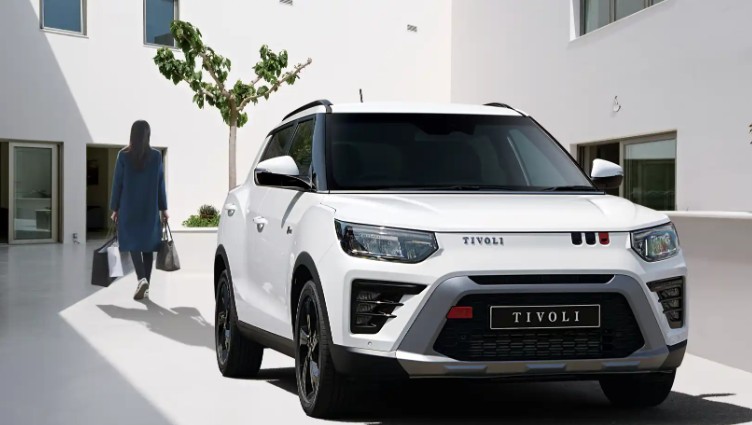
The compact SUV market feels like a crowded parking lot these days. Every brand promises rugged reliability, low running costs, and enough technology to make us feel like astronauts during the morning commute. Yet hidden among the usual suspects sits the often-overlooked SsangYong Tivoli — a quirky Korean crossover that quietly built a loyal fanbase.
But here’s the million-dollar question: is the SsangYong Tivoli reliable enough to trust long term?
That’s where things get interesting.
The Tivoli doesn’t always dominate headlines like a Nissan Qashqai or Hyundai Kona, yet many owners swear by its durability, simplicity, and honest engineering. Others, however, point to electrical gremlins, gearbox quirks, and occasional parts availability headaches.
So let’s peel back the layers and explore the real-world reliability of the SsangYong Tivoli — without the marketing fluff.
Content in this publication
- Why Reliability Matters More Than Ever
- What Is the SsangYong Tivoli?
- Who Makes SsangYong Vehicles?
- Overall SsangYong Tivoli Reliability Verdict
- Engine Reliability of the SsangYong Tivoli
- Transmission Reliability
- Electrical Problems: The Tivoli’s Weak Spot
- Suspension and Ride Durability
- Interior Quality and Long-Term Durability
- How Reliable Is the SsangYong Tivoli After 100,000 Miles?
- Most Common SsangYong Tivoli Problems
- How Does the Tivoli Compare to Rivals?
- Are SsangYong Parts Expensive?
- Maintenance Tips to Improve Tivoli Reliability
- Is the SsangYong Tivoli Reliable for Families?
- Reliability of Older vs Newer Tivoli Models
- What Owners Usually Love About the Tivoli
- What Owners Usually Dislike
- Should You Buy a Used SsangYong Tivoli?
- Is the Tivoli Reliable Enough for Long Trips?
- The Truth About SsangYong’s Reputation
- Final Verdict: Is the SsangYong Tivoli Reliable?
- FAQs About SsangYong Tivoli Reliability
Why Reliability Matters More Than Ever
Buying a car today is a little like entering a long-term relationship. The excitement of the first few months fades quickly if expensive repairs start appearing like uninvited guests.
Reliability affects:
- Repair costs
- Resale value
- Insurance confidence
- Fuel efficiency over time
- Daily peace of mind
A reliable SUV becomes invisible in the best possible way. It starts every morning, survives road trips without drama, and doesn’t constantly flash warning lights like a Christmas tree.
That’s exactly what many Tivoli owners hope for.
What Is the SsangYong Tivoli?
The SsangYong Tivoli launched in 2015 as SsangYong’s answer to the exploding compact SUV market. It arrived with bold styling, generous equipment levels, and pricing that undercut major rivals.
Key Features of the Tivoli
- Compact SUV dimensions
- Petrol and diesel engines
- Manual and automatic options
- Front-wheel drive or AWD variants
- Spacious cabin
- Strong value-for-money positioning
It quickly gained attention because it offered a lot of car for the money.
Almost suspiciously so.
And whenever something seems cheaper than competitors, buyers naturally ask: where’s the catch?
Who Makes SsangYong Vehicles?
Understanding the manufacturer helps us understand reliability.
KG Mobility, formerly known as SsangYong Motor, is one of Korea’s oldest vehicle manufacturers. The company has gone through ownership changes and financial struggles over the years, which sometimes affected global confidence in the brand.
Still, SsangYong vehicles earned a reputation for:
- Tough diesel engines
- Durable chassis design
- Simple mechanical layouts
- Good off-road capability
The Tivoli represented a shift toward modern urban SUVs while trying to keep that rugged DNA alive.
Overall SsangYong Tivoli Reliability Verdict
Let’s cut straight to it.
Is the SsangYong Tivoli Reliable?
Yes — the SsangYong Tivoli is generally considered reasonably reliable, especially compared to some rivals packed with overly complicated electronics.
However, it is not flawless.
Most owners experience:
- Solid engine durability
- Good long-term mechanical strength
- Affordable servicing
- Occasional electrical issues
- Minor trim quality concerns
Think of the Tivoli like a sturdy hiking boot. It may not look as polished as premium alternatives, but it often keeps marching long after flashier rivals develop expensive problems.
Engine Reliability of the SsangYong Tivoli
The engine is the heartbeat of any vehicle. Fortunately, this is one area where the Tivoli performs surprisingly well.
Petrol Engine Reliability
The petrol engines are typically dependable if maintained properly.
Common positives include:
- Smooth operation
- Decent fuel economy
- Few catastrophic failures
- Strong cold-weather starting
However, some owners report:
- Rough idling
- Coil pack failures
- Sensor-related engine lights
These issues are usually manageable and rarely engine-destroying.
Diesel Engine Reliability
The diesel variants often receive stronger reliability praise.
Why?
Because SsangYong historically built rugged diesel powertrains. Many drivers report high mileage with minimal serious issues.
Common strengths include:
- Long engine lifespan
- Strong torque delivery
- Good towing confidence
- Durable internal components
But diesel ownership still requires proper care.
Ignoring maintenance is like refusing to brush your teeth and acting shocked when the dentist gets rich.
Transmission Reliability
Transmission issues can turn any affordable SUV into a wallet-draining nightmare.
Thankfully, the Tivoli’s gearbox reliability is mostly decent.
Manual Gearbox Reliability
The manual transmission is generally robust.
Drivers appreciate:
- Smooth gear engagement
- Predictable clutch feel
- Long clutch life under normal use
Still, some complaints include:
- Notchy shifting
- Early clutch wear in city driving
- Occasional linkage stiffness
Automatic Transmission Reliability
The automatic gearbox divides opinion more sharply.
Some owners enjoy years of trouble-free operation, while others report:
- Hesitation during acceleration
- Jerky shifting
- Delayed gear engagement
The key factor usually comes down to maintenance.
Regular fluid changes dramatically improve automatic gearbox longevity.
Electrical Problems: The Tivoli’s Weak Spot
If the Tivoli has an Achilles’ heel, it’s the electrical system.
Not every owner experiences issues, but enough reports exist to notice a pattern.
Common Electrical Complaints
Owners sometimes report:
You may be interested in reading Is SsangYong Tivoli a Good Car? Honest Ownership Review
- Infotainment glitches
- Faulty parking sensors
- Random warning lights
- Window switch failures
- Battery drain problems
The good news?
Most electrical faults are irritating rather than catastrophic.
Still, electrical gremlins can feel like mosquitoes at night — tiny, persistent, and unbelievably annoying.
Suspension and Ride Durability
One pleasant surprise with the Tivoli is suspension toughness.
The SUV handles rough roads relatively well, especially compared to firmer European rivals.
Suspension Strengths
- Comfortable ride quality
- Durable suspension setup
- Good pothole resistance
- Stable highway manners
Potential Weaknesses
Over time, owners may encounter:
- Worn suspension bushes
- Noisy shock absorbers
- Front-end rattles
These are fairly common wear items for compact SUVs and not unique to the Tivoli.
Interior Quality and Long-Term Durability
The interior won’t fool anyone into thinking they’re inside a luxury SUV.
But durability matters more than soft-touch plastics in the long run.
Cabin Durability
Many Tivolis age reasonably well inside.
Positive points include:
- Hard-wearing seats
- Durable dashboard materials
- Spacious rear seating
- Functional layout
However, some owners notice:
- Rattling trim pieces
- Peeling steering wheel material
- Infotainment lag
- Cheap-feeling switches
The cabin feels practical rather than premium — like a reliable backpack instead of a designer handbag.
How Reliable Is the SsangYong Tivoli After 100,000 Miles?
This is where real reliability reveals itself.
A car can behave beautifully during warranty years. The real test comes later.
Many high-mileage Tivoli owners report:
- Strong engine longevity
- Minimal rust problems
- Durable drivetrain components
- Acceptable running costs
But maintenance history becomes crucial.
A neglected Tivoli can age poorly, while a well-maintained example often remains dependable beyond 100,000 miles.
Most Common SsangYong Tivoli Problems
No honest reliability article should ignore recurring problems.
Frequent Tivoli Issues Include
1. Infotainment Freezing
The touchscreen may occasionally freeze or reboot unexpectedly.
2. Sensor Faults
Parking sensors and tyre pressure systems sometimes trigger false warnings.
3. Clutch Wear
Manual versions used heavily in urban traffic may need clutch replacement earlier than expected.
4. Turbo Problems
Some diesel models develop turbo-related concerns if oil changes are skipped.
5. DPF Issues
Diesel particulate filter clogging can occur in vehicles driven mainly on short journeys.
This isn’t unique to SsangYong — many modern diesels suffer the same fate.
How Does the Tivoli Compare to Rivals?
Reliability becomes clearer through comparison.
Tivoli vs Nissan Qashqai
Nissan Qashqai offers:
- Better brand reputation
- Stronger resale value
- More refined technology
But the Tivoli often wins on:
- Simplicity
- Value for money
- Lower purchase price
Tivoli vs Hyundai Kona
Hyundai Kona generally feels more polished and technologically advanced.
Yet the Tivoli can still compete thanks to:
- Spacious cabin
- Comfortable ride
- Competitive reliability
Tivoli vs Dacia Duster
Dacia Duster and Tivoli share similar philosophies:
- Affordable ownership
- Rugged simplicity
- Honest practicality
Both appeal to buyers who prioritize function over prestige.
Are SsangYong Parts Expensive?
Parts availability depends heavily on location.
In some countries, sourcing components is straightforward.
In others, owners experience delays because the dealer network is smaller than mainstream brands.
Typical Ownership Costs
Generally affordable:
- Oil changes
- Brake replacements
- Filters
- Suspension repairs
Potentially more difficult:
- Specialist electronics
- Rare trim components
- Certain body panels
The smaller brand presence sometimes affects repair convenience more than reliability itself.
Maintenance Tips to Improve Tivoli Reliability
A reliable car still needs care.
Treat maintenance like exercise — skip it for too long and problems arrive quietly.
Best Practices for Long-Term Reliability
Change Oil Regularly
Fresh oil protects the turbo and engine internals.
Avoid Ignoring Warning Lights
Small electrical faults can snowball into larger issues.
Drive Diesel Models Properly
Occasional motorway driving helps prevent DPF clogging.
Inspect Suspension Components
Especially if driving frequently on rough roads.
Keep the Battery Healthy
Weak batteries often trigger strange electronic behavior.
You may be interested in readingIs SsangYong Tivoli a Good Car? Honest Ownership ReviewYou may be interested in reading
 Chery Tiggo 4 Reliability: Is This Budget SUV Built to Last?
Is the SsangYong Tivoli Reliable for Families?
For many families, yes.
The Tivoli offers:
- Good cabin space
- Comfortable seating
- Practical boot area
- Solid visibility
- Decent safety equipment
Parents often appreciate its straightforward design.
Some modern SUVs feel overloaded with technology that nobody requested. The Tivoli remains refreshingly simple in comparison.
Reliability of Older vs Newer Tivoli Models
Not all Tivoli model years behave equally.
Older Models
Earlier versions occasionally suffered more software and infotainment issues.
Facelifted Models
Later updates improved:
- Cabin refinement
- Technology stability
- Safety systems
- Noise insulation
If reliability is your priority, newer facelifted versions are generally safer bets.
What Owners Usually Love About the Tivoli
Despite the brand’s modest reputation, many owners become surprisingly loyal.
Common Praise Includes
- Comfortable driving position
- Excellent value
- Reliable diesel engines
- Spacious interior
- Distinctive styling
Some owners even describe the Tivoli as an underrated gem hiding in plain sight.
What Owners Usually Dislike
No vehicle escapes criticism.
Most Common Complaints
- Weak resale value
- Limited dealer network
- Average fuel economy on some versions
- Electrical quirks
- Less refined interior materials
These drawbacks matter differently depending on buyer priorities.
Should You Buy a Used SsangYong Tivoli?
A used Tivoli can actually be a smart purchase.
Why?
Because depreciation often works in the buyer’s favor.
What to Check Before Buying
Service History
This is absolutely critical.
Electrical Functions
Test everything:
- Touchscreen
- Sensors
- Windows
- Climate controls
Transmission Performance
Watch for hesitation or rough shifting.
Diesel Health
Check for smoke, rough running, or DPF warnings.
Suspension Noises
Listen carefully during test drives.
A clean, maintained Tivoli can deliver excellent value compared to more expensive rivals.
Is the Tivoli Reliable Enough for Long Trips?
Many owners regularly use the Tivoli for long-distance travel without major issues.
The SUV performs well thanks to:
- Comfortable seats
- Stable highway ride
- Decent cargo space
- Relaxed diesel engines
It may not feel luxurious, but it usually gets the job done reliably.
Like an old friend who never forgets to show up when you need help moving house.
The Truth About SsangYong’s Reputation
Brand reputation can sometimes distort reality.
Because SsangYong isn’t as mainstream as brands like Toyota or Honda, some buyers automatically assume poor reliability.
But actual ownership experiences tell a more nuanced story.
The Tivoli is not perfect.
Yet it also isn’t the unreliable disaster some critics imagine.
In fact, many reliability concerns stem more from:
- Dealer availability
- Brand familiarity
- Parts distribution
…rather than catastrophic engineering flaws.
Final Verdict: Is the SsangYong Tivoli Reliable?
So where do we land?
The SsangYong Tivoli delivers above-average reliability for its price point, especially when properly maintained.
Its biggest strengths include:
- Durable engines
- Comfortable ride
- Simple mechanics
- Strong value for money
Its biggest weaknesses include:
- Minor electrical problems
- Smaller dealer network
- Average resale value
If you expect premium luxury refinement, the Tivoli may disappoint.
But if you want a practical SUV that behaves like a dependable workhorse rather than a temperamental diva, the Tivoli deserves serious consideration.
Sometimes reliability isn’t about perfection.
Sometimes it’s simply about showing up every day without drama.
And in many cases, the Tivoli does exactly that.
FAQs About SsangYong Tivoli Reliability
Is the SsangYong Tivoli expensive to maintain?
No, maintenance costs are generally affordable compared to many rival SUVs. Routine servicing and common repairs are reasonably priced.
Do SsangYong Tivoli engines last long?
Yes, especially the diesel engines. With proper maintenance, many owners report high mileage without major engine failures.
What is the most common SsangYong Tivoli problem?
Electrical issues such as infotainment glitches and warning light faults are among the most commonly reported problems.
Is the Tivoli good for long-distance driving?
Yes, the Tivoli offers comfortable seating, stable handling, and practical fuel economy for long journeys.
You may be interested in readingIs SsangYong Tivoli a Good Car? Honest Ownership ReviewYou may be interested in reading
Chery Tiggo 4 Reliability: Is This Budget SUV Built to Last?You may be interested in reading
Is Chery Tiggo 4 a Good Car? A Deep Dive Into This Budget SUVShould I buy a used SsangYong Tivoli?
A well-maintained used Tivoli can offer excellent value, especially because depreciation often makes them cheaper than mainstream rivals.
If you want to know other articles similar to SsangYong Tivoli Reliability: Is It a Dependable SUV or a Risky Buy? you can visit the category Blog.
Vauxhall Meriva Insurance Group UK: Costs, Ratings and Savings

Is Hyundai i40 a Good Car? An Honest Used-Car Review
Hyundai i40 Years to Avoid: The Complete Used-Car Guide
Hyundai i40 Reliability: Common Problems, Lifespan, and Buying Advice
Which Kia Rio Engine Is Best? A Smart Buyer’s Guide
Kia Rio Reliability: A Real-World Guide for Smart Buyers
Leave a Reply
More content of your interest