

Is SsangYong Tivoli a Good Car? Honest Ownership Review

Content in this publication
- Why the SsangYong Tivoli Deserves More Attention
- What Is the SsangYong Tivoli?
- Exterior Design: Stylish Enough or Too Plain?
- Interior Quality: Better Than Many Expect
- Comfort Levels in Daily Driving
- How Does the Tivoli Handle?
- Engine Performance: Enough Power for Everyday Life?
- Manual or Automatic Transmission?
- Fuel Economy: Is It Cheap to Run?
- Insurance and Maintenance Costs
- Reliability: Is the Tivoli Dependable?
- Common SsangYong Tivoli Problems
- How Long Does a Tivoli Last?
- Safety Features and Family Friendliness
- Technology and Infotainment
- Boot Space and Practicality
- Who Is the Tivoli Best Suited For?
- Who Might Not Like the Tivoli?
- Tivoli vs Its Rivals
- The Real Ownership Experience
- Biggest Strengths of the SsangYong Tivoli
- Biggest Weaknesses of the SsangYong Tivoli
- Final Verdict: Is the SsangYong Tivoli a Good Car?
- Frequently Asked Questions
Why the SsangYong Tivoli Deserves More Attention
The compact SUV market is packed tighter than a rush-hour subway. Every manufacturer wants a piece of the crossover pie, and buyers are drowning in choices. Somewhere in the middle of all this noise sits the SsangYong Tivoli — an SUV many people overlook until they discover how much value it actually offers.
So, is it a good car?
Yes, for many drivers it absolutely is.
The Tivoli may not carry the prestige of a German badge or the trendy image of newer rivals, but it quietly delivers the things that matter most in daily driving: practicality, affordability, comfort, and decent reliability. It feels like that dependable backpack we keep using year after year because it simply works.
Still, no car is perfect. The Tivoli has weaknesses too, and understanding both sides is what helps us decide whether it deserves a spot in our driveway.
What Is the SsangYong Tivoli?
The Tivoli is a compact crossover SUV originally launched by SsangYong Motor, now operating under KGM. It entered the market to compete against popular small SUVs like:
- Hyundai Kona
- Nissan Juke
- Kia Stonic
- Renault Captur
- SEAT Arona
Unlike many flashy competitors, the Tivoli focuses heavily on value and practicality instead of trying to look aggressively sporty.
That approach surprisingly works well.
Exterior Design: Stylish Enough or Too Plain?
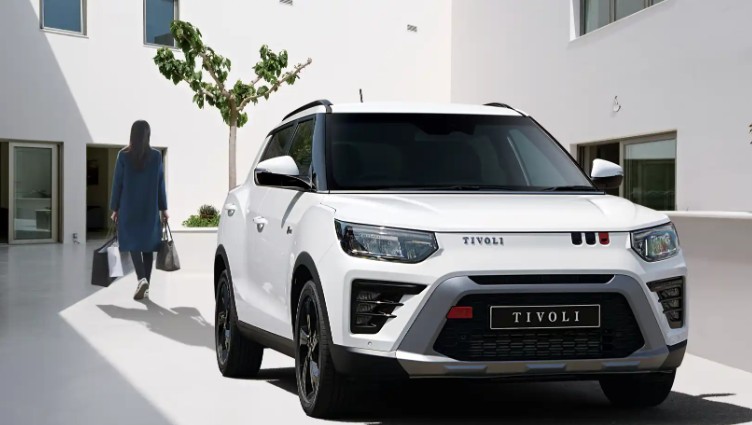
The Tivoli’s styling sits somewhere between modern and conservative. Earlier versions looked slightly quirky, while facelifted models appear sharper and more mature.
Its design avoids extremes.
Some SUVs today look like they were designed by people drinking too much espresso at 2 a.m. The Tivoli feels calmer. More balanced. More approachable.
The front grille is bold enough to look modern, and the overall proportions give it a proper SUV presence without becoming oversized.
It may not turn heads like a luxury crossover, but it also avoids looking cheap.
Interior Quality: Better Than Many Expect
Step inside the Tivoli and the first thing we notice is practicality.
The cabin is not luxurious, but it is functional and thoughtfully designed. Hard plastics are present, yes, but most surfaces feel durable rather than flimsy.
The dashboard layout is straightforward:
- Controls are easy to reach
- Buttons make sense
- Visibility is excellent
- Storage spaces are useful
Sometimes simplicity beats flashy gimmicks.
Many newer vehicles bury basic functions inside complicated touchscreens. The Tivoli keeps life easier.
Comfort Levels in Daily Driving
One of the Tivoli’s strongest qualities is ride comfort.
The suspension tuning leans toward softness, which works brilliantly for:
- City streets
- Rough pavement
- Speed bumps
- Long commutes
Driving it feels relaxed rather than tense.
It is not trying to be a sports SUV. Think comfortable walking shoes instead of racing spikes.
Front seats are supportive enough for long trips, and the elevated driving position gives excellent road visibility.
Rear passenger space is also surprisingly generous for a compact crossover.
How Does the Tivoli Handle?
Handling is competent but not thrilling.
The steering feels light, which helps enormously when parking or maneuvering through narrow urban streets. Around corners, the Tivoli remains stable enough, though enthusiastic drivers may want sharper feedback.
Compared to some European rivals, it lacks a sporty personality.
But honestly, many drivers do not care about attacking corners like they are qualifying for a race circuit. Most people simply want a calm and predictable SUV.
The Tivoli delivers exactly that.
Engine Performance: Enough Power for Everyday Life?
The Tivoli has been available with several engines over the years, including petrol and diesel options.
The most common modern engine is the turbocharged petrol unit, which provides decent everyday performance.
Acceleration is respectable:
You may be interested in reading Chery Tiggo 4 Reliability: Is This Budget SUV Built to Last?
- Good enough for city traffic
- Comfortable motorway cruising
- Adequate overtaking ability
It is not fast, but it rarely feels dangerously underpowered either.
Diesel versions offer stronger low-end torque and improved fuel economy, making them attractive for high-mileage drivers.
Manual or Automatic Transmission?
Both transmission choices have advantages.
Manual Transmission
- Usually cheaper
- Better fuel efficiency
- More driver control
Automatic Transmission
- Easier in traffic
- More relaxing
- Better for commuting
The automatic gearbox is smooth enough for daily use, although some competitors offer more refined transmissions.
Still, it performs perfectly adequately for ordinary driving.
Fuel Economy: Is It Cheap to Run?
The Tivoli performs reasonably well when it comes to fuel consumption.
Real-world economy typically looks like this:
- Petrol models: around 35–45 mpg
- Diesel models: around 45–55 mpg
Of course, driving style changes everything.
Drive aggressively and even the most economical SUV drinks fuel like a marathon runner reaching for water.
For normal commuting, however, the Tivoli keeps running costs manageable.
Insurance and Maintenance Costs
One of the biggest reasons people consider the Tivoli is affordability.
Insurance costs are generally reasonable because:
- The vehicle is not excessively powerful
- Parts costs remain moderate
- Repair complexity is relatively low
Routine servicing also tends to be cheaper than premium-brand competitors.
Common maintenance includes:
- Oil changes
- Brake servicing
- Filters
- Tyres
- Battery replacement
Nothing unusually expensive appears on the ownership menu.
Reliability: Is the Tivoli Dependable?
Reliability is where the Tivoli surprises many people.
The brand itself may not have the same reputation as Toyota or Honda, but the Tivoli has proven more dependable than many expect.
Owners often report:
- Reliable engines
- Strong mechanical durability
- Few catastrophic failures
- Good long-term ownership experiences
That does not mean it is flawless.
No vehicle escapes problems entirely.
Common SsangYong Tivoli Problems
Some known issues include:
- Infotainment glitches
- Minor electrical problems
- Interior wear on certain plastics
- Cabin road noise at higher speeds
However, serious engine or transmission disasters are relatively uncommon compared with some rivals in the same price range.
That matters enormously for long-term ownership confidence.
How Long Does a Tivoli Last?
With proper maintenance, the Tivoli can comfortably exceed:
- 150,000 miles
- 200,000 kilometers
Routine servicing makes all the difference.
A neglected SUV ages like forgotten fruit in the back of the refrigerator. A maintained one can remain dependable for many years.
Safety Features and Family Friendliness
Modern Tivoli models include a respectable list of safety technology:
- Autonomous emergency braking
- Lane departure warning
- Stability control
- Rear parking sensors
- Multiple airbags
- Reversing camera
Crash safety ratings are generally solid for the segment.
For small families wanting an affordable and practical SUV, the Tivoli checks many important boxes.
Technology and Infotainment
Newer Tivoli models include:
- Apple CarPlay
- Android Auto
- Touchscreen infotainment
- Bluetooth connectivity
- USB charging ports
The system is functional rather than cutting-edge.
Graphics and responsiveness may feel slightly outdated compared to newer competitors, but everything remains straightforward and easy to use.
You may be interested in readingChery Tiggo 4 Reliability: Is This Budget SUV Built to Last?You may be interested in reading
Is Chery Tiggo 4 a Good Car? A Deep Dive Into This Budget SUVMany drivers actually appreciate that simplicity.
Boot Space and Practicality
Practicality is one of the Tivoli’s greatest strengths.
The boot offers enough room for:
- Family shopping
- Airport luggage
- Baby strollers
- Sports equipment
- Weekend trips
Rear seats fold easily to expand cargo space further.
Inside the cabin, storage areas are cleverly designed, making the Tivoli feel larger than its compact dimensions suggest.
Who Is the Tivoli Best Suited For?
The Tivoli works especially well for:
- Budget-conscious buyers
- First-time SUV owners
- Small families
- Urban commuters
- Older drivers wanting easy access
It is a sensible choice rather than an emotional one.
And honestly, sensible choices often become the best long-term decisions.
Who Might Not Like the Tivoli?
The Tivoli may disappoint buyers seeking:
- Premium interior materials
- Sporty driving dynamics
- Luxury badge prestige
- Ultra-modern infotainment
- High-performance engines
Drivers wanting a more exciting experience may prefer alternatives from Mazda or Volkswagen.
Tivoli vs Its Rivals
Against competitors, the Tivoli usually wins in one crucial area: value.
Compared with the Hyundai Kona, the Tivoli often feels roomier.
Compared with the Nissan Juke, it offers greater practicality.
Compared with the Kia Stonic, it can deliver more equipment for the money.
Its biggest weakness remains brand recognition rather than the vehicle itself.
The Real Ownership Experience
What makes the Tivoli interesting is how many owners grow attached to it over time.
It may not inspire instant excitement in the showroom, but it gradually earns appreciation through everyday usefulness.
That matters more than flashy marketing slogans.
The Tivoli becomes the kind of SUV we trust:
- It starts every morning
- Handles daily errands easily
- Carries luggage comfortably
- Keeps ownership costs under control
Sometimes that quiet dependability is more valuable than excitement.
Biggest Strengths of the SsangYong Tivoli
The Tivoli shines in several key areas:
- Excellent value for money
- Comfortable ride quality
- Spacious cabin
- Affordable running costs
- Decent reliability
- User-friendly controls
These strengths make it an underrated contender in the compact SUV segment.
Biggest Weaknesses of the SsangYong Tivoli
The Tivoli also has limitations:
- Less prestigious badge
- Some cheap interior materials
- Average driving dynamics
- More road noise than rivals
- Infotainment can feel outdated
Whether these issues matter depends entirely on buyer priorities.
Final Verdict: Is the SsangYong Tivoli a Good Car?
Yes, the SsangYong Tivoli is a genuinely good car for drivers who value practicality, affordability, comfort, and sensible ownership costs.
It does not dominate the segment in excitement or luxury, but it succeeds where many real-world buyers care most:
- Everyday usability
- Family practicality
- Financial value
- Dependability
The Tivoli feels like a reliable tool rather than a fashion accessory.
And in many ways, that honesty becomes its greatest strength.
For buyers wanting a straightforward compact SUV without overspending, the Tivoli absolutely deserves consideration.
Frequently Asked Questions
Is the SsangYong Tivoli reliable?
Yes, the Tivoli generally has a decent reliability reputation with relatively few major mechanical failures reported.
Is the Tivoli expensive to maintain?
No, maintenance and servicing costs are usually affordable compared to many rival SUVs.
Does the Tivoli have good fuel economy?
Yes, both petrol and diesel versions provide respectable fuel efficiency for the class.
You may be interested in readingChery Tiggo 4 Reliability: Is This Budget SUV Built to Last?You may be interested in reading
Is Chery Tiggo 4 a Good Car? A Deep Dive Into This Budget SUVYou may be interested in reading
 Tesla Model 3 Insurance Group
Is the Tivoli good for families?
Yes, it offers good interior space, practicality, and comfort for small families.
Should I buy a used Tivoli?
A well-maintained used Tivoli can offer excellent value because depreciation often lowers used prices significantly.
If you want to know other articles similar to Is SsangYong Tivoli a Good Car? Honest Ownership Review you can visit the category Blog.
Is Nissan Rogue a Good Car? Reliability, Pros, Cons & What to Know
Nissan Rogue Not Starting? Common Causes and How to Fix It
Is Vauxhall Agila a Good Car? Reliability, Problems and Buying Guide
Honda Passport Life Expectancy: How Many Miles Can It Last?
Honda Passport Depreciation: How Well Does It Hold Its Value?
Nissan Rogue Reliability Rating: How Reliable Is the Rogue?
Leave a Reply
More content of your interest