
Tesla Model 3 Insurance Group

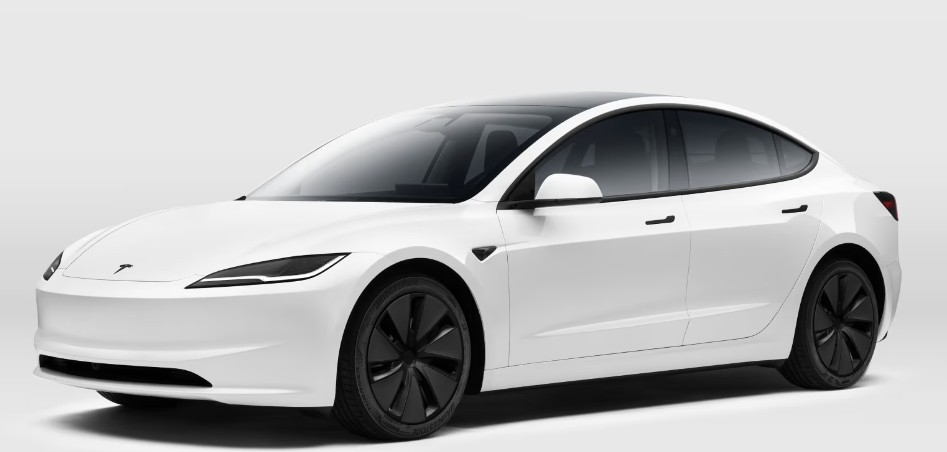
The Tesla Model 3 has become one of the most recognizable electric cars on modern roads. Sleek, silent, and packed with futuristic technology, it feels less like a traditional car and more like a smartphone on wheels. Yet while many buyers focus on battery range, charging speeds, and acceleration, there is another factor quietly waiting in the background like a hidden storm cloud: insurance.
And here is the truth many drivers discover only after requesting a quote — the Tesla Model 3 insurance group can be surprisingly high.
Why does an electric sedan with advanced safety features often cost more to insure than expected? Is every version expensive? Can we reduce the premiums? And how does the Model 3 compare with rivals?
Let us unpack everything in detail.
Content in this publication
- What Is an Insurance Group?
- Which Insurance Group Is the Tesla Model 3 In?
- Why Is the Tesla Model 3 Insurance Group So High?
- Expensive Repairs Change Everything
- Performance Levels Influence Insurance Ratings
- Tesla Model 3 Insurance Group by Trim
- Tesla Model 3 Rear-Wheel Drive Insurance Group
- Tesla Model 3 Long Range Insurance Group
- Tesla Model 3 Performance Insurance Group
- Does Driver Age Affect Tesla Model 3 Insurance?
- Location Matters More Than Many Drivers Realize
- How Much Does Tesla Model 3 Insurance Cost?
- Can Tesla Insurance Be Cheaper Than Petrol Cars?
- Tesla Safety Features That Help Insurance Costs
- Do Autopilot Features Reduce Insurance?
- How to Reduce Tesla Model 3 Insurance Costs
- Tesla Insurance vs Other Electric Cars
- Tesla Model 3 vs Hyundai Ioniq 5 Insurance Group
- Tesla Model 3 vs Polestar 2 Insurance Group
- Tesla Model 3 vs BMW 3 Series Insurance
- Why Insurers Are Still Learning About EVs
- Will Tesla Model 3 Insurance Become Cheaper in the Future?
- The Hidden Cost Many Buyers Forget
- Is the Tesla Model 3 Worth the Insurance Cost?
- Best Tesla Model 3 Version for Lower Insurance
- Should Insurance Stop You From Buying a Tesla Model 3?
- Conclusion
- FAQs
What Is an Insurance Group?
Before diving into the Tesla-specific details, we need to understand how insurance groups work.
In the UK, vehicles are placed into insurance groups ranging from 1 to 50.
- Group 1 = cheapest cars to insure
- Group 50 = most expensive cars to insure
Insurers evaluate several factors when assigning a group:
- Vehicle value
- Repair costs
- Parts prices
- Safety systems
- Performance levels
- Theft risk
- Technology complexity
Think of insurance groups like hotel star ratings — except instead of luxury, they measure financial risk.
A simple hatchback with inexpensive parts usually lands in a lower group. A high-performance electric vehicle filled with sensors, cameras, and premium components tends to climb much higher.
That is exactly where the Tesla Model 3 enters the conversation.
Which Insurance Group Is the Tesla Model 3 In?
Most versions of the Tesla Model 3 fall between insurance groups 36 and 50 depending on trim level, battery size, and performance.
Here is a general breakdown:
| Tesla Model 3 Variant | Typical Insurance Group |
|---|---|
| Standard Range Plus | 36–42 |
| Rear-Wheel Drive | 38–43 |
| Long Range AWD | 45–48 |
| Performance | 50 |
The Performance version often reaches the maximum insurance category.
That alone tells us something important.
Insurers do not see the Tesla Model 3 as “just another family EV.” They see a technologically advanced performance car with expensive repair implications.
Why Is the Tesla Model 3 Insurance Group So High?
At first glance, it feels strange.
The car has:
- Excellent crash-test scores
- Advanced driver assistance systems
- Strong safety engineering
- Low rollover risk
So why are premiums often elevated?
The answer lies beneath the surface.
Expensive Repairs Change Everything
Electric vehicles are different beasts compared with traditional petrol cars.
A damaged bumper on a conventional sedan may require:
- Paintwork
- Plastic replacement
- Minor labor
But on the Tesla Model 3, that same bumper may house:
- Radar sensors
- Cameras
- Wiring systems
- Calibration technology
One minor impact can become a major insurance claim.
And insurers know it.
Battery Repairs Terrify Insurance Companies
The battery pack is the single most expensive component in the car.
If an accident damages the battery housing, insurers may face enormous costs.
Sometimes even relatively minor underbody damage can trigger:
- Extensive inspections
- Specialized repair procedures
- Full battery replacements
That risk pushes insurance groups higher.
It is like carrying around a giant high-tech vault beneath the cabin floor.
Tesla Parts Can Be Costly
Another major factor is parts availability.
Historically, Tesla repairs have sometimes taken longer due to:
- Limited approved repair centers
- Specialized components
- Software integration
- Longer waiting periods for parts
Longer repair times mean:
- Higher labor bills
- More courtesy-car expenses
- Bigger claims overall
Insurance companies price that risk directly into premiums.
Performance Levels Influence Insurance Ratings
The Tesla Model 3 Performance accelerates like a supercar.
Seriously.
0–60 mph happens in roughly 3 seconds depending on specification.
That level of acceleration naturally increases insurer caution because:
- Faster cars statistically face more accident risk
- Repair claims are often larger
- Drivers may push the vehicle harder
Even though the car is incredibly safe, insurers still consider performance a major risk indicator.
A lightning bolt is beautiful — but insurers still respect its power.
Tesla Model 3 Insurance Group by Trim
Let us explore the variants more closely.
Tesla Model 3 Rear-Wheel Drive Insurance Group
The rear-wheel-drive version is usually the cheapest Model 3 to insure.
Typical group:
- Around 38–43
Why it is relatively lower:
- Less powerful
- Lower replacement value
- Simpler drivetrain
- Smaller battery compared with some trims
For many drivers, this is the sweet spot between affordability and EV ownership.
Tesla Model 3 Long Range Insurance Group
The Long Range model moves higher.
Typical group:
- Around 45–48
Reasons:
- Dual-motor AWD system
- Increased value
- Larger battery
- More performance capability
This version balances practicality and speed, but insurers recognize the increased financial exposure.
Tesla Model 3 Performance Insurance Group
Here we reach the top tier.
You may be interested in reading Tesla Model 3 Reliability
Typical group:
- Group 50
That is the highest insurance category available.
Why?
- Supercar-like acceleration
- Premium wheels and brakes
- Higher vehicle cost
- Expensive performance components
Even experienced drivers can be surprised by the insurance quotes attached to this trim.
Does Driver Age Affect Tesla Model 3 Insurance?
Absolutely.
Age dramatically changes premiums.
A 45-year-old driver with:
- Clean driving history
- Secure parking
- No claims
may pay far less than:
A 22-year-old with:
- Limited driving experience
- Urban postcode
- Previous claims
The difference can be enormous.
For younger drivers, the Tesla Model 3 may feel financially out of reach from an insurance perspective.
Location Matters More Than Many Drivers Realize
Your postcode acts almost like a hidden insurance multiplier.
Urban areas with:
- Higher theft rates
- Congestion
- Increased accident frequency
usually attract larger premiums.
Drivers in rural or quieter suburban areas often pay significantly less.
It is the same car — but insurers view the environment differently.
How Much Does Tesla Model 3 Insurance Cost?
Insurance costs vary massively depending on:
- Country
- Driver age
- Claims history
- Mileage
- Trim level
- Parking situation
However, many UK drivers report annual premiums ranging between:
- £700 and £2,500+
Performance models and younger drivers can exceed that range easily.
This unpredictability is one reason buyers should always obtain quotes before purchasing the vehicle.
Never assume an EV automatically means cheap insurance.
Can Tesla Insurance Be Cheaper Than Petrol Cars?
Surprisingly, yes.
In some situations, the Tesla Model 3 can cost less to insure than premium German rivals.
Examples include:
- BMW 3 Series performance variants
- Mercedes-AMG models
- Audi S4-type vehicles
Why?
Because Tesla’s advanced safety systems may offset part of the performance risk.
So while insurance is not “cheap,” it is sometimes competitive within the premium sports sedan category.
Tesla Safety Features That Help Insurance Costs
The Model 3 includes numerous advanced systems:
- Automatic emergency braking
- Lane-keeping assistance
- Collision warnings
- Stability control
- Multiple airbags
- Structural crash protection
These features help reduce accident severity.
Insurers absolutely consider this.
Without them, premiums could be even higher.
Do Autopilot Features Reduce Insurance?
This is a fascinating question.
Many drivers assume Tesla’s Autopilot automatically lowers insurance costs.
The reality is more nuanced.
While advanced safety systems can help, insurers also recognize:
- Repair complexity
- Sensor recalibration costs
- Technology replacement expenses
So the financial impact is mixed.
Autopilot is a bit like giving a knight advanced armor — it increases protection, but replacing the armor becomes more expensive.
How to Reduce Tesla Model 3 Insurance Costs
Now we arrive at the practical part.
Because yes, there are ways to reduce premiums.
Choose the Right Trim
The rear-wheel-drive version is usually much cheaper to insure than the Performance model.
For many drivers, avoiding Group 50 can make a substantial difference.
Increase Voluntary Excess
Higher excess often lowers monthly premiums.
But we should only choose an amount we could comfortably afford after an accident.
Add Security Features
Insurers love:
- Garages
- Driveways
- Tracking systems
- Immobilizers
Secure overnight parking can meaningfully reduce risk assessments.
Limit Annual Mileage
Lower mileage generally means:
- Reduced exposure to accidents
- Smaller statistical risk
Some drivers save noticeable amounts by selecting realistic annual mileage figures.
Build No-Claims Bonus
A strong no-claims history remains one of the most powerful insurance discounts available.
Patience truly pays here.
You may be interested in readingTesla Model 3 ReliabilityYou may be interested in reading
Tesla Model 3 Years to AvoidTesla Insurance vs Other Electric Cars
How does the Model 3 compare with rivals?
Tesla Model 3 vs Hyundai Ioniq 5 Insurance Group
The Hyundai Ioniq 5 often sits in slightly lower insurance groups.
Reasons:
- Less aggressive performance
- Lower repair complexity in some trims
- Different parts ecosystem
However, high-spec Ioniq 5 versions can still become expensive.
Tesla Model 3 vs Polestar 2 Insurance Group
The Polestar 2 is also positioned in relatively high insurance categories.
Like Tesla, it combines:
- Premium pricing
- Advanced electronics
- Strong performance
This shows the issue is not uniquely Tesla-related — it is partly an EV premium-segment phenomenon.
Tesla Model 3 vs BMW 3 Series Insurance
The BMW 3 Series provides an interesting comparison.
Entry-level BMW models may fall into lower insurance groups.
But performance-oriented trims can match or exceed some Model 3 variants.
This context matters because many buyers incorrectly assume Tesla insurance is outrageously abnormal.
In reality, premium performance sedans often carry premium insurance.
Why Insurers Are Still Learning About EVs
Electric vehicles remain relatively new in the broader insurance world.
Insurers are still adapting to:
- Battery repair data
- Long-term reliability patterns
- Accident statistics
- EV-specific repair procedures
As more data becomes available, insurance pricing could evolve significantly over time.
We are still in the early chapters of the EV insurance story.
Will Tesla Model 3 Insurance Become Cheaper in the Future?
Possibly.
Several factors may eventually reduce premiums:
- More repair centers
- Better parts availability
- Improved technician training
- Larger EV ownership data pools
- Increased insurer competition
As EV adoption grows, insurance markets often stabilize.
Early technology tends to be expensive — until it becomes normal.
Flat-screen TVs followed that path.
Smartphones followed that path.
Electric cars may follow it too.
When people calculate EV ownership costs, they usually focus on:
- Electricity savings
- Road tax
- Servicing
- Charging
But insurance can dramatically affect total ownership expenses.
A cheaper monthly charging bill may be partly offset by a higher insurance premium.
That is why smart buyers always calculate:
- Purchase price
- Finance cost
- Charging expenses
- Insurance
- Depreciation
The complete financial picture matters.
Is the Tesla Model 3 Worth the Insurance Cost?
For many owners, the answer is yes.
The car delivers:
- Outstanding acceleration
- Advanced technology
- Low running costs
- Excellent safety
- Minimal maintenance
- Strong driving experience
Owners often describe driving a Tesla as stepping into the future.
And futures rarely arrive cheaply at first.
The key is understanding the costs before committing.
Best Tesla Model 3 Version for Lower Insurance
If minimizing insurance matters most, the ideal setup usually includes:
- Rear-Wheel Drive trim
- Experienced driver
- Low-risk postcode
- Secure parking
- Strong no-claims history
This combination can produce far more manageable premiums than a Performance model driven by a younger urban motorist.
Should Insurance Stop You From Buying a Tesla Model 3?
Not necessarily.
But it absolutely deserves careful research.
The insurance group reflects real-world repair and performance realities — not simply insurer greed.
For the right buyer, the Tesla Model 3 remains one of the most compelling EVs available today.
We simply need to enter ownership with open eyes rather than rose-tinted expectations.
Because sometimes the quietest cars hide the loudest insurance bills.
Conclusion
The Tesla Model 3 insurance group ranges from relatively high to extremely high depending on the trim level. Standard models often land in groups 36–43, while the Performance version can sit in Group 50 — the highest category available.
Several factors contribute to these ratings:
- Expensive repair costs
- Advanced onboard technology
- Battery replacement risk
- High performance capability
- Premium vehicle pricing
Still, insurance costs are not fixed in stone.
Driver age, postcode, annual mileage, trim selection, and security measures can all dramatically influence premiums.
The key takeaway is simple: the Tesla Model 3 may save money at the charging station, but buyers should always investigate insurance costs before signing the paperwork.
An EV future is exciting — but understanding the fine print keeps that excitement sustainable.
FAQs
What insurance group is the Tesla Model 3 Performance?
The Performance version is commonly placed in Group 50, which is the highest insurance category in the UK.
Is Tesla Model 3 insurance expensive for young drivers?
Yes. Younger drivers often face very high premiums due to the car’s value, acceleration, and repair costs.
Which Tesla Model 3 is cheapest to insure?
The Rear-Wheel Drive or Standard Range versions are usually the least expensive to insure.
Does Autopilot reduce insurance costs?
Not always. While safety systems help reduce accidents, repair complexity and sensor replacement costs can offset savings.
You may be interested in readingTesla Model 3 ReliabilityYou may be interested in reading
Tesla Model 3 Years to AvoidYou may be interested in reading
Tesla Model 3 Cold Weather Feature: The Hidden Winter Tech That Changes EverythingWhy are electric cars expensive to insure?
Electric cars often have costly batteries, specialized repair procedures, and advanced electronics that increase claim expenses.
If you want to know other articles similar to Tesla Model 3 Insurance Group you can visit the category Blog.
How Long Will a Subaru XV Last? Mileage, Lifespan, and Reliability Explained
Is Subaru XV a Good Car? An Honest Look at Reliability, Comfort, AWD and Ownership
Is Mazda CX-9 a Luxury Car? A Surprisingly Complicated Answer
How to Charge Leapmotor C10: Complete Charging Guide
Is Leapmotor C10 a Good Car? Full Review and Buyer’s Guide
BMW M2 Depreciation: How Well Does the M2 Hold Its Value?
Leave a Reply
More content of your interest