
Tesla Model 3 Reliability

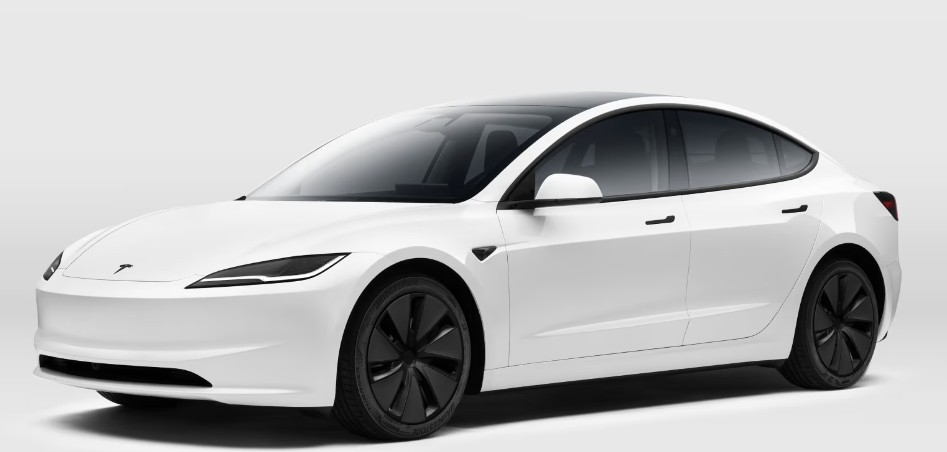
The electric car revolution once felt like a distant thunderstorm on the horizon. Then the Tesla Model 3 arrived and cracked the sky wide open. Suddenly, EVs were no longer futuristic toys for Silicon Valley dreamers. They became driveway realities. But as the miles pile up and the novelty fades, one question keeps echoing through forums, parking lots, and coffee shop debates:
Is the Tesla Model 3 actually reliable?
That’s the million-mile question.
Some owners swear the Model 3 is the most dependable car they’ve ever driven. Others complain about rattles, software bugs, and quality-control hiccups. Like a brilliant athlete with an occasionally messy locker room, the Model 3 blends groundbreaking engineering with a few frustrating imperfections.
So let’s dive deep into Tesla Model 3 reliability—from battery durability and maintenance costs to common issues, long-term ownership, and whether this EV truly deserves its reputation.
Content in this publication
- Why Tesla Model 3 Reliability Matters More Than Ever
- The Big Picture: Is the Tesla Model 3 Reliable?
- Battery Reliability: The Heart of the Model 3
- Understanding Battery Degradation
- Electric Motor Reliability
- Tesla Model 3 Maintenance Costs
- Why Brake Wear Is Surprisingly Low
- Common Tesla Model 3 Problems
- Touchscreen Reliability
- Tesla Software Updates: Blessing or Curse?
- Autopilot Reliability
- Build Quality Improvements Over the Years
- How the Model 3 Performs in Cold Weather
- Charging Reliability
- Tesla Model 3 Reliability vs Gas Cars
- Long-Term Ownership Experience
- Tesla Service Center Experience
- Can the Tesla Model 3 Be Trusted for Road Trips?
- Reliability by Model Variant
- Tesla Model 3 Reliability Compared to Other EVs
- Insurance and Reliability Connection
- What Owners Love Most About Model 3 Reliability
- What Frustrates Owners Most
- Should We Buy a Used Tesla Model 3?
- Tips to Improve Tesla Model 3 Reliability
- The Future of Tesla Reliability
- Final Verdict: Is the Tesla Model 3 Reliable?
- FAQs
Why Tesla Model 3 Reliability Matters More Than Ever
The Model 3 isn’t just another sedan. It became the benchmark for modern electric vehicles. Families use it for daily commutes. Ride-share drivers rack up hundreds of thousands of miles in it. Tech lovers obsess over every software update.
Reliability matters because EV buyers expect something different from traditional gas-powered vehicles.
We no longer judge reliability solely by:
- Oil leaks
- Transmission failures
- Engine breakdowns
- Exhaust problems
Instead, we evaluate:
- Battery degradation
- Software stability
- Charging reliability
- Electronics performance
- Build quality consistency
And this is where the Tesla Model 3 becomes fascinating.
The Big Picture: Is the Tesla Model 3 Reliable?
In broad terms, yes—the Tesla Model 3 is generally reliable mechanically. However, its reliability story is layered.
Where the Model 3 Excels
The Model 3 performs exceptionally well in:
- Battery longevity
- Electric motor durability
- Low maintenance requirements
- Drivetrain efficiency
- Over-the-air software improvements
Where It Struggles
Its weaknesses often involve:
- Build quality inconsistencies
- Paint issues
- Interior rattles
- Touchscreen glitches
- Occasional electronic quirks
Think of the Model 3 like a smartphone on wheels. The core technology is brilliant, but the surrounding fit and finish sometimes feels rushed.
Battery Reliability: The Heart of the Model 3
How Long Does a Tesla Model 3 Battery Last?
This is the concern everyone whispers about before buying an EV.
The good news? Tesla batteries have proven remarkably durable.
Many Model 3 owners report:
- Over 200,000 miles with minimal degradation
- Around 10% battery loss after extensive use
- Strong charging performance even after years
Battery degradation tends to slow down over time. The first few years may show noticeable range reduction, but afterward the decline often stabilizes.
Expected Battery Lifespan
A Tesla Model 3 battery can realistically last:
- 300,000 to 500,000 miles in many cases
- 15 to 20 years under normal conditions
That’s astonishing when compared to traditional engines requiring major repairs far earlier.
Understanding Battery Degradation
Battery degradation sounds terrifying until we put it into perspective.
Imagine buying a 100-gallon water tank that shrinks slightly over time:
- Year 1: 97 gallons
- Year 3: 93 gallons
- Year 8: 89 gallons
That’s essentially how Tesla battery aging works.
Most owners lose only a modest percentage of range.
Factors That Affect Battery Reliability
Several habits influence long-term battery health:
Frequent Supercharging
Fast charging generates more heat. Excessive use may accelerate wear.
Extreme Temperatures
Very hot or cold climates can impact battery efficiency and aging.
Keeping the Battery at 100% Constantly
Tesla recommends daily charging limits around 80–90% for most drivers.
Aggressive Driving
Repeated hard acceleration increases stress on components.
Electric Motor Reliability
One of Tesla’s Strongest Areas
The electric motors inside the Model 3 are exceptionally reliable.
Unlike combustion engines, EV motors have:
- Fewer moving parts
- No oil changes
- No spark plugs
- No timing belts
- No complex transmissions
This simplicity dramatically reduces failure points.
Many Tesla owners report driving hundreds of thousands of miles with the original motor still running smoothly.
It’s like replacing a mechanical wristwatch full of gears with a sleek digital clock—fewer moving parts often means fewer headaches.
Tesla Model 3 Maintenance Costs
Do Teslas Require Less Maintenance?
Absolutely.
Traditional vehicles constantly demand maintenance rituals:
- Oil changes
- Transmission fluid service
- Exhaust repairs
- Timing chain replacements
- Fuel system cleaning
The Model 3 eliminates much of this entirely.
Typical Maintenance Items
Owners mainly deal with:
- Tire replacements
- Cabin air filters
- Brake fluid checks
- Windshield washer fluid
- Tire rotations
That’s a much shorter list than most gasoline vehicles.
Why Brake Wear Is Surprisingly Low
Tesla’s regenerative braking system acts like a hidden helper.
When we lift off the accelerator, the car slows itself while recovering energy. This reduces dependence on traditional brake pads.
As a result:
- Brake pads can last incredibly long
- Some owners exceed 100,000 miles without replacements
That’s practically wizardry compared to conventional cars.
Common Tesla Model 3 Problems
No car is perfect, and the Model 3 definitely has recurring complaints.
Interior Rattles
One of the most common frustrations involves:
You may be interested in reading Tesla Model 3 Years to Avoid
- Dashboard noises
- Door-panel vibrations
- Cabin squeaks
These issues don’t usually affect drivability but can annoy owners expecting premium quality.
Paint Quality Concerns
Some owners report:
- Thin paint
- Easy chipping
- Sensitive finishes
This became especially common in earlier production years.
Panel Gaps
Tesla gained notoriety for inconsistent body panel alignment.
Examples include:
- Uneven trunk spacing
- Misaligned doors
- Hood fitment irregularities
While newer production has improved, the reputation still lingers.
Touchscreen Reliability
The Brain of the Car
The central touchscreen controls nearly everything:
- Climate settings
- Navigation
- Media
- Driving information
- Vehicle functions
If it glitches, the experience can become frustrating quickly.
Common Software Complaints
Occasional problems include:
- Frozen screens
- Slow reboots
- Connectivity bugs
- Navigation hiccups
However, Tesla’s over-the-air updates often resolve problems without dealership visits.
That’s one of Tesla’s biggest advantages over legacy automakers.
Tesla Software Updates: Blessing or Curse?
Software updates feel like Christmas morning for Tesla owners.
New features appear magically overnight:
- Improved range estimates
- Enhanced driving visuals
- Entertainment additions
- Charging optimizations
But updates can also introduce unexpected bugs.
Some owners experience:
- Temporary glitches
- Bluetooth problems
- Autopilot oddities
It’s similar to smartphone updates—usually beneficial, occasionally chaotic.
Autopilot Reliability
Advanced But Imperfect
Tesla’s Autopilot system is technologically impressive, but it still requires attentive driving.
The system performs well in:
- Highway cruising
- Lane centering
- Adaptive cruise control
However, it can struggle with:
- Construction zones
- Poor weather
- Unusual road markings
Reliability here depends heavily on realistic expectations.
Autopilot is an assistant, not a chauffeur.
Build Quality Improvements Over the Years
Early Models vs Newer Models
The earliest Model 3 vehicles suffered the most criticism.
Common complaints included:
- Loose trim
- Inconsistent paint
- Poor assembly quality
But Tesla gradually improved manufacturing processes.
Modern Model 3 Reliability
Newer Model 3 versions generally show:
- Better panel alignment
- Improved cabin quality
- Reduced rattles
- More refined interiors
The company learned while scaling production at lightning speed.
How the Model 3 Performs in Cold Weather
Cold climates can expose weaknesses in EVs.
Winter Reliability Considerations
Tesla owners may notice:
- Reduced driving range
- Slower charging speeds
- Increased energy consumption
However, the Model 3 performs better than many competitors thanks to sophisticated thermal management systems.
Heat Pump Advantage
Newer models include efficient heat pumps that improve winter efficiency significantly.
This helps preserve range during freezing conditions.
Charging Reliability
Supercharger Network Strength
One major reliability advantage comes from Tesla’s charging ecosystem.
The Tesla Supercharger network is widely considered one of the best EV charging systems globally.
Benefits include:
- Fast charging speeds
- Reliable station uptime
- Seamless navigation integration
- Simple payment systems
Charging reliability matters almost as much as vehicle reliability itself.
Tesla Model 3 Reliability vs Gas Cars
This comparison becomes fascinating.
Areas Where the Model 3 Wins
The Model 3 avoids many traditional failures:
- Engine breakdowns
- Transmission issues
- Fuel pump failures
- Exhaust corrosion
Areas Where Gas Cars Still Feel Stronger
Traditional automakers often outperform Tesla in:
- Interior quality consistency
- Paint durability
- Fit and finish
- Service center availability
So the question becomes:
Would we rather deal with occasional rattles or expensive engine repairs?
Many buyers choose the rattles.
Long-Term Ownership Experience
What Happens After 100,000 Miles?
This is where Tesla reliability becomes impressive.
High-mileage Model 3 vehicles often continue operating remarkably well.
Owners commonly report:
- Original battery still functioning strongly
- Minimal drivetrain repairs
- Low maintenance costs
- Excellent efficiency retention
The drivetrain durability is arguably the car’s greatest strength.
You may be interested in readingTesla Model 3 Years to AvoidYou may be interested in reading
Tesla Model 3 Cold Weather Feature: The Hidden Winter Tech That Changes EverythingTesla Service Center Experience
A Mixed Reputation
Tesla service experiences vary wildly.
Some owners praise:
- Mobile service convenience
- Fast software fixes
- Efficient repairs
Others criticize:
- Long wait times
- Parts delays
- Communication problems
This inconsistency affects overall ownership satisfaction.
Can the Tesla Model 3 Be Trusted for Road Trips?
Absolutely.
In fact, the Model 3 excels at long-distance driving.
Why It Works Well
Road-trip advantages include:
- Extensive Supercharger access
- Comfortable seating
- Strong acceleration
- Quiet cabin
- Efficient navigation routing
The car transforms highway travel into something strangely effortless.
It glides down roads like a silent electric train.
Reliability by Model Variant
Standard Range
Typically offers:
- Lower ownership costs
- Excellent efficiency
- Reliable LFP battery chemistry in newer versions
Long Range
Popular for:
- Extra driving distance
- Dual-motor stability
- Strong winter capability
Performance Model
Adds excitement but may involve:
- Faster tire wear
- Higher insurance costs
- More aggressive driving stress
Still, overall reliability remains solid.
Tesla Model 3 Reliability Compared to Other EVs
Compared to Hyundai and Kia EVs
Brands like Hyundai and Kia often deliver better build quality.
However, Tesla frequently wins in:
- Charging infrastructure
- Software integration
- Battery management
- Real-world efficiency
Compared to Traditional Luxury Brands
German luxury EVs may feel more refined initially, but maintenance costs can rise significantly over time.
Tesla’s simplicity becomes an advantage.
Insurance and Reliability Connection
Insurance companies consider repair complexity carefully.
Why Tesla Repairs Can Be Expensive
Even small accidents may involve:
- Sensor recalibration
- Specialized parts
- Aluminum body repairs
This can increase premiums despite strong drivetrain reliability.
So while the car itself may be dependable, ownership costs can still surprise some buyers.
What Owners Love Most About Model 3 Reliability
Owners consistently praise:
- Few mechanical failures
- Strong battery endurance
- Minimal routine maintenance
- Instant startup reliability
- Consistent software evolution
There’s something satisfying about walking to a car every morning knowing it simply works.
No cold-engine drama. No oil smells. No sputtering ignition.
Just silent readiness.
What Frustrates Owners Most
The most common frustrations include:
- Cabin noises
- Paint fragility
- Service delays
- Software quirks
- Inconsistent quality control
These aren’t catastrophic issues, but they can chip away at the premium ownership experience.
Should We Buy a Used Tesla Model 3?
Things to Check Carefully
When buying used, inspect:
- Battery health
- Tire wear
- Suspension condition
- Panel alignment
- Service history
Questions Worth Asking
- How often was it Supercharged?
- Was it garage kept?
- Any accident history?
- Has the battery been repaired?
- Any recurring software issues?
A well-maintained used Model 3 can still be an excellent long-term vehicle.
Tips to Improve Tesla Model 3 Reliability
Simple Ownership Habits Matter
To maximize reliability:
- Avoid constant 100% charging
- Rotate tires regularly
- Keep software updated
- Protect paint with coatings or film
- Use scheduled maintenance reminders
Little habits create long-term rewards.
The Future of Tesla Reliability
Tesla continues evolving rapidly.
Recent improvements include:
- Better manufacturing consistency
- Enhanced battery chemistry
- Improved suspension refinement
- Quieter cabins
- More durable interiors
As the company matures, reliability appears to be improving steadily.
The Model 3 today feels more polished than the chaotic early-production cars that sparked endless internet debates.
Final Verdict: Is the Tesla Model 3 Reliable?
Yes—the Tesla Model 3 is generally a reliable vehicle, especially where it matters most: the battery, electric motors, and drivetrain.
Its reliability strengths are substantial:
- Long-lasting batteries
- Durable electric motors
- Low maintenance requirements
- Excellent charging ecosystem
- Efficient software integration
But it also carries imperfections:
- Build quality inconsistencies
- Paint complaints
- Interior rattles
- Occasional software bugs
The Model 3 feels less like a traditional car and more like evolving technology. It’s a rolling experiment that improves over time.
And perhaps that’s why so many people remain loyal to it.
Owning a Model 3 can feel like living slightly ahead of the present—where silence replaces engine noise, updates arrive overnight, and reliability means something entirely different than it did a decade ago.
{finish}
FAQs
How reliable is the Tesla Model 3 long term?
The Tesla Model 3 has shown strong long-term reliability, especially regarding battery and drivetrain durability. Many owners exceed 100,000 miles with few major repairs.
What are the most common Tesla Model 3 problems?
Common complaints include interior rattles, paint issues, touchscreen glitches, and inconsistent panel gaps.
How long does a Tesla Model 3 battery last?
Most estimates suggest Tesla Model 3 batteries can last between 300,000 and 500,000 miles with proper care.
You may be interested in readingTesla Model 3 Years to AvoidYou may be interested in reading
Tesla Model 3 Cold Weather Feature: The Hidden Winter Tech That Changes EverythingYou may be interested in reading
Tesla Model 3 5 Year DepreciationIs Tesla maintenance expensive?
Routine maintenance is generally lower than gasoline vehicles because Teslas eliminate oil changes and many traditional mechanical repairs.
Should we buy a used Tesla Model 3?
A used Model 3 can be an excellent purchase if battery health, service history, and overall condition are thoroughly inspected.
If you want to know other articles similar to Tesla Model 3 Reliability you can visit the category Blog.
How to Reset the Oil Light on a Kia Sportage

Volvo S90 Reliability: Problems, Costs & Best Years
Is Haval Jolion a Good Car? Honest Review, Reliability, Pros and Cons
How to Start Haval Jolion With Spare Key: Complete Guide
How to Calculate Per Diem on an Auto Loan

How to Calculate the Residual Value of a Car
Leave a Reply
More content of your interest