

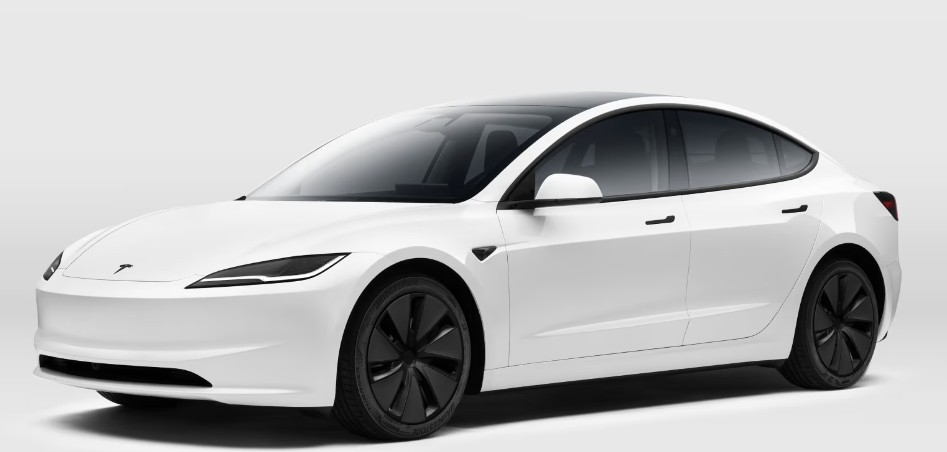
Tesla Model 3 Long Range Real World Range

Content in this publication
- Why the Tesla Model 3 Long Range Still Dominates EV Conversations
- Official Tesla Model 3 Long Range Range Figures
- What Is the Tesla Model 3 Long Range Real World Range?
- How Speed Impacts Tesla Model 3 Long Range Range
- Tesla Model 3 Long Range Highway Range
- City Driving Is Where the Model 3 Truly Shines
- Cold Weather and Tesla Model 3 Long Range Real World Range
- How Much Range Is Lost in Winter?
- Tips to Maximize Winter Range
- Does Wheel Size Affect Tesla Model 3 Long Range Range?
- Why Bigger Wheels Reduce Range
- Battery Degradation Over Time
- Charging Habits That Influence Real World Range
- Tesla Supercharging and Long-Distance Travel
- Realistic Road Trip Expectations
- Tesla Model 3 Long Range Efficiency Compared to Competitors
- Real World Energy Consumption Figures
- Can You Actually Achieve the Advertised Range?
- Driving Style Changes Everything
- Eco Driving Techniques That Actually Work
- Terrain and Elevation Effects
- Wind Is the Invisible Enemy
- Software Updates and Range Improvements
- The Psychological Side of EV Range
- Is the Tesla Model 3 Long Range Good for Long Commutes?
- How Accurate Is Tesla’s Range Estimator?
- Should You Buy the Tesla Model 3 Long Range for Range Alone?
- Final Thoughts on Tesla Model 3 Long Range Real World Range
- FAQs
Why the Tesla Model 3 Long Range Still Dominates EV Conversations
The Tesla Model 3 has become the electric car equivalent of a modern smartphone. We see it everywhere, hear endless debates about it, and somehow it still manages to surprise us. But one question keeps surfacing like a stubborn wave hitting the shore:
What is the Tesla Model 3 Long Range real world range?
That’s where things get interesting. Official EPA estimates and WLTP figures look fantastic on paper, but the real world is a completely different playground. Weather changes. Traffic builds. Hills appear. Air conditioning drains power. Suddenly, the “advertised” range starts feeling more like a best-case fantasy than a daily reality.
The good news? The Tesla Model 3 Long Range remains one of the best EVs when it comes to real-world efficiency. Even when conditions are far from perfect, it often performs better than many rivals.
In this guide, we’ll break down:
- Real-world driving range
- Highway vs city efficiency
- Cold weather performance
- Battery degradation over time
- Charging habits that affect range
- Long-distance road trip expectations
- How it compares to competitors
Think of this article as the difference between reading a restaurant menu and actually tasting the food.
Official Tesla Model 3 Long Range Range Figures
Before diving into reality, we should understand the official claims.
Depending on the model year and wheel setup, the Tesla Model 3 Long Range usually offers:
- EPA range: around 333–358 miles
- WLTP range: around 390–420 miles
The gap between EPA and WLTP numbers already tells us something important. Different testing methods produce different outcomes.
EPA vs WLTP Explained
EPA Testing
The EPA cycle in the United States is generally stricter and closer to realistic conditions.
WLTP Testing
WLTP figures tend to look more optimistic because they involve gentler driving conditions and lower average highway speeds.
That means most drivers should expect real-world numbers to land closer to EPA estimates than WLTP figures.
What Is the Tesla Model 3 Long Range Real World Range?
Here’s the honest answer:
Most drivers report between 280 and 340 miles in real-world conditions.
That’s a broad range, but EV performance depends heavily on how and where we drive.
Typical real-world scenarios look like this:
| Driving Condition | Expected Real-World Range |
|---|---|
| City driving | 320–340 miles |
| Mixed driving | 290–320 miles |
| Highway driving | 260–300 miles |
| Winter highway driving | 220–270 miles |
| Aggressive driving | 240–280 miles |
The fascinating part is how efficient the car remains despite speed and environmental changes. Compared to many EVs, the Model 3 Long Range wastes very little energy.
It’s like watching a marathon runner maintain calm breathing while everyone else gasps for oxygen.
How Speed Impacts Tesla Model 3 Long Range Range
Speed Is the Biggest Range Killer
If there’s one thing EV owners quickly learn, it’s this:
Highway speed destroys efficiency.
At lower city speeds, regenerative braking helps recover energy. But once we cruise at 75–85 mph, aerodynamic drag becomes brutal.
The relationship isn’t linear either.
Driving 85 mph doesn’t use “a little more” battery than 65 mph. It can slash range dramatically.
Tesla Model 3 Long Range Highway Range
Realistic Highway Expectations
On highways, most owners report:
- 65 mph: around 320 miles
- 70 mph: around 300 miles
- 75 mph: around 280 miles
- 80+ mph: around 250–270 miles
This is why road trips require realistic planning.
Tesla’s navigation system helps tremendously by estimating arrival battery percentage in real time. It’s surprisingly accurate most of the time.
Still, driving fast turns energy consumption into a leaking bucket.
City Driving Is Where the Model 3 Truly Shines
Urban Efficiency Feels Almost Magical
Electric cars thrive in stop-and-go traffic.
That sounds backwards at first, but regenerative braking changes everything. Instead of wasting energy through heat like gasoline cars, the Tesla recovers some of it back into the battery.
In dense urban driving, many owners exceed official efficiency estimates.
Typical City Range
Realistically, we can expect:
- 320–340 miles
- Sometimes more in mild temperatures
- Lower battery stress compared to highway use
Ironically, the traffic jam we hate can actually help EV range.
Cold Weather and Tesla Model 3 Long Range Real World Range
Winter Is the Great Equalizer
Cold weather affects every EV.
The Tesla Model 3 Long Range handles winter better than older EVs thanks to its heat pump system, but physics still wins eventually.
Battery chemistry slows down in cold temperatures.
Cabin heating also consumes extra energy.
How Much Range Is Lost in Winter?
Typical winter losses include:
| Temperature | Approximate Range Reduction |
|---|---|
| 50°F (10°C) | 5–10% |
| 32°F (0°C) | 10–20% |
| 14°F (-10°C) | 20–30% |
| Below 0°F (-18°C) | Up to 40% |
Highway driving in freezing conditions can reduce practical range to around 220–260 miles.
That’s still usable, but expectations must shift.
Tips to Maximize Winter Range
Precondition the Battery
Always warm the battery while plugged in before departure.
Use Seat Heaters Instead of Blasting Cabin Heat
Seat heaters consume far less energy.
Reduce Highway Speeds
Even dropping from 80 mph to 70 mph can recover significant range.
Keep Tires Properly Inflated
Cold weather lowers tire pressure and increases rolling resistance.
Small adjustments add up like coins filling a jar.
Does Wheel Size Affect Tesla Model 3 Long Range Range?
Absolutely.
Wheel choice matters more than many people realize.
18-Inch Aero Wheels
These offer the best efficiency and longest range.
19-Inch Wheels
Slightly sportier appearance, but reduced efficiency.
20-Inch Performance Wheels
Better handling and aesthetics, but noticeably worse range.
Why Bigger Wheels Reduce Range
Larger wheels create:
- More rolling resistance
- Higher aerodynamic drag
- Increased rotational mass
It’s similar to wearing hiking boots in a sprint race. They may look rugged, but they slow us down.
Battery Degradation Over Time
Will the Range Collapse After a Few Years?
This is one of the biggest EV myths.
Most Tesla batteries degrade slowly rather than catastrophically.
Typical degradation patterns:
- 5% loss after 50,000 miles
- 10% loss after 100,000–150,000 miles
- Slower decline afterward
A Model 3 Long Range originally capable of 330 miles may still achieve around 300 miles after years of use.
That’s far healthier than many people expect.
Charging Habits That Influence Real World Range
Daily Charging Behavior Matters
Tesla recommends keeping daily charging around 80–90% for battery longevity.
Constantly charging to 100% can accelerate degradation over time.
Best Practices
- Use Level 2 charging at home
- Avoid excessive Supercharging
- Keep battery between 20–80% when possible
- Charge to 100% mainly before road trips
Healthy charging habits are like good sleep for the battery. Consistency matters.
Tesla Supercharging and Long-Distance Travel
Road Trips Feel Easier Than Many Expect
Tesla’s Supercharger network remains one of the company’s strongest advantages.
Tesla designed the ecosystem so navigation automatically plans charging stops.
For many drivers, the experience feels surprisingly seamless.
Realistic Road Trip Expectations
During long highway trips, expect:
- 2.5 to 4 hours between charging stops
- 15–30 minute charging sessions
- More frequent stops in winter
Interestingly, many travelers discover these breaks reduce fatigue anyway.
The journey becomes more relaxed rather than rushed.
Tesla Model 3 Long Range Efficiency Compared to Competitors
How It Stacks Up Against Rivals
The Model 3 Long Range remains among the most efficient EVs on sale.
Competitors include:
- Hyundai Ioniq 6
- BMW i4
- Polestar 2
- Kia EV6
Why Tesla Still Leads in Efficiency
Tesla combines:
- Excellent aerodynamics
- Efficient motors
- Advanced battery management
- Smart regenerative braking
- Sophisticated software optimization
The result is remarkable energy consumption numbers.
Real World Energy Consumption Figures
Typical efficiency averages:
| Driving Style | Wh/mile |
|---|---|
| Efficient city driving | 220–240 Wh/mile |
| Mixed driving | 240–270 Wh/mile |
| Highway driving | 280–320 Wh/mile |
| Aggressive driving | 330+ Wh/mile |
Lower numbers mean better efficiency.
The Model 3 often beats heavier EV competitors by a noticeable margin.
Can You Actually Achieve the Advertised Range?
Yes — But Under Specific Conditions
Achieving EPA estimates requires:
- Mild weather
- Moderate speeds
- Smooth driving
- Efficient wheels
- Minimal wind
- Flat terrain
In other words, ideal conditions.
Most drivers won’t consistently hit the maximum estimate every day, just like gasoline cars rarely achieve official MPG ratings.
Driving Style Changes Everything
Aggressive Acceleration Burns Energy Quickly
Tesla acceleration is addictive.
That instant torque feels like getting kicked forward by a rocket sled.
But fun has consequences.
Hard acceleration and high-speed cruising significantly reduce range.
Eco Driving Techniques That Actually Work
To maximize range:
- Use Chill Mode
- Anticipate braking
- Avoid rapid acceleration
- Maintain steady speeds
- Use regenerative braking efficiently
Gentle driving can add dozens of miles.
Terrain and Elevation Effects
Hills Can Both Hurt and Help
Climbing steep hills consumes substantial energy.
However, descending allows regenerative braking to recover part of that energy.
Mountain driving therefore becomes a balancing act.
Still, sustained uphill driving reduces efficiency noticeably.
Wind Is the Invisible Enemy
Strong headwinds dramatically reduce range.
A 20 mph headwind can make 70 mph driving behave more like 90 mph from an aerodynamic perspective.
Tailwinds, on the other hand, can make efficiency numbers look spectacular.
Nature quietly joins the efficiency battle whether we notice it or not.
Software Updates and Range Improvements
Tesla Constantly Tweaks Efficiency
One unique advantage of Tesla ownership is over-the-air updates.
Software changes can improve:
- Battery management
- Regenerative braking
- Motor efficiency
- Route planning
- Energy prediction accuracy
Sometimes owners wake up to a slightly smarter car overnight.
That’s still a strange and futuristic concept.
The Psychological Side of EV Range
Range Anxiety Fades Over Time
New EV owners often obsess over every percentage point.
After a few months, most drivers stop caring nearly as much.
Why?
Because charging habits adapt naturally.
We charge at home.
We wake up “full.”
We stop visiting gas stations.
The experience slowly shifts from stressful to effortless.
Is the Tesla Model 3 Long Range Good for Long Commutes?
Absolutely
For commuters driving:
- 50 miles daily
- 100 miles daily
- Even 150 miles daily
…the Model 3 Long Range handles it comfortably.
Most owners only need home charging overnight.
That convenience becomes surprisingly addictive.
How Accurate Is Tesla’s Range Estimator?
Tesla’s navigation estimates are generally among the best in the industry.
The system factors in:
- Elevation
- Traffic
- Temperature
- Wind
- Speed
- Battery condition
Still, unexpected conditions can alter outcomes.
Many experienced owners keep a small safety buffer rather than arriving with extremely low battery percentages.
Should You Buy the Tesla Model 3 Long Range for Range Alone?
Range Is Only Part of the Story
The real magic isn’t just the mileage figure.
It’s the combination of:
- Efficiency
- Charging infrastructure
- Software intelligence
- Battery management
- Everyday usability
Some EVs may advertise similar range numbers, but few deliver the same overall experience consistently.
Final Thoughts on Tesla Model 3 Long Range Real World Range
The Tesla Model 3 continues to set the benchmark for practical electric driving.
In the real world, most drivers can realistically expect:
- Around 280–340 miles depending on conditions
- Excellent city efficiency
- Strong highway performance
- Predictable long-distance travel
- Manageable winter losses
- Minimal long-term degradation
No EV completely escapes the laws of physics. Cold weather, high speeds, and aggressive driving all reduce range.
Yet the Model 3 Long Range handles those challenges better than most competitors.
It’s not merely about the numbers on paper. It’s about how confidently the car delivers those numbers day after day.
And that consistency is what truly matters.
FAQs
How far can a Tesla Model 3 Long Range go in real life?
Most drivers achieve between 280 and 340 miles depending on weather, speed, and driving style.
Does highway driving reduce Tesla Model 3 range?
Yes. Higher speeds significantly increase aerodynamic drag and reduce efficiency.
How much range does the Tesla Model 3 lose in winter?
Cold weather can reduce range by 10–30%, and sometimes more in extreme freezing conditions.
Does Tesla battery degradation become severe over time?
No. Most Tesla batteries degrade gradually, typically losing around 10% after well over 100,000 miles.
Are Tesla’s official range figures realistic?
They are achievable under ideal conditions, but most real-world driving produces slightly lower results.
If you want to know other articles similar to Tesla Model 3 Long Range Real World Range you can visit the category Driving.
Can Nissan Rogue Pull a Boat? Complete Towing Guide
Can Nissan Rogue Be Flat Towed? Complete Towing Guide
Are Nissan Rogue Good on Gas? MPG, Fuel Economy, and Real-World Costs
Can Nissan Rogue Drive in Snow? Complete Winter Driving Guide

Kia Sorento Diesel Fuel Consumption: MPG, Efficiency and Real-World Range
Haval Jolion Hybrid Fuel Consumption: How Efficient Is It Really?
Leave a Reply
More content of your interest