

How Long Tesla Model 3 Charge? Complete Charging Times Explained

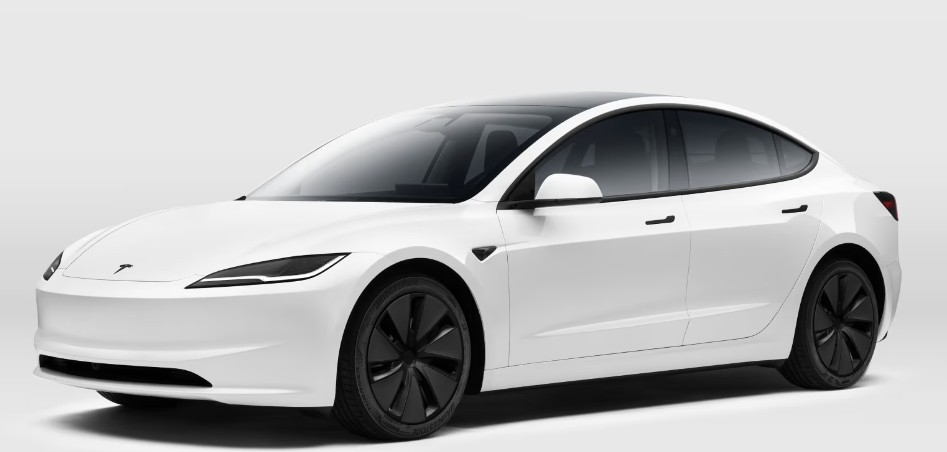
The moment we switch from a gasoline car to a Tesla Model 3, one question rises faster than a Supercharger session: how long does it actually take to charge?
It sounds simple, but the answer twists and turns like a mountain road. Charging time depends on battery size, charger type, weather, state of charge, and even how impatient we are while waiting for those percentage numbers to climb.
Sometimes a Tesla Model 3 charges in under 30 minutes. Other times it may need an entire night plugged into a wall outlet. That gap surprises many first-time EV owners.
In this guide, we’ll unpack everything about Tesla Model 3 charging times in plain English. We’ll explore home charging, Supercharging, slow charging, fast charging, winter charging, road-trip strategies, and the hidden factors most websites barely mention.
By the end, we’ll know exactly what affects charging speed — and how to make the Model 3 charge faster without harming the battery.
Content in this publication
- Why Tesla Model 3 Charging Time Varies So Much
- Tesla Model 3 Charging Time Overview
- Understanding Tesla Model 3 Battery Sizes
- How Long Does Tesla Model 3 Take To Charge At Home?
- Charging With A Standard Household Outlet
- Using A Level 2 Charger At Home
- How Long Does Tesla Model 3 Take To Charge At A Supercharger?
- Why Charging Slows After 80%
- How Weather Affects Tesla Model 3 Charging Time
- How Long Does It Take To Charge From Empty To Full?
- Daily Charging Habits For Tesla Owners
- Should We Charge Tesla Model 3 Every Night?
- How Long Does Tesla Model 3 Charge On Road Trips?
- Tesla Navigation Makes Charging Easier
- Can Fast Charging Damage The Battery?
- Tesla Battery Degradation Over Time
- Factors That Slow Down Tesla Model 3 Charging
- How To Charge Tesla Model 3 Faster
- Tesla Supercharger V2 Vs V3 Charging Speeds
- How Much Range Does Tesla Model 3 Gain Per Hour?
- How Long Does Charging Cost Compared To Gas?
- Can We Leave Tesla Plugged In Overnight?
- How Long Should We Charge To 100%?
- Charging At Public Stations Besides Tesla Superchargers
- How Tesla Charging Feels In Real Life
- Common Tesla Model 3 Charging Mistakes
- The Future Of Tesla Charging Speeds
- Is Tesla Model 3 Charging Actually Inconvenient?
- Final Thoughts On How Long Tesla Model 3 Charge
- FAQs
Why Tesla Model 3 Charging Time Varies So Much
Charging an EV is not like filling a gas tank. Gasoline flows at nearly the same speed every time. Electricity behaves differently.
A Tesla Model 3 can charge quickly or slowly depending on:
- Charger power output
- Battery percentage
- Battery temperature
- Battery chemistry
- Charging equipment
- Weather conditions
- Vehicle configuration
Think of charging like pouring water into a sponge. At first, the sponge absorbs water rapidly. Near the end, absorption slows dramatically. Tesla batteries work similarly.
That’s why charging from 10% to 60% feels incredibly fast, while going from 90% to 100% can seem painfully slow.
Tesla Model 3 Charging Time Overview
Here’s a quick snapshot of average charging times for most Model 3 variants.
| Charging Method | Estimated Time |
|---|---|
| Standard Wall Outlet (120V) | 24–48+ hours |
| Level 2 Home Charger | 6–12 hours |
| Tesla Wall Connector | 6–8 hours |
| Public Level 2 Charger | 6–10 hours |
| Tesla Supercharger | 15–40 minutes |
| DC Fast Charger | 20–45 minutes |
These are averages, not guarantees. Real-world charging changes constantly.
Understanding Tesla Model 3 Battery Sizes
Different Model 3 trims come with different battery capacities.
Tesla Model 3 Rear-Wheel Drive
The Rear-Wheel Drive version usually has a smaller battery pack and slightly slower charging speeds.
However, it still charges fast enough for daily use.
Tesla Model 3 Long Range
The Long Range trim supports higher charging rates and offers more driving distance between charges.
This version shines during road trips.
Tesla Model 3 Performance
The Performance model combines speed with aggressive charging capability.
It’s like having a sprinter that also drinks electricity through a fire hose.
How Long Does Tesla Model 3 Take To Charge At Home?
Home charging is where most Tesla owners spend the majority of their charging life.
And honestly? It’s the easiest method.
We simply plug in overnight and wake up with a “full tank.”
Charging With A Standard Household Outlet
A regular wall outlet is the slowest option.
Average Charging Speed
- Around 3–5 miles of range per hour
- Full charge may take 30–48 hours
This method works best for:
- Emergency charging
- Low daily mileage
- Occasional driving
It’s the EV equivalent of drinking a milkshake through a tiny coffee straw.
Is It Practical?
For many people, no.
If we drive only short distances daily, it can work. But heavy commuters usually outgrow standard outlet charging quickly.
Using A Level 2 Charger At Home
This is where Tesla ownership becomes magical.
A Level 2 charger dramatically improves charging speed.
Average Charging Speed
- Around 20–40 miles of range per hour
- Full charge in roughly 6–12 hours
That means overnight charging becomes completely realistic.
We sleep. The car charges. Morning arrives. Life continues.
Simple.
Tesla Wall Connector Charging Times
The Tesla Wall Connector is Tesla’s premium home charger.
It can provide some of the fastest home charging speeds available.
Estimated Charging Rates
| Model | Miles Per Hour |
|---|---|
| Model 3 RWD | Up to 30 mph |
| Model 3 Long Range | Up to 44 mph |
| Model 3 Performance | Up to 44 mph |
A near-empty battery can often recharge overnight comfortably.
How Long Does Tesla Model 3 Take To Charge At A Supercharger?
This is where Tesla truly separates itself from many EV competitors.
Typical Supercharging Time
Most Model 3 versions can charge:
- From 10% to 80% in about 20–30 minutes
- To nearly full in around 40–50 minutes
That’s astonishing when we think about it.
We can grab coffee, stretch our legs, answer a few messages, and suddenly have hundreds of miles of range ready to go.
Why Charging Slows After 80%
Tesla intentionally slows charging near the top of the battery.
Why?
Because high-speed charging at very high battery percentages creates additional heat and stress.
So the system protects battery longevity.
Imagine sprinting uphill with a backpack. Eventually, we naturally slow down to avoid collapse. Batteries do the same thing.
The Fastest Charging Zone
The quickest charging usually happens between:
- 10%
- and 60%
That middle zone is the sweet spot.
This is why experienced Tesla owners rarely wait for 100% during road trips.
How Weather Affects Tesla Model 3 Charging Time
Cold weather can dramatically change charging performance.
Winter Charging Challenges
In freezing temperatures:
- Batteries become less efficient
- Charging speeds slow down
- Range temporarily decreases
The car may spend part of the charging session warming the battery before accepting maximum power.
You may be interested in reading Waze on Tesla Model 3: Everything We Need to Know Before Using It
Battery Preconditioning
Tesla combats cold-weather charging delays through battery preconditioning.
Before arriving at a Supercharger, the navigation system warms the battery automatically.
This preparation can significantly reduce charging time.
It’s like stretching before a workout. A warm battery performs better.
How Long Does It Take To Charge From Empty To Full?
Here’s a realistic estimate for full charging times.
| Charging Type | Empty to Full |
|---|---|
| 120V Outlet | 30–48 hours |
| Level 2 Charger | 6–12 hours |
| Tesla Wall Connector | 6–8 hours |
| Supercharger | 40–60 minutes |
But here’s the important truth:
Most Tesla owners rarely charge from completely empty to 100%.
Instead, we top up frequently.
That changes the entire ownership experience.
Daily Charging Habits For Tesla Owners
Charging an EV feels more like charging a phone than visiting a gas station.
We typically:
- Plug in at night
- Charge to 70–90%
- Drive normally
- Recharge again later
This routine makes “charging time” almost invisible in everyday life.
Should We Charge Tesla Model 3 Every Night?
Usually, yes.
Tesla recommends regular charging.
Best Daily Charging Range
For daily driving:
- Keep battery between 20% and 80%
- Charge to 100% mainly for long trips
This helps preserve long-term battery health.
How Long Does Tesla Model 3 Charge On Road Trips?
Road trips create the biggest anxiety for EV newcomers.
But the reality is often easier than expected.
Typical Road Trip Charging Stops
Most stops last:
- 15–30 minutes
And honestly, that timing often matches human needs anyway.
We need coffee.
We need bathrooms.
We need food.
We need to stretch.
The car charges while we recharge ourselves.
Tesla’s built-in navigation system calculates:
- Charging stops
- Battery percentages
- Arrival estimates
- Supercharger availability
It removes much of the guesswork.
Instead of juggling apps and calculators, the car acts like a smart travel companion.
Can Fast Charging Damage The Battery?
This concern appears constantly online.
The answer is nuanced.
Occasional Supercharging Is Fine
Tesla batteries are designed for fast charging.
Using Superchargers regularly will not instantly destroy the battery.
However:
- Constant DC fast charging may increase long-term degradation slightly
- Home Level 2 charging remains ideal for daily use
Balance is key.
Tesla Battery Degradation Over Time
All EV batteries degrade gradually.
But Tesla batteries generally age impressively well.
Many owners report:
- Over 80–90% battery capacity after years of use
That’s remarkable considering the heavy workloads these batteries endure.
Factors That Slow Down Tesla Model 3 Charging
Several hidden factors can increase charging time.
High Battery Percentage
Charging slows near full capacity.
Cold Temperatures
Cold batteries charge more slowly.
Some older Supercharger stations split power between vehicles.
Poor Charging Equipment
Damaged cables or weak electrical installations reduce speed.
Battery Temperature Management
The car may pause or slow charging to regulate heat.
How To Charge Tesla Model 3 Faster
Want the shortest charging times possible?
Here’s how to optimize charging performance.
Precondition The Battery
Always navigate to the charger through Tesla navigation.
This allows the car to warm the battery beforehand.
Arrive With Low Battery Percentage
Superchargers work fastest when the battery is lower.
Charging from 10% to 60% is much faster than charging from 70% to 100%.
Use A High-Power Charger
Not all chargers are equal.
A 250 kW Supercharger will massively outperform a standard public charger.
You may be interested in readingWaze on Tesla Model 3: Everything We Need to Know Before Using ItYou may be interested in reading
Tesla Model 3 Issues: The Truth About Ownership, Reliability, and Everyday ProblemsAvoid Extreme Cold
If possible:
- Park indoors
- Warm the battery before charging
- Use scheduled departure features
Tesla Supercharger V2 Vs V3 Charging Speeds
Not all Tesla Superchargers deliver identical performance.
V2 Superchargers
- Usually max out around 150 kW
- Sometimes share power with nearby stalls
V3 Superchargers
- Up to 250 kW
- Faster peak charging
- Better efficiency
V3 stations can shave precious minutes off long trips.
How Much Range Does Tesla Model 3 Gain Per Hour?
Charging speed is often easier to understand in miles added per hour.
Typical Range Added
| Charger Type | Miles Added Per Hour |
|---|---|
| Standard Outlet | 3–5 |
| Level 2 Charger | 20–40 |
| Supercharger | 500–1,000+ |
That Supercharger speed still feels futuristic.
Watching hundreds of miles appear so quickly almost feels like cheating physics.
How Long Does Charging Cost Compared To Gas?
Charging time matters.
But cost matters too.
Home Charging Is Usually Cheapest
Electricity at home is often dramatically cheaper than gasoline.
Many owners save hundreds or even thousands yearly.
Superchargers Cost More
Tesla Superchargers are convenient but usually more expensive than home charging.
Still, they often remain cheaper than gasoline overall.
Can We Leave Tesla Plugged In Overnight?
Absolutely.
Tesla vehicles are designed for this.
In fact, Tesla often recommends keeping the car plugged in whenever practical.
The battery management system intelligently controls charging.
How Long Should We Charge To 100%?
For daily driving, charging to 100% isn’t usually necessary.
Best Practice
- 80% for normal use
- 100% mainly before long trips
Think of it like stretching a rubber band.
Keeping it fully stretched constantly adds more wear over time.
Charging At Public Stations Besides Tesla Superchargers
Tesla vehicles can also use many third-party chargers.
Public Charging Networks
Some common networks include:
- Electrify America
- ChargePoint
- EVgo
Charging times vary widely depending on power output.
How Tesla Charging Feels In Real Life
Many people obsess over charging before owning an EV.
Then something funny happens.
After ownership begins, charging becomes background noise.
We stop thinking about it.
Instead of detouring to gas stations, we simply plug in at home like charging a phone overnight.
That convenience changes our relationship with driving more than the acceleration or giant touchscreen ever could.
Common Tesla Model 3 Charging Mistakes
New owners often make avoidable errors.
Waiting For Nearly Empty Battery
Frequent top-ups work better than running extremely low.
Charging To 100% Daily
This may increase battery wear unnecessarily.
Ignoring Preconditioning
Battery temperature dramatically affects charging speed.
Using Weak Home Outlets Permanently
Level 2 charging improves ownership experience significantly.
The Future Of Tesla Charging Speeds
Charging technology keeps evolving rapidly.
Future Tesla charging improvements may include:
- Faster Superchargers
- Improved battery chemistry
- Better thermal systems
- Shorter charging sessions
- More efficient energy transfer
The gap between fueling gasoline cars and charging EVs continues shrinking.
Is Tesla Model 3 Charging Actually Inconvenient?
For some people, yes.
For many others, surprisingly not.
If we have reliable home charging, daily charging becomes almost effortless.
The biggest adjustment usually happens during road trips — but even then, modern Tesla charging networks make long-distance travel far easier than many skeptics expect.
Final Thoughts On How Long Tesla Model 3 Charge
So, how long does a Tesla Model 3 take to charge?
The honest answer is: it depends entirely on how we charge it.
A standard wall outlet may require two full days.
A home Level 2 charger usually handles the job overnight.
A Tesla Supercharger can add massive range in under 30 minutes.
That flexibility is both the beauty and complexity of EV ownership.
At first, charging times can seem confusing. But once we understand how battery percentage, charger type, and temperature interact, everything clicks into place.
Eventually, charging stops feeling like a chore and starts feeling invisible — quietly happening while we sleep, eat, work, or relax.
And that may be the biggest shift of all.
FAQs
How long does Tesla Model 3 take to fully charge at home?
Using a Level 2 charger, most Tesla Model 3 versions fully charge in around 6–12 hours depending on battery size and charging speed.
How fast can Tesla Model 3 charge at a Supercharger?
A Tesla Supercharger can usually charge the battery from 10% to 80% in approximately 20–30 minutes.
Is it bad to charge Tesla Model 3 every day?
No. Tesla recommends regular charging. Keeping the battery between 20% and 80% is generally best for long-term battery health.
You may be interested in readingWaze on Tesla Model 3: Everything We Need to Know Before Using ItYou may be interested in reading
Tesla Model 3 Issues: The Truth About Ownership, Reliability, and Everyday ProblemsYou may be interested in reading
 Dacia Duster Key Battery Replacement
Why does Tesla charging slow down after 80%?
Charging slows after 80% to reduce battery heat and stress, helping preserve battery lifespan and efficiency.
Can Tesla Model 3 charge overnight safely?
Yes. Tesla vehicles are designed for overnight charging, and the battery management system automatically controls the process safely.
If you want to know other articles similar to How Long Tesla Model 3 Charge? Complete Charging Times Explained you can visit the category Service and Parts.
Dacia Jogger Engine Size: Petrol and Hybrid Options Explained
Dacia Jogger Towing Capacity: Complete Practical Guide
Dacia Jogger Tyre Pressure: The Complete Owner’s Guide
Dacia Jogger Boot Space: Dimensions, Capacity and Practicality

Vauxhall Meriva Code 24: Meaning, Causes, and Easy Fixes
Vauxhall Meriva Code 16: Meaning, Causes, and Fixes
Leave a Reply
More content of your interest