

Tesla Model 3 Issues: The Truth About Ownership, Reliability, and Everyday Problems

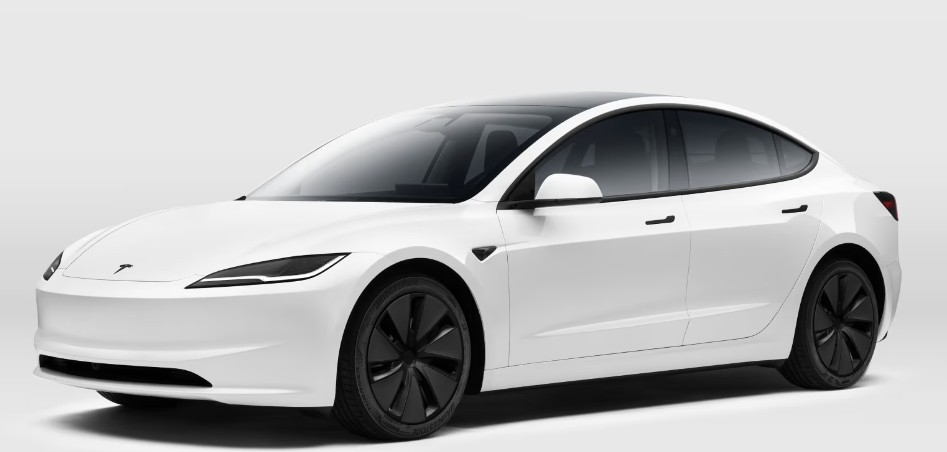
The Tesla Model 3 changed the electric car world like a thunderstorm rolling across a silent valley. It made EVs fast, desirable, and strangely futuristic all at once. Yet behind the minimalist cabin, blazing acceleration, and spaceship-like technology lies a question many buyers quietly ask:
What problems does the Tesla Model 3 actually have?
We often hear glowing praise surrounding Tesla ownership, but every car has imperfections hiding beneath the paintwork. The Model 3 is no exception. Some issues are tiny annoyances. Others can become expensive headaches if ignored. And then there are the quirks that make some owners laugh while making others want to pull their hair out.
In this guide, we will explore the most common Tesla Model 3 issues, the serious concerns, the minor frustrations, and the hidden truths many dealerships never mention. Whether we already own one or are thinking about buying one, understanding these issues can save us money, time, and stress.
Content in this publication
- Why the Tesla Model 3 Became So Popular
- Most Common Tesla Model 3 Issues Owners Report
- Build Quality Problems Continue To Haunt Tesla
- Tesla Model 3 Paint Issues
- Battery Degradation Fears
- Charging Problems and Frustrations
- Phantom Braking: One Of Tesla’s Most Controversial Issues
- Suspension Problems in the Tesla Model 3
- Screen Freezing and Infotainment Glitches
- Door Handle and Window Problems
- Winter Weather Problems
- Tesla Model 3 HVAC and Heat Pump Issues
- Road Noise and Cabin Insulation Complaints
- Software Updates: Blessing or Curse?
- Autopilot Reliability Concerns
- Tesla Service Center Complaints
- Which Tesla Model 3 Years Have The Most Issues?
- Are Tesla Model 3 Repairs Expensive?
- Tesla Model 3 Reliability Compared To Competitors
- Can Tesla Model 3 Issues Be Prevented?
- Why Many Owners Still Love The Tesla Model 3
- Should We Buy A Tesla Model 3 Despite The Issues?
- Final Thoughts On Tesla Model 3 Issues
- FAQs
Why the Tesla Model 3 Became So Popular
Before diving into the problems, we should understand why people still love the Model 3 despite its flaws.
The car delivers:
- Instant acceleration
- Excellent charging infrastructure
- Advanced software features
- Minimal maintenance compared to gasoline cars
- Strong driving range
- A futuristic driving experience
It feels less like driving a traditional vehicle and more like piloting a rolling smartphone. That magic explains why many owners forgive its imperfections.
Still, even the most dazzling stars have dark spots.
Most Common Tesla Model 3 Issues Owners Report
Some Tesla Model 3 issues appear repeatedly across owner forums, mechanic reports, and long-term reviews.
The most common complaints include:
- Build quality problems
- Suspension wear
- Battery concerns
- Phantom braking
- Paint quality issues
- Door handle malfunctions
- Screen freezing
- Cabin rattles
- Charging inconsistencies
- Software glitches
Some are minor inconveniences. Others can directly affect safety or ownership costs.
Let’s break them down one by one.
Build Quality Problems Continue To Haunt Tesla
Tesla’s biggest weakness has never been performance. It has been consistency.
Panel Gaps and Alignment Issues
One of the oldest Tesla Model 3 complaints involves uneven panel gaps.
Owners frequently report:
- Misaligned trunks
- Uneven doors
- Crooked bumpers
- Poor hood alignment
These problems became especially common in early production years.
The irony feels almost poetic. A car packed with cutting-edge technology sometimes struggles with things traditional automakers mastered decades ago.
Interior Trim Problems
Some Model 3 owners notice:
- Loose trim pieces
- Peeling materials
- Dashboard rattles
- Squeaking center consoles
While these issues may sound minor, they can make a premium-priced EV feel surprisingly unfinished.
Tesla Model 3 Paint Issues
If the exterior paint were armor, the Tesla Model 3 sometimes wears tissue paper into battle.
Thin Paint Concerns
Many owners complain about paint that chips easily.
Common trouble spots include:
- Front bumper
- Hood
- Rear wheel arches
- Lower doors
Highway driving can quickly leave the paint looking sandblasted.
Why Tesla Paint Chips So Easily
Several factors contribute:
Water-Based Paint
Tesla uses environmentally friendly water-based paint systems in many factories. While better for emissions, some owners believe durability suffers.
Minimal Protective Layers
Some Model 3 paint jobs appear thinner than competitors.
Aerodynamics
The Model 3’s aerodynamic shape can throw debris directly toward vulnerable body panels.
Battery Degradation Fears
The battery is the beating heart of any EV. Naturally, battery issues create the biggest anxiety.
Fortunately, catastrophic battery failures remain relatively rare.
Still, degradation is real.
How Much Battery Loss Is Normal?
Most Model 3 batteries lose:
- About 5% during the first years
- Gradual decline afterward
This is generally considered normal.
Factors That Accelerate Battery Wear
Several habits can increase degradation:
- Constant Supercharging
- Frequently charging to 100%
- Leaving the battery fully depleted
- Extreme heat exposure
Think of the battery like a marathon runner. Push it too hard every day, and exhaustion arrives faster.
Charging Problems and Frustrations
Charging should feel simple. Sometimes it does. Sometimes it feels like trying to convince a stubborn cat to take a bath.
Slow Charging Speeds
Owners occasionally report slower-than-expected charging speeds.
Possible causes include:
- Battery temperature
- Busy Superchargers
- Software limitations
- Faulty charging hardware
Charge Port Problems
Some Tesla Model 3 owners experience:
- Charge ports refusing to open
- Charging interruptions
- Connector recognition failures
While software resets often solve the issue, repeated problems can become frustrating quickly.
Phantom Braking: One Of Tesla’s Most Controversial Issues
Few Tesla problems generate as much debate as phantom braking.
What Is Phantom Braking?
Phantom braking occurs when the car suddenly brakes for no apparent reason while using Autopilot or driver-assistance features.
Imagine driving peacefully down a highway when the vehicle abruptly decides an invisible ghost crossed the road.
That is phantom braking.
Why It Happens
Potential causes include:
- Camera misinterpretation
- Shadows
- Road signs
- Overpasses
- Weather conditions
Is It Dangerous?
It can be.
Sudden braking at highway speeds may surprise surrounding drivers and increase accident risk.
Tesla has improved the system through software updates, but reports still continue.
Suspension Problems in the Tesla Model 3
The Model 3 handles beautifully. Sharp corners feel smooth and confident.
However, suspension durability has raised concerns.
You may be interested in reading Dacia Duster Key Battery Replacement
Common Suspension Complaints
Owners report:
- Clunking noises
- Premature control arm wear
- Squeaking suspension components
- Rough ride deterioration
Upper Control Arm Failures
This issue became common enough that many owners recognize the sound instantly.
The symptoms include:
- Creaking while turning
- Squeaking at low speeds
- Clicking noises over bumps
Some repairs are covered under warranty, though experiences vary.
Screen Freezing and Infotainment Glitches
The Tesla Model 3 relies heavily on its central touchscreen.
That means when the screen fails, the car suddenly feels strangely handicapped.
What Happens When The Screen Freezes?
Owners may lose access to:
- Climate controls
- Navigation
- Cameras
- Music
- Vehicle settings
In extreme cases, rebooting becomes necessary while driving.
Why It’s More Serious Than It Sounds
Traditional cars separate essential functions from entertainment systems. Tesla combines nearly everything into one interface.
When the screen acts up, it affects the entire driving experience.
Door Handle and Window Problems
Tesla’s sleek design sometimes sacrifices practicality.
Window Calibration Failures
Some owners notice windows that:
- Refuse to close properly
- Drop unexpectedly
- Create wind noise
Door Handle Issues
Flush door handles look futuristic but can occasionally malfunction.
Cold weather may worsen the problem.
Winter Weather Problems
Electric vehicles behave differently in winter. The Tesla Model 3 is no exception.
Reduced Driving Range
Cold temperatures can dramatically reduce range.
Sometimes by:
- 15%
- 20%
- Even 30% in extreme conditions
Frozen Door Handles
Ice buildup may prevent doors from opening easily.
Slow Charging in Cold Weather
Cold batteries charge more slowly until warmed up.
This surprises many first-time EV owners.
Tesla Model 3 HVAC and Heat Pump Issues
Climate systems became another major talking point.
Heat Pump Failures
Certain Model 3 years experienced heat pump problems that left drivers without proper cabin heating.
In winter, that becomes more than inconvenient.
It becomes miserable.
Symptoms Include
- Weak heating
- Strange noises
- Fogging windows
- System shutdowns
Tesla issued service bulletins and updates for some affected vehicles.
Road Noise and Cabin Insulation Complaints
The silence of electric driving creates a strange side effect.
Tiny noises become impossible to ignore.
Common Noise Complaints
Owners mention:
- Wind noise
- Tire roar
- Interior rattles
- Vibrations
Earlier Model 3 versions especially struggled with insulation compared to luxury competitors.
Tesla improved this over time with double-pane glass and additional sound deadening.
Software Updates: Blessing or Curse?
Tesla updates cars over the air like smartphones.
That sounds amazing. And often it is.
But software updates can also introduce new problems.
Unexpected Changes
Owners occasionally experience:
- Reduced range estimates
- Altered braking feel
- New interface layouts
- Feature removals
Imagine waking up and discovering your car changed its personality overnight.
That is the Tesla experience sometimes.
Bug Introductions
A software patch fixing one issue may accidentally create another.
Some updates improve the vehicle dramatically. Others feel like experimental beta testing.
Autopilot Reliability Concerns
Tesla markets advanced driver-assistance technology aggressively.
But confusion remains.
Autopilot Is Not Self-Driving
Despite futuristic branding, drivers must stay attentive at all times.
Common Autopilot Complaints
Drivers report:
- Lane wandering
- Phantom braking
- Hesitation at merges
- Inconsistent traffic recognition
The technology can feel brilliant one moment and strangely confused the next.
Tesla Service Center Complaints
Owning a Tesla often means entering a very different service ecosystem.
Limited Service Availability
Some owners live far from Tesla service centers.
This creates:
- Long wait times
- Travel inconvenience
- Delayed repairs
Parts Delays
Replacement parts can sometimes take weeks or months to arrive.
Communication Frustrations
Many owners praise Tesla service. Others describe it as painfully inconsistent.
The experience varies heavily depending on location.
You may be interested in readingDacia Duster Key Battery ReplacementYou may be interested in reading
 Jaecoo 7 Dashboard Symbols
Which Tesla Model 3 Years Have The Most Issues?
Not every Model 3 year is equally problematic.
2018 Tesla Model 3 Issues
The first major production year had the most complaints involving:
- Build quality
- Paint defects
- Panel alignment
- Early software instability
2019 Model Improvements
Tesla improved manufacturing quality somewhat, though some issues remained.
2021 And Newer Models
Later versions generally show:
- Better fit and finish
- Improved insulation
- Better reliability
- More refined software
Still, even newer cars can experience occasional glitches.
Are Tesla Model 3 Repairs Expensive?
Repair costs vary wildly.
Minor Repairs
Simple issues may cost little or nothing under warranty.
Major Repairs
Out-of-warranty repairs can become expensive fast.
Potential costly repairs include:
- Battery replacement
- Suspension work
- Body repairs
- Screen replacement
Insurance Costs
Many owners discover insurance premiums are surprisingly high.
Why?
Because Tesla repairs often require:
- Specialized labor
- Proprietary parts
- Advanced calibration
Even small accidents can produce large repair bills.
Tesla Model 3 Reliability Compared To Competitors
The Model 3 exists in a battlefield crowded with growing EV competition.
Alternatives now include:
- Hyundai Ioniq 5
- Kia EV6
- BMW i4
- Polestar 2
- BYD Seal
Some competitors offer:
- Better build quality
- Quieter cabins
- More traditional controls
- Strong warranties
Yet Tesla still dominates in charging infrastructure and software sophistication.
It is a trade-off.
Can Tesla Model 3 Issues Be Prevented?
Some problems are unavoidable. Others can be minimized.
Tips To Reduce Problems
Avoid Constant 100% Charging
Keeping the battery between 20% and 80% helps longevity.
Install Paint Protection Film
PPF can reduce paint chip damage dramatically.
Rotate Tires Regularly
Tesla’s instant torque can wear tires quickly.
Update Software Carefully
Reading owner feedback before installing updates can help avoid problematic releases.
Inspect Before Delivery
New buyers should carefully examine:
- Paint quality
- Panel gaps
- Interior trim
- Window operation
Why Many Owners Still Love The Tesla Model 3
After reading this list, we might wonder:
Why do people still adore this car?
Because the Model 3 delivers something difficult to measure.
It feels exciting.
The instant acceleration feels like being pulled by an invisible slingshot. The minimalist interior resembles a science-fiction lounge. The software evolves continuously like a living organism.
Even flawed, the experience remains addictive for many owners.
The car feels less like transportation and more like participating in the future.
And humans forgive imperfections when something feels revolutionary.
Should We Buy A Tesla Model 3 Despite The Issues?
That depends on expectations.
The Tesla Model 3 is not perfect.
If we demand flawless craftsmanship, silent cabins, and traditional dependability, some competitors may feel more polished.
But if we value:
- Technology
- Charging convenience
- Acceleration
- Software innovation
- EV efficiency
…the Model 3 still stands as one of the most compelling electric cars on the road.
The key is entering ownership with open eyes instead of blind excitement.
Final Thoughts On Tesla Model 3 Issues
The Tesla Model 3 is a contradiction on wheels.
It can feel futuristic yet unfinished.
Brilliant yet frustrating.
Revolutionary yet occasionally unreliable.
Some owners experience years of trouble-free driving. Others battle rattles, service appointments, and software quirks that feel like digital gremlins living inside the dashboard.
Still, the Model 3 changed the automotive world forever. It pushed electric vehicles from niche curiosity into mainstream obsession. Even its critics often admit one thing quietly:
Driving it can be incredibly fun.
The important thing is balance. Understanding the Tesla Model 3 issues before buying allows us to appreciate the strengths without being blindsided by the weaknesses.
That knowledge transforms ownership from disappointment into informed expectation.
And honestly, that is the smartest way to buy any car.
FAQs
What is the most common Tesla Model 3 problem?
The most commonly reported issues include build quality concerns, paint chips, suspension noises, and phantom braking during Autopilot use.
Do Tesla Model 3 batteries fail often?
Complete battery failures are relatively rare. Most owners experience gradual battery degradation over time, which is normal for EVs.
Is the Tesla Model 3 expensive to repair?
It can be. Specialized parts, certified repair centers, and advanced electronics often increase repair costs compared to traditional vehicles.
You may be interested in readingDacia Duster Key Battery ReplacementYou may be interested in reading
Jaecoo 7 Dashboard SymbolsYou may be interested in reading
 Suzuki Vitara Dimensions
Which Tesla Model 3 year is the most reliable?
Later models from 2021 onward generally show better build quality and fewer manufacturing issues than earlier 2018 models.
Should I buy a used Tesla Model 3?
Yes, but carefully inspect battery health, suspension condition, software functionality, and overall build quality before purchasing.
If you want to know other articles similar to Tesla Model 3 Issues: The Truth About Ownership, Reliability, and Everyday Problems you can visit the category Service and Parts.
Dacia Jogger Engine Size: Petrol and Hybrid Options Explained
Dacia Jogger Towing Capacity: Complete Practical Guide
Dacia Jogger Tyre Pressure: The Complete Owner’s Guide
Dacia Jogger Boot Space: Dimensions, Capacity and Practicality
Vauxhall Meriva Code 24: Meaning, Causes, and Easy Fixes
Vauxhall Meriva Code 16: Meaning, Causes, and Fixes
Leave a Reply
More content of your interest