
Tesla Model S Towing Capacity

Content in this publication
- Why the Tesla Model S and Towing Spark So Much Curiosity
- Does the Tesla Model S Officially Support Towing?
- Official Tesla Model S Towing Capacity Figures
- Why Electric Cars Are Surprisingly Good at Towing
- The Biggest Downside of Towing a Tesla Model S
- Tesla Model S Towing Range in Real Life
- Best Trailer Types for the Tesla Model S
- Trailers the Model S Struggles With
- Tesla Model S Hitch Options
- Tongue Weight Matters More Than Many Realize
- How the Tesla Model S Handles While Towing
- Braking Performance While Towing
- Can the Tesla Model S Tow a Caravan?
- Charging Challenges While Towing
- Tesla Superchargers and Trailer Access
- Weather Has a Bigger Impact Than You Think
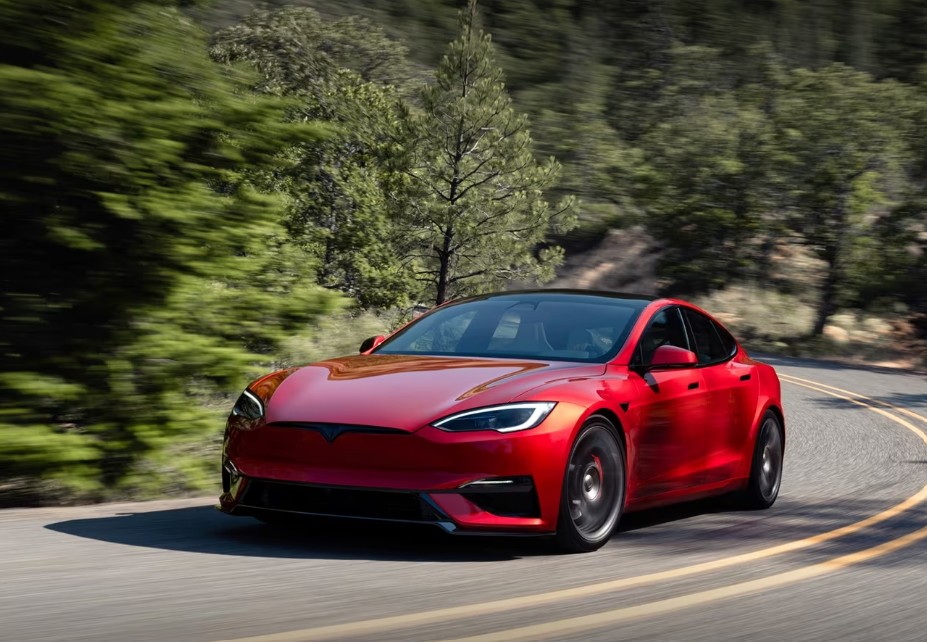
- Tesla Model S Plaid and Towing
- Can the Tesla Model S Pull a Boat?
- How Speed Affects Towing Efficiency
- Tire Pressure Becomes Extremely Important
- Legal Towing Requirements by Region
- Is the Tesla Model S Better Than the Model X for Towing?
- Tips for Safely Towing With a Tesla Model S
- What Owners Commonly Say About Towing a Model S
- Is the Tesla Model S Good for Towing Overall?
- Final Thoughts on Tesla Model S Towing Capacity
- FAQs
Why the Tesla Model S and Towing Spark So Much Curiosity
The idea of towing with an electric luxury sedan once sounded almost laughable. Years ago, towing belonged to diesel pickups, burly SUVs, and rumbling V8 wagons. Then came the Tesla Model S — silent, brutally quick, and packed with futuristic technology. Naturally, owners began asking a fascinating question: Can this thing tow?
The answer is more nuanced than a simple yes or no.
The Tesla Model S towing capacity depends heavily on the market, model year, factory configuration, and whether the vehicle was officially approved for towing in your region. While the Model S is not primarily designed as a towing machine, certain versions can absolutely handle trailers, bike racks, small campers, and lightweight cargo setups.
In this guide, we will break down everything we need to know about Tesla Model S towing capacity, including:
- Official towing figures
- Real-world towing experiences
- Range impact
- Trailer compatibility
- Hitch installation
- Safety considerations
- Model year differences
- Long-distance towing practicality
Think of towing with the Model S like asking a marathon runner to carry a backpack. It can absolutely do it — but efficiency, endurance, and comfort change dramatically once the extra weight appears.
Does the Tesla Model S Officially Support Towing?
This is where things become interesting.
Unlike the Tesla Model X, which was engineered with towing more clearly in mind, the Model S has had a somewhat inconsistent towing story globally.
North America vs Europe
In many European markets, Tesla approved certain Model S variants for towing and offered official tow packages.
In the United States, however, Tesla historically did not market the Model S heavily as a towing vehicle. Some versions lacked official tow ratings altogether.
This regional difference confuses many buyers because:
- European owners may have factory towing support
- U.S. owners may rely on aftermarket hitches
- Regulations differ significantly between regions
The result? Two seemingly identical Model S vehicles may have completely different towing legality depending on where they were sold.
Official Tesla Model S Towing Capacity Figures
The most commonly referenced towing capacity for approved European Tesla Model S variants is:
| Tesla Model S Variant | Approximate Towing Capacity |
|---|---|
| Long Range | 1,600 kg (3,527 lbs) |
| Performance/Plaid | Often lower or not officially rated |
| Earlier Models | Varies by market |
That 3,500-pound figure surprises many people. After all, we are talking about a low-slung luxury sedan — not a body-on-frame truck.
Still, electric motors produce instant torque, and torque is the secret sauce of towing.
Why Electric Cars Are Surprisingly Good at Towing
Electric vehicles behave differently from gasoline cars.
Instead of revving into a power band like a traditional engine, EVs deliver maximum torque immediately. That means the Model S can pull smoothly from a standstill without struggling or hunting for gears.
Benefits of EV Towing
Instant Torque
The Model S launches trailers effortlessly. There is no dramatic downshift or engine roar.
Low Center of Gravity
The battery pack sits beneath the floor, creating exceptional stability.
Smooth Power Delivery
Towing feels refined and controlled.
Regenerative Braking
Descending hills becomes easier because the car naturally slows itself while recovering energy.
Driving a trailer behind a Model S often feels more like pulling luggage than dragging dead weight.
The Biggest Downside of Towing a Tesla Model S
Here comes the elephant in the room: range loss.
Towing dramatically reduces EV range. Sometimes brutally.
How Much Range Do You Lose?
Typical range reductions include:
- 20–30% with lightweight trailers
- 40–50% with medium campers
- Up to 60% with large boxy trailers
Aerodynamics matter even more than weight.
A small aerodynamic trailer may barely affect efficiency compared to a tall camping trailer acting like a parachute behind the car.
Imagine trying to sprint while holding a bedsheet in a windstorm. That is essentially what towing does to EV aerodynamics.
Tesla Model S Towing Range in Real Life
Let us consider a practical example.
Without a Trailer
A newer Model S Long Range may achieve:
- Around 350–400 miles of EPA range
With a Trailer
Realistically, owners may see:
- 150–250 miles depending on:
- Speed
- Trailer shape
- Weight
- Weather
- Terrain
That is still usable, but road trips require more planning.
Best Trailer Types for the Tesla Model S
Not every trailer suits the Model S equally.
Ideal Trailer Choices
Small Utility Trailers
Perfect for:
- Garden equipment
- Furniture
- DIY projects
Bike Trailers
Excellent for outdoor adventures.
Compact Campers
Lightweight teardrop campers pair surprisingly well with EVs.
Cargo Pods
Aerodynamic cargo solutions preserve range better.
Trailers the Model S Struggles With
Some trailer types simply fight the physics of electric efficiency.
Avoid These if Possible
- Tall RVs
- Large enclosed trailers
- Heavy boat trailers
- Construction equipment haulers
Even if weight limits are technically acceptable, aerodynamics can devastate battery efficiency.
Tesla Model S Hitch Options
Most towing setups rely on either:
- Factory tow packages (where available)
- Aftermarket hitch systems
Factory Tow Hitch
Factory-installed systems typically offer:
- Integrated electronics
- Better stability calibration
- Warranty compatibility
- Cleaner installation
Aftermarket Hitches
Popular among U.S. owners.
However, owners should verify:
- Weight ratings
- Tongue weight limits
- Electrical compatibility
- Local towing legality
Improper hitch installation is like putting hiking boots on a racehorse. The vehicle may move, but balance and safety suffer.
Tongue Weight Matters More Than Many Realize
Towing is not just about total trailer weight.
What Is Tongue Weight?
Tongue weight refers to the downward force placed on the hitch.
Too much tongue weight can:
- Stress the suspension
- Affect steering
- Reduce braking performance
- Damage the hitch assembly
Too little tongue weight can make trailers sway dangerously.
A properly balanced trailer feels planted and predictable.
How the Tesla Model S Handles While Towing
This may be the Model S’s secret weapon.
Because the car is heavy and low to the ground, it often feels incredibly stable when towing moderate loads.
Handling Advantages
Minimal Body Roll
The battery pack keeps the chassis composed.
Strong Acceleration
Highway merging remains easy.
Excellent Traction
Dual-motor AWD systems provide superb grip.
Many owners report that towing with a Model S feels calmer than towing with lighter gasoline sedans.
Braking Performance While Towing
Braking is critical.
The Model S combines:
- Regenerative braking
- Traditional friction brakes
This creates smooth deceleration under moderate towing loads.
Important Considerations
Heavy trailers should ideally have:
- Independent trailer brakes
- Brake controllers where required
- Proper wiring support
Stopping power matters more than pulling power.
Anyone can drag weight. Controlling it safely is the true challenge.
Can the Tesla Model S Tow a Caravan?
Yes — within limits.
Suitable Caravan Types
The best caravan matches are:
- Lightweight
- Aerodynamic
- Compact
A small teardrop caravan works much better than a towering family RV.
What Happens on Long Trips?
Long-distance caravan towing introduces:
- More charging stops
- Reduced route flexibility
- Longer travel times
Still, some owners genuinely enjoy the slower rhythm EV towing creates.
Travel becomes less about rushing and more about intentional stops.
Charging Challenges While Towing
This is arguably the least convenient part of EV towing.
Why Charging Can Be Difficult
Many charging stations were designed without trailers in mind.
Owners may need to:
- Unhitch trailers temporarily
- Occupy multiple spaces
- Plan routes carefully
This inconvenience is improving as EV infrastructure evolves, but it remains a real-world consideration today.
Tesla Superchargers and Trailer Access
Some newer Tesla Supercharger locations now include:
- Pull-through charging stalls
- Trailer-friendly layouts
These are game changers for EV towing.
Instead of disconnecting a trailer every few hours, drivers can simply pull in like traditional towing vehicles.
Weather Has a Bigger Impact Than You Think
Towing already reduces range.
Add:
- Cold temperatures
- Rain
- Wind
- Elevation changes
…and efficiency can drop even further.
Winter Towing Reality
Cold weather affects:
- Battery chemistry
- Tire efficiency
- Cabin heating consumption
A winter towing trip can sometimes reduce range more than expected.
Planning becomes essential rather than optional.
Tesla Model S Plaid and Towing
The Tesla Model S Plaid changes the conversation slightly.
The Plaid is absurdly fast. Its acceleration feels almost physics-defying.
But towing and extreme performance are not always ideal companions.
Why the Plaid Is Different
Performance-focused tuning may prioritize:
- Speed
- Cooling
- Tire grip
- Aerodynamics
Rather than towing optimization.
Some markets do not officially rate the Plaid for towing at all.
Can the Tesla Model S Pull a Boat?
Potentially, yes.
Best Boat Scenarios
The Model S can manage:
- Small fishing boats
- Jet skis
- Lightweight watercraft
Potential Problems
Boat ramps can become tricky because:
- Wet surfaces reduce traction
- Trailer weight shifts unpredictably
Fortunately, AWD variants perform much better in slippery launch conditions.
How Speed Affects Towing Efficiency
Speed is the silent battery killer.
Towing at 55 mph vs 75 mph
The difference in efficiency can be dramatic.
At higher speeds:
- Aerodynamic drag skyrockets
- Battery drain accelerates
- Charging frequency increases
Driving slower while towing can substantially improve range.
It is one of the simplest ways to maximize efficiency.
Tire Pressure Becomes Extremely Important
When towing, tire pressure matters even more than usual.
Proper tire inflation helps:
- Stability
- Braking
- Efficiency
- Tire longevity
Underinflated tires while towing are like running a marathon in sand — everything becomes harder and less efficient.
Always follow:
- Tesla recommendations
- Trailer manufacturer specifications
Legal Towing Requirements by Region
This part often gets overlooked.
Rules Vary Globally
Different countries may require:
- Trailer brake systems
- Additional mirrors
- Special licenses
- Speed restrictions
Before towing, owners should verify:
- Local regulations
- Insurance coverage
- Vehicle certification
Legality matters just as much as capability.
Is the Tesla Model S Better Than the Model X for Towing?
Honestly, the Tesla Model X is generally the better Tesla towing platform.
Why the Model X Wins
The Model X offers:
- Higher towing capacity
- SUV practicality
- More cargo flexibility
- Better trailer stability for heavy loads
Where the Model S Still Shines
The Model S remains appealing because it delivers:
- Sports-car-like driving
- Luxury sedan comfort
- Impressive efficiency without trailers
- Sleek styling
Choosing between them depends on priorities.
If towing is occasional, the Model S works beautifully. If towing is frequent, the Model X makes more sense.
Tips for Safely Towing With a Tesla Model S
Smart Towing Practices
Plan Charging Stops Carefully
Never assume chargers will accommodate trailers.
Drive Slower
Moderate speeds improve range dramatically.
Use Aerodynamic Trailers
Shape matters more than many realize.
Check Hitch Ratings
Never exceed certified limits.
Balance Trailer Weight Properly
A stable trailer is a safe trailer.
Monitor Tire Pressures
Especially before long trips.
What Owners Commonly Say About Towing a Model S
Many owners describe the experience as:
- Surprisingly smooth
- Quiet
- Stable
- Relaxing
But they also mention:
- Frequent charging
- Reduced spontaneity
- Careful route planning
In many ways, towing with a Model S feels futuristic — almost like bringing tomorrow’s technology into yesterday’s towing world.
Is the Tesla Model S Good for Towing Overall?
The answer depends entirely on expectations.
The Model S Is Excellent For
- Occasional towing
- Lightweight trailers
- Weekend adventures
- Small campers
- Bikes and utility loads
The Model S Is Less Ideal For
- Heavy commercial towing
- Large RVs
- Frequent long-haul trailer trips
The Model S is not trying to be a pickup truck. It is a luxury performance sedan that happens to possess surprising towing capability.
That distinction matters.
Final Thoughts on Tesla Model S Towing Capacity
The Tesla Model S proves that electric vehicles can do far more than many skeptics imagined.
Its towing capabilities may not rival heavy-duty trucks, but they are far from trivial. With the right setup, sensible expectations, and careful planning, the Model S can tow trailers, campers, bikes, and recreational gear confidently.
Still, towing transforms the EV experience.
Range shrinks. Planning becomes essential. Charging requires patience. Yet many owners discover something unexpectedly rewarding in the process — a quieter, calmer, more deliberate form of travel.
And perhaps that is the most fascinating part of all.
The future of towing may not roar. It may simply glide in silence.
FAQs
What is the Tesla Model S towing capacity?
Approved Tesla Model S variants in some markets can tow up to approximately 1,600 kg (3,527 lbs).
Can a Tesla Model S tow a camper?
Yes, lightweight and aerodynamic campers are the best match for the Model S.
Does towing reduce Tesla Model S range?
Absolutely. Towing can reduce range by 20% to 60% depending on trailer size, weight, and aerodynamics.
Can you install an aftermarket hitch on a Tesla Model S?
Yes, many owners use aftermarket hitch systems, particularly in regions where Tesla did not offer factory tow packages.
Is the Tesla Model S or Model X better for towing?
The Model X is generally better for regular towing due to its higher towing capacity and SUV-focused design.
If you want to know other articles similar to Tesla Model S Towing Capacity you can visit the category Service and Parts.
MG HS Tyre Pressure Guide: Correct PSI and TPMS
Toyota Yaris Cross Dashboard Symbols

BMW 3 Series Warning Lights: The Complete Guide to Understanding Every Dashboard Symbol
Nissan Qashqai Fuel Tank Capacity: Complete Guide

Suzuki Swift Fuel Tank Capacity: Complete Guide
Mazda CX-5 Weight (2013–2026): Complete Guide in Pounds and KG
Leave a Reply
More content of your interest