
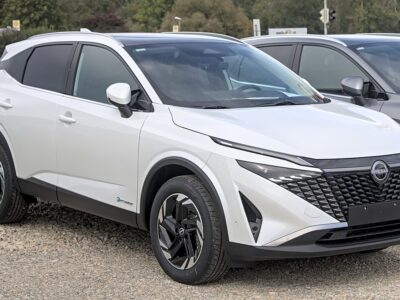
Tesla Model S Tyre Pressure

Content in this publication
- Why Tesla Model S Tyre Pressure Matters More Than Most Drivers Realize
- Understanding Tesla Model S Recommended Tyre Pressure
- How Electric Vehicles Change the Tyre Pressure Equation
- Tesla Model S Tyre Pressure and Driving Range
- The Ideal Time to Check Tesla Model S Tyre Pressure
- How Temperature Impacts Tesla Model S Tyre Pressure
- Tesla Model S Tyre Pressure Monitoring System (TPMS)
- What Causes Tesla Model S Tyre Pressure Warnings?
- How to Reset Tesla Model S Tyre Pressure Warnings
- Why Overinflation Is Also a Problem
- Tesla Model S Performance Models Need Extra Attention
- How Incorrect Tyre Pressure Affects Handling
- Tesla Model S Tyre Wear Patterns Explained
- How Often Should Tesla Model S Tyres Be Rotated?
- Best Tyres for Tesla Model S Pressure Stability
- Should You Use Nitrogen in Tesla Model S Tyres?
- Road Trips and Tesla Model S Tyre Pressure
- How Regenerative Braking Influences Tyre Wear
- Can Tyre Pressure Improve Tesla Ride Comfort?
- Tesla Model S Seasonal Tyre Pressure Tips
- DIY Tyre Pressure Checks vs Professional Service
- The Hidden Cost of Ignoring Tesla Model S Tyre Pressure
- Final Thoughts on Tesla Model S Tyre Pressure
- FAQs
Why Tesla Model S Tyre Pressure Matters More Than Most Drivers Realize
When we talk about the Tesla Model S, most conversations orbit around acceleration, range, autopilot technology, or futuristic interiors. Yet there’s a surprisingly overlooked detail quietly shaping the entire driving experience: tyre pressure.
It sounds simple. Almost too simple. But tyre pressure in a high-performance electric vehicle behaves like the heartbeat of the car. Ignore it, and efficiency fades, tyre wear accelerates, handling suffers, and even range anxiety starts creeping into everyday drives.
The Tesla Model S is not a lightweight machine. Its battery pack adds substantial mass, while instant torque places enormous stress on the tyres. That means maintaining proper tyre pressure is not merely “recommended maintenance.” It is essential survival equipment for preserving performance, comfort, and efficiency.
Think of underinflated tyres like running a marathon in wet boots. The vehicle can still move, but every mile demands more effort.
In this guide, we’ll unpack everything we need to know about Tesla Model S tyre pressure—from recommended PSI levels to seasonal adjustments, warning lights, range optimization, tyre wear, and practical maintenance habits that can save money over time.
Understanding Tesla Model S Recommended Tyre Pressure
Tesla generally recommends tyre pressures around:
- 42 PSI to 45 PSI for many standard wheel configurations
- Slight variations depending on:
- Wheel size
- Tyre brand
- Performance package
- Model year
However, the exact figure is always located in two places:
- The driver-side door jamb sticker
- The vehicle’s touchscreen tyre information section
Many owners make the mistake of relying on internet forums instead of the official vehicle specification. That’s risky because a 19-inch wheel setup behaves differently from a 21-inch performance wheel package.
Typical Tesla Model S Tyre Pressure by Wheel Size
| Wheel Size | Typical Front PSI | Typical Rear PSI |
|---|---|---|
| 19-inch | 42 PSI | 42 PSI |
| 21-inch | 42–45 PSI | 42–45 PSI |
These values may shift slightly depending on load capacity and driving conditions.
How Electric Vehicles Change the Tyre Pressure Equation
Traditional combustion cars and electric vehicles live in completely different worlds when it comes to tyre stress.
The Tesla Model S delivers:
- Instant torque
- Heavy battery weight
- Regenerative braking
- Silent cabin acoustics
That combination magnifies every tyre-related issue.
The Weight Factor
The battery pack alone makes the Model S significantly heavier than many luxury sedans. More weight pressing downward means tyres flex more under pressure.
If inflation is too low:
- Rolling resistance increases
- Sidewalls heat excessively
- Efficiency drops
The Torque Factor
Tesla acceleration is brutal—in the best possible way.
But every launch transfers immense force into the tyre surface. Improper inflation causes:
- Uneven tread wear
- Reduced grip
- Premature tyre replacement
The result? A small PSI imbalance can snowball into expensive tyre bills surprisingly fast.
Tesla Model S Tyre Pressure and Driving Range
Can Tyre Pressure Affect Range? Absolutely.
One of the biggest hidden killers of EV efficiency is low tyre pressure.
Underinflated tyres create:
- More rolling resistance
- Greater battery demand
- Reduced aerodynamic efficiency
Even a few PSI below recommendation can noticeably reduce range.
Imagine pulling a suitcase with half-broken wheels through an airport. That extra drag is exactly what your Tesla experiences with soft tyres.
How Much Range Can You Lose?
Although the exact number varies, low tyre pressure may reduce efficiency by:
- 3%
- 5%
- Sometimes even more
For a long-range Tesla Model S, that can mean losing dozens of kilometers or miles on a single charge.
The Ideal Time to Check Tesla Model S Tyre Pressure
Timing matters.
Tyre pressure should always be checked when the tyres are cold.
That means:
- Before driving
- Or after the vehicle has been parked for several hours
Driving heats the tyres and temporarily increases PSI readings.
Best Routine
A smart maintenance habit looks like this:
- Check pressure once every two weeks
- Inspect before long road trips
- Recheck during major weather changes
Simple routines prevent costly problems later.
How Temperature Impacts Tesla Model S Tyre Pressure
Cold Weather Can Dramatically Lower PSI
Tyres lose pressure naturally when temperatures drop.
A common rule:
- Pressure changes roughly 1 PSI for every 10°F temperature shift
That means winter mornings can trigger TPMS warnings even when the tyres were perfectly inflated days earlier.
Summer Heat Creates Different Risks
Hot weather expands air inside the tyres.
Overinflation may:
- Reduce ride comfort
- Increase center tread wear
- Reduce grip on uneven surfaces
The sweet spot is balance—not rock-hard tyres.
Tesla Model S Tyre Pressure Monitoring System (TPMS)
The Tesla Model S includes an advanced Tyre Pressure Monitoring System.
This system continuously monitors tyre pressure and alerts drivers if levels fall below safe thresholds.
Where to Find TPMS Information
On most Model S vehicles:
- Open the Controls menu
- Navigate to Service or Vehicle settings
- View live tyre pressure readings
The system displays:
- Individual tyre PSI
- Warnings
- Sensor status
It’s like having a digital doctor monitoring each tyre in real time.
What Causes Tesla Model S Tyre Pressure Warnings?
Several issues can trigger the warning light.
Common Causes Include
Seasonal Temperature Drops
Cold weather remains the number one trigger.
Slow Punctures
Small nails or embedded debris may leak air gradually.
Damaged Valve Stems
Aging rubber valves can leak over time.
Wheel Damage
Potholes can bend rims and create sealing issues.
Natural Air Loss
Even healthy tyres slowly lose air month after month.
How to Reset Tesla Model S Tyre Pressure Warnings
In many cases, the warning disappears automatically after correcting tyre pressure.
Typical Reset Process
- Inflate tyres to recommended PSI
- Drive for several minutes
- Allow the TPMS to recalibrate
If the warning persists:
- Check for punctures
- Verify sensor functionality
- Reboot the touchscreen if necessary
Persistent alerts should never be ignored.
Why Overinflation Is Also a Problem
Some drivers think adding extra air automatically improves efficiency.
Not always.
Overinflated tyres can:
- Reduce traction
- Create harsher ride quality
- Increase center tread wear
- Compromise wet-weather grip
The Tesla Model S is engineered around specific tyre pressures. Deviating too far disrupts the intended balance between comfort, handling, and efficiency.
Tesla Model S Performance Models Need Extra Attention
Plaid Models Push Tyres Harder
The Tesla Model S Plaid produces astonishing acceleration.
That performance places enormous strain on tyres.
Aggressive driving may lead to:
- Faster shoulder wear
- Higher tyre temperatures
- More frequent pressure fluctuations
Performance owners should check pressures more frequently than casual commuters.
How Incorrect Tyre Pressure Affects Handling
Tyres are the only contact point between the car and the road.
That tiny patch of rubber determines:
- Braking distance
- Steering precision
- Cornering grip
- Stability
Underinflated Tyres Feel Like This
- Sluggish steering
- Excessive body movement
- Delayed response
Overinflated Tyres Feel Like This
- Nervous steering
- Harsh ride
- Reduced grip over bumps
Proper tyre pressure keeps the Model S balanced and confident.
Tesla Model S Tyre Wear Patterns Explained
Tyre wear tells a story.
Learning to read that story can prevent expensive replacements.
Center Tread Wear
Usually caused by:
- Overinflation
Outer Edge Wear
Typically linked to:
- Underinflation
Uneven Shoulder Wear
Can indicate:
- Alignment issues
- Aggressive cornering
- Incorrect pressure balance
Regular inspections help catch problems before they become severe.
How Often Should Tesla Model S Tyres Be Rotated?
Tesla owners commonly rotate tyres every:
- 6,000 to 8,000 miles
- Or around 10,000 to 12,000 kilometers
Because EV torque is so immediate, tyre wear can accelerate quickly—especially on rear-wheel-dominant setups.
Benefits of Rotation
- More even tread life
- Better ride quality
- Improved long-term efficiency
- Reduced replacement costs
Skipping rotations is like wearing one shoe more than the other every day. Eventually, imbalance catches up.
Best Tyres for Tesla Model S Pressure Stability
Some tyres maintain stable pressure better than others.
Popular choices for the Tesla Model S include:
- Michelin Pilot Sport EV
- Continental ProContact RX
- Pirelli P Zero Elect
- Hankook Ion Evo
These EV-focused tyres are designed to:
- Handle heavier loads
- Reduce road noise
- Improve efficiency
- Support regenerative braking demands
Should You Use Nitrogen in Tesla Model S Tyres?
Nitrogen inflation remains a debated topic.
Potential Benefits
Nitrogen may:
- Reduce moisture inside tyres
- Slow pressure loss slightly
- Improve stability during temperature swings
Reality Check
For everyday drivers, regular air works perfectly fine if tyre pressure is checked consistently.
Maintenance habits matter far more than gas composition.
Road Trips and Tesla Model S Tyre Pressure
Long-distance EV travel places sustained stress on tyres.
Before road trips:
- Inspect tread depth
- Check all four tyres
- Verify spare repair equipment
- Confirm PSI levels
A properly inflated Tesla feels smoother, quieter, and more efficient during highway cruising.
And honestly, there’s something deeply satisfying about watching efficiency numbers improve simply because the tyres are dialed in correctly.
How Regenerative Braking Influences Tyre Wear
Tesla’s regenerative braking changes tyre dynamics dramatically.
Unlike conventional vehicles:
- The tyres help slow the vehicle more aggressively
- Rear tyres may experience unique wear patterns
Combined with improper inflation, regenerative braking can accelerate uneven wear.
This is one reason why tyre inspections are even more important on EVs than on gasoline cars.
Can Tyre Pressure Improve Tesla Ride Comfort?
Absolutely.
Tyre pressure acts like the vehicle’s invisible suspension assistant.
Correct Pressure Delivers
- Better bump absorption
- Reduced cabin vibration
- Improved highway stability
- More predictable steering feel
When tyre pressure is wrong, even a luxury EV can suddenly feel clumsy or overly stiff.
Tesla Model S Seasonal Tyre Pressure Tips
Winter Tips
- Check pressure more often
- Expect PSI drops overnight
- Inflate during colder conditions
Summer Tips
- Avoid overfilling
- Monitor hot-weather expansion
- Inspect for heat-related wear
Seasonal adaptation keeps the Model S performing consistently year-round.
DIY Tyre Pressure Checks vs Professional Service
Checking tyre pressure yourself is surprisingly easy.
What You Need
- Reliable digital pressure gauge
- Portable inflator
- Access to recommended PSI values
The entire process takes less than five minutes.
Still, professional inspections occasionally help identify:
- Hidden punctures
- Alignment problems
- Internal tyre damage
Think of DIY checks as brushing your teeth, while professional inspections resemble dental cleanings.
Both matter.
Poor tyre maintenance silently drains money.
Consequences include:
- Faster tyre replacement
- Reduced battery efficiency
- Shorter driving range
- Poor handling
- Increased accident risk
And because Tesla tyres are often premium EV-specific models, replacement costs are not small.
A few minutes of maintenance can save hundreds—or even thousands—over time.
Final Thoughts on Tesla Model S Tyre Pressure
The Tesla Model S represents cutting-edge automotive engineering, but even the smartest technology still depends on four properly inflated tyres touching the road.
Tyre pressure affects nearly everything:
- Efficiency
- Range
- Safety
- Comfort
- Performance
- Tyre lifespan
It’s the invisible foundation beneath every smooth acceleration run and every silent highway cruise.
Many drivers obsess over charging speed or software updates while overlooking the simplest maintenance habit of all. Yet tyre pressure quietly shapes the ownership experience every single day.
In many ways, proper tyre pressure is the unsung hero of EV ownership.
Ignore it, and the car slowly loses its magic.
Maintain it properly, and the Tesla Model S rewards us with the kind of refined, efficient, futuristic driving experience that made the world fall in love with electric cars in the first place.
FAQs
What is the recommended tyre pressure for a Tesla Model S?
Most Tesla Model S configurations recommend approximately 42–45 PSI, though exact values depend on wheel size and trim level.
Does low tyre pressure reduce Tesla range?
Yes. Underinflated tyres increase rolling resistance, forcing the battery to work harder and reducing driving efficiency.
How often should I check Tesla Model S tyre pressure?
Checking every two weeks is ideal, especially during seasonal temperature changes or before long trips.
Can overinflated tyres damage Tesla handling?
Yes. Overinflation may reduce grip, create uneven center tread wear, and make the ride feel harsher.
Why does my Tesla tyre pressure warning appear in winter?
Cold temperatures naturally lower tyre pressure, often triggering TPMS alerts during winter mornings.
If you want to know other articles similar to Tesla Model S Tyre Pressure you can visit the category Service and Parts.
Nissan Qashqai Fuel Tank Capacity: Complete Guide

Suzuki Swift Fuel Tank Capacity: Complete Guide
Mazda CX-5 Weight (2013–2026): Complete Guide in Pounds and KG

Kia Sportage Dashboard Symbols and Warning Lights

MINI Cooper Weight (2002–2027): Complete Weight Chart & Guide

Toyota RAV4 Engine Sizes: Complete Guide (1994–2026)
Leave a Reply
More content of your interest