
Tesla Model S Reliability

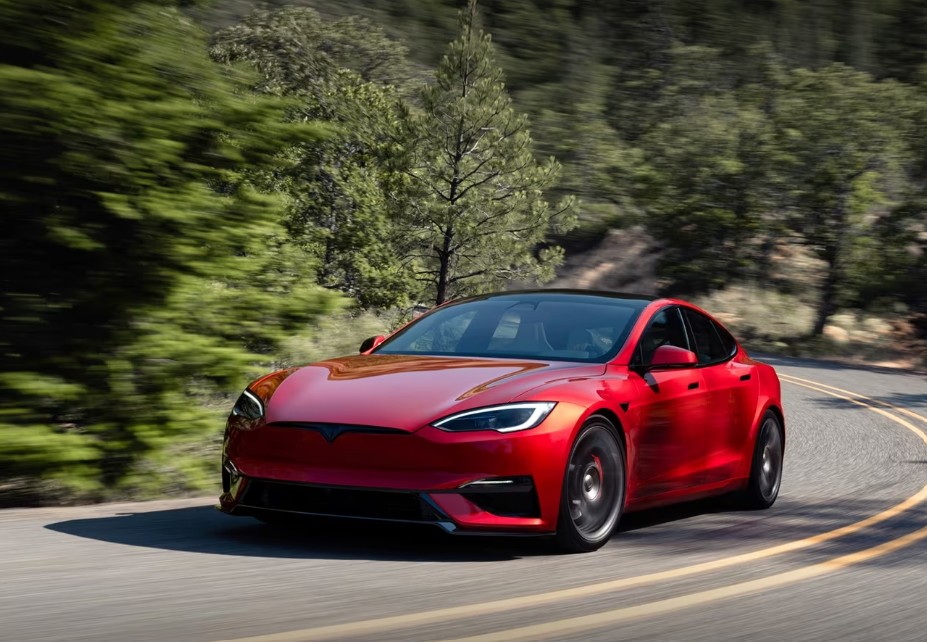
The Tesla Model S changed the automotive world the moment it rolled onto the scene. It wasn’t just another luxury sedan. It was a silent rocket ship with a giant touchscreen, lightning-fast acceleration, and enough futuristic charm to make traditional luxury cars suddenly feel ancient. But once the excitement settles, one practical question remains:
Is the Tesla Model S actually reliable?
That question matters more today than ever. Used Model S prices have dropped, more buyers are considering older Tesla models, and long-term ownership stories are finally painting a clearer picture. Some owners swear their Model S is the most dependable vehicle they’ve ever driven. Others compare certain repair experiences to a roller coaster ride powered by software glitches and expensive components.
So where does the truth live?
Somewhere in the middle.
In this deep dive, we’ll explore Tesla Model S reliability from every angle — battery longevity, drivetrain durability, software issues, maintenance costs, common failures, ownership experiences, and whether this electric flagship is still worth trusting in 2026.
Content in this publication
- Why Tesla Model S Reliability Is Such a Hot Topic
- How Reliable Is the Tesla Model S Overall?
- Battery Reliability: The Heart of the Model S
- Why Tesla Batteries Age Better Than Many Expected
- Common Tesla Model S Reliability Problems
- Software Reliability: A Double-Edged Sword
- Is the Tesla Model S Expensive to Maintain?
- Tesla Model S Reliability vs German Luxury Cars
- Which Tesla Model S Years Are Most Reliable?
- Tesla Model S Reliability at High Mileage
- How Reliable Are Tesla Electric Motors?
- Charging Reliability and Daily Ownership
- Winter Reliability and Cold Weather Performance
- Interior Reliability and Cabin Durability
- Tesla Model S Reliability for Families
- How Safe Is the Tesla Model S?
- Autopilot Reliability: Helpful but Imperfect
- Used Tesla Model S Reliability Tips
- Tesla Service Experience: A Reliability Factor of Its Own
- Can a Tesla Model S Be Trusted Long Term?
- Should You Buy a Tesla Model S in 2026?
- Final Thoughts on Tesla Model S Reliability
- FAQs
Why Tesla Model S Reliability Is Such a Hot Topic
The Model S isn’t a normal luxury car. It’s essentially a giant rolling computer powered by batteries instead of gasoline. That changes the reliability conversation entirely.
Traditional reliability discussions revolve around:
- Engine failures
- Transmission problems
- Oil leaks
- Timing chains
- Fuel systems
The Model S eliminates many of those headaches. But in exchange, it introduces entirely different concerns:
- Battery degradation
- Software bugs
- Touchscreen failures
- Door handle malfunctions
- Suspension wear
- Charging system issues
That’s why some owners describe the car as brilliantly reliable mechanically but occasionally frustrating electronically.
It’s a bit like owning a high-end smartphone that weighs two tons.
How Reliable Is the Tesla Model S Overall?
Overall, the Tesla Model S has mixed-to-good reliability, depending heavily on:
- Model year
- Mileage
- Maintenance history
- Battery condition
- Build quality generation
Newer Model S vehicles are significantly more reliable than early models from 2012–2015.
General Reliability Breakdown by Era
| Model Years | Reliability Reputation |
|---|---|
| 2012–2014 | Problematic |
| 2015–2017 | Improving |
| 2018–2020 | Much better |
| 2021+ Plaid/Refresh | Strong but still software-heavy |
The earliest cars experienced growing pains because Tesla was still learning how to mass-produce premium EVs. Build quality inconsistencies were common, and some hardware simply wasn’t durable enough.
Modern versions are far more refined.
Battery Reliability: The Heart of the Model S
The battery pack is the single most important component in the car.
Fortunately, this is also where the Model S often shines brightest.
How Long Does a Tesla Model S Battery Last?
Most Tesla Model S battery packs are expected to last:
- 300,000 to 500,000 miles
- 15 to 20 years in many cases
That’s extraordinary.
Many owners report only moderate battery degradation even after crossing 100,000 or 150,000 miles.
Typical Battery Degradation
Most Model S vehicles lose:
- About 5% capacity early on
- Roughly 1% annually afterward
A Model S with 300 miles of original range may still offer:
- 270–285 miles after several years
That’s surprisingly resilient.
Why Tesla Batteries Age Better Than Many Expected
Tesla engineered aggressive thermal management systems to protect battery health.
The car constantly regulates temperature through:
- Liquid cooling
- Smart charging controls
- Software optimization
That’s one reason Tesla batteries generally outperform early EV competitors.
Think of the battery like an athlete with a personal trainer constantly monitoring hydration, temperature, and stress levels.
The system rarely lets the battery suffer catastrophic abuse.
Common Tesla Model S Reliability Problems
Even though the powertrain is strong, the Model S has several known trouble spots.
Some are minor annoyances.
Others can become expensive.
1. Door Handle Failures
Older Model S cars are infamous for retractable door handle problems.
Symptoms include:
- Handles not presenting
- Handles getting stuck
- Motor failures
- Frozen mechanisms
While not catastrophic, repeated failures became frustrating for many owners.
Tesla improved the design over time.
2. MCU Failures (Media Control Unit)
Early cars suffered from failing touchscreen systems.
The MCU controls:
- Navigation
- Climate settings
- Backup camera
- Media
- Vehicle settings
Some units failed because of worn-out memory chips.
A dead MCU could feel like losing the brain of the car.
Tesla eventually addressed this issue through recalls and upgrades.
3. Suspension Problems
Heavy battery packs place substantial stress on suspension components.
Common issues include:
- Control arm wear
- Air suspension leaks
- Premature bushing wear
Older high-mileage Model S cars may require suspension work sooner than traditional sedans.
4. Panel Gaps and Build Quality
Tesla’s early manufacturing quality was inconsistent.
Owners reported:
- Uneven panel gaps
- Loose trim
- Wind noise
- Water leaks
- Paint imperfections
While these problems rarely left drivers stranded, they hurt perceived reliability.
Newer production quality is far better than the early years.
Software Reliability: A Double-Edged Sword
Software is both Tesla’s greatest strength and occasional weakness.
You may be interested in reading Tesla Model S Years to Avoid
Unlike traditional cars, Tesla vehicles receive over-the-air updates regularly.
That means:
- New features arrive constantly
- Bugs can sometimes appear unexpectedly
- Performance may improve after purchase
It’s almost like your car evolves while parked in your driveway.
But there’s a catch.
When Software Causes Problems
Owners sometimes experience:
- Frozen screens
- Bluetooth glitches
- Phantom braking
- Autopilot oddities
- Sensor calibration issues
Most problems are fixable through updates, but software instability can frustrate owners who expect predictable luxury-car behavior.
Is the Tesla Model S Expensive to Maintain?
Compared to traditional luxury sedans, maintenance costs are usually lower.
Why?
Because there’s no:
- Oil changes
- Spark plugs
- Timing belts
- Fuel injectors
- Exhaust systems
That removes many traditional expenses.
Typical Tesla Maintenance Costs
Common expenses include:
- Tires
- Brake fluid
- Cabin air filters
- Suspension repairs
- Alignment services
However, tire wear can be surprisingly high because the Model S is heavy and extremely fast.
Performance versions can devour rear tires like a hungry wolf attacking a steak.
Tesla Model S Reliability vs German Luxury Cars
Many shoppers compare the Model S to:
- BMW 7 Series
- Mercedes-Benz S-Class
- Audi A8
Here’s where things get interesting.
Mechanical Reliability
The Model S often wins because EV drivetrains are mechanically simpler.
Electronic Reliability
German luxury cars and Tesla both struggle here — just in different ways.
Tesla has software bugs.
German sedans have complex electronics and expensive mechanical systems.
Maintenance Costs
Tesla typically costs less long term, especially once warranty coverage ends.
Which Tesla Model S Years Are Most Reliable?
Not every Model S generation performs equally.
Best Years for Reliability
The sweet spots are generally:
- 2019
- 2020
- 2021+
- Refreshed Long Range versions
These models benefited from:
- Improved build quality
- Better battery management
- Updated interior technology
- Fewer early-production flaws
Years to Approach Carefully
The riskiest years are often:
- 2012
- 2013
- Early 2014 models
These vehicles can still be good purchases if properly maintained, but buyers should inspect them carefully.
Tesla Model S Reliability at High Mileage
One fascinating aspect of Tesla ownership is how many high-mileage cars still perform remarkably well.
We’re seeing:
- 200,000-mile Teslas
- 300,000-mile Teslas
- Even 400,000-mile examples
That would’ve sounded impossible a decade ago.
What Usually Wears Out First?
High-mileage issues commonly include:
- Suspension components
- Interior trim
- Door handles
- Charging ports
- HVAC systems
Interestingly, the battery and motors often outlast many secondary systems.
How Reliable Are Tesla Electric Motors?
Tesla’s electric motors are generally excellent.
Modern drive units are far more reliable than earlier versions.
Early Drive Unit Problems
Older Model S vehicles experienced:
- Motor whining noises
- Bearing wear
- Drive unit replacements
Tesla improved these components significantly over time.
Today, the motors themselves are among the car’s strongest reliability points.
Charging Reliability and Daily Ownership
Charging convenience influences perceived reliability more than many people realize.
A perfectly reliable car still becomes stressful if charging feels inconvenient.
Fortunately, Tesla’s charging network remains one of the company’s biggest advantages.
Why the Supercharger Network Matters
Tesla built a charging ecosystem that reduces range anxiety dramatically.
Benefits include:
- Fast charging speeds
- Excellent navigation integration
- Widespread availability
- Reliable charging hardware
For many owners, this creates a smoother ownership experience than rival EV brands.
Winter Reliability and Cold Weather Performance
Cold weather affects every EV.
The Model S handles winter reasonably well, but owners should expect:
- Reduced range
- Slower charging
- Increased energy consumption
However, Tesla’s heat pump systems and battery conditioning technology help minimize cold-weather struggles.
Winter Strengths
The Model S performs impressively in snow because of:
- Low center of gravity
- Instant torque control
- All-wheel-drive options
In slippery conditions, it often feels planted like a train on rails.
Interior Reliability and Cabin Durability
The Model S interior has improved dramatically over time.
Early cars sometimes suffered from:
You may be interested in readingTesla Model S Years to AvoidYou may be interested in reading
Are Tesla Model S Worth It?- Peeling trim
- Squeaks and rattles
- Premature seat wear
- Loose panels
Modern refreshed interiors feel much more premium.
Still, some traditional luxury brands maintain an edge in long-term cabin durability.
Tesla Model S Reliability for Families
Families often prioritize dependability above all else.
The Model S works surprisingly well as a family car because it offers:
- Huge cargo space
- Front trunk storage
- Excellent safety ratings
- Quiet driving comfort
- Low operating costs
Parents especially appreciate:
- Minimal maintenance visits
- Home charging convenience
- Spacious rear seating
It transforms daily commuting into something calmer and smoother.
How Safe Is the Tesla Model S?
Safety and reliability often overlap in buyers’ minds.
The Model S performs strongly in crash protection thanks to:
- Low rollover risk
- Strong structural rigidity
- Advanced driver assistance systems
Tesla’s EV architecture allows engineers to design massive crumple zones because there’s no large gasoline engine upfront.
That’s a hidden advantage many buyers overlook.
Autopilot Reliability: Helpful but Imperfect
Tesla’s Autopilot system generates enormous debate.
Some owners love it.
Others distrust it completely.
What Autopilot Does Well
It excels at:
- Highway cruising
- Lane centering
- Traffic-aware cruise control
- Reducing long-distance fatigue
Where It Still Struggles
Problems can include:
- Phantom braking
- Misreading road conditions
- Inconsistent behavior in construction zones
Autopilot should always be treated as a driver-assistance feature — not a replacement for attention.
Used Tesla Model S Reliability Tips
Buying a used Model S can be a fantastic decision if done carefully.
What to Check Before Buying
Inspect:
- Battery health
- Charging performance
- Suspension condition
- Door handles
- MCU version
- Tire wear
- Service history
Also verify warranty status.
Battery and drive unit warranties matter enormously.
Questions Every Buyer Should Ask
Before purchasing, ask:
- Has the battery been replaced?
- Has the MCU been upgraded?
- Any suspension repairs?
- How often was fast charging used?
- Has the car been in accidents?
A little detective work can save thousands later.
Tesla Service Experience: A Reliability Factor of Its Own
Reliability isn’t only about the car itself.
It’s also about repair experiences.
Tesla service can be polarizing.
What Owners Like
- Mobile service
- App scheduling
- Fewer dealer games
- Remote diagnostics
What Owners Dislike
- Long wait times
- Parts delays
- Limited service centers in some regions
The experience varies heavily depending on location.
Can a Tesla Model S Be Trusted Long Term?
For many owners, yes.
The key is understanding what kind of reliability you’re buying.
A Model S may not behave like a traditional Lexus that quietly exists for decades with minimal drama.
Instead, it behaves more like advanced technology that occasionally demands updates, repairs, and adaptation.
But when it works well, it feels years ahead of conventional luxury cars.
That’s why owners often forgive issues they’d never tolerate elsewhere.
Driving a fast, silent electric spaceship tends to create emotional loyalty.
Should You Buy a Tesla Model S in 2026?
The answer depends on your priorities.
Buy One If You Want
- Exceptional EV performance
- Long electric range
- Advanced technology
- Lower fuel costs
- Futuristic driving experience
Think Twice If You Prioritize
- Traditional luxury craftsmanship
- Absolute perfection in fit and finish
- Simple repair networks
- Old-school reliability consistency
The Model S remains one of the most fascinating vehicles on the road.
Not perfect.
Not flawless.
But undeniably revolutionary.
Final Thoughts on Tesla Model S Reliability
The Tesla Model S proves that reliability is no longer just about engines and transmissions. In the electric era, software stability, battery longevity, and technological integration matter just as much as mechanical durability.
And surprisingly, the Model S performs better than many critics expected.
Its batteries often last hundreds of thousands of miles. Its motors are generally robust. Maintenance costs can be lower than traditional luxury sedans. Yet at the same time, build quality inconsistencies and electronic quirks remind us that innovation sometimes arrives with turbulence.
The truth is simple: the Model S is reliable enough to satisfy many owners long term, especially newer versions. But it’s best suited for drivers comfortable embracing evolving technology rather than expecting old-fashioned predictability.
Owning one feels less like driving a conventional car and more like piloting tomorrow’s idea of transportation.
And perhaps that’s exactly the point.
FAQs
Is the Tesla Model S reliable after 100,000 miles?
Yes, many Tesla Model S vehicles remain dependable after 100,000 miles, especially newer models with proper maintenance and healthy battery systems.
What is the biggest reliability issue with the Tesla Model S?
Early models commonly experienced door handle failures, MCU problems, and suspension wear. Modern versions are significantly more refined.
How long does a Tesla Model S battery last?
Most Tesla Model S batteries are expected to last between 300,000 and 500,000 miles with gradual degradation over time.
Is the Tesla Model S expensive to repair?
Routine maintenance is usually cheaper than traditional luxury cars, but major repairs involving batteries, suspension, or electronics can become expensive.
You may be interested in readingTesla Model S Years to AvoidYou may be interested in reading
Are Tesla Model S Worth It?You may be interested in reading
How to Turn Tesla Model S OffWhich Tesla Model S year is most reliable?
Many experts and owners consider 2019 onward models among the most reliable thanks to improved build quality and updated technology.
If you want to know other articles similar to Tesla Model S Reliability you can visit the category Blog.
Kia Sportage Gas Tank Size: Complete Guide
BMW X1 Life Expectancy: How Long Does It Last?
Is the Toyota Yaris Cross Reliable? 2026 Guide
Kia Sportage Weight Guide: Curb, Kerb & GVWR
Toyota RAV4 Gas Tank Size (Chart & Explanation)
Toyota RAV4 Depreciation: Complete Resale Value Guide
Leave a Reply
More content of your interest