
Tesla Model S Years to Avoid

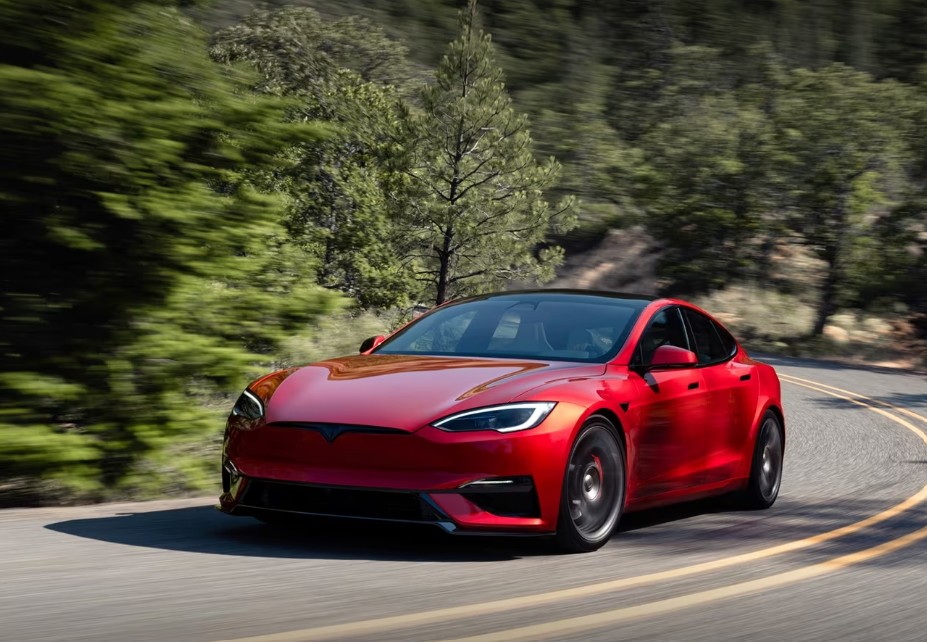
The Tesla Model S changed the automotive world like a lightning bolt splitting a quiet sky. It arrived with jaw-dropping acceleration, futuristic technology, and enough electric range to make gasoline-powered luxury sedans suddenly feel ancient. But here’s the uncomfortable truth many buyers discover too late: not every Tesla Model S year is equally reliable.
Some model years shine like polished chrome. Others? They behave more like experimental science projects rolling on expensive wheels.
If we are considering a used Tesla Model S, understanding the years to avoid can save us thousands in repairs, battery headaches, suspension failures, and endless service appointments. Buying the wrong year may turn the dream of silent electric luxury into a wallet-draining nightmare.
So let’s break it all down carefully, honestly, and clearly.
Content in this publication
- Why Certain Tesla Model S Years Have Problems
- The Worst Tesla Model S Years to Avoid
- 2012 Tesla Model S: The Riskiest Choice
- 2013 Tesla Model S: Improved but Still Problematic
- 2014 Tesla Model S: Luxury Meets Reliability Issues
- 2015 Tesla Model S: Better Performance, Same Headaches
- Early 2016 Tesla Model S Models Deserve Caution
- Tesla Model S Years That Are More Reliable
- Why the 2017 Tesla Model S Is Often Recommended
- 2019 and 2020 Tesla Model S Models Stand Out
- 2021 Refresh Models Changed Everything
- Common Tesla Model S Problems Across Multiple Years
- Battery Problems
- MCU Failure Issues
- Suspension Wear and Air Suspension Failures
- Door Handle Failures Are Extremely Common
- How to Inspect a Used Tesla Model S Properly
- Check Battery Health Carefully
- Inspect Charging Performance
- Test Every Electronic Feature
- Should We Avoid High-Mileage Tesla Model S Cars?
- Tesla Warranty Coverage Matters Enormously
- Should We Buy an Older Tesla Model S Today?
- Best Strategy for Buying a Used Tesla Model S
- Final Thoughts on Tesla Model S Years to Avoid
- FAQs
Why Certain Tesla Model S Years Have Problems
Tesla evolved rapidly during the Model S lifecycle. Unlike traditional automakers that move cautiously, Tesla pushed updates aggressively. That innovation helped the brand dominate EV headlines, but it also created growing pains.
Early vehicles were essentially beta versions for technology the world had never seen before at scale.
Common causes of issues include:
- Rapid hardware changes
- Experimental software systems
- Battery technology evolution
- Build quality inconsistencies
- Suspension component weaknesses
- Touchscreen and MCU failures
- Door handle malfunctions
Think of it like buying the first smartphone ever released. Revolutionary? Absolutely. Perfect? Not even close.
The Worst Tesla Model S Years to Avoid
Not every problematic year deserves complete rejection, but some are clearly riskier than others.
The most commonly criticized years include:
- 2012 Tesla Model S
- 2013 Tesla Model S
- 2014 Tesla Model S
- 2015 Tesla Model S
- Some early 2016 models
These years experienced the highest concentration of owner complaints, recalls, and expensive component failures.
Let’s explore each one individually.
2012 Tesla Model S: The Riskiest Choice
The First-Year Problem
The 2012 Tesla Model S was groundbreaking. It was also unfinished in many ways.
First-generation vehicles often suffer from development flaws, and the 2012 Model S proves that rule brutally.
Owners reported issues involving:
- Battery pack concerns
- Poor panel alignment
- Faulty door handles
- Drive unit failures
- Suspension wear
- Water leaks
- Touchscreen glitches
The drivetrain itself was revolutionary, but reliability was inconsistent.
Drive Unit Failures
One of the biggest headaches involved the electric drive unit. Many owners experienced strange noises, vibrations, or complete failures.
Tesla eventually replaced numerous drive units under warranty, but buying one today without coverage can be financially dangerous.
Replacing a drive unit can cost several thousand dollars.
Build Quality Was Rough
The early production cars often looked beautiful from a distance but revealed flaws up close.
Common complaints included:
- Uneven body gaps
- Loose trim pieces
- Rattling interiors
- Paint inconsistencies
For a luxury sedan competing with German brands, that was disappointing.
2013 Tesla Model S: Improved but Still Problematic
The 2013 model refined many issues from 2012, but reliability concerns remained significant.
Persistent Door Handle Problems
The retractable door handles looked futuristic. Unfortunately, they also failed frequently.
Owners often dealt with:
- Handles refusing to present
- Electronic failures
- Frozen mechanisms
- Sensor problems
While visually impressive, these handles became one of Tesla’s most notorious weak points.
Battery Degradation Concerns
Battery degradation is normal in EVs, but some 2013 models experienced faster-than-expected range loss.
That matters because battery replacement is extraordinarily expensive.
A degraded battery can reduce:
- Daily usability
- Long-distance confidence
- Vehicle resale value
2014 Tesla Model S: Luxury Meets Reliability Issues
The 2014 model year is often viewed as one of the most problematic.
Suspension Failures Became Common
Air suspension systems frequently caused trouble.
Owners reported:
- Sagging suspension
- Uneven ride height
- Compressor failures
- Harsh ride quality
Repair costs could become substantial quickly.
Touchscreen and MCU Problems
The large touchscreen felt like stepping into the future. Yet many systems suffered lagging, freezing, or complete blackouts.
The MCU (Media Control Unit) became infamous for:
- Slow boot times
- Navigation crashes
- Connectivity failures
- Dead screens
Since Tesla integrated nearly every vehicle function into the screen, failures became deeply frustrating.
2015 Tesla Model S: Better Performance, Same Headaches
The 2015 Model S introduced more power and improved features, but reliability problems still lingered like storm clouds.
Autopilot Growing Pains
Tesla introduced early Autopilot features around this era.
While impressive, the system was still immature.
Owners experienced:
- Phantom braking
- Sensor confusion
- Software instability
- Calibration issues
Today’s Tesla driver assistance systems are far more polished.
High Repair Costs
One of the biggest concerns with older Teslas isn’t just failure frequency — it’s repair pricing.
Tesla repairs often involve:
- Specialized technicians
- Limited parts availability
- Expensive electronics
- Long service wait times
Even small repairs can feel financially painful.
You may be interested in reading Are Tesla Model S Worth It?
Early 2016 Tesla Model S Models Deserve Caution
The 2016 refresh improved the Model S dramatically, especially after mid-year production changes.
Still, early 2016 models can carry leftover problems from prior generations.
What Changed in 2016
Tesla updated:
- Front-end styling
- Cabin refinement
- Electronics
- Hardware integration
Later 2016 vehicles became notably more reliable.
Why Build Date Matters
A late-2016 car can be significantly better than an early-2016 version.
That’s why checking the manufacturing date matters enormously when shopping for a used Tesla.
Tesla Model S Years That Are More Reliable
Thankfully, not every Model S year should scare us away.
Some years represent a much safer purchase.
Generally stronger options include:
- Late 2016 models
- 2017 Tesla Model S
- 2019 Tesla Model S
- 2020 Tesla Model S
- 2021+ refreshed models
These vehicles benefited from years of engineering refinement.
Why the 2017 Tesla Model S Is Often Recommended
The 2017 model strikes an attractive balance between price and reliability.
Major Improvements Arrived
Tesla refined:
- Battery systems
- Infotainment hardware
- Suspension durability
- Interior quality
Reliability complaints decreased noticeably.
Better Value Retention
The 2017 Model S also tends to hold value better because buyers recognize it as a safer used purchase.
That makes it appealing both practically and financially.
2019 and 2020 Tesla Model S Models Stand Out
These years are often considered among the best pre-refresh Model S options.
Enhanced Battery Reliability
Tesla improved battery chemistry and thermal management significantly.
Benefits include:
- Better range retention
- Improved charging behavior
- Lower degradation rates
More Mature Software
By 2019, Tesla’s software ecosystem became dramatically more stable.
The car finally felt less experimental and more polished.
2021 Refresh Models Changed Everything
The 2021 redesign pushed the Model S into a new era.
Interior Technology Leaped Forward
Tesla upgraded:
- Screen responsiveness
- Cabin materials
- Processor speed
- Noise insulation
The difference compared to early models feels enormous.
Plaid Performance Shocked the Industry
The Model S Plaid accelerated like a rocket disguised as a family sedan.
Yet despite the insane performance, reliability generally improved versus earlier generations.
Common Tesla Model S Problems Across Multiple Years
Even better years can still experience issues.
Understanding common problems helps us inspect vehicles intelligently.
Battery Problems
Battery Replacement Costs Are Massive
A failing battery is the nightmare scenario for any EV owner.
Replacement costs can exceed:
- $10,000
- $15,000
- Sometimes even higher
That’s why battery health is critical when evaluating a used Model S.
Signs of Battery Trouble
Watch for:
- Rapid range loss
- Charging inconsistency
- Sudden percentage drops
- Reduced fast charging speeds
These symptoms deserve serious attention.
MCU Failure Issues
The MCU became one of the Model S’s most infamous weaknesses.
What Happens When the MCU Fails
Potential symptoms include:
- Frozen screen
- Dead navigation
- Bluetooth failure
- Climate control problems
Since Tesla centralized vehicle controls into the touchscreen, MCU failure impacts daily driving heavily.
Suspension Wear and Air Suspension Failures
Air suspension systems improve comfort but increase complexity.
Warning Signs
Be cautious if the car:
- Sits unevenly
- Makes compressor noises
- Feels bouncy
- Shows suspension warnings
Repairs can become expensive quickly.
Door Handle Failures Are Extremely Common
The flush handles look futuristic, but many owners learned an important lesson: complexity often reduces reliability.
Typical Door Handle Symptoms
Problems include:
- Handles stuck inward
- Intermittent operation
- Motor failures
- Broken sensors
Some owners replaced handles multiple times.
How to Inspect a Used Tesla Model S Properly
Buying a used Tesla requires more diligence than many traditional vehicles.
Check Battery Health Carefully
Range Estimates Matter
Compare the displayed range against original EPA estimates.
Heavy degradation may indicate problems.
You may be interested in readingAre Tesla Model S Worth It?You may be interested in reading
How to Turn Tesla Model S OffRequest Service Records
A well-maintained Tesla is dramatically safer to buy.
Look for:
- Battery warranty work
- Drive unit replacements
- Suspension repairs
- MCU upgrades
Documentation tells a story.
Inspect Charging Performance
Charging behavior reveals hidden battery issues.
What to Watch During Charging
Potential red flags include:
- Slow charging speeds
- Interrupted sessions
- Overheating warnings
Healthy batteries charge consistently and predictably.
Test Every Electronic Feature
Tesla vehicles are deeply software-driven.
That means every electronic function deserves inspection.
Test:
- Touchscreen responsiveness
- Navigation
- Cameras
- Bluetooth
- Windows
- Seat controls
- Door handles
- Autopilot systems
A small electronic problem can snowball into costly repairs.
Should We Avoid High-Mileage Tesla Model S Cars?
Not necessarily.
Mileage matters less in EVs than maintenance history and battery condition.
A well-maintained high-mileage Tesla may outperform a neglected low-mileage one.
Still, caution increases above:
- 100,000 miles
- 150,000 miles
At those levels, suspension wear and battery degradation become more relevant.
Tesla Warranty Coverage Matters Enormously
Warranty status can dramatically change ownership risk.
Battery and Drive Unit Warranty
Many Tesla Model S vehicles carried:
- 8-year battery coverage
- Unlimited mileage on older versions
That protection can provide peace of mind.
Why Extended Coverage Helps
Without warranty support, repair bills can become brutal.
Luxury EV ownership without coverage is a bit like skydiving without a backup parachute — thrilling until something goes wrong.
Should We Buy an Older Tesla Model S Today?
The answer depends on expectations, budget, and risk tolerance.
Reasons to Buy
Pros include:
- Incredible acceleration
- Premium technology
- Minimal fuel costs
- Supercharger access
- Strong safety performance
Reasons to Be Careful
Cons include:
- Expensive repairs
- Aging electronics
- Battery concerns
- Build quality inconsistencies
The smartest buyers approach older Teslas carefully and strategically.
Best Strategy for Buying a Used Tesla Model S
If we want the best balance between value and reliability, targeting later production years usually makes the most sense.
Recommended Sweet Spot
Many enthusiasts recommend:
- 2017
- 2019
- 2020
These years avoid most early-production chaos while remaining cheaper than brand-new models.
Avoid Emotion-Driven Purchases
Tesla vehicles can feel intoxicating during a test drive.
The acceleration is addictive. The giant screen feels futuristic. The silence feels surreal.
But emotional buying leads to mistakes.
A careful inspection matters more than excitement.
Final Thoughts on Tesla Model S Years to Avoid
The Tesla Model S remains one of the most influential cars ever created. It transformed the EV market and forced the entire auto industry to rethink the future.
Yet innovation came with turbulence.
The worst years to avoid — especially 2012 through 2015 — suffered from reliability issues involving batteries, drive units, suspension systems, electronics, and build quality. Early 2016 models also deserve careful scrutiny.
Later models improved substantially, particularly from 2017 onward.
If we buy intelligently, inspect thoroughly, and prioritize condition over flashy features, a used Tesla Model S can still deliver an extraordinary ownership experience.
But choosing the wrong year can turn that futuristic dream into a costly lesson.
So before signing paperwork, ask yourself one question:
Are we buying the badge… or buying the engineering maturity behind it?
That answer changes everything.
FAQs
Which Tesla Model S year is the worst?
Many experts and owners consider the 2012 and 2014 Tesla Model S models among the riskiest due to drive unit failures, suspension issues, and electronic problems.
Is the 2015 Tesla Model S reliable?
The 2015 model improved performance and features but still experienced common issues involving Autopilot systems, electronics, and expensive repairs.
What is the best used Tesla Model S year to buy?
The 2017, 2019, and 2020 Tesla Model S models are often considered the safest balance between reliability, technology, and price.
How long does a Tesla Model S battery last?
Many Tesla batteries can exceed 200,000 miles with proper care, though degradation rates vary depending on charging habits and climate.
You may be interested in readingAre Tesla Model S Worth It?You may be interested in reading
How to Turn Tesla Model S OffYou may be interested in reading
 Ford Mustang Mach-E Reliability
Are older Tesla Model S cars expensive to repair?
Yes. Repairs involving batteries, suspension systems, electronics, and drive units can become extremely costly outside warranty coverage.
If you want to know other articles similar to Tesla Model S Years to Avoid you can visit the category Blog.
Volvo S90 Reliability: Problems, Costs & Best Years
Is Haval Jolion a Good Car? Honest Review, Reliability, Pros and Cons
How to Start Haval Jolion With Spare Key: Complete Guide
How to Calculate Per Diem on an Auto Loan

How to Calculate the Residual Value of a Car

Is the Honda Passport Selling Well? Sales Numbers Tell the Story
Leave a Reply
More content of your interest