

BMW i3 Tyre Pressure

Content in this publication
- Why BMW i3 Tyre Pressure Matters More Than You Think
- Understanding the BMW i3’s Unique Tyre Setup
- Recommended BMW i3 Tyre Pressure
- How to Find the Correct BMW i3 Tyre Pressure
- Cold Tyre Pressure vs Hot Tyre Pressure
- Why Low Tyre Pressure Hurts BMW i3 Efficiency
- How Tyre Pressure Affects BMW i3 Range
- BMW i3 TPMS Warning Light Explained
- How to Reset BMW i3 Tyre Pressure Warning
- Seasonal Changes and BMW i3 Tyre Pressure
- BMW i3 Tyre Pressure for Long Trips
- How Often Should You Check BMW i3 Tyre Pressure?
- Best Tools for Checking BMW i3 Tyre Pressure
- BMW i3 Tyre Pressure and Tyre Wear
- Why BMW i3 Tyres Wear Faster Than Expected
- Can You Drive With the BMW i3 Tyre Pressure Warning On?
- BMW i3 Tyre Pressure in Winter
- Do 19-Inch and 20-Inch Wheels Need Different Pressures?
- Common BMW i3 Tyre Pressure Mistakes
- How BMW Engineered the i3 Around Efficiency
- Signs Your BMW i3 Tyre Pressure Is Incorrect
- Should You Use Nitrogen in BMW i3 Tyres?
- BMW i3 Tyre Pressure Monitoring Tips
- What Happens if BMW i3 Tyres Are Overinflated?
- Can Incorrect Tyre Pressure Damage the Battery Range Long-Term?
- How BMW i3 Owners Maximize Tyre Life
- The Relationship Between Comfort and Tyre Pressure
- Final Thoughts on BMW i3 Tyre Pressure
- FAQs
Why BMW i3 Tyre Pressure Matters More Than You Think
The BMW i3 is not your average city car. It is lightweight, futuristic, electric, and surprisingly sensitive to tyre pressure changes. While many drivers barely glance at their tyre pressures until a warning light appears, the BMW i3 behaves differently. A few PSI too low can noticeably affect efficiency, handling, tyre wear, and even driving range.
Think of tyre pressure as the heartbeat of the i3. If it is too weak, the whole system struggles. If it is too high, comfort and traction suffer. Finding the sweet spot transforms how this quirky electric hatchback drives.
In this guide, we will explore everything you need to know about BMW i3 tyre pressure, including recommended PSI levels, seasonal adjustments, TPMS resets, tyre wear patterns, efficiency impacts, and common mistakes owners make.
Understanding the BMW i3’s Unique Tyre Setup
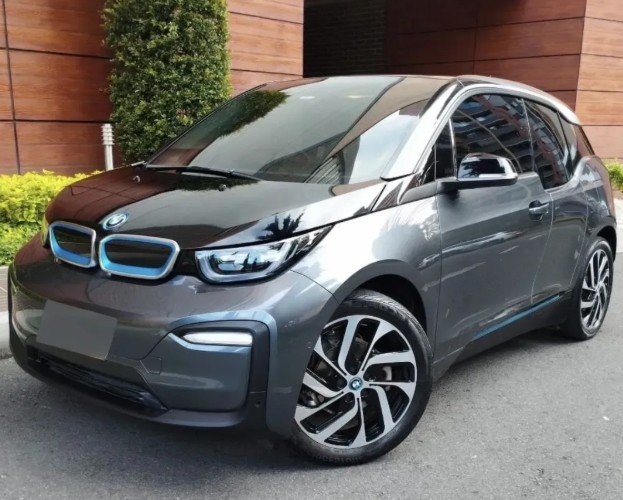
Unlike traditional hatchbacks, the BMW i3 uses unusually narrow tyres. At first glance, they almost resemble bicycle tyres stretched onto futuristic rims.
Why? Efficiency.
BMW designed the i3 to reduce rolling resistance as much as possible. Narrow tyres cut drag and improve electric range.
Typical BMW i3 tyre sizes include:
- Front: 155/70 R19
- Rear: 175/60 R19
- Optional 20-inch configurations
- Wider rear tyres for improved stability
This staggered setup means front and rear tyre pressures are often different.
That detail matters more than many owners realize.
Recommended BMW i3 Tyre Pressure
Standard BMW i3 Tyre Pressure PSI
The recommended tyre pressure for most BMW i3 models generally falls within these ranges:
| Tyre Position | Typical PSI |
|---|---|
| Front | 33–36 PSI |
| Rear | 38–42 PSI |
However, exact figures depend on:
- Wheel size
- Passenger load
- Driving conditions
- Model year
- Tyre brand
The safest place to confirm your exact numbers is the driver’s door jamb sticker.
Never rely solely on internet forums because specifications can vary between trims.
How to Find the Correct BMW i3 Tyre Pressure
Check the Driver’s Door Sticker
Open the driver’s door and look near the frame.
You will usually find:
- Recommended PSI
- Cold tyre pressure figures
- Full-load adjustments
- Front and rear specifications
This sticker is the golden rule.
Use the BMW iDrive System
Some BMW i3 models display tyre information digitally through the infotainment system.
You can navigate through:
- Vehicle Info
- Vehicle Status
- Tyre Pressure Monitor
While the system monitors issues, remember it does not replace manual pressure checks.
Cold Tyre Pressure vs Hot Tyre Pressure
This confuses many drivers.
Tyre pressure should always be checked when tyres are cold.
What does “cold” mean?
- The vehicle has been parked for at least 3 hours
- Or driven less than one mile
As tyres heat up during driving, pressure rises naturally.
A tyre inflated to 35 PSI cold may read 39 PSI after highway driving. That is completely normal.
Never release air from hot tyres unless they are dramatically overinflated.
Why Low Tyre Pressure Hurts BMW i3 Efficiency
Electric vehicles are obsessed with efficiency. The BMW i3 is no exception.
Low tyre pressure increases rolling resistance. The motor works harder. Battery consumption rises.
Even a small drop can reduce efficiency noticeably.
Common Effects of Underinflation
- Reduced driving range
- Sluggish acceleration feel
- Heavier steering
- Uneven tyre wear
- Increased heat buildup
- Higher risk of punctures
Driving an EV with low tyre pressure is like jogging through sand while carrying groceries. Everything becomes harder.
How Tyre Pressure Affects BMW i3 Range
The EV Efficiency Connection
One of the biggest reasons owners monitor tyre pressure carefully is range preservation.
The BMW i3 already has relatively modest range compared to newer EVs. Every kilometer matters.
Low tyre pressure can reduce range by:
- 3% to 10%
- More during winter
- Even higher on highways
That may not sound dramatic until you are desperately searching for a charging station with 5% battery left.
BMW i3 TPMS Warning Light Explained
What Is TPMS?
TPMS stands for Tyre Pressure Monitoring System.
The BMW i3 constantly monitors wheel rotation and tyre conditions.
If pressure drops significantly, the dashboard warning appears.
The symbol usually looks like:
- A horseshoe shape
- With an exclamation mark inside
Ignore it at your own risk.
What Triggers the TPMS Warning?
Several issues can activate the system:
- Low tyre pressure
- Sudden temperature drop
- Puncture
- Slow air leak
- Incorrect reset
- Tyre replacement
Sometimes the warning appears after seasonal weather changes.
That is normal because cold air contracts.
How to Reset BMW i3 Tyre Pressure Warning
TPMS Reset Procedure
After correcting tyre pressure, the system usually requires resetting.
The process may vary slightly by model year, but commonly follows these steps:
Step 1: Inflate Tyres Properly
Use recommended PSI levels.
Step 2: Turn On the Vehicle
Put the car into ready mode.
Step 3: Open Vehicle Settings
Navigate through the iDrive menu.
Step 4: Select Tyre Pressure Monitor
Choose “Reset” or “Perform Reset.”
Step 5: Drive the Vehicle
The system recalibrates while driving.
Usually, the reset completes within several minutes.
Seasonal Changes and BMW i3 Tyre Pressure
Why Winter Changes Everything
Cold temperatures reduce air pressure naturally.
A general rule:
- Tyres lose about 1 PSI for every 10°F temperature drop
That means your perfectly inflated tyres in summer may suddenly trigger warnings in winter mornings.
Summer Driving Considerations
In hot weather:
- Pressure increases faster
- Roads heat tyres dramatically
- Overinflation becomes more noticeable
Do not intentionally deflate hot tyres.
The pressure rise is expected.
BMW i3 Tyre Pressure for Long Trips
Should You Increase Pressure?
For heavy loads or highway driving, BMW sometimes recommends slightly higher rear pressures.
Reasons include:
- Improved stability
- Better efficiency
- Reduced tyre heat
However, excessive pressure creates drawbacks:
- Harsher ride
- Reduced grip
- Faster center tread wear
Balance is everything.
How Often Should You Check BMW i3 Tyre Pressure?
Ideal Inspection Frequency
We recommend checking pressure:
- Once every two weeks
- Before long journeys
- During major temperature changes
- After hitting potholes
- Before road trips
Many people wait for the TPMS warning.
That is like waiting for your phone battery to hit 1% before charging it.
Preventive checks are smarter.
Best Tools for Checking BMW i3 Tyre Pressure
Digital Pressure Gauges
Digital gauges offer:
- Better accuracy
- Easy readability
- Compact size
They are ideal for EV owners who monitor efficiency carefully.
Portable Air Compressors
A small compressor can be a lifesaver.
Look for:
- Automatic shutoff
- PSI presets
- Compact storage
- Fast inflation speed
Modern portable inflators are surprisingly affordable.
BMW i3 Tyre Pressure and Tyre Wear
Uneven Wear Patterns Explained
Incorrect tyre pressure changes tread contact with the road.
Underinflation Causes
- Outer edge wear
- Excess heat
- Faster degradation
Overinflation Causes
- Center tread wear
- Reduced grip
- Rough ride quality
Because BMW i3 tyres are expensive, protecting them matters financially.
Why BMW i3 Tyres Wear Faster Than Expected
Many owners notice faster tyre wear.
Why?
Several factors contribute:
- Instant EV torque
- Narrow tyre design
- Rear-wheel-drive layout
- Urban stop-and-go traffic
- Incorrect tyre pressure
Rear tyres often wear quicker due to power delivery.
Proper inflation helps extend lifespan significantly.
Can You Drive With the BMW i3 Tyre Pressure Warning On?
Short Answer: Technically Yes, But Carefully
If the warning appears suddenly:
- Slow down
- Avoid aggressive driving
- Check tyres immediately
A minor pressure drop may not be dangerous instantly.
But a puncture or rapid leak can escalate quickly.
Ignoring the warning is like hearing a smoke alarm and assuming dinner simply smells good.
BMW i3 Tyre Pressure in Winter
Winter PSI Tips
Cold weather can make the BMW i3 feel slightly less efficient already.
Incorrect tyre pressure worsens the problem.
Helpful winter practices include:
- Check tyres weekly
- Inflate during cold mornings
- Use winter-specific tyres if needed
- Monitor pressure after snowstorms
The combination of cold batteries and soft tyres can noticeably reduce range.
Do 19-Inch and 20-Inch Wheels Need Different Pressures?
Yes, Sometimes Significantly
BMW i3 models equipped with 20-inch wheels often require slightly different PSI settings.
Larger wheels:
- Have lower-profile tyres
- React differently to impacts
- Can feel firmer
Always verify specifications for your exact wheel setup.
Common BMW i3 Tyre Pressure Mistakes
Mistake #1: Inflating Based on Max PSI
The tyre sidewall shows maximum pressure, not recommended pressure.
Those numbers are different.
Mistake #2: Ignoring Rear Tyres
Many owners check front tyres more frequently.
The rear tyres often require higher pressure.
Mistake #3: Forgetting Seasonal Adjustments
Weather shifts matter enormously.
Mistake #4: Relying Only on TPMS
The system warns after problems develop.
Manual checks remain essential.
How BMW Engineered the i3 Around Efficiency
The BMW i3 feels like a science experiment that escaped the laboratory.
Everything serves efficiency:
- Carbon-fiber construction
- Lightweight design
- Regenerative braking
- Narrow tyres
- Optimized aerodynamics
Tyre pressure is part of that ecosystem.
When pressures are correct, the car glides almost effortlessly through traffic. When they are wrong, the magic fades.
Signs Your BMW i3 Tyre Pressure Is Incorrect
Warning Symptoms to Watch For
You may notice:
- Reduced range
- Heavy steering
- Pulling to one side
- Excessive road noise
- Vibration
- Uneven tyre wear
- Slower acceleration feel
Sometimes drivers blame the battery when tyre pressure is actually the culprit.
Should You Use Nitrogen in BMW i3 Tyres?
Is Nitrogen Worth It?
Some tyre shops promote nitrogen inflation.
Potential benefits include:
- Slightly better pressure stability
- Less moisture
- Slower pressure loss
But for most drivers, regular air works perfectly well.
Consistency matters more than gas type.
BMW i3 Tyre Pressure Monitoring Tips
Simple Habits That Help
Here are practical habits we recommend:
- Keep a digital gauge in the glovebox
- Check pressure monthly minimum
- Inspect tyres visually weekly
- Reset TPMS after adjustments
- Recheck after tyre service
Small routines prevent expensive problems.
What Happens if BMW i3 Tyres Are Overinflated?
Overinflation creates its own issues.
Potential Problems Include
- Reduced road grip
- Harsh ride comfort
- Increased center wear
- Less effective braking
- Higher impact damage risk
The i3 already rides firmly on some roads. Excess pressure exaggerates that feeling.
Can Incorrect Tyre Pressure Damage the Battery Range Long-Term?
Indirectly, yes.
While tyre pressure does not harm the battery itself, poor efficiency forces:
- More charging cycles
- Higher energy usage
- Increased drivetrain strain
Over thousands of miles, those inefficiencies add up.
Think of tyre pressure as part of the EV health equation.
How BMW i3 Owners Maximize Tyre Life
Experienced owners often follow these strategies:
Smart Tyre Care Checklist
- Maintain exact PSI
- Rotate when applicable
- Avoid potholes
- Drive smoothly
- Reduce hard acceleration
- Check alignment regularly
Tiny habits create surprisingly large savings over time.
The Relationship Between Comfort and Tyre Pressure
The BMW i3 walks a fine line between sporty responsiveness and urban comfort.
Higher pressures improve:
- Efficiency
- Steering sharpness
- Responsiveness
Lower pressures improve:
- Ride softness
- Impact absorption
The goal is balance, not extremes.
Final Thoughts on BMW i3 Tyre Pressure
The BMW i3 may look unconventional, but its tyre pressure requirements are rooted in smart engineering. Proper inflation affects nearly every aspect of ownership:
- Driving range
- Safety
- Comfort
- Tyre longevity
- Handling
- Efficiency
Ignoring tyre pressure in an EV is like trying to run a marathon in untied shoes. The car still moves, but never at its best.
A few minutes with a pressure gauge can save money, extend tyre life, improve range, and make the i3 feel exactly as BMW intended — light, efficient, and effortlessly futuristic.
FAQs
What is the recommended tyre pressure for a BMW i3?
Most BMW i3 models typically require around 33–36 PSI in the front and 38–42 PSI in the rear, depending on wheel size and load.
Why does my BMW i3 tyre pressure warning appear in winter?
Cold weather reduces tyre pressure naturally. Tyres can lose approximately 1 PSI for every 10°F temperature drop.
Can low tyre pressure reduce BMW i3 range?
Yes. Underinflated tyres increase rolling resistance, which forces the electric motor to consume more energy.
How do I reset the BMW i3 tyre pressure warning?
After correcting tyre pressures, use the iDrive system to perform a TPMS reset and drive the vehicle until recalibration finishes.
How often should I check BMW i3 tyre pressure?
Ideally every two weeks and before long trips or major temperature changes.
If you want to know other articles similar to BMW i3 Tyre Pressure you can visit the category Service and Parts.
Land Rover Defender 90 Tyre Pressure: Complete Guide
Land Rover Defender 90 Weight: Kerb Weight, GVW and Payload Explained
Land Rover Defender 90 Towing Capacity: Complete Guide
Land Rover Defender 90 Boot Space: Size, Dimensions and Practicality

Toyota Hilux Key Battery Replacement: Complete DIY Guide
Toyota Hilux Windscreen Replacement Cost: Prices, Factors, and Money-Saving Tips
Leave a Reply
More content of your interest