

BMW i3 Battery Size: Complete Guide to Capacity, Range, and Performance

Content in this publication
- Why the BMW i3 Battery Size Matters
- BMW i3 Battery Sizes by Model Year
- The Original 60 Ah BMW i3 Battery
- The BMW i3 94 Ah Battery Upgrade
- The Final 120 Ah BMW i3 Battery
- BMW i3 Battery Chemistry Explained
- BMW i3 Battery Cooling System
- Real-World BMW i3 Battery Performance
- BMW i3 Range Extender Models
- BMW i3 Charging Times
- BMW i3 Battery Longevity
- Signs of Battery Degradation
- BMW i3 Battery Replacement Cost
- What to Check When Buying a Used BMW i3
- BMW i3 Battery Warranty
- How the BMW i3 Compares to Modern EVs
- BMW i3 Battery Size by Driving Needs
- Why the BMW i3 Still Has a Loyal Following
- Regenerative Braking and Battery Efficiency
- Final Thoughts on BMW i3 Battery Size
- Frequently Asked Questions
Why the BMW i3 Battery Size Matters
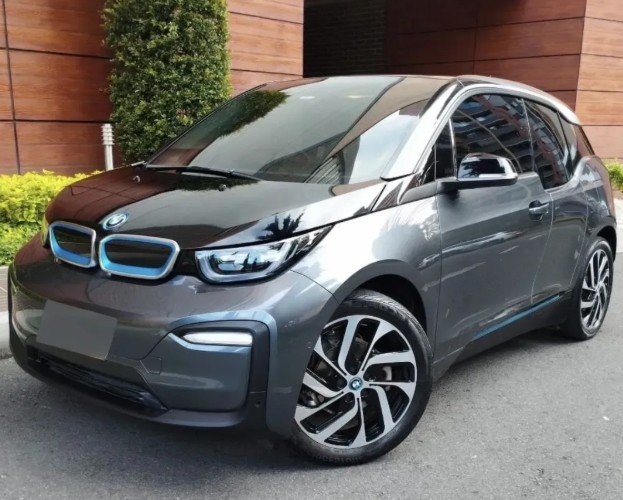
The BMW i3 entered the electric vehicle market like a futuristic spaceship dropped into a parking lot full of ordinary hatchbacks. Its radical design, lightweight carbon-fiber construction, and minimalist cabin instantly separated it from traditional cars. But behind all the quirky styling and innovative engineering lies one detail that shapes the entire ownership experience: the battery size.
When people search for “BMW i3 battery size,” they are usually trying to answer much bigger questions:
- How far can it drive?
- Is the range enough for daily use?
- Which model year is best?
- How expensive is battery replacement?
- Does the battery last long?
And honestly, those are smart questions. In an EV, the battery is the heart, lungs, and nervous system all rolled into one. It determines how practical the car feels every single day.
The BMW i3 evolved significantly during its production run, especially when it came to battery capacity. Early models were compact urban commuters, while later versions became genuinely practical everyday EVs capable of much longer journeys.
Let’s break everything down clearly and explore how the BMW i3 battery changed over time.
BMW i3 Battery Sizes by Model Year
BMW released three primary battery configurations for the i3.
BMW i3 Battery Capacity Overview
| Model Years | Battery Version | Gross Capacity | Usable Capacity | Estimated Range |
|---|---|---|---|---|
| 2014–2016 | 60 Ah | 22 kWh | 18.8 kWh | 81 miles |
| 2017–2018 | 94 Ah | 33 kWh | 27.2 kWh | 114 miles |
| 2019–2021 | 120 Ah | 42.2 kWh | 37.9 kWh | 153 miles |
At first glance, those numbers may seem small compared to today’s giant EV battery packs. Yet the i3 squeezes remarkable efficiency from every kilowatt-hour like a marathon runner surviving on pure determination.
The Original 60 Ah BMW i3 Battery
When the i3 launched in 2014, it carried a 22 kWh battery pack.
Battery Specifications
The original setup included:
- 22 kWh gross capacity
- 18.8 kWh usable capacity
- Lithium-ion chemistry
- Active thermal management
BMW reserved part of the battery capacity to protect long-term health. That hidden buffer acts like a safety net, reducing stress on the cells and slowing degradation over time.
Real-World Driving Range
Most drivers experienced:
- 70–90 miles in mixed driving
- Less during cold weather
- Better efficiency in urban environments
Back in 2014, those numbers felt revolutionary. Today, however, the original i3 is better suited for city commuting than long highway trips.
Why the Small Battery Still Worked
The i3 was incredibly lightweight for an EV because BMW used carbon-fiber reinforced plastic throughout the structure.
That reduced energy consumption dramatically.
Instead of carrying around an enormous battery like modern EVs, BMW focused on reducing weight first. It was a clever strategy — almost like bringing a bicycle to a marathon where everyone else showed up carrying refrigerators.
The BMW i3 94 Ah Battery Upgrade
In 2017, BMW introduced the 94 Ah version, which transformed the i3 into a much more usable everyday EV.
What Changed With the 94 Ah Battery
Battery capacity increased to:
- 33 kWh gross
- 27.2 kWh usable
This was a major leap forward.
Improved Driving Range
The EPA estimated range climbed to approximately 114 miles.
In real-world driving, many owners reported:
- 120–140 miles in city conditions
- 100–115 miles on highways
- Slightly reduced winter performance
This update made the i3 far more practical for commuting, errands, and even occasional road trips.
Why Many Buyers Prefer the 94 Ah Version
The 94 Ah model became the sweet spot in the lineup because it balanced:
- Affordability
- Range
- Efficiency
- Charging speed
- Weight
It delivered enough capacity for most people without significantly increasing the car’s overall mass.
The Final 120 Ah BMW i3 Battery
The biggest battery upgrade arrived in 2019.
And honestly, this is the version many EV shoppers truly wanted from the beginning.
120 Ah Battery Specifications
The final battery pack featured:
- 42.2 kWh gross capacity
- 37.9 kWh usable capacity
That nearly doubled the usable energy compared to the original i3.
Driving Range Improvements
The EPA estimated around 153 miles of range for the fully electric model.
In real-world use, drivers often achieved:
- 160–180 miles in urban conditions
- 130–150 miles on highways
Suddenly, the i3 felt less like a niche city car and more like a fully practical EV.
How BMW Increased Capacity Without Enlarging the Battery
This is where BMW’s engineering shines.
Instead of physically enlarging the pack, BMW improved:
- Energy density
- Cell chemistry
- Battery management software
The physical dimensions remained nearly identical.
It is like upgrading from an old desktop computer to a tiny modern laptop that somehow performs twice as fast.
BMW i3 Battery Chemistry Explained
The BMW i3 uses lithium-ion battery cells supplied primarily by Samsung SDI.
Why Battery Chemistry Is Important
Battery chemistry affects:
- Charging speed
- Longevity
- Heat resistance
- Energy density
- Overall efficiency
As the i3 evolved, BMW refined the chemistry to store more energy in the same physical space.
That is how later models achieved significantly better range without becoming heavier or larger.
BMW i3 Battery Cooling System
One of the i3’s biggest advantages over some early EV rivals was its active thermal management system.
Benefits of Active Cooling
The cooling system helps:
- Prevent overheating
- Reduce battery degradation
- Maintain charging performance
- Improve long-term durability
Heat is one of the biggest enemies of lithium-ion batteries. By controlling temperature carefully, BMW helped the i3 battery age gracefully.
That is one reason many older i3 models still retain excellent battery health today.
Real-World BMW i3 Battery Performance
Official range estimates are useful, but real-world conditions tell the full story.
Weather Conditions
Cold weather can significantly reduce EV range.
Winter driving may lower efficiency by:
- 15–35%
Heating the cabin requires additional power, and batteries naturally perform less efficiently in low temperatures.
Driving Style
Aggressive acceleration drains the battery faster.
And let’s be honest — the i3’s instant torque makes spirited driving incredibly tempting. It jumps forward like a startled cat the moment we touch the accelerator.
Highway Speeds
Higher speeds reduce efficiency because aerodynamic drag increases rapidly.
Driving at 75 mph consumes substantially more energy than driving at 45 mph.
Wheel and Tire Choices
The i3’s narrow tires were designed specifically for efficiency.
They may look unusual, but they help reduce rolling resistance and maximize driving range.
BMW i3 Range Extender Models
Some BMW i3 versions included a small gasoline-powered generator called the Range Extender, commonly known as the REx.
Did the Range Extender Change Battery Size?
No.
Battery size remained identical within equivalent model years.
However, the REx added:
- Extra weight
- More complexity
- Reduced cargo space
That additional mass slightly reduced electric-only range.
How the Range Extender Worked
The gasoline engine did not directly power the wheels.
Instead, it:
- Generated electricity
- Supported the battery
- Extended total driving range
Think of it as carrying a portable backup generator inside the car.
BMW i3 Charging Times
Battery size directly influences charging duration.
Charging Time Comparison
| Battery Version | Level 2 Charging | DC Fast Charging |
|---|---|---|
| 60 Ah | ~4 hours | ~30 minutes to 80% |
| 94 Ah | ~6 hours | ~40 minutes to 80% |
| 120 Ah | ~6–7 hours | ~45 minutes to 80% |
Home Charging Convenience
Most owners charge their i3 overnight using:
- Standard household charging
- Level 2 home chargers
Waking up every morning with a fully charged battery feels strangely luxurious after years of gas station visits.
BMW i3 Battery Longevity
Battery degradation is one of the biggest concerns among used EV buyers.
Fortunately, the i3 performs surprisingly well.
How Long Does the BMW i3 Battery Last?
Many i3 batteries still retain:
- 80–90% capacity after years of use
That is impressive durability for an older EV.
Why the Battery Ages Well
Several factors contribute to strong longevity:
- Active cooling
- Conservative battery buffering
- Efficient thermal management
- Smart charging controls
BMW intentionally protected the battery from excessive stress.
Signs of Battery Degradation
Potential warning signs include:
- Reduced range
- Slower charging
- Inconsistent charging behavior
- Sudden percentage drops
However, severe degradation remains relatively uncommon in the i3.
BMW i3 Battery Replacement Cost
This topic scares many buyers, but the reality is more nuanced.
Estimated Replacement Costs
Battery replacement pricing varies depending on:
- Battery size
- Labor rates
- Region
- New vs refurbished components
Approximate costs range between:
- $5,000 and $16,000+
Can Battery Modules Be Replaced Individually?
In many situations, yes.
Technicians may replace:
- Individual modules
- Damaged cells
- Specific battery components
That can dramatically reduce repair costs compared to replacing the entire battery pack.
What to Check When Buying a Used BMW i3
A used i3 can be an excellent purchase if we evaluate battery health carefully.
Battery State of Health
Always ask for:
- Battery diagnostics
- Capacity reports
- Service history
Charging Habits
Frequent DC fast charging may slightly accelerate wear over time.
Moderate charging patterns are generally better for long-term health.
Software Updates
BMW released several software improvements during the i3’s production lifecycle.
These updates enhanced:
- Battery management
- Efficiency
- Charging performance
BMW i3 Battery Warranty
BMW offered substantial battery warranty coverage in many markets.
Typical Coverage
Most models included:
- 8-year warranty
- 100,000-mile coverage
What the Warranty Protected
Coverage generally applied if battery capacity dropped below approximately:
- 70% of original capacity
That added reassurance for early EV buyers.
How the BMW i3 Compares to Modern EVs
Today’s EVs often feature enormous battery packs exceeding 70 or even 100 kWh.
So why does the i3 still feel relevant?
Efficiency Over Excess
The i3 focuses on:
- Lightweight construction
- Smart energy use
- Compact dimensions
- Urban practicality
Many modern EVs compensate for extra weight by adding larger batteries. BMW chose the opposite path.
And honestly, that philosophy still feels refreshingly intelligent.
BMW i3 Battery Size by Driving Needs
Different battery versions suit different lifestyles.
Best for City Drivers
The 60 Ah model works well for:
- Urban commuting
- Short trips
- Affordable EV ownership
Best Overall Value
The 94 Ah version offers the best balance between:
- Price
- Range
- Practicality
Best Long-Term Option
The 120 Ah model delivers:
- Maximum range
- Better resale value
- Fewer charging stops
It feels the most modern today.
Why the BMW i3 Still Has a Loyal Following
Even years after production ended, the BMW i3 remains beloved by EV enthusiasts.
What Makes the i3 Special
Owners appreciate:
- Futuristic styling
- Premium interior
- One-pedal driving
- Lightweight feel
- Excellent efficiency
Driving the i3 feels different from almost every other EV on the road.
It is quirky in the best possible way.
Regenerative Braking and Battery Efficiency
One of the i3’s most enjoyable features is its aggressive regenerative braking system.
One-Pedal Driving Experience
Lifting off the accelerator slows the car significantly while recovering energy.
Benefits include:
- Increased efficiency
- Reduced brake wear
- Smoother urban driving
Once we get used to it, traditional driving suddenly feels strangely outdated.
Final Thoughts on BMW i3 Battery Size
The BMW i3 may not have the largest battery in the EV world, but that was never its mission.
BMW focused on intelligent efficiency instead of brute-force capacity. The result was a lightweight electric car that squeezed remarkable performance from relatively modest battery packs.
From the original 22 kWh setup to the much more capable 42.2 kWh version, the i3 evolved into a genuinely practical EV while maintaining its futuristic personality.
Even today, it remains one of the most innovative electric cars ever built — bold, unconventional, and surprisingly efficient.
And perhaps that is why people still talk about it with the kind of affection usually reserved for cult classics and beloved gadgets that were simply ahead of their time.
Frequently Asked Questions
What is the largest BMW i3 battery size?
The largest BMW i3 battery is the 120 Ah version with 42.2 kWh gross capacity and approximately 37.9 kWh usable.
How far can a BMW i3 drive on one charge?
Depending on the model, real-world range varies between roughly 70 miles and 180 miles.
Does the BMW i3 battery degrade quickly?
No. Most i3 batteries age well thanks to active cooling and conservative battery management.
Can a BMW i3 battery be replaced?
Yes. Entire battery packs or individual modules can be repaired or replaced when necessary.
Which BMW i3 battery version is best?
Many buyers prefer the 94 Ah version for value, while the 120 Ah model offers the best overall practicality and range.
If you want to know other articles similar to BMW i3 Battery Size: Complete Guide to Capacity, Range, and Performance you can visit the category Service and Parts.
Land Rover Defender 90 Tyre Pressure: Complete Guide
Land Rover Defender 90 Weight: Kerb Weight, GVW and Payload Explained
Land Rover Defender 90 Towing Capacity: Complete Guide
Land Rover Defender 90 Boot Space: Size, Dimensions and Practicality
Toyota Hilux Key Battery Replacement: Complete DIY Guide
Toyota Hilux Windscreen Replacement Cost: Prices, Factors, and Money-Saving Tips
Leave a Reply
More content of your interest