
BMW i3 Charge Time: The Complete Guide to Charging Speed, Costs, and Real-World Performance

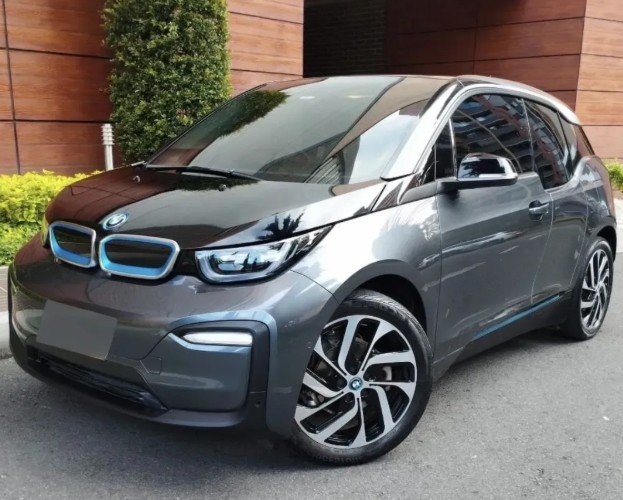
The BMW i3 arrived like a lightning bolt in a world still warming up to electric cars. Futuristic styling, lightweight carbon-fiber construction, quirky rear-hinged doors, and surprisingly punchy acceleration made it feel less like a commuter EV and more like a concept car that escaped the auto show floor.
But one question still floats around forums, search engines, and dealership lots like a stubborn cloud:
How long does the BMW i3 take to charge?
The answer is more layered than most people expect. Charging time depends on battery size, charger type, model year, temperature, charging habits, and even how patient we are as drivers. A 2014 i3 behaves differently from a 2021 model, and charging at home feels completely different from using a rapid public charger beside a highway coffee shop.
In this complete guide, we will break down everything about BMW i3 charge time in plain English. We will compare charging speeds, explain the differences between slow, fast, and rapid charging, explore real-world experiences, and help determine whether the i3 still makes sense today.
Let’s plug in and dive deep.
Content in this publication
- Why BMW i3 Charge Time Matters More Than Ever
- BMW i3 Battery Sizes and Their Impact on Charge Time
- Understanding the Three Main BMW i3 Charging Types
- Level 1 Charging: The Slow and Steady Option
- Level 2 Charging: The Sweet Spot for Most Owners
- DC Fast Charging: The Road Trip Lifeline
- Why the BMW i3 Sometimes Charges Slower Than Expected
- Cold Weather Can Dramatically Increase Charge Time
- Battery State of Charge Matters
- Older Batteries May Charge Differently
- BMW i3 Charging at Home: What We Need to Know
- Installing a Home Charger
- Can We Charge the BMW i3 Overnight?
- BMW i3 Public Charging Experience
- How Long Does It Take to Charge the BMW i3 at Public Chargers?
- BMW i3 Charging Costs
- Home Charging Costs
- Public Charging Costs
- BMW i3 Charge Time Compared to Other EVs
- Does the BMW i3 Support Rapid Charging on All Models?
- How to Improve BMW i3 Charging Efficiency
- Best Charging Practices
- Is BMW i3 Charge Time Good Enough in 2026?
- BMW i3 Range Anxiety and Charging Reality
- How Long Does the BMW i3 Battery Last Over Time?
- Used BMW i3 Buyers: What to Check Before Purchase
- Important Charging Questions to Ask
- The Emotional Side of Charging an i3
- Common BMW i3 Charging Problems
- Can the BMW i3 Use Tesla Chargers?
- Is the BMW i3 Still Worth Buying for Charging Convenience Alone?
- Final Thoughts on BMW i3 Charge Time
- FAQs
Why BMW i3 Charge Time Matters More Than Ever
Electric vehicles live and die by convenience. Range gets attention, but charging time shapes daily life.
Think about it this way:
- Range tells us how far we can travel.
- Charging time tells us how flexible we can be.
The BMW i3 was never designed as a long-distance highway monster. Instead, BMW engineered it for urban living. That means understanding charge time is crucial because the i3 shines brightest when charging fits naturally into everyday routines.
If charging feels seamless, the i3 becomes incredibly enjoyable.
If charging feels slow or inconvenient, ownership can become frustrating.
BMW i3 Battery Sizes and Their Impact on Charge Time
One of the biggest factors affecting charging speed is battery size.
BMW upgraded the i3 several times throughout its lifespan.
BMW i3 Battery Generations
| Model Years | Battery Capacity | Usable Capacity | Approximate Range |
|---|---|---|---|
| 2014–2016 | 22 kWh | ~18.8 kWh | 70–90 miles |
| 2017–2018 | 33 kWh | ~27.2 kWh | 100–130 miles |
| 2019–2021 | 42.2 kWh | ~37.9 kWh | 150–190 miles |
Larger batteries naturally take longer to charge.
However, they also allow longer driving distances, which means fewer charging sessions overall.
It is a bit like filling different-sized water tanks. A bigger tank takes longer to fill, but we refill it less often.
Understanding the Three Main BMW i3 Charging Types
Charging the i3 is not a one-size-fits-all experience.
There are three primary charging methods:
- Level 1 charging
- Level 2 charging
- DC fast charging
Each dramatically changes charging time.
Level 1 Charging: The Slow and Steady Option
What Is Level 1 Charging?
Level 1 charging uses a standard household outlet.
In most countries, this means:
- 120V in the United States
- 230V in many European markets
This is the simplest charging method because no special installation is required.
Just plug the car into the wall.
BMW i3 Charge Time on Level 1
Approximate charging times:
| Battery | Estimated Time |
|---|---|
| 22 kWh | 16–20 hours |
| 33 kWh | 24–28 hours |
| 42.2 kWh | 30+ hours |
That sounds painfully slow—and honestly, it can be.
Level 1 charging works best for:
- Emergency charging
- Very low daily mileage
- Overnight top-ups
- Drivers without home charger installation options
For most owners, Level 1 charging feels like filling a swimming pool with a garden hose.
It works, but patience becomes a lifestyle.
Level 2 Charging: The Sweet Spot for Most Owners
Why Level 2 Charging Changes Everything
This is where the i3 becomes truly practical.
Level 2 charging uses a dedicated home wall charger or public AC charging station. These systems deliver significantly more power than a regular outlet.
Typical outputs include:
- 7.4 kW
- 11 kW
The BMW i3 supports up to 11 kW AC charging on later models.
That is a major advantage compared to some older EVs.
BMW i3 Charge Time on Level 2 Chargers
| Battery | 7.4 kW Charger | 11 kW Charger |
|---|---|---|
| 22 kWh | 3–4 hours | ~3 hours |
| 33 kWh | 4–5 hours | ~4 hours |
| 42.2 kWh | 5–6 hours | ~4.5 hours |
Now we are talking.
This is the charging experience most owners love.
Plug in overnight, wake up full, repeat.
It becomes almost invisible.
DC Fast Charging: The Road Trip Lifeline
What Is DC Fast Charging?
DC fast charging bypasses the car’s onboard charger and sends power directly into the battery.
This is the quickest way to charge the BMW i3.
It is commonly found at:
- Highway charging hubs
- Shopping centers
- Public rapid charging networks
BMW i3 Maximum Fast Charging Speed
The i3 supports:
- Up to 50 kW DC fast charging
That may not sound impressive compared to newer EVs capable of 250 kW, but context matters.
The i3 has a relatively small battery.
Smaller batteries fill faster.
BMW i3 DC Fast Charge Times
| Battery | 0–80% Time |
|---|---|
| 22 kWh | ~20 minutes |
| 33 kWh | ~30 minutes |
| 42.2 kWh | ~40 minutes |
Notice something important here:
Most EV charging discussions focus on 0–80%, not 0–100%.
That is because charging speed slows dramatically after 80%.
Think of pouring water into a cup near the brim. We naturally slow down to avoid spills.
EV batteries behave similarly.
Why the BMW i3 Sometimes Charges Slower Than Expected
Real-world charging rarely matches brochure numbers perfectly.
Several factors affect charge speed.
Cold Weather Can Dramatically Increase Charge Time
Batteries dislike extreme temperatures.
Cold weather especially reduces charging performance.
In winter, the i3 may:
- Limit charging speed
- Use energy to warm the battery
- Increase total charging time
A rapid charge that normally takes 30 minutes may suddenly require 45 minutes or more.
This is completely normal.
Battery State of Charge Matters
Charging from:
- 10% to 50% is very fast
- 80% to 100% is much slower
The last 20% takes disproportionately longer.
That is why experienced EV drivers often avoid charging to 100% unless necessary.
Older Batteries May Charge Differently
Battery degradation also plays a role.
Fortunately, the BMW i3 has developed a strong reputation for battery longevity.
Most owners report relatively modest degradation.
Still, older batteries may:
- Charge more conservatively
- Heat differently
- Lose charging efficiency
BMW i3 Charging at Home: What We Need to Know
Home charging is where the i3 truly excels.
Installing a Home Charger
Most owners choose a Level 2 wall box.
Benefits include:
- Faster charging
- Improved convenience
- Scheduled charging
- Better energy efficiency
Installation costs vary depending on:
- Electrical panel upgrades
- Cable runs
- Charger brand
- Local labor rates
Typical installation ranges:
- $500–$2,000
It sounds expensive initially, but the convenience feels transformative.
Can We Charge the BMW i3 Overnight?
Absolutely.
In fact, overnight charging is the ideal scenario.
Even the largest 42.2 kWh battery comfortably charges overnight with Level 2 equipment.
This creates one of the greatest EV ownership pleasures:
Waking up every morning with a “full tank.”
Gas stations start feeling oddly ancient after a while.
BMW i3 Public Charging Experience
Public charging experiences vary wildly depending on infrastructure quality.
Some stations work flawlessly.
Others feel like negotiating with a stubborn vending machine from 1998.
Still, the i3 performs reasonably well in public networks because its smaller battery means shorter sessions.
How Long Does It Take to Charge the BMW i3 at Public Chargers?
Typical estimates:
AC Public Chargers
- 4–6 hours depending on charger speed
Rapid DC Chargers
- 20–40 minutes to 80%
This makes the i3 surprisingly usable for occasional longer trips.
Coffee breaks become charging sessions.
Lunch becomes refueling time.
The rhythm feels different from gasoline ownership, but not necessarily worse.
BMW i3 Charging Costs
Charge time and charging costs are deeply connected.
Faster chargers often cost more.
Home Charging Costs
Home charging is usually the cheapest option.
Estimated costs:
| Battery | Approximate Full Charge Cost |
|---|---|
| 22 kWh | $4–$8 |
| 33 kWh | $6–$12 |
| 42.2 kWh | $8–$15 |
Electricity rates vary significantly by region.
Still, charging an i3 almost always costs far less than fueling a gasoline car.
Public Charging Costs
Public chargers vary dramatically.
Some networks charge:
- Per kWh
- Per minute
- Per session
Rapid charging generally costs more than home charging.
Convenience always has a price.
BMW i3 Charge Time Compared to Other EVs
The i3 occupies an interesting middle ground.
It is not ultra-fast by modern standards, but its compact battery keeps charging sessions manageable.
Comparison With Other EVs
| Vehicle | Max DC Speed | Approx. 10–80% |
|---|---|---|
| BMW i3 | 50 kW | 30–40 min |
| Nissan Leaf | 50 kW | 40–60 min |
| Tesla Model 3 | 250 kW | 20–30 min |
| Chevrolet Bolt EV | 55 kW | 45–60 min |
The i3 actually competes well considering its age.
Its lightweight efficiency helps offset slower charging capabilities.
Does the BMW i3 Support Rapid Charging on All Models?
No.
This is extremely important when shopping used.
Some early models did not include DC fast charging as standard equipment.
Always verify whether the car has:
- CCS fast charging capability
- DC rapid charging package
Without it, public charging flexibility becomes far more limited.
How to Improve BMW i3 Charging Efficiency
Small habits can make charging faster and healthier for the battery.
Best Charging Practices
Avoid Constant 100% Charging
Keeping the battery at maximum charge continuously can accelerate degradation.
Most owners charge to:
- 80%
- 90%
Then use 100% only for longer trips.
Precondition the Battery in Winter
If possible:
- Warm the battery before charging
- Use scheduled departure features
This improves charging efficiency dramatically.
Use Quality Charging Equipment
Cheap chargers may cause:
- Slower speeds
- Connection issues
- Reliability problems
Reliable equipment matters.
Is BMW i3 Charge Time Good Enough in 2026?
Surprisingly, yes.
The i3 still works remarkably well for urban and suburban drivers.
Why?
Because charging convenience often matters more than maximum charging speed.
If we drive:
- 20–50 miles daily
- Charge overnight
- Occasionally use rapid charging
The i3 remains practical.
Its quirky personality also helps.
Driving an i3 feels like wearing futuristic sneakers while everyone else still ties leather boots.
BMW i3 Range Anxiety and Charging Reality
Range anxiety sounds dramatic, but most owners adapt quickly.
Once we understand:
- Charging locations
- Real-world range
- Daily habits
The fear usually fades.
The i3 rewards planning.
It is less about spontaneous chaos and more about intentional mobility.
Oddly enough, many owners grow to prefer this rhythm.
How Long Does the BMW i3 Battery Last Over Time?
Battery longevity affects charging performance long-term.
Fortunately, the i3 battery pack has aged relatively gracefully.
Many owners report:
- 80–90% battery health after years of use
- Minimal daily usability loss
- Consistent charging performance
BMW’s battery management system deserves significant credit here.
Used BMW i3 Buyers: What to Check Before Purchase
If buying used, charging capability should become a top priority.
Important Charging Questions to Ask
Does It Have DC Fast Charging?
This is critical.
Without it, road trip flexibility suffers.
What Is the Battery Health?
Ask for:
- Range estimates
- Service records
- Battery diagnostics if available
Has the Charging Port Been Damaged?
Charging ports endure constant use.
Inspect carefully.
The Emotional Side of Charging an i3
This may sound strange, but EV charging changes how we think about transportation.
The i3 especially feels different.
Instead of:
- Loud refueling stops
- Oil changes
- Engine vibrations
We experience:
- Quiet charging sessions
- Smooth acceleration
- Near-silent city driving
Charging becomes less of a chore and more like plugging in a phone overnight.
The relationship with energy changes completely.
Common BMW i3 Charging Problems
No EV is perfect.
The i3 occasionally experiences:
- Charging interruptions
- Public charger incompatibility
- Reduced cold-weather speed
- Cable lock issues
Fortunately, major charging failures are relatively uncommon.
Can the BMW i3 Use Tesla Chargers?
This depends on region and adapter compatibility.
In some areas, adapters now allow access to selected Tesla infrastructure.
However, compatibility varies.
Always confirm:
- Plug standard
- Network permissions
- Adapter requirements
The EV charging world remains slightly fragmented, like smartphone chargers before USB-C unified everything.
Is the BMW i3 Still Worth Buying for Charging Convenience Alone?
For the right driver, absolutely.
The i3 remains:
- Efficient
- Easy to park
- Fun to drive
- Cheap to charge
- Surprisingly premium
Its charging time feels perfectly acceptable for urban lifestyles.
Especially with home charging.
Final Thoughts on BMW i3 Charge Time
The BMW i3 may not dominate modern EV charging speed charts, but numbers alone never tell the whole story.
What matters is usability.
And in everyday life, the i3 still delivers a refreshingly practical charging experience.
With:
- Overnight Level 2 charging
- Reasonable rapid charging capability
- Strong battery longevity
- Excellent city efficiency
The i3 continues to punch above its weight years after production ended.
It feels less like an outdated EV and more like a cleverly designed urban mobility tool that was simply ahead of its time.
For commuters, city dwellers, and drivers seeking an affordable premium EV, BMW i3 charge time remains entirely manageable—even in 2026.
Sometimes the future ages better than we expect.
FAQs
How long does it take to fully charge a BMW i3?
Charging time depends on battery size and charger type. Using a Level 2 charger, most BMW i3 models fully charge in about 4–6 hours. A regular household outlet may require over 20 hours.
Can the BMW i3 fast charge?
Yes. Many BMW i3 models support DC fast charging up to 50 kW. This allows charging from 0–80% in roughly 20–40 minutes depending on battery size.
Is BMW i3 charging expensive?
Not usually. Home charging is relatively affordable and often costs significantly less than fueling a gasoline vehicle. Public rapid chargers cost more but remain reasonable overall.
Does cold weather affect BMW i3 charge time?
Yes. Cold temperatures slow charging speeds because the battery needs to warm up before accepting maximum power efficiently.
Should I charge my BMW i3 to 100% every day?
It is generally better to charge to around 80–90% for daily driving. Charging to 100% occasionally for long trips is perfectly fine.
If you want to know other articles similar to BMW i3 Charge Time: The Complete Guide to Charging Speed, Costs, and Real-World Performance you can visit the category Service and Parts.
Land Rover Defender 90 Tyre Pressure: Complete Guide
Land Rover Defender 90 Weight: Kerb Weight, GVW and Payload Explained
Land Rover Defender 90 Towing Capacity: Complete Guide
Land Rover Defender 90 Boot Space: Size, Dimensions and Practicality
Toyota Hilux Key Battery Replacement: Complete DIY Guide
Toyota Hilux Windscreen Replacement Cost: Prices, Factors, and Money-Saving Tips
Leave a Reply
More content of your interest