

BMW i3 Miles Per kWh: The Real-World Efficiency Guide Every EV Driver Should Read

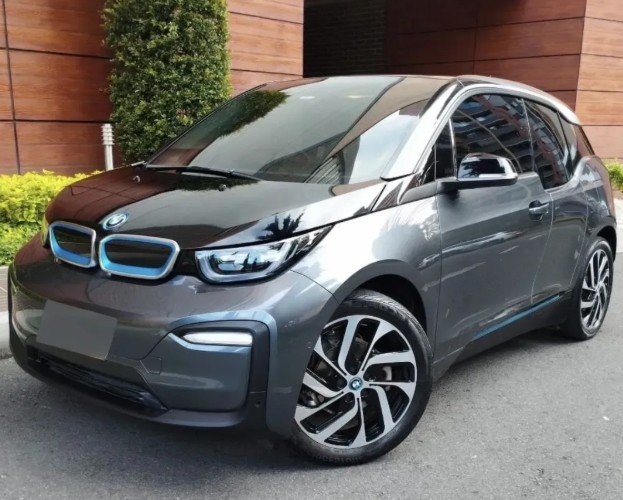
The BMW i3 never tried to be a normal electric car. It looked futuristic before futuristic was fashionable, wrapped itself in carbon fiber like a sci-fi experiment, and quietly became one of the most efficient EVs ever built. But one question still circles around forums, buyer groups, and charging stations alike: how many miles per kWh does the BMW i3 actually get?
That’s the magic metric in the EV world.
Miles per kWh is the electric equivalent of MPG, except it tells a much deeper story. It reveals how efficiently an EV turns electricity into motion. And when we look at the BMW i3, the numbers are genuinely impressive.
In this guide, we’ll unpack real-world BMW i3 efficiency, compare different battery versions, explore driving conditions, and explain how some drivers squeeze astonishing range out of this quirky little electric icon.
Content in this publication
- What Does Miles Per kWh Mean in the BMW i3?
- Why the BMW i3 Is So Efficient
- Average BMW i3 Miles Per kWh
- BMW i3 Efficiency Compared to Other EVs
- Real-World Driving Conditions and Their Impact
- BMW i3 Battery Versions and Efficiency
- Does the BMW i3 Range Extender Affect Miles Per kWh?
- How Driving Style Changes BMW i3 Efficiency
- Eco Pro and Eco Pro+ Modes Explained
- BMW i3 Regenerative Braking Efficiency
- How Tire Pressure Impacts Miles Per kWh
- Can the BMW i3 Reach 6 Miles Per kWh?
- Charging Costs Based on Miles Per kWh
- BMW i3 vs Tesla Efficiency Debate
- How to Improve BMW i3 Miles Per kWh
- Common Myths About BMW i3 Efficiency
- Why the BMW i3 Still Impresses Today
- Should Efficiency Matter More Than Range?
- Final Thoughts on BMW i3 Miles Per kWh
- FAQs
What Does Miles Per kWh Mean in the BMW i3?
Miles per kWh measures how far the car travels using one kilowatt-hour of electricity.
Think of it like this:
- Petrol cars use gallons or liters
- EVs use electricity
- The higher the miles per kWh, the more efficient the vehicle
If a BMW i3 achieves:
- 4 miles per kWh, it can travel 4 miles using 1 kWh of electricity
- 5 miles per kWh, it’s even more efficient
- 3 miles per kWh, efficiency is lower
For perspective, many larger electric SUVs struggle to achieve 3 miles per kWh consistently. The BMW i3 often exceeds 4 miles per kWh in everyday driving, making it one of the efficiency champions of the EV era.
Why the BMW i3 Is So Efficient
The i3 wasn’t built like conventional cars. BMW engineered it with efficiency as the obsession.
Several factors contribute to its excellent miles-per-kWh figures.
Lightweight Carbon Fiber Construction
Unlike most EVs that weigh as much as small planets, the i3 uses a carbon-fiber-reinforced plastic body.
That dramatically reduces weight.
Lower weight means:
- Less energy needed for acceleration
- Reduced rolling resistance
- Better regenerative braking efficiency
The result? Exceptional energy economy.
Tall, Narrow Tires
At first glance, the i3’s skinny tires look odd. Almost bicycle-like.
But they serve a purpose.
They reduce:
- Rolling resistance
- Friction
- Energy waste
It’s a little like running in streamlined shoes instead of hiking boots.
Efficient Electric Motor
The BMW electric drivetrain is surprisingly optimized. The instant torque feels lively, but the system remains remarkably frugal with energy.
Even spirited driving doesn’t punish efficiency as harshly as in heavier EVs.
Average BMW i3 Miles Per kWh
Real-world BMW i3 efficiency usually falls into these ranges:
| BMW i3 Version | Average Miles Per kWh |
|---|---|
| Early 60Ah i3 | 4.0–5.0 mi/kWh |
| 94Ah i3 | 4.0–4.8 mi/kWh |
| 120Ah i3 | 3.8–4.7 mi/kWh |
| i3s | 3.5–4.3 mi/kWh |
These numbers vary depending on:
- Weather
- Speed
- Terrain
- Tire condition
- HVAC usage
- Driving style
Still, even the sporty i3s remains impressively efficient compared to larger EVs.
BMW i3 Efficiency Compared to Other EVs
The i3 punches above its weight in efficiency.
Comparison With Popular EVs
| EV Model | Average Miles Per kWh |
|---|---|
| BMW i3 | 4.0–5.0 |
| Nissan Leaf | 3.5–4.2 |
| Tesla Model 3 | 3.8–4.5 |
| Hyundai Kona Electric | 4.0–4.8 |
| Kia EV6 | 3.2–4.0 |
| Audi e-tron | 2.2–3.0 |
The BMW i3 behaves like a marathon runner among powerlifters. It doesn’t chase giant horsepower numbers or oversized batteries. Instead, it maximizes every electron.
Real-World Driving Conditions and Their Impact
Efficiency isn’t fixed. It dances around depending on how and where we drive.
City Driving: The BMW i3’s Playground
The i3 absolutely thrives in urban environments.
Frequent stop-and-go traffic helps because:
- Regenerative braking recovers energy
- Lower speeds reduce drag
- Lightweight construction shines
Many city drivers report:
- 4.5–5.5 miles per kWh
- Exceptional range consistency
- Minimal battery drain
It’s almost like the car was designed specifically for city life.
Because, honestly, it was.
Highway Driving Reduces Efficiency
At highway speeds, aerodynamic drag becomes the villain.
The BMW i3’s tall shape catches more wind at:
- 70 mph
- 75 mph
- 80 mph
Efficiency often drops to:
- 3.2–4.0 miles per kWh
Still respectable, but noticeably lower than city numbers.
Cold Weather Effects
Winter can dramatically impact EV efficiency.
Cold temperatures affect:
- Battery chemistry
- Cabin heating demands
- Tire pressure
- Regenerative braking
Some owners experience:
- 20–30% efficiency reduction
- Miles per kWh dropping below 3.5
Using preconditioning while plugged in can help minimize these losses.
BMW i3 Battery Versions and Efficiency
Not all i3 models are identical.
BMW improved the battery several times throughout production.
60Ah BMW i3
The original version featured:
- Smaller battery
- Lighter weight
- Surprisingly strong efficiency
Many owners report:
- 4.5+ miles per kWh regularly
Despite the smaller range, the efficiency itself remains superb.
94Ah BMW i3
This version struck a sweet spot.
Benefits included:
- Better range
- Minimal weight increase
- Excellent real-world economy
Many enthusiasts consider it the ideal balance between:
- Cost
- Range
- Efficiency
120Ah BMW i3
The final battery upgrade boosted usable capacity significantly.
Although slightly heavier, it still achieves:
- Around 4 miles per kWh
- Excellent real-world practicality
For many drivers, this is the most usable daily version.
Does the BMW i3 Range Extender Affect Miles Per kWh?
Some i3 models include the REx system — a tiny petrol engine acting as a generator.
The Range Extender changes the equation slightly.
When Running Purely on Electricity
The REx model performs similarly to standard BEV versions.
However:
- Added weight slightly reduces efficiency
- Expect around 0.1–0.3 fewer miles per kWh
When the Petrol Generator Activates
At that point, efficiency calculations become more complex because:
- Electricity is generated indirectly
- Fuel consumption enters the picture
Still, the system mainly exists for peace of mind rather than maximum efficiency.
How Driving Style Changes BMW i3 Efficiency
Driving habits can dramatically shift efficiency.
The difference between aggressive and smooth driving can feel enormous.
Efficient Driving Habits
To maximize miles per kWh:
- Accelerate gently
- Use Eco Pro modes
- Anticipate traffic
- Maintain steady speeds
- Avoid hard braking
Some careful drivers consistently achieve:
- Over 5 miles per kWh
That’s outstanding for a modern EV.
Aggressive Driving Hurts Efficiency
Quick launches are fun. The i3’s instant torque practically begs for them.
But repeated hard acceleration:
- Consumes battery faster
- Reduces regenerative gains
- Increases energy waste
Efficiency can drop below:
- 3 miles per kWh during spirited driving
The i3 can behave like a disciplined yoga instructor or an espresso-fueled squirrel depending on our right foot.
Eco Pro and Eco Pro+ Modes Explained
BMW built multiple efficiency-focused drive modes into the i3.
Eco Pro Mode
This mode:
- Softens throttle response
- Optimizes climate control
- Encourages smoother driving
Efficiency gains can be noticeable without feeling restrictive.
Eco Pro+ Mode
This setting takes things further:
- Maximum speed limitations
- Reduced HVAC usage
- Ultra-conservative energy management
It’s basically survival mode for squeezing every mile from the battery.
Perfect when the charger feels just a little too far away.
BMW i3 Regenerative Braking Efficiency
The i3 pioneered aggressive one-pedal driving long before it became trendy.
Lift off the accelerator, and the car slows dramatically while recovering energy.
Benefits of Strong Regeneration
Regenerative braking:
- Improves urban efficiency
- Reduces brake wear
- Captures otherwise wasted energy
Once drivers adapt, many rarely touch the brake pedal in traffic.
It feels strange at first. Then addictive.
How Tire Pressure Impacts Miles Per kWh
Tire pressure matters more in EVs than many people realize.
Underinflated tires:
- Increase rolling resistance
- Reduce efficiency
- Hurt handling
Keeping the i3’s tires properly inflated can noticeably improve:
- Range
- responsiveness
- miles per kWh
Because the tires are already optimized for low resistance, maintenance becomes especially important.
Can the BMW i3 Reach 6 Miles Per kWh?
Surprisingly, yes.
Under ideal conditions:
- Mild weather
- Slow urban speeds
- Gentle acceleration
- Flat roads
Some drivers report:
- 5.5–6.0 miles per kWh
That’s extraordinary efficiency.
It transforms the i3 into an energy-sipping hummingbird gliding through traffic.
But these numbers usually require careful driving and favorable conditions.
Charging Costs Based on Miles Per kWh
Efficiency directly affects ownership costs.
Let’s assume electricity costs:
- $0.15 per kWh
If the BMW i3 achieves:
- 4.5 miles per kWh
Then driving 100 miles requires:
- About 22 kWh
Cost:
- Roughly $3.30
That’s dramatically cheaper than petrol cars.
Even compared to many hybrid vehicles, the i3 can feel almost absurdly inexpensive to operate.
BMW i3 vs Tesla Efficiency Debate
Tesla often dominates EV conversations, but efficiency tells an interesting story.
Where the i3 Wins
The BMW i3 excels in:
- Urban efficiency
- Lightweight engineering
- Energy consumption
- Compact maneuverability
Where Tesla Wins
Tesla models typically offer:
- Better highway aerodynamics
- Faster charging networks
- Longer total range
Still, the i3 deserves enormous respect for what it achieved with a relatively small battery.
How to Improve BMW i3 Miles Per kWh
Want better efficiency? Small changes matter.
Practical Tips
Use Regenerative Braking Wisely
Anticipate stops early and let regeneration recover energy naturally.
Limit High-Speed Driving
Aerodynamic drag rises sharply above 65 mph.
Precondition the Cabin
Warm or cool the car while plugged in.
Reduce Extra Weight
Every pound matters in efficiency.
Use Eco Modes
Especially during city driving.
Check Tire Pressure Frequently
Low pressure quietly kills efficiency.
Common Myths About BMW i3 Efficiency
The internet loves myths. Let’s clear up a few.
“Small Battery Means Bad EV”
Not necessarily.
The i3 proves efficient design can offset battery size surprisingly well.
“Older EVs Are Inefficient”
The i3 remains impressively competitive despite its age.
In some situations, it outperforms newer EVs.
“Fast Driving Barely Changes Efficiency”
Actually, speed heavily impacts EV consumption.
Driving 80 mph versus 60 mph can dramatically reduce miles per kWh.
Why the BMW i3 Still Impresses Today
The automotive world has shifted toward:
- Massive batteries
- Heavy SUVs
- Gigantic horsepower figures
But the i3 followed a different philosophy.
Efficiency over excess.
It asked:
“What if we simply wasted less energy?”
And years later, that idea still feels incredibly smart.
The i3 remains:
- Lightweight
- Clever
- Distinctive
- Efficient
- Surprisingly modern
Like a minimalist architect standing quietly among skyscrapers.
Should Efficiency Matter More Than Range?
This is where things get interesting.
Modern EV marketing often focuses entirely on:
- Huge range numbers
- Massive battery packs
But efficiency changes the ownership experience.
Higher miles per kWh means:
- Lower charging costs
- Reduced charging frequency
- Better energy usage
- Smaller environmental impact
The BMW i3 demonstrates that intelligent engineering sometimes matters more than brute-force battery size.
Final Thoughts on BMW i3 Miles Per kWh
The BMW i3 remains one of the most energy-efficient EVs ever produced.
Typical real-world efficiency ranges from:
- 4 to 5 miles per kWh
- Occasionally higher in ideal conditions
That’s remarkable even by today’s standards.
Its lightweight construction, narrow tires, clever regenerative braking, and urban-focused design create a uniquely efficient driving experience. While newer EVs may offer larger batteries and longer range, the i3 still shines as a masterclass in doing more with less.
And honestly, there’s something refreshing about that philosophy.
In a world obsessed with bigger numbers, the i3 quietly whispers:
“Efficiency matters too.”
FAQs
What is the average BMW i3 miles per kWh?
Most BMW i3 models average between 4.0 and 5.0 miles per kWh depending on weather, driving style, and road conditions.
Is the BMW i3 more efficient than a Tesla Model 3?
In urban driving, the BMW i3 can match or even exceed the efficiency of some Tesla Model 3 variants. Highway efficiency generally favors Tesla due to superior aerodynamics.
Does cold weather reduce BMW i3 efficiency?
Yes. Winter temperatures can reduce efficiency by 20–30% because batteries perform less efficiently in cold conditions and heating demands increase.
Which BMW i3 version is the most efficient?
The early 60Ah versions are often considered the most efficient because of their lighter weight, though later models provide much better range.
Can the BMW i3 achieve over 5 miles per kWh?
Yes. In ideal city-driving conditions with careful driving habits, many owners report achieving over 5 miles per kWh.
If you want to know other articles similar to BMW i3 Miles Per kWh: The Real-World Efficiency Guide Every EV Driver Should Read you can visit the category Driving.
Land Rover Defender 90 MPG: Real-World Fuel Economy Explained

Toyota Hilux Long Range Fuel Tank: Complete Buyer’s Guide
How Fast Is a BMW M2? Acceleration, Top Speed and Real-World Performance
Toyota Hilux Fuel Consumption: Real-World MPG, Diesel Economy, and Running Costs
Subaru XV Fuel Consumption: MPG, Real-World Economy, and What to Expect
BMW M2 MPG: Real-World Fuel Economy, Range, and Running Costs
Leave a Reply
More content of your interest