

BMW i3 Charging Speed: Everything We Need to Know Before Plugging In

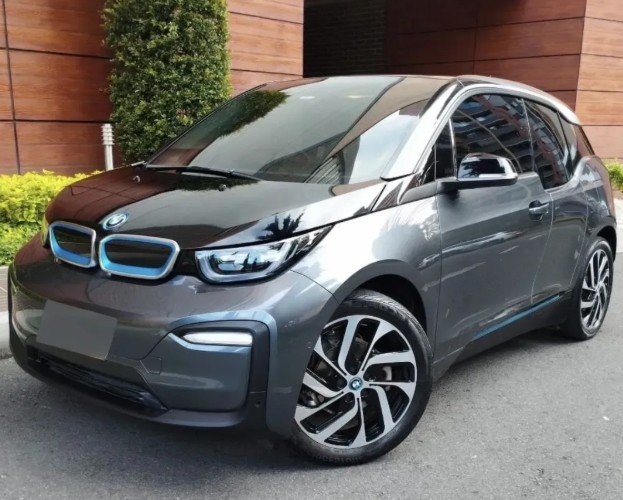
The BMW i3 arrived like a futuristic pod from another planet. Carbon-fiber body, quirky doors, sustainable materials, and a driving experience that felt more spaceship than hatchback. But while its design grabbed headlines, one question keeps echoing across forums, charging stations, and used EV listings:
How fast does the BMW i3 actually charge?
That question matters more today than ever. As used EV prices fall and charging networks expand, the i3 has become one of the most tempting electric bargains on the market. Yet charging speed can make or break the ownership experience. Nobody wants to spend eternity waiting beside a charger while their coffee gets cold twice over.
In this guide, we’ll explore the real-world charging speed of the BMW i3, the differences between model years, AC versus DC charging, charging times at home and on the road, battery sizes, charging curves, winter effects, and how to maximize efficiency. We’ll also uncover whether the i3 still feels practical in today’s rapidly evolving EV world.
Let’s plug in.
Content in this publication
- Why BMW i3 Charging Speed Still Matters
- BMW i3 Charging Speed by Model Year
- The 94 Ah BMW i3 Models Improved Charging Practicality
- The 120 Ah BMW i3 Became the Sweet Spot
- Understanding AC Charging vs DC Fast Charging
- BMW i3 Charging Time at Home
- Level 2 Charging Makes the i3 Shine
- Real-World BMW i3 DC Fast Charging Speed
- How Long Does a BMW i3 Take to Charge From 10% to 80%?
- Winter Weather Can Reduce BMW i3 Charging Speed
- BMW i3 Charging Curve Explained
- Can the BMW i3 Use Tesla Superchargers?
- The Best Home Charger for the BMW i3
- Does Battery Health Affect Charging Speed?
- BMW i3 Range Extender Models and Charging
- Public Charging Networks for the BMW i3
- How to Maximize BMW i3 Charging Speed
- Is BMW i3 Charging Speed Good Enough in 2026?
- BMW i3 Charging Costs
- Common BMW i3 Charging Problems
- Should We Buy a BMW i3 Today?
- The Future of BMW i3 Charging Support
- BMW i3 Charging Speed vs Other EVs
- Closing Thoughts on BMW i3 Charging Speed
- FAQs
Why BMW i3 Charging Speed Still Matters
The EV landscape changes at lightning speed. New electric vehicles brag about 350 kW ultra-fast charging like it’s a badge of honor. Against that backdrop, the i3 can seem modest.
But numbers rarely tell the whole story.
The BMW i3 was designed for urban life. It wasn’t meant to annihilate cross-country road trips like a luxury EV missile. Instead, it focused on efficiency, lightweight engineering, and clever battery management.
And honestly? That philosophy still works surprisingly well.
For many drivers, the i3 charges fast enough to fit naturally into daily life. Overnight charging at home, quick top-ups during errands, and occasional highway fast charging can make the experience painless.
The key is understanding what “fast enough” really means.
BMW i3 Charging Speed by Model Year
Not all BMW i3 models charge identically. Battery upgrades over the years changed both range and charging behavior.
2014–2016 BMW i3 Charging Speed
Early i3 models came with a smaller 60 Ah battery pack.
Key details:
- Battery capacity: around 22 kWh gross
- Usable battery: roughly 18.8 kWh
- DC fast charging capability: optional in some markets
- Maximum DC charging speed: approximately 50 kW
- AC charging speed: about 7.4 kW
These early cars can still charge relatively quickly because the battery is small. Think of it like filling a coffee mug instead of a bucket.
A 10% to 80% charge could happen in roughly 20–30 minutes on a DC fast charger under ideal conditions.
The 94 Ah BMW i3 Models Improved Charging Practicality
In 2017, BMW upgraded the battery substantially.
What Changed?
The 94 Ah version increased battery capacity to around 33 kWh gross.
Benefits included:
- Longer driving range
- Fewer charging stops
- Better real-world flexibility
- Improved highway usability
Interestingly, peak charging speed remained near 50 kW. However, because the battery became larger, total charging time increased slightly.
Still, the improved range outweighed the difference.
The 120 Ah BMW i3 Became the Sweet Spot
By 2019, BMW launched the most desirable version for many buyers.
120 Ah Battery Specs
- Battery capacity: about 42.2 kWh gross
- Usable battery: approximately 37.9 kWh
- Real-world range: often 150–190 miles
- DC fast charging: still capped near 50 kW
At first glance, that charging limit seems outdated. But the i3 compensates through efficiency. It consumes relatively little energy compared to heavier EVs.
In practical terms, owners often spend less time charging than expected because the car sips electricity rather than guzzling it.
Understanding AC Charging vs DC Fast Charging
This is where many new EV buyers get confused.
AC Charging Explained
AC charging is what we typically use at home or workplace chargers.
The BMW i3 supports:
P=VI
- Up to roughly 7.4 kW AC charging
- Level 1 and Level 2 charging
- Overnight charging convenience
AC charging feels like slowly filling a bathtub with a garden hose. It’s steady and gentle.
DC Fast Charging Explained
DC charging bypasses the onboard charger and sends electricity directly into the battery.
The i3 supports:
- CCS fast charging
- Peak charging speeds around 50 kW
- Rapid highway top-ups
DC charging is more like blasting water from a fire hydrant.
BMW i3 Charging Time at Home
Home charging transforms EV ownership. Suddenly, fueling becomes something we do while sleeping.
Level 1 Charging
Using a regular household outlet:
- Charging speed: roughly 1.2–1.5 kW
- Full charging time: 15–30 hours depending on battery size
Honestly, Level 1 charging is painfully slow unless daily driving is minimal.
It works best for:
- Short commutes
- Emergency charging
- Backup situations
Level 2 Charging Makes the i3 Shine
Install a Level 2 charger at home and the story changes dramatically.
Typical Level 2 Charging Times
| BMW i3 Version | Approximate Full Charge Time |
|---|---|
| 60 Ah | 3–4 hours |
| 94 Ah | 4–5 hours |
| 120 Ah | 5–6 hours |
That means we can easily recharge overnight.
The i3 suddenly feels incredibly convenient.
Real-World BMW i3 DC Fast Charging Speed
Peak charging speed sounds impressive in advertisements, but real-world charging tells a more complicated story.
The BMW i3 rarely stays at 50 kW for long.
Why Charging Slows Down
EV batteries protect themselves from:
- Excess heat
- Battery degradation
- Voltage stress
As the battery fills, charging speed gradually tapers.
The charging curve often looks something like this:
y=−0.5x+50
Not literally, of course, but conceptually the power decreases as charge percentage rises.
Typical Charging Behavior
- 10%–40%: fastest charging
- 40%–70%: moderate charging
- 70%–80%: noticeable slowdown
- Above 80%: significantly slower
That’s why most EV owners stop charging around 80% during road trips.
How Long Does a BMW i3 Take to Charge From 10% to 80%?
This is the number most drivers care about.
Approximate DC Fast Charging Times
| Version | 10%–80% Time |
|---|---|
| 60 Ah | 20–25 minutes |
| 94 Ah | 30–35 minutes |
| 120 Ah | 35–45 minutes |
These estimates depend heavily on:
- Battery temperature
- Charger performance
- Weather conditions
- Battery state of health
Still, the i3 remains surprisingly efficient during short charging stops.
Winter Weather Can Reduce BMW i3 Charging Speed
Cold weather acts like molasses for EV batteries.
When temperatures drop:
- Charging speeds decrease
- Regenerative braking weakens
- Range falls
- Battery conditioning becomes important
The i3 can precondition its battery in some situations, which helps improve charging performance.
But in freezing conditions, don’t expect peak charging numbers.
It’s like trying to sprint while wearing snow boots.
BMW i3 Charging Curve Explained
The charging curve matters more than peak speed.
Some EVs advertise huge charging peaks but sustain them for mere seconds. The i3, meanwhile, maintains relatively stable charging for much of the session.
Why This Matters
Consistent charging can sometimes outperform flashy peak numbers in real-world scenarios.
For example:
- A car peaking at 150 kW but rapidly tapering may not save much time
- The i3’s stable charging can feel predictable and reliable
Predictability matters during road trips.
Nobody likes charging roulette.
Can the BMW i3 Use Tesla Superchargers?
This question appears constantly.
The answer depends on:
- Region
- Adapter availability
- Supercharger compatibility rules
In many areas, older BMW i3 models cannot directly use Tesla Superchargers without special compatibility support.
However, some newer open-network Tesla stations now support CCS-equipped vehicles.
Checking local infrastructure is essential before planning trips.
The Best Home Charger for the BMW i3
Choosing the right charger can improve daily convenience dramatically.
What We Should Look For
A good BMW i3 home charger should include:
- 240V Level 2 capability
- Smart scheduling
- Weather resistance
- Wi-Fi monitoring
- Adjustable amperage
The i3 doesn’t need ultra-high amperage charging. A moderate Level 2 setup works beautifully.
Does Battery Health Affect Charging Speed?
Absolutely.
As lithium-ion batteries age:
- Internal resistance increases
- Charging efficiency decreases
- Peak charging speed may decline
Fortunately, the BMW i3 has earned a reputation for relatively solid battery longevity.
Many high-mileage examples still maintain respectable battery health.
That’s partly thanks to BMW’s conservative battery management.
The company left usable buffer space rather than pushing the battery to its absolute limits.
BMW i3 Range Extender Models and Charging
The Range Extender (REx) versions include a small gasoline engine acting as a generator.
Does the REx Change Charging Speed?
Not really.
Charging behavior remains largely similar to fully electric versions.
However, the REx provides psychological comfort during long drives.
It’s like carrying a tiny emergency parachute in your backpack.
You hope never to use it, but knowing it’s there feels reassuring.
Public Charging Networks for the BMW i3
The i3 works well with many public charging providers.
Popular options include:
- Electrify America
- EVgo
- ChargePoint
- Shell Recharge
- Ionity in Europe
Because the i3 uses CCS fast charging, compatibility is generally broad.
That’s a major advantage compared to older CHAdeMO-based EVs.
How to Maximize BMW i3 Charging Speed
Want the fastest charging experience possible? A few habits help tremendously.
Best Charging Practices
Arrive With a Low Battery
Fast charging works best between low and moderate charge levels.
Precondition the Battery
Warm batteries charge faster than cold ones.
Avoid Charging to 100% During Trips
Stopping around 80% often saves significant time.
Use Reliable Chargers
Some public chargers underperform dramatically.
Monitor Battery Temperature
Extreme heat can also slow charging.
Is BMW i3 Charging Speed Good Enough in 2026?
This is the million-dollar question.
Compared to modern EVs?
Not really.
Compared to practical daily driving needs?
Often yes.
The i3 remains remarkably usable because:
- It’s efficient
- It charges consistently
- Most commuting distances are short
- Home charging eliminates inconvenience
The i3 isn’t built for cannonball-style road trips. It’s built for intelligent urban mobility.
And honestly, it still excels there.
BMW i3 Charging Costs
Charging cost depends heavily on electricity prices.
Typical Home Charging Costs
For many owners:
- Full charge costs significantly less than gasoline
- Overnight off-peak rates reduce expenses further
The i3’s efficiency helps enormously.
Its lightweight construction means fewer kilowatt-hours consumed per mile.
That’s one reason the car still feels economically appealing years later.
Common BMW i3 Charging Problems
Like any EV, the i3 can experience charging issues.
Potential Problems Include
- Faulty charging cables
- Charger communication errors
- Slow public chargers
- Battery temperature limitations
- Software glitches
Fortunately, many issues stem from charging infrastructure rather than the car itself.
Public chargers can sometimes behave like moody coffee machines—temperamental and unpredictable.
Should We Buy a BMW i3 Today?
The answer depends on lifestyle.
The i3 remains compelling for:
- City drivers
- Daily commuters
- Second-car households
- Drivers with home charging
- People seeking affordable EV ownership
Its charging speed won’t impress EV enthusiasts chasing bleeding-edge technology.
But for normal life? It’s often more than adequate.
And the i3 still has personality—a rare quality in modern cars.
Many EVs feel like appliances.
The i3 feels like an idea.
The Future of BMW i3 Charging Support
Although BMW discontinued the i3, charging infrastructure continues improving.
That means:
- More CCS chargers
- Faster public stations
- Better app integration
- Wider compatibility
Ironically, the charging experience for the i3 may continue improving even after production ended.
That’s the beauty of evolving EV infrastructure.
BMW i3 Charging Speed vs Other EVs
How does the i3 compare today?
Compared to Modern EV Rivals
| Vehicle | Peak DC Charging |
|---|---|
| BMW i3 | ~50 kW |
| Tesla Model 3 | 250 kW |
| Hyundai Ioniq 5 | 350 kW |
| Nissan Leaf | ~50 kW |
| Chevy Bolt EV | ~55 kW |
On paper, the i3 looks outdated.
But remember:
- Smaller battery = quicker percentage gains
- Better efficiency offsets some disadvantages
- Urban-focused design changes expectations
The i3 may not win drag races at charging stations, but it rarely feels painfully slow either.
Closing Thoughts on BMW i3 Charging Speed
The BMW i3 remains one of the most fascinating electric vehicles ever built. Its charging speed won’t rewrite records, yet the overall ownership experience can still feel refreshingly modern.
That’s because the i3 approaches mobility differently.
Instead of brute-force battery size and outrageous charging figures, BMW prioritized lightweight engineering, efficiency, sustainability, and intelligent city driving. The result is an EV that often charges “fast enough” while consuming remarkably little energy.
For commuters, urban drivers, and anyone with home charging access, the i3 still feels practical and surprisingly enjoyable. Yes, newer EVs charge faster. Yes, technology has moved forward. But the i3 continues to prove that thoughtful design can age gracefully.
Sometimes speed isn’t about being the fastest.
Sometimes it’s about fitting perfectly into real life.
FAQs
How fast can a BMW i3 charge?
Most BMW i3 models can DC fast charge at approximately 50 kW under ideal conditions.
How long does it take to charge a BMW i3 at home?
Using a Level 2 charger, most BMW i3 models fully charge in roughly 3–6 hours depending on battery size.
Can a BMW i3 use fast chargers?
Yes. CCS-equipped BMW i3 models support DC fast charging.
Does cold weather affect BMW i3 charging speed?
Yes. Cold temperatures can reduce charging speed and increase charging times significantly.
Is the BMW i3 charging speed slow compared to modern EVs?
Compared to newer EVs, the i3 charges more slowly. However, its small battery and high efficiency help keep charging practical for daily use.
If you want to know other articles similar to BMW i3 Charging Speed: Everything We Need to Know Before Plugging In you can visit the category Service and Parts.
Nissan Rogue Oil Change Cost: Prices, Service Options, and What to Expect
Nissan Rogue Key Battery Replacement: Easy Step-by-Step Guide
Nissan Rogue Oil Change Interval: Complete Guide by Model Year
Nissan Rogue Brake Pads and Rotors Cost: Complete 2026 Guide

Kia Sorento Service Reset: How to Reset the Service Light
Kia Sorento Fuel Tank Capacity: Gallons, Litres and Model Differences
Leave a Reply
More content of your interest