
BMW i3 Battery Capacity: Everything We Need to Know About BMW’s Revolutionary EV Battery

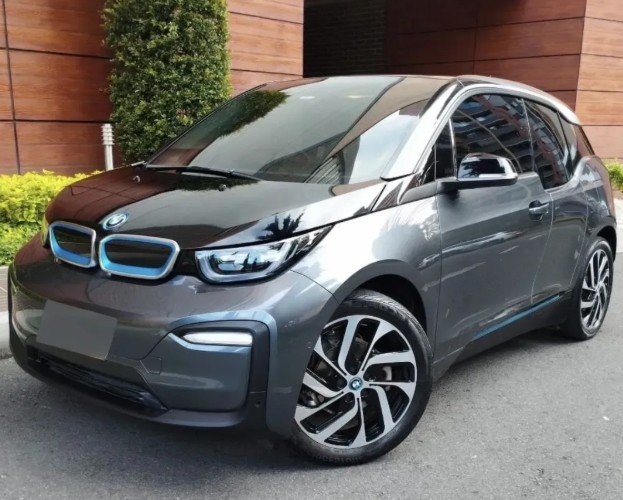
The BMW i3 arrived like a lightning bolt in a world still dominated by gasoline engines. While most automakers cautiously dipped their toes into electric mobility, BMW cannonballed into the future with a carbon-fiber city car that looked like it had escaped from a sci-fi movie set.
But beyond its quirky rear doors and futuristic cabin, one question has followed the i3 since day one:
How big is the BMW i3 battery capacity, and is it enough?
That single question shapes everything — range, charging speed, ownership costs, resale value, and even whether the i3 still makes sense today. And honestly, battery capacity is where the i3 story becomes fascinating. BMW didn’t simply release one version and move on. The company continuously evolved the battery pack over the years, transforming the i3 from a short-range urban commuter into a genuinely practical electric car.
In this guide, we’ll unpack every BMW i3 battery variation, explain real-world performance, compare generations, and reveal what buyers should know before purchasing one.
Content in this publication
- Why BMW i3 Battery Capacity Matters So Much
- BMW i3 Battery Capacity by Model Year
- 94 Ah BMW i3 Battery Capacity (2017–2018)
- 120 Ah BMW i3 Battery Capacity (2019–2022)
- Understanding Gross vs Usable Battery Capacity
- BMW i3 Battery Capacity Comparison Table
- How BMW Increased Battery Capacity Without Huge Size Changes
- Battery Chemistry Inside the BMW i3
- Does BMW i3 Battery Capacity Degrade Quickly?
- Factors That Affect BMW i3 Battery Health
- How to Preserve BMW i3 Battery Capacity
- BMW i3 Range Extender Models and Battery Capacity
- BMW i3 Charging Times by Battery Capacity
- Is the BMW i3 Battery Water-Cooled?
- Can BMW i3 Battery Capacity Be Upgraded?
- BMW i3 Battery Warranty Explained
- How Much Does a BMW i3 Replacement Battery Cost?
- BMW i3 Battery Capacity in Winter
- Why the BMW i3 Still Feels Efficient Today
- BMW i3 Battery Capacity vs Competitors
- Buying a Used BMW i3: Which Battery Capacity Should We Choose?
- Hidden Advantages of the BMW i3 Battery Design
- Common Myths About BMW i3 Battery Capacity
- The Emotional Side of BMW i3 Ownership
- Is BMW i3 Battery Capacity Still Competitive Today?
- Should We Still Buy a BMW i3 in 2026?
- Conclusion
- FAQs
Why BMW i3 Battery Capacity Matters So Much
Battery capacity in an EV is like lung capacity for a marathon runner. The larger it is, the farther the vehicle can travel before needing a recharge.
But with the i3, battery size affects much more than range:
- Charging frequency
- Daily usability
- Highway confidence
- Long-distance capability
- Winter performance
- Resale desirability
- Battery degradation over time
A small battery can feel freeing in the city yet restrictive on road trips. A larger battery transforms the experience completely.
The BMW i3 evolved dramatically in this department.
BMW i3 Battery Capacity by Model Year
BMW released three primary battery capacities during the i3’s production life.
60 Ah BMW i3 Battery Capacity (2014–2016)
The original i3 launched with:
- Gross battery capacity: 21.6 kWh
- Usable battery capacity: 18.8 kWh
This version used a 60 Ah lithium-ion battery pack.
At the time, this was respectable. Today, it feels tiny — like carrying a water bottle into the desert.
Still, for urban commuters, it worked surprisingly well.
Real-World Range of the 60 Ah i3
Drivers typically experienced:
- 70–90 miles in mild conditions
- 60–75 miles in winter
- Less during aggressive highway driving
This early version was designed primarily for city life rather than cross-country adventures.
94 Ah BMW i3 Battery Capacity (2017–2018)
In 2017, BMW significantly upgraded the battery.
The new figures became:
- Gross capacity: 33.2 kWh
- Usable capacity: 27.2 kWh
This represented a massive leap.
It was as if the i3 suddenly traded running shoes for hiking boots.
What Changed With the 94 Ah Battery?
The improvements were enormous:
- Nearly 50% more range
- Better highway usability
- Reduced charging anxiety
- Improved resale value
- More practical daily driving
This is the version many buyers consider the “sweet spot” between affordability and usability.
120 Ah BMW i3 Battery Capacity (2019–2022)
Then came the ultimate evolution.
BMW introduced the 120 Ah battery pack featuring:
- Gross capacity: 42.2 kWh
- Usable capacity: 37.9 kWh
This final battery upgrade transformed the i3 into a truly competent EV.
Real-World Range of the 120 Ah i3
Most drivers see:
- 150–190 miles in mixed driving
- Around 130–160 miles at highway speeds
- Less during extreme cold weather
For many commuters, this meant charging only once or twice per week.
That’s a completely different ownership experience.
Understanding Gross vs Usable Battery Capacity
This confuses many EV shoppers.
Why does BMW advertise one number while owners mention another?
The answer lies in battery protection.
Gross Battery Capacity
This is the battery’s total physical energy storage.
Usable Battery Capacity
This is the portion accessible to the driver.
BMW intentionally hides part of the battery reserve to:
- Reduce degradation
- Improve battery longevity
- Prevent deep discharge damage
- Protect long-term performance
Think of it like a swimming pool with a “do not drain below this line” marker.
BMW i3 Battery Capacity Comparison Table
| BMW i3 Version | Gross Capacity | Usable Capacity | Typical Range |
|---|---|---|---|
| 60 Ah | 21.6 kWh | 18.8 kWh | 70–90 miles |
| 94 Ah | 33.2 kWh | 27.2 kWh | 110–140 miles |
| 120 Ah | 42.2 kWh | 37.9 kWh | 150–190 miles |
The difference between early and late models is massive.
The newest i3 nearly doubles the practical range of the original.
How BMW Increased Battery Capacity Without Huge Size Changes
This is where BMW engineering deserves applause.
The company didn’t dramatically enlarge the battery pack physically. Instead, it improved energy density.
What Is Energy Density?
Energy density refers to how much energy cells can store relative to size and weight.
BMW effectively packed more electricity into roughly the same physical space.
Like fitting a larger library into the same building.
Battery Chemistry Inside the BMW i3
The i3 uses lithium-ion battery technology developed with Samsung SDI.
Key Characteristics of the BMW i3 Battery
- High-voltage lithium-ion cells
- Aluminum battery housing
- Liquid thermal management
- Intelligent battery monitoring systems
This sophisticated setup helped the i3 age surprisingly well compared to some early EV competitors.
Does BMW i3 Battery Capacity Degrade Quickly?
This is the million-dollar question.
Fortunately, the i3 has developed a solid reputation for battery durability.
Typical BMW i3 Battery Degradation
Most owners report:
- Around 5–10% degradation after several years
- Better longevity than many early EVs
- Stable performance with proper charging habits
BMW’s conservative battery management strategy plays a huge role here.
Factors That Affect BMW i3 Battery Health
Battery aging depends heavily on usage patterns.
Things That Accelerate Degradation
Frequent DC Fast Charging
Rapid charging creates heat.
Heat is the silent enemy of lithium-ion batteries.
Extreme Temperatures
Both intense cold and scorching heat stress the battery pack.
Repeated Full Charges
Constantly charging to 100% can slowly increase wear.
Deep Discharges
Running the battery near empty too often isn’t ideal either.
How to Preserve BMW i3 Battery Capacity
Want your i3 battery to age gracefully?
These habits help enormously.
Best Practices for Battery Longevity
- Keep charge levels between 20% and 80% when possible
- Avoid leaving the car fully charged for days
- Limit unnecessary DC fast charging
- Park in shade during hot weather
- Precondition the cabin while plugged in
Small habits can make a surprising difference over the years.
BMW i3 Range Extender Models and Battery Capacity
Some i3 versions included a small gasoline engine called the REx (Range Extender).
How the REx Changes the Experience
The tiny engine does not drive the wheels directly.
Instead, it:
- Generates electricity
- Maintains battery charge
- Extends total driving range
This turned the i3 into something of an electric safety net.
Like carrying an emergency generator in your backpack.
BMW i3 Charging Times by Battery Capacity
Charging time naturally varies depending on battery size.
60 Ah Charging Time
- Level 1: 15–20 hours
- Level 2: 3–4 hours
- DC fast charging: around 30 minutes to 80%
94 Ah Charging Time
- Level 1: 24+ hours
- Level 2: 5–6 hours
- DC fast charging: 40 minutes to 80%
120 Ah Charging Time
- Level 1: over 30 hours
- Level 2: 6–7 hours
- DC fast charging: 40–50 minutes to 80%
Is the BMW i3 Battery Water-Cooled?
Yes.
And that matters.
Why Thermal Management Is Important
Battery temperature control helps:
- Improve efficiency
- Reduce degradation
- Maintain charging performance
- Increase battery lifespan
Many early EVs without liquid cooling experienced faster degradation.
The i3 avoided much of that problem.
Can BMW i3 Battery Capacity Be Upgraded?
Technically, yes — but it’s complicated.
Some owners have retrofitted newer battery packs into older i3 models.
Challenges of Upgrading the Battery
- Extremely expensive
- Requires specialist knowledge
- Software coding may be needed
- Warranty implications exist
For most people, buying a newer i3 directly is more sensible financially.
BMW i3 Battery Warranty Explained
BMW provided substantial battery coverage.
Most markets offered:
- 8 years
- 100,000 miles
- Protection against excessive degradation
This gave buyers confidence during the early EV era when battery fears dominated discussions.
How Much Does a BMW i3 Replacement Battery Cost?
Replacement costs vary significantly.
Estimated BMW i3 Battery Replacement Costs
- Used modules: lower cost
- Refurbished packs: mid-range pricing
- New OEM battery: very expensive
In many cases, replacement costs can exceed the value of older vehicles.
Thankfully, outright battery failures remain relatively uncommon.
BMW i3 Battery Capacity in Winter
Cold weather changes everything.
Lithium-ion batteries dislike freezing temperatures almost as much as humans dislike stepping barefoot onto icy floors.
Winter Range Reduction
Owners may see:
- 15–30% reduced range
- Slower charging speeds
- Increased energy usage from cabin heating
However, the i3’s heat pump system helps mitigate some losses.
Why the BMW i3 Still Feels Efficient Today
Despite its age, the i3 remains impressively efficient.
Reasons Behind Its Efficiency
Lightweight Carbon Fiber Construction
The carbon-fiber reinforced body keeps weight low.
Narrow Eco-Focused Tires
Low rolling resistance improves energy usage.
Excellent Aerodynamics
Its unusual shape wasn’t random. It sliced through air efficiently.
Smart Regenerative Braking
The i3 excels at recovering energy during deceleration.
BMW i3 Battery Capacity vs Competitors
How does the i3 compare to rivals?
BMW i3 vs Nissan Leaf
The Nissan Leaf offered larger batteries later on, but the i3 often felt more premium and efficient.
BMW i3 vs Chevrolet Bolt
The Chevrolet Bolt EV delivered more range per dollar, though the i3 countered with luxury materials and distinctive engineering.
BMW i3 vs Tesla Model 3
The Tesla Model 3 eclipsed the i3 in range and charging infrastructure, but the i3 remained uniquely charming and city-friendly.
Buying a Used BMW i3: Which Battery Capacity Should We Choose?
This depends entirely on lifestyle.
Choose the 60 Ah If:
- You drive mostly in the city
- Budget matters most
- You have home charging
- Daily mileage is low
Choose the 94 Ah If:
- You want balanced value
- Moderate range suits your routine
- You occasionally travel farther
Choose the 120 Ah If:
- You want maximum practicality
- You dislike charging frequently
- Highway trips are common
- Long-term usability matters
For most buyers today, the 120 Ah version is the best overall experience.
The i3 battery system wasn’t just about capacity.
BMW engineered the car around efficiency from the beginning.
Integrated Battery Architecture
The battery sits low in the chassis, improving:
- Stability
- Cornering balance
- Interior packaging
- Cabin space
This skateboard-style layout became the blueprint for many future EVs.
Common Myths About BMW i3 Battery Capacity
Let’s clear up a few misconceptions.
“The Battery Will Fail Quickly”
Not usually.
Many i3 batteries have proven surprisingly durable.
“Older i3 Models Are Useless Today”
Not true for city driving.
A 60 Ah model can still work beautifully as an urban commuter.
“Battery Replacement Is Guaranteed Eventually”
Possible? Yes.
Guaranteed soon? No.
Many original packs continue operating well after years of use.
The Emotional Side of BMW i3 Ownership
Strangely, the i3 creates emotional attachment.
Its compact dimensions, futuristic cabin, silent acceleration, and quirky personality make it memorable in a sea of generic crossovers.
And the battery capacity evolution mirrors the EV industry itself.
The early i3 felt like an experiment.
The later versions felt like the future arriving ahead of schedule.
Is BMW i3 Battery Capacity Still Competitive Today?
The answer depends on perspective.
Compared to modern long-range EVs, even the 120 Ah i3 seems modest.
But context matters.
For City Driving, the i3 Still Shines
Many urban drivers rarely exceed:
- 30–50 miles daily
- predictable commuting patterns
- overnight home charging cycles
In that environment, the i3 remains deeply practical.
Should We Still Buy a BMW i3 in 2026?
Honestly? For the right buyer, absolutely.
The i3 remains:
- Efficient
- Stylish
- Innovative
- Fun to drive
- Surprisingly premium
And thanks to the larger 120 Ah battery, later models still feel modern enough for everyday use.
The i3 may no longer be the newest electric star on the stage, but it still dances with remarkable confidence.
Conclusion
The BMW i3 tells the story of EV evolution in miniature form.
It began with a modest 21.6 kWh battery aimed at urban commuting and matured into a genuinely capable electric vehicle with nearly double the usable capacity. Along the way, BMW refined energy density, improved efficiency, and demonstrated how intelligent engineering could stretch every kilowatt-hour further.
Today, battery capacity remains the defining factor when shopping for a used i3. The 60 Ah suits city dwellers, the 94 Ah balances affordability and practicality, and the 120 Ah unlocks the car’s full potential.
But beyond numbers and specifications, the i3 represents something more meaningful — a bold leap into the electric future before most automakers fully believed in it.
And even now, years later, that leap still feels refreshingly daring.
FAQs
What is the biggest BMW i3 battery capacity available?
The largest BMW i3 battery is the 120 Ah pack with a gross capacity of 42.2 kWh and around 37.9 kWh usable.
How long does a BMW i3 battery last?
Most BMW i3 batteries can last well over 100,000 miles with proper care and moderate degradation.
Which BMW i3 battery version is best?
The 120 Ah version is generally considered the best due to its significantly improved real-world range and usability.
Can the BMW i3 battery be replaced?
Yes, the battery can be replaced, though costs can be substantial depending on the source and labor involved.
Does cold weather affect BMW i3 battery capacity?
Yes. Cold temperatures reduce range and charging efficiency, though the i3’s thermal management system helps minimize losses.
If you want to know other articles similar to BMW i3 Battery Capacity: Everything We Need to Know About BMW’s Revolutionary EV Battery you can visit the category Service and Parts.
Nissan Rogue Oil Change Cost: Prices, Service Options, and What to Expect
Nissan Rogue Key Battery Replacement: Easy Step-by-Step Guide
Nissan Rogue Oil Change Interval: Complete Guide by Model Year
Nissan Rogue Brake Pads and Rotors Cost: Complete 2026 Guide

Kia Sorento Service Reset: How to Reset the Service Light
Kia Sorento Fuel Tank Capacity: Gallons, Litres and Model Differences
Leave a Reply
More content of your interest