
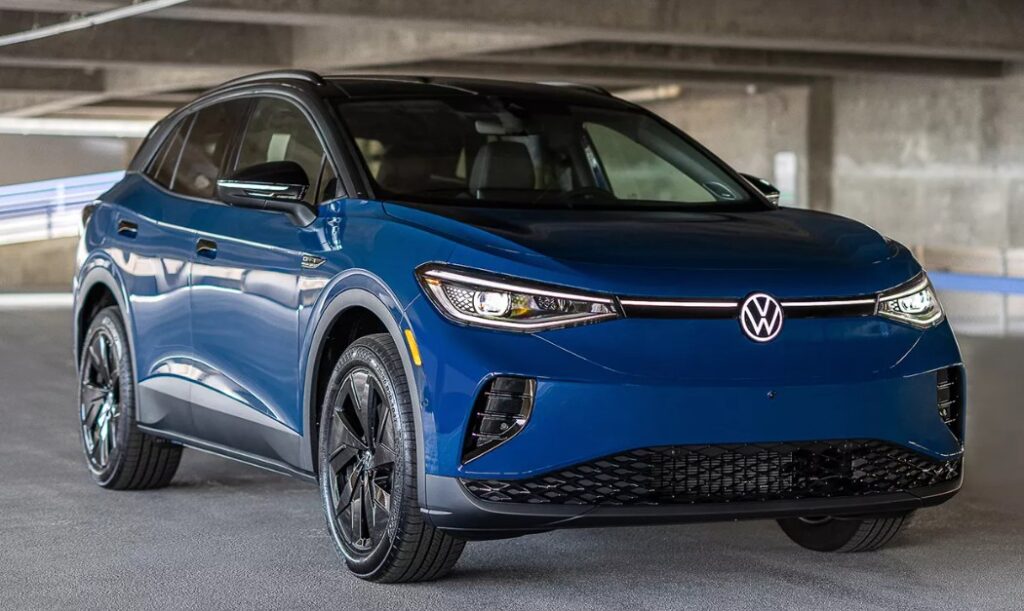
Volkswagen ID 4 Battery Life

Content in this publication
- Why the Volkswagen ID 4 Battery Life Matters More Than Ever
- Understanding the Volkswagen ID 4 Battery Pack
- How Long Does a Volkswagen ID 4 Battery Last?
- Volkswagen ID 4 Battery Warranty
- What Causes Battery Degradation?
- Real-World Volkswagen ID 4 Battery Performance
- How Charging Habits Affect Volkswagen ID 4 Battery Life
- AC Charging vs DC Fast Charging
- How Weather Impacts ID 4 Battery Life
- Volkswagen ID 4 Battery Cooling System
- Can the Volkswagen ID 4 Battery Be Replaced?
- Volkswagen ID 4 Battery Life Compared to Competitors
- Tips to Extend Volkswagen ID 4 Battery Life
- Signs of Battery Health Issues
- How Software Updates Improve Battery Life
- Will the ID 4 Battery Last Longer Than a Gas Engine?
- The Future of Volkswagen EV Batteries
- Should Battery Life Be a Concern for Buyers?
- Common Myths About Volkswagen ID 4 Battery Life
- The Emotional Side of EV Ownership
- Final Thoughts on Volkswagen ID 4 Battery Life
- FAQs
Why the Volkswagen ID 4 Battery Life Matters More Than Ever
Electric vehicles have shifted from futuristic curiosities to driveway staples, and the Volkswagen ID.4 sits right in the middle of that transformation. But once the excitement of instant torque and silent driving fades, one practical question lingers in nearly every buyer’s mind: How long will the battery actually last?
That question is the heartbeat of EV ownership.
Battery life determines long-term value, resale confidence, charging habits, and even road-trip freedom. It is the invisible engine behind the entire ownership experience. And when we talk about the Volkswagen ID 4 battery life, we are talking about far more than a simple number of years. We are discussing endurance, degradation, charging behavior, weather effects, and how smart driving can stretch battery longevity like a marathon runner conserving energy.
The good news? The ID.4’s battery system was engineered for durability. Volkswagen did not build this SUV for a short sprint. It was designed for the long road ahead.
Understanding the Volkswagen ID 4 Battery Pack
Before we dive into lifespan expectations, we need to understand what powers the vehicle.
Battery Sizes Available in the ID.4
Depending on the trim and market, the Volkswagen ID.4 typically comes with:
- A smaller battery pack around 52 kWh
- A larger battery pack around 77 kWh usable capacity
- Lithium-ion battery chemistry
- Modular battery construction
The larger 77 kWh battery is the most common in many markets and offers the strongest combination of range and longevity.
How the Battery System Works
Unlike traditional combustion engines filled with moving parts and heat-producing explosions, EV batteries operate through chemical energy storage. Think of the battery like a giant rechargeable reservoir. Every charge cycle fills the lake, and every drive slowly drains it.
The ID.4 uses sophisticated battery management software to regulate:
- Temperature
- Charging speed
- Power output
- Cell balancing
- Long-term battery health
This intelligent monitoring system acts like a personal trainer for the battery, preventing unnecessary stress and extending lifespan.
How Long Does a Volkswagen ID 4 Battery Last?
Expected Battery Lifespan
Most experts estimate the Volkswagen ID.4 battery can last:
- 300,000 to 500,000 kilometers
- Roughly 15 to 20 years under normal conditions
That lifespan exceeds what many drivers will keep the vehicle for.
In practical terms, the battery will likely outlive the ownership cycle of the first or even second owner.
Battery Degradation Explained
Battery life does not suddenly end one day like a burnt-out lightbulb. Instead, EV batteries gradually lose capacity over time.
For example:
- New battery: 100% capacity
- After several years: 90–95%
- After a decade: possibly 80–85%
This process is called degradation.
Even at 80% capacity, the battery remains highly usable. The car simply delivers less driving range compared to when it was new.
Volkswagen ID 4 Battery Warranty
What Warranty Coverage Does Volkswagen Offer?
Volkswagen typically provides:
- 8-year battery warranty
- Around 100,000 miles or 160,000 km coverage
- Protection against excessive degradation
If battery capacity falls below a specified threshold during the warranty period, Volkswagen may repair or replace components.
That warranty acts like a safety net beneath a tightrope walker. It gives owners peace of mind while transitioning into EV ownership.
What Causes Battery Degradation?
Several factors influence the lifespan of the Volkswagen ID.4 battery.
Fast Charging Frequency
DC fast charging is incredibly convenient, but excessive use creates more heat.
Heat is one of the biggest enemies of lithium-ion batteries.
Occasional fast charging is perfectly fine. Constant fast charging every single day is not ideal for long-term battery health.
Extreme Temperatures
Battery chemistry dislikes temperature extremes.
Hot Climates
High heat accelerates chemical aging.
Cold Climates
Cold weather temporarily reduces efficiency and available range.
The ID.4 combats this with thermal management systems, but climate still plays a role.
Driving Habits
Aggressive acceleration and repeated hard driving increase battery stress.
Smooth driving preserves energy and battery health.
Keeping the Battery at 100% Constantly
Charging to 100% occasionally is fine. Leaving the battery fully charged for extended periods is less ideal.
Most EV experts recommend daily charging between:
- 20%
- 80%
This range minimizes long-term degradation.
Real-World Volkswagen ID 4 Battery Performance
How Much Range Loss Should We Expect?
Real-world EV data suggests modern batteries degrade slower than many people feared.
Many EV owners report:
- Around 5% degradation after several years
- Strong range retention beyond 100,000 miles
The ID.4 benefits from newer battery management technology that helps reduce excessive wear.
You may be interested in reading Volkswagen ID 4 Key Battery Replacement
Why Modern EV Batteries Last Longer Than Older Ones
Early EVs were like first-generation smartphones — exciting but imperfect.
Modern EVs, including the ID.4, now feature:
- Better cooling systems
- Smarter software
- Improved chemistry
- More efficient charging controls
The result is significantly improved longevity.
How Charging Habits Affect Volkswagen ID 4 Battery Life
Best Charging Practices
If we want maximum battery life, these habits help:
- Keep daily charging between 20% and 80%
- Avoid leaving the car at 0%
- Limit unnecessary DC fast charging
- Use scheduled charging
- Park in shaded or covered areas during extreme heat
Small habits create massive long-term benefits.
Is Overnight Charging Safe?
Yes.
The ID.4 automatically manages charging and prevents overcharging. Once the battery reaches its target level, charging slows or stops.
It is similar to filling a bathtub equipped with an automatic shutoff valve.
AC Charging vs DC Fast Charging
Level 1 Charging
- Standard household outlet
- Slowest charging method
- Least stressful for battery health
Level 2 Charging
- Home wall chargers
- Ideal daily charging solution
- Balanced speed and efficiency
DC Fast Charging
- Fast highway charging
- Excellent for road trips
- Creates more heat
DC fast charging is like sprinting. Useful when needed, but we should not sprint everywhere all the time.
How Weather Impacts ID 4 Battery Life
Winter Effects
Cold weather can reduce range temporarily because energy is used to:
- Heat the cabin
- Warm the battery
- Maintain efficiency
Drivers may notice:
- Slower charging
- Reduced range
- Lower regenerative braking performance
Summer Effects
Extreme heat may increase battery wear over many years.
Fortunately, the ID.4 includes liquid thermal management systems to regulate temperatures.
Volkswagen ID 4 Battery Cooling System
Why Battery Cooling Matters
Battery cooling is one of the hidden heroes of EV longevity.
Without cooling, battery cells heat up during:
- Fast charging
- Highway driving
- Hot weather
Too much heat accelerates degradation.
The ID.4 uses advanced liquid cooling systems that circulate coolant around the battery pack to maintain optimal temperatures.
Think of it as the vehicle’s internal climate-control system for battery health.
Can the Volkswagen ID 4 Battery Be Replaced?
Battery Replacement Possibilities
Yes, the battery can be replaced.
However, complete battery replacement is relatively rare.
Often, only individual modules need repair rather than replacing the entire pack.
Battery Replacement Costs
Battery replacement costs can vary significantly depending on:
- Labor
- Region
- Warranty status
- Battery size
As EV technology advances, replacement costs continue to decline.
That trend mirrors what happened with televisions and smartphones — expensive at first, increasingly affordable over time.
Volkswagen ID 4 Battery Life Compared to Competitors
How the ID.4 Stacks Up
The ID.4 competes well against rivals like:
- Tesla Model Y
- Hyundai Ioniq 5
- Kia EV6
- Ford Mustang Mach-E
Volkswagen focused heavily on balancing:
- Battery longevity
- Efficiency
- Thermal stability
- Everyday practicality
Rather than chasing extreme performance numbers, the ID.4 emphasizes sustainable long-term usability.
Tips to Extend Volkswagen ID 4 Battery Life
Simple Daily Habits That Make a Difference
Avoid Full Charges Unless Necessary
Use 100% charging mainly before long trips.
Precondition the Battery
Preconditioning helps optimize charging temperatures.
Drive Smoothly
Gentle acceleration reduces heat and stress.
Limit Long-Term Parking at High Charge
If storing the vehicle:
- Keep battery around 50%
- Avoid leaving it fully depleted
Use Regenerative Braking Wisely
Regenerative braking recaptures energy efficiently while reducing brake wear.
Signs of Battery Health Issues
Most owners will never experience serious battery problems, but warning signs may include:
- Sudden range drops
- Charging inconsistencies
- Warning lights
- Reduced charging speed
- Software alerts
The ID.4 continuously monitors battery health and can often detect problems early.
How Software Updates Improve Battery Life
Modern EVs behave more like computers on wheels.
Software updates can improve:
You may be interested in readingVolkswagen ID 4 Key Battery ReplacementYou may be interested in reading
How to Charge Volkswagen ID 4: The Complete EV Charging Guide- Charging efficiency
- Thermal management
- Battery balancing
- Range estimation
Volkswagen periodically releases updates that optimize vehicle performance.
This means the ID.4 can actually improve over time — something traditional gasoline vehicles rarely achieve.
Will the ID 4 Battery Last Longer Than a Gas Engine?
Surprisingly, possibly yes.
Gasoline engines contain:
- Hundreds of moving parts
- Oil systems
- Belts
- Gaskets
- Fuel injectors
- Exhaust systems
Electric drivetrains are mechanically simpler.
Fewer moving parts often mean:
- Lower maintenance
- Fewer breakdowns
- Longer drivetrain durability
The battery becomes the centerpiece of longevity, and modern EV batteries are proving remarkably resilient.
The Future of Volkswagen EV Batteries
Battery Technology Keeps Advancing
Future Volkswagen battery developments may include:
- Faster charging
- Improved energy density
- Reduced degradation
- Longer driving range
- Lower replacement costs
Volkswagen continues investing heavily in EV innovation through its growing electric lineup.
The ID.4 is not just a standalone SUV. It is part of a much larger electric transformation.
Should Battery Life Be a Concern for Buyers?
For most drivers, no.
Battery anxiety today often resembles early smartphone anxiety years ago. People feared batteries would fail quickly, yet modern devices routinely last many years.
The same pattern is emerging with EVs.
If properly maintained, the Volkswagen ID.4 battery should comfortably serve daily driving needs for well over a decade.
That makes it less of a fragile experiment and more of a durable long-distance companion.
Common Myths About Volkswagen ID 4 Battery Life
“The Battery Will Die After a Few Years”
False.
Modern EV batteries are engineered for long-term durability.
“Cold Weather Permanently Damages the Battery”
Not necessarily.
Cold temporarily reduces efficiency but does not instantly ruin battery health.
“Fast Charging Always Destroys Batteries”
Excessive fast charging can increase wear, but occasional use is completely normal.
“Battery Replacement Makes EVs Too Expensive”
Most owners may never need a full replacement during their ownership period.
The Emotional Side of EV Ownership
Battery life is not only about science. It is also psychological.
People fear uncertainty.
A gasoline vehicle feels familiar because we have lived with combustion engines for generations. EVs feel different, and different sometimes feels risky.
But the ID.4 quietly changes that perception. After months of ownership, many drivers stop obsessing over battery percentages altogether.
Charging becomes routine. Range becomes predictable. Anxiety fades.
The battery transforms from a mysterious box into something ordinary — like checking the fuel gauge before a weekend trip.
Final Thoughts on Volkswagen ID 4 Battery Life
The Volkswagen ID.4 battery life is one of the vehicle’s strongest qualities. Built with advanced thermal management, intelligent charging systems, and durable lithium-ion chemistry, the battery was designed to withstand years of daily use.
For most owners, the battery will likely:
- Last 15 years or more
- Retain strong capacity
- Require minimal maintenance
- Outlive typical ownership cycles
The key is simple: smart charging habits and reasonable care.
Like a healthy heart powering a runner through countless miles, the ID.4 battery thrives when treated thoughtfully. And as EV technology continues evolving, battery longevity is becoming less of a concern and more of a success story.
FAQs
How long will a Volkswagen ID 4 battery last?
Most estimates suggest the ID.4 battery can last between 15 and 20 years or several hundred thousand kilometers with proper care.
Does fast charging damage the Volkswagen ID 4 battery?
Occasional DC fast charging is safe, but excessive daily fast charging may increase long-term battery degradation.
What is the warranty on the Volkswagen ID 4 battery?
Volkswagen generally offers an 8-year or 100,000-mile battery warranty, depending on the market.
How much battery degradation should owners expect?
Many EVs experience around 5–10% degradation after several years of normal driving.
Can the Volkswagen ID 4 battery be replaced?
Yes. Individual modules or the entire battery pack can be repaired or replaced if necessary.
You may be interested in readingVolkswagen ID 4 Key Battery ReplacementYou may be interested in reading
How to Charge Volkswagen ID 4: The Complete EV Charging GuideYou may be interested in reading
 Kia EV9 Boot Space: How Much Cargo Room Does This Electric SUV Really Offer?
If you want to know other articles similar to Volkswagen ID 4 Battery Life you can visit the category Service and Parts.
Vauxhall Meriva Head Gasket Replacement Cost UK: Complete Price Guide
Vauxhall Meriva Tyre Pressure PSI: Complete Guide
Vauxhall Meriva Fault Codes: Meanings, Causes, and Fixes
Vauxhall Meriva Door With Key Symbol: Meaning, Causes, and Fixes
Vauxhall Meriva Code 59 and 60: Causes, Reset Steps, and Solutions
Vauxhall Meriva Immobiliser Reset: Complete Troubleshooting Guide
Leave a Reply
More content of your interest