
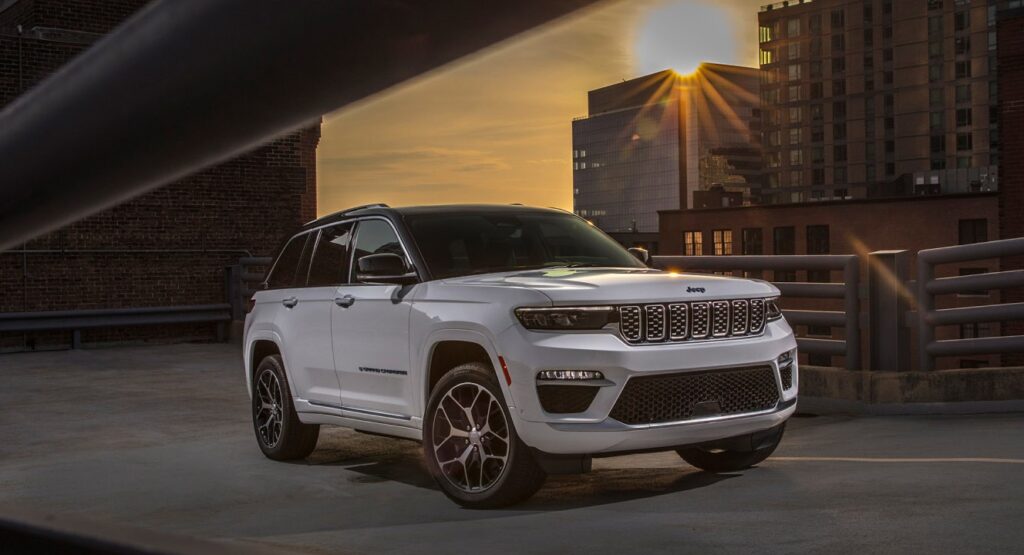
How Much Oil Jeep Grand Cherokee Needs: Complete Oil Capacity Guide

When we talk about maintaining a Jeep Grand Cherokee, oil is the lifeblood flowing through the engine. Yet one of the most common questions drivers ask is surprisingly simple: how much oil does a Jeep Grand Cherokee need? The answer is not always straightforward because oil capacity changes depending on the engine, model year, and trim level.
Think of engine oil like coffee for your SUV. Too little, and the engine becomes sluggish and stressed. Too much, and things can get messy under pressure. Finding the perfect balance is what keeps the Grand Cherokee running smoothly mile after mile.
In this complete guide, we’ll break down everything you need to know about Jeep Grand Cherokee oil capacity, oil types, change intervals, warning signs, maintenance tips, and more.
Content in this publication
- Why Oil Capacity Matters in a Jeep Grand Cherokee
- How Much Oil Does a Jeep Grand Cherokee Take?
- Understanding Jeep Grand Cherokee Engine Variations
- 3.6L Pentastar V6 Oil Capacity
- 5.7L HEMI Oil Capacity
- 6.4L SRT and Trackhawk Oil Capacity
- EcoDiesel Jeep Grand Cherokee Oil Capacity
- Oil Capacity by Jeep Grand Cherokee Generation
- How to Check Oil Level Correctly
- Signs Your Jeep Grand Cherokee Needs an Oil Change
- How Often Should You Change Jeep Grand Cherokee Oil?
- Best Oil Brands for Jeep Grand Cherokee
- Can You Put Too Much Oil in a Jeep Grand Cherokee?
- Synthetic vs Conventional Oil for Jeep Grand Cherokee
- How to Change Oil in a Jeep Grand Cherokee
- Jeep Grand Cherokee Oil Filter Importance
- Oil Consumption in Jeep Grand Cherokee Models
- Cold Weather and Jeep Grand Cherokee Oil
- Towing and Heavy-Duty Driving Considerations
- Common Jeep Grand Cherokee Oil Leak Areas
- Resetting the Oil Change Light
- How Oil Quality Affects Engine Life
- Should You Trust the Oil Life Monitor?
- Final Thoughts on Jeep Grand Cherokee Oil Capacity
- FAQs
Why Oil Capacity Matters in a Jeep Grand Cherokee
Oil does far more than simply lubricate engine components. It also:
- Reduces friction
- Controls engine temperature
- Prevents sludge buildup
- Protects moving metal parts
- Improves fuel efficiency
- Extends engine life
Using the wrong amount of oil can create serious problems. Underfilling may starve critical components, while overfilling can increase crankshaft pressure and damage seals.
That’s why understanding the exact oil capacity for your specific Grand Cherokee engine is essential.
How Much Oil Does a Jeep Grand Cherokee Take?
The oil capacity of a Jeep Grand Cherokee varies based on engine size and generation.
Here’s a quick overview of common engines and their approximate oil capacities.
| Engine | Oil Capacity |
|---|---|
| 3.6L Pentastar V6 | 5 quarts |
| 5.7L HEMI V8 | 7 quarts |
| 6.4L V8 SRT | 7 quarts |
| 6.2L Supercharged Hellcat | 7 quarts |
| 3.0L EcoDiesel V6 | 9 quarts |
| 4.7L V8 | 6 quarts |
| 4.0L Inline-6 | 6 quarts |
These numbers usually include the oil filter replacement.
Understanding Jeep Grand Cherokee Engine Variations
Not all Grand Cherokees are created equal. Over the years, Jeep introduced multiple powertrains ranging from fuel-efficient V6 engines to roaring V8 monsters.
Older Jeep Grand Cherokee Engines
Earlier generations often used:
- 4.0L inline-six
- 4.7L V8
- 5.2L V8
- 5.9L V8
These engines typically needed between 5 and 6 quarts of oil.
Modern Jeep Grand Cherokee Engines
Newer models feature advanced engines such as:
- 3.6L Pentastar V6
- 5.7L HEMI
- 6.4L SRT
- 3.0L EcoDiesel
These engines generally require more precise oil specifications and synthetic oils.
3.6L Pentastar V6 Oil Capacity
The 3.6L Pentastar is one of the most common Jeep Grand Cherokee engines.
How Much Oil Does the 3.6 Pentastar Need?
The 3.6L Pentastar V6 typically requires:
- 5 quarts of synthetic oil
- Oil filter included
This engine is known for balancing performance and fuel economy, making it popular across many Jeep models.
Best Oil Type for the 3.6L Pentastar
Recommended oil viscosity:
- SAE 0W-20 full synthetic
Using high-quality synthetic oil helps protect timing chain components and reduces wear during cold starts.
5.7L HEMI Oil Capacity
The legendary HEMI V8 brings muscle-car energy to the Grand Cherokee.
Oil Capacity for the 5.7 HEMI
The 5.7L HEMI generally requires:
- 7 quarts of oil
- Filter replacement included
Recommended Oil for HEMI Engines
Jeep commonly recommends:
- SAE 5W-20 synthetic blend or full synthetic
The HEMI engine produces significant heat, so premium oil is especially important.
6.4L SRT and Trackhawk Oil Capacity
Performance versions of the Grand Cherokee are a different beast entirely.
6.4L SRT Oil Capacity
The 6.4L V8 usually needs:
- 7 quarts of synthetic oil
6.2L Supercharged Trackhawk Oil Capacity
The Hellcat-powered Trackhawk also typically takes:
- 7 quarts
These engines thrive on high-performance synthetic oil because of their massive horsepower output.
Driving a Trackhawk without quality oil is like sprinting a marathon in flip-flops. Technically possible, but painfully unwise.
EcoDiesel Jeep Grand Cherokee Oil Capacity
Diesel engines need more oil than gasoline engines.
3.0L EcoDiesel Oil Capacity
The EcoDiesel V6 usually requires:
- 8 to 9 quarts of oil
Best Oil for EcoDiesel Engines
Recommended viscosity:
- SAE 5W-40 full synthetic diesel oil
Diesel engines generate higher compression and soot levels, making oil quality even more important.
Oil Capacity by Jeep Grand Cherokee Generation
WK Generation (2005–2010)
Common capacities:
You may be interested in reading Toyota 4Runner Engine Options
- 3.7L V6: around 5 quarts
- 4.7L V8: around 6 quarts
- 5.7L HEMI: around 7 quarts
WK2 Generation (2011–2021)
Common capacities:
- 3.6L Pentastar: 5 quarts
- 5.7L HEMI: 7 quarts
- EcoDiesel: 8–9 quarts
WL Generation (2022–Present)
Modern Grand Cherokees continue using:
- 3.6L V6
- 5.7L HEMI
- Plug-in hybrid 4xe systems
Always verify your exact trim and engine before adding oil.
How to Check Oil Level Correctly
Checking oil sounds simple, but many drivers do it incorrectly.
Proper Steps to Check Engine Oil
- Park on level ground
- Turn off the engine
- Wait 5–10 minutes
- Pull out the dipstick
- Wipe it clean
- Reinsert completely
- Pull it out again
- Read the oil level
The oil should sit between the MIN and MAX indicators.
Signs Your Jeep Grand Cherokee Needs an Oil Change
Ignoring oil maintenance is like ignoring a smoke detector. The problem rarely improves on its own.
Common Warning Signs
Dark or Dirty Oil
Fresh oil is amber-colored. Dirty oil becomes black and gritty.
Engine Noise
Knocking or ticking sounds may indicate poor lubrication.
Oil Warning Light
Never ignore dashboard oil warnings.
Burning Smell
Overheated or leaking oil often creates a burnt odor.
Poor Fuel Economy
Old oil increases engine resistance and reduces efficiency.
How Often Should You Change Jeep Grand Cherokee Oil?
Oil change intervals depend on:
- Engine type
- Driving habits
- Oil quality
- Climate conditions
Typical Oil Change Intervals
| Oil Type | Recommended Interval |
|---|---|
| Conventional Oil | 3,000–5,000 miles |
| Synthetic Blend | 5,000–7,500 miles |
| Full Synthetic | 7,500–10,000 miles |
Modern Jeep engines typically perform best with full synthetic oil.
Best Oil Brands for Jeep Grand Cherokee
Choosing quality oil matters almost as much as choosing the correct amount.
Popular Oil Brands
- Mobil 1
- Pennzoil Ultra Platinum
- Valvoline Advanced Full Synthetic
- Castrol EDGE
- Royal Purple
These brands provide strong heat protection and sludge resistance.
Can You Put Too Much Oil in a Jeep Grand Cherokee?
Yes — and it happens more often than people think.
Overfilling engine oil can cause:
- Foaming oil
- Increased pressure
- Damaged seals
- Oil leaks
- Catalytic converter damage
Even an extra quart can create problems.
What Happens If Oil Is Too Low?
Low oil levels can lead to:
- Engine overheating
- Premature wear
- Timing chain damage
- Complete engine failure
Engines are surprisingly tough, but without enough oil, they become ticking time bombs.
Synthetic vs Conventional Oil for Jeep Grand Cherokee
Why Synthetic Oil Wins
Synthetic oil offers:
- Better cold-weather protection
- Higher heat resistance
- Cleaner engine operation
- Longer lifespan
- Improved performance
Most newer Jeep Grand Cherokee engines are designed around synthetic oil.
Is Conventional Oil Still Acceptable?
Older engines may still use conventional oil, but synthetic usually delivers superior protection.
How to Change Oil in a Jeep Grand Cherokee
Changing oil yourself can save money and help you better understand your SUV.
Basic Tools Needed
- Oil filter wrench
- Socket set
- Drain pan
- Funnel
- Jack and stands
- Correct oil type
- Replacement filter
Basic Oil Change Process
Step 1: Warm the Engine
Warm oil drains more easily.
Step 2: Remove Drain Plug
Drain old oil completely.
Step 3: Replace Oil Filter
Always change the filter with the oil.
Step 4: Reinstall Drain Plug
Tighten carefully without overtorquing.
Step 5: Add New Oil
Pour the correct amount slowly.
Step 6: Check Oil Level
Use the dipstick to confirm accuracy.
Jeep Grand Cherokee Oil Filter Importance
Oil filters are the silent guardians of the engine.
A quality filter traps:
- Dirt
- Metal particles
- Sludge
- Carbon deposits
Cheap filters may collapse internally or allow contaminants to circulate.
You may be interested in readingToyota 4Runner Engine OptionsYou may be interested in reading
Toyota 4Runner Gas Tank SizeRecommended Oil Filters
Common trusted brands include:
- Mopar
- Wix
- Fram Ultra
- K&N
- Mobil 1
Using OEM-style filters often provides the best fit and reliability.
Oil Consumption in Jeep Grand Cherokee Models
Some Grand Cherokee engines naturally consume small amounts of oil.
Normal Oil Consumption
A small amount between oil changes can be normal, especially in:
- High-mileage engines
- HEMI engines
- Performance models
Excessive Oil Consumption Signs
Watch for:
- Blue exhaust smoke
- Frequent top-offs
- Oil puddles
- Burning smell
If oil disappears rapidly, internal engine wear may be the culprit.
Cold Weather and Jeep Grand Cherokee Oil
Cold temperatures thicken oil dramatically.
That’s why low-viscosity oils like 0W-20 are recommended for many modern Grand Cherokees.
Winter Oil Benefits
Proper winter oil improves:
- Cold starts
- Fuel efficiency
- Lubrication speed
- Engine longevity
Cold starts are when engines experience the most wear, almost like athletes stretching stiff muscles before a sprint.
Towing and Heavy-Duty Driving Considerations
Drivers who tow trailers or climb steep terrain should pay extra attention to oil condition.
Heavy-Duty Driving Increases Oil Stress
Towing creates:
- Higher engine temperatures
- Increased friction
- Faster oil degradation
Recommended Practices
For towing-heavy drivers:
- Use premium synthetic oil
- Check levels frequently
- Shorten oil intervals
- Monitor engine temperature
The Grand Cherokee is built for adventure, but even adventurers need hydration.
Common Jeep Grand Cherokee Oil Leak Areas
Oil leaks can appear in several common spots.
Frequent Leak Locations
- Valve cover gaskets
- Oil filter housing
- Oil pan gasket
- Rear main seal
- Drain plug
The 3.6L Pentastar engine is especially known for oil filter housing leaks over time.
Resetting the Oil Change Light
After changing oil, the maintenance reminder usually needs resetting.
Typical Reset Procedure
- Turn ignition to ON
- Press accelerator pedal slowly three times
- Turn ignition OFF
- Restart vehicle
Procedures may vary slightly by model year.
How Oil Quality Affects Engine Life
Engines live or die by lubrication quality.
Cheap or neglected oil accelerates:
- Bearing wear
- Sludge buildup
- Heat damage
- Internal corrosion
Meanwhile, quality synthetic oil acts like armor plating inside the engine.
A well-maintained Jeep Grand Cherokee can exceed 200,000 miles with proper oil care.
Should You Trust the Oil Life Monitor?
Modern Grand Cherokees often include oil life monitoring systems.
These systems calculate oil condition based on:
- Temperature
- Engine load
- Driving style
- Idle time
When to Change Earlier
Even with oil monitors, consider earlier changes if you:
- Tow regularly
- Drive off-road
- Face extreme temperatures
- Make short trips often
Technology helps, but common sense still matters.
Final Thoughts on Jeep Grand Cherokee Oil Capacity
Understanding how much oil a Jeep Grand Cherokee needs is more important than many drivers realize. The correct oil level protects the engine, improves efficiency, and helps avoid catastrophic repairs.
Whether you drive a practical 3.6L Pentastar, a thunderous HEMI V8, or a diesel-powered adventure machine, proper oil maintenance keeps everything running smoothly.
Oil may seem simple, but inside your engine it behaves like a protective river flowing through a mechanical canyon. Keep that river clean, full, and moving correctly, and your Grand Cherokee will reward you with years of reliable performance.
FAQs
How many quarts of oil does a Jeep Grand Cherokee 3.6 take?
Most 3.6L Pentastar Jeep Grand Cherokee models take approximately 5 quarts of oil with a filter change.
What type of oil does a Jeep Grand Cherokee use?
Most modern models use full synthetic oil, commonly SAE 0W-20 or 5W-20 depending on the engine.
How often should I change Jeep Grand Cherokee oil?
Most synthetic oil changes should occur every 7,500 to 10,000 miles, depending on driving conditions.
Can I use synthetic oil in an older Jeep Grand Cherokee?
Yes, synthetic oil is generally safe and often beneficial for older engines unless otherwise specified.
You may be interested in readingToyota 4Runner Engine OptionsYou may be interested in reading
Toyota 4Runner Gas Tank SizeYou may be interested in reading
Toyota 4Runner Gas Type: Everything We Need to Know Before Filling UpWhat happens if I overfill engine oil?
Overfilling can cause pressure buildup, foaming, leaks, and possible engine damage.
If you want to know other articles similar to How Much Oil Jeep Grand Cherokee Needs: Complete Oil Capacity Guide you can visit the category Service and Parts.
Vauxhall Meriva Engine Management Light: Causes, Checks, and Fixes
Vauxhall Meriva Key Fob Replacement: Complete Guide
Vauxhall Meriva Tyre Size: Complete Fitment Guide
Vauxhall Meriva Engine Light: Causes, Diagnosis, and Fixes
Vauxhall Meriva Engine Oil: Complete Selection and Maintenance Guide
Vauxhall Meriva Code 82 Reset: Meaning, Steps, and Fixes
Leave a Reply
More content of your interest