

Why Do Jeep Grand Cherokees Last Long?

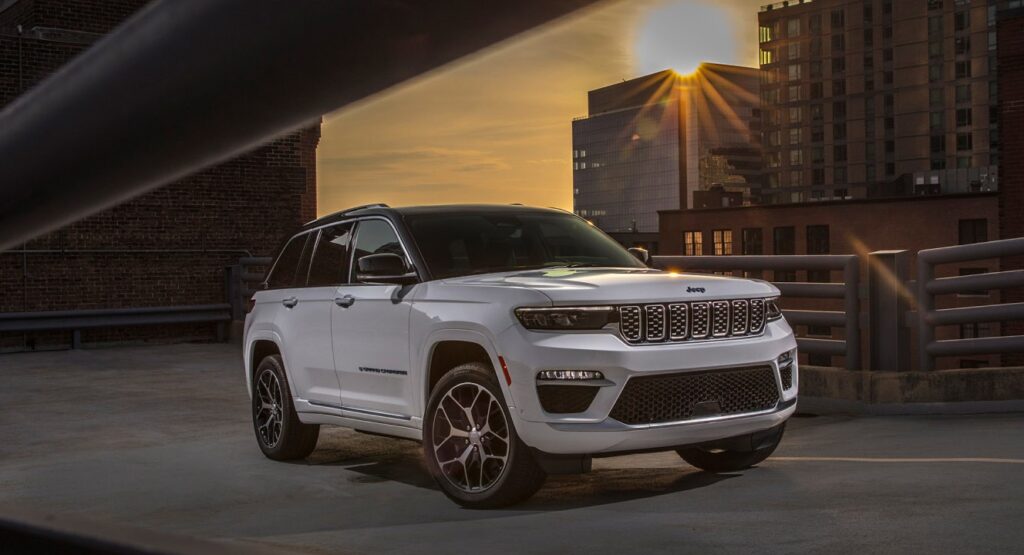
The Jeep Grand Cherokee has earned a reputation that stretches far beyond rugged styling and off-road adventures. We see them everywhere — on mountain roads, city streets, muddy trails, and even still running strong after crossing the 200,000-mile mark. That raises an interesting question: why do Jeep Grand Cherokees last long when many SUVs fade away much earlier?
The answer is not a single magical ingredient. It is more like a carefully layered recipe. Strong engines, durable drivetrains, body-on-frame-inspired toughness, loyal owners, and decades of engineering evolution all play a role. Some vehicles age like paper. Others age like leather boots that somehow look better after years of storms and scratches. The Grand Cherokee belongs closer to the second category.
In this guide, we will explore exactly what makes these SUVs survive for so many years, what owners do right, which generations proved toughest, and how maintenance habits can transform a Jeep from “just another SUV” into a machine that refuses to quit.
Content in this publication
- The Jeep Grand Cherokee Was Built With Longevity in Mind
- Legendary Engines Help the Grand Cherokee Survive
- Jeep Uses Proven Mechanical Components
- The Grand Cherokee Has Real SUV DNA
- Owners Tend to Maintain Them Better
- Regular Maintenance Is the Secret Ingredient
- The Grand Cherokee Ages Gracefully
- Jeep’s Four-Wheel-Drive Systems Are Extremely Durable
- Parts Availability Keeps Them Alive
- Mechanics Know Them Extremely Well
- The Simplicity of Older Models Increased Reliability
- Certain Grand Cherokee Generations Are Especially Durable
- Driving Style Plays a Massive Role
- Rust Prevention Helps Older Grand Cherokees Survive
- Jeep Owners Build Strong Communities
- Aftermarket Support Is Enormous
- Modern Grand Cherokees Blend Luxury and Toughness
- Fuel Economy Improvements Help Ownership Longevity
- Why Some Grand Cherokees Do Not Last Long
- Mileage Expectations for a Jeep Grand Cherokee
- Signs a Grand Cherokee Will Last a Long Time
- How to Make a Jeep Grand Cherokee Last Longer
- The Emotional Factor Behind Grand Cherokee Longevity
- Final Thoughts
- FAQs
The Jeep Grand Cherokee Was Built With Longevity in Mind
Some SUVs are designed mainly for comfort. Others focus only on speed or fuel economy. The Jeep Grand Cherokee sits in a different lane entirely.
From the beginning, Jeep engineered the Grand Cherokee to handle:
- Rough roads
- Towing loads
- Harsh weather
- Off-road terrain
- Long-distance travel
- Heavy daily use
That matters because vehicles built for stress tend to last longer under normal conditions. It is like buying hiking boots and only using them for city walks. They age slowly because they were designed for much tougher punishment.
Modern Grand Cherokees especially combine:
- Strong chassis engineering
- Durable powertrains
- Proven transmissions
- Advanced suspension systems
- Reinforced driveline components
This gives them a structural advantage over softer crossover SUVs.
Legendary Engines Help the Grand Cherokee Survive
The 4.0L Inline-6 Became Almost Immortal
If there is one engine responsible for Jeep’s durability legend, it is the famous 4.0-liter inline-6 engine.
Owners often describe it like an old farm tractor:
- Not the fastest
- Not the smoothest
- Not the quietest
- But nearly impossible to kill
These engines were known for:
- Simple construction
- Strong iron blocks
- Low-stress tuning
- Minimal electronics
- Excellent heat tolerance
Many crossed:
- 250,000 miles
- 300,000 miles
- Even 400,000 miles with proper care
That kind of durability builds a reputation that echoes for decades.
The HEMI V8 Adds Power Without Sacrificing Durability
The Jeep Grand Cherokee also became famous for its HEMI V8 engines.
These engines deliver:
- Strong towing ability
- Smooth highway cruising
- Excellent long-term strength
Why do they last?
Because they are not pushed to their absolute limit from the factory. Jeep tunes them conservatively enough to maintain reliability while still giving drivers impressive performance.
Think of it like an athlete pacing themselves during a marathon instead of sprinting the first mile.
Jeep Uses Proven Mechanical Components
One overlooked reason the Grand Cherokee lasts long is that Jeep often relies on tested technology instead of reinventing everything every few years.
That matters tremendously.
Some automakers chase trendy engineering ideas that look exciting on paper but create reliability nightmares later. Jeep has often preferred:
- Proven transmissions
- Mature engine platforms
- Familiar drivetrain systems
- Long-used suspension designs
This approach reduces unexpected failures.
In the automotive world, reliability frequently comes from repetition and refinement rather than flashy innovation.
The Grand Cherokee Has Real SUV DNA
Built Tougher Than Many Crossovers
Many modern SUVs are essentially lifted cars. They look rugged but were never truly designed for abuse.
The Jeep Grand Cherokee is different.
Even newer generations preserve:
- Heavy-duty suspension components
- Strong driveline systems
- Reinforced chassis engineering
- Advanced 4x4 hardware
This gives the vehicle long-term resilience.
When a suspension system is designed to survive rocky trails, potholes feel much less destructive.
Off-Road Engineering Improves Longevity
Ironically, off-road capability often helps durability.
Why?
Because Jeep engineers must prepare components for:
- Extreme articulation
- Water crossings
- Mud exposure
- Sharp impacts
- Uneven surfaces
That toughness carries over into daily driving.
A Grand Cherokee commuting through city traffic is often operating well below its maximum capability.
Owners Tend to Maintain Them Better
This is a surprisingly important factor.
Jeep Grand Cherokee owners are often emotionally connected to their vehicles. That changes maintenance behavior dramatically.
People who love their SUVs are more likely to:
- Change fluids on time
- Fix small issues early
- Replace worn components
- Use quality parts
- Follow maintenance schedules
A neglected vehicle of any brand can fail early.
But a well-maintained Grand Cherokee can become astonishingly durable.
Regular Maintenance Is the Secret Ingredient
Oil Changes Make an Enormous Difference
Ask mechanics what kills engines early, and the answer usually sounds boring:
“Poor maintenance.”
Routine oil changes matter more than many drivers realize.
Fresh oil:
- Reduces internal friction
- Prevents sludge buildup
- Protects moving parts
- Controls engine temperature
Skipping oil changes slowly turns an engine into a grinding metal machine.
Many long-lasting Grand Cherokees survived simply because owners respected maintenance intervals.
Transmission Care Extends Lifespan Dramatically
Modern transmissions are expensive and complicated. Yet many failures happen because owners ignore fluid maintenance.
A healthy transmission needs:
- Clean fluid
- Proper cooling
- Smooth shifting behavior
- Routine inspections
Drivers who service the transmission properly often see Grand Cherokees last far beyond expectations.
You may be interested in reading Toyota 4Runner Different Models: A Complete Guide to Every Trim and Version
The Grand Cherokee Ages Gracefully
Some vehicles begin falling apart cosmetically after a few years:
- Cracked interiors
- Fading paint
- Loose trim
- Worn seats
The Jeep Grand Cherokee generally ages better than many competitors, especially higher trims.
Interior Materials Hold Up Well
Leather seats, dashboard materials, and switchgear in many Grand Cherokees remain surprisingly solid after years of use.
That matters psychologically.
When a vehicle still feels solid inside, owners are more likely to keep repairing it instead of replacing it.
Exterior Design Ages Slowly
Another subtle reason Grand Cherokees stay on the road longer is their timeless styling.
Many SUVs quickly look outdated. The Grand Cherokee usually maintains a muscular, modern appearance for years.
Owners continue investing in them because they do not feel “old” visually.
Jeep’s Four-Wheel-Drive Systems Are Extremely Durable
Quadra-Drive and Quadra-Trac Systems Help Longevity
Jeep invested heavily in advanced four-wheel-drive systems.
These systems are engineered for:
- Harsh terrain
- Torque distribution
- Long-term durability
- Heavy mechanical stress
Strong driveline components reduce strain during difficult driving conditions.
That protects:
- Axles
- Differentials
- Transfer cases
- Transmission components
Parts Availability Keeps Them Alive
One huge advantage of the Jeep Grand Cherokee is how easy it is to find parts.
Even older models benefit from:
- Massive aftermarket support
- Affordable replacement parts
- Large mechanic familiarity
- Strong enthusiast communities
That matters because some vehicles die simply because repairs become impossible or too expensive.
Grand Cherokees stay repairable for years.
Mechanics Know Them Extremely Well
There is comfort in familiarity.
Since Grand Cherokees have been popular for decades:
- Most mechanics understand them
- Diagnostic information is everywhere
- Repair tutorials are abundant
- Common issues are well documented
This lowers repair complexity and costs.
A vehicle becomes easier to keep alive when thousands of technicians already know its weak points.
The Simplicity of Older Models Increased Reliability
Fewer Electronics Meant Fewer Failures
Older Grand Cherokees, especially models from the 1990s and early 2000s, had simpler systems compared to modern vehicles.
Less complexity means:
- Fewer sensors
- Fewer software problems
- Fewer electrical failures
- Easier repairs
That simplicity contributed heavily to their legendary lifespan.
Modern vehicles are often computers on wheels. Older Jeeps felt more mechanical and straightforward.
Mechanical Durability Beat Technological Complexity
The older philosophy focused on:
- Thick metal components
- Strong drivetrains
- Basic but durable engineering
Many enthusiasts still prefer these generations because they are easier to maintain long-term.
Certain Grand Cherokee Generations Are Especially Durable
The ZJ Generation Built Jeep’s Reputation
The early ZJ models became famous for toughness.
Owners loved:
- Strong inline-6 engines
- Simple mechanical layouts
- Rugged suspension systems
Many still remain on the road today despite their age.
The WJ Generation Improved Refinement
The WJ generation balanced:
- Comfort
- Reliability
- Off-road capability
It refined the formula without sacrificing durability.
The WK2 Became One of the Best Modern Generations
Many enthusiasts consider the WK2 generation among the best Grand Cherokees ever built.
Why?
Because it combined:
- Modern technology
- Strong engine options
- Comfortable interiors
- Proven drivetrains
It felt premium without becoming excessively fragile.
Driving Style Plays a Massive Role
Even the toughest SUV can die young under abuse.
Aggressive driving habits shorten lifespan:
- Hard acceleration
- Heavy towing without maintenance
- Off-roading without inspections
- Ignoring warning lights
Meanwhile, smooth driving dramatically reduces wear.
Think about two runners:
- One sprints every mile
- The other keeps a steady pace
The second runner lasts longer.
Vehicles work the same way.
Rust Prevention Helps Older Grand Cherokees Survive
Rust Is the Silent Killer
In colder climates, rust destroys more vehicles than engine failures.
Owners who:
- Wash the undercarriage
- Apply rust protection
- Repair paint damage early
often extend the SUV’s life significantly.
A healthy engine means little if the frame dissolves underneath it.
Jeep Owners Build Strong Communities
One fascinating reason Grand Cherokees stay alive longer is the strength of Jeep culture itself.
You may be interested in readingToyota 4Runner Different Models: A Complete Guide to Every Trim and VersionYou may be interested in reading
Toyota 4Runner Reliability By YearOwners share:
- Repair guides
- DIY tutorials
- Maintenance tips
- Troubleshooting advice
- Upgrade recommendations
This collective knowledge helps even inexperienced owners maintain older vehicles successfully.
It is almost like thousands of people are working together to keep these SUVs alive.
Aftermarket Support Is Enormous
Replacement Parts Are Everywhere
The aftermarket ecosystem around the Jeep Grand Cherokee is massive.
Drivers can easily find:
- Suspension kits
- Engine components
- Sensors
- Body panels
- Interior replacements
That keeps repair costs manageable.
Customization Encourages Long-Term Ownership
People often personalize their Grand Cherokees with:
- Lift kits
- Off-road tires
- Roof racks
- Performance upgrades
Once owners emotionally invest in a vehicle, they are less likely to abandon it.
That emotional connection extends lifespan indirectly.
Modern Grand Cherokees Blend Luxury and Toughness
One reason newer Grand Cherokees remain attractive long-term is their balance between comfort and capability.
They offer:
- Quiet cabins
- Advanced technology
- Premium materials
- Strong towing ability
- Off-road confidence
That versatility keeps owners satisfied longer.
Instead of replacing the vehicle quickly, many drivers simply continue maintaining it.
Fuel Economy Improvements Help Ownership Longevity
Older SUVs often became financially painful to keep.
Newer Grand Cherokees improved:
- Engine efficiency
- Transmission tuning
- Aerodynamics
This makes long-term ownership more realistic.
A vehicle that drains your wallet at every fuel stop becomes harder to justify keeping.
Why Some Grand Cherokees Do Not Last Long
To be fair, not every Grand Cherokee becomes a legend.
Some fail early because of:
- Neglected maintenance
- Cheap replacement parts
- Electrical issues
- Poor driving habits
- Overheating
- Transmission neglect
No vehicle is indestructible.
The difference is that the Grand Cherokee has the engineering foundation to survive when treated properly.
Mileage Expectations for a Jeep Grand Cherokee
A properly maintained Jeep Grand Cherokee commonly reaches:
- 200,000 miles
- 250,000 miles
- Sometimes 300,000+ miles
Key factors include:
- Maintenance history
- Climate conditions
- Driving style
- Engine choice
- Repair quality
Some owners even pass these SUVs down through generations.
That says everything.
Signs a Grand Cherokee Will Last a Long Time
When buying a used Grand Cherokee, look for:
- Complete maintenance records
- Smooth shifting transmission
- Minimal rust
- Stable idle
- Clean interior condition
- Consistent oil changes
A cared-for Jeep usually reveals itself quickly.
Neglect leaves fingerprints everywhere.
How to Make a Jeep Grand Cherokee Last Longer
Best Practices for Longevity
To maximize lifespan:
- Change oil consistently
- Service the transmission
- Monitor cooling systems
- Rotate tires regularly
- Wash underneath during winter
- Address warning lights immediately
- Use quality replacement parts
Small habits create huge long-term results.
Preventive Maintenance Beats Major Repairs
Waiting until something breaks is expensive.
Preventive maintenance:
- Saves money
- Reduces breakdowns
- Preserves resale value
- Extends component lifespan
The healthiest Grand Cherokees are usually the ones owners never ignored.
The Emotional Factor Behind Grand Cherokee Longevity
Here is something people rarely discuss: drivers simply love these SUVs.
That emotional attachment matters.
Vehicles people enjoy tend to receive:
- Better care
- Faster repairs
- More upgrades
- Longer ownership
The Grand Cherokee has personality. It feels adventurous, capable, and confident. That emotional identity encourages owners to preserve them instead of replacing them quickly.
A boring appliance gets discarded.
A beloved SUV gets restored.
Final Thoughts
So, why do Jeep Grand Cherokees last long?
Because they combine rugged engineering, durable powertrains, strong driveline systems, massive aftermarket support, and passionate ownership. They were built to endure difficult conditions, and when owners respect maintenance schedules, these SUVs can survive for hundreds of thousands of miles.
The secret is not magic. It is a combination of smart engineering and responsible care.
A Jeep Grand Cherokee is like a well-crafted compass on a long expedition. It may gather scratches, dust, and stories over time, but it keeps pointing forward long after many other vehicles have disappeared from the road.
FAQs
How many miles can a Jeep Grand Cherokee last?
A well-maintained Jeep Grand Cherokee can often last between 200,000 and 300,000 miles, depending on maintenance habits and driving conditions.
Which Jeep Grand Cherokee engine lasts the longest?
The 4.0L inline-6 engine is widely considered one of the most durable engines ever used in a Grand Cherokee due to its simple and rugged design.
Are Jeep Grand Cherokees expensive to maintain?
Maintenance costs are moderate compared to many midsize SUVs. Routine servicing helps avoid expensive long-term repairs.
You may be interested in readingToyota 4Runner Different Models: A Complete Guide to Every Trim and VersionYou may be interested in reading
Toyota 4Runner Reliability By YearYou may be interested in reading
How Long Do Toyota 4Runner Last? The Truth About 4Runner LongevityDo Grand Cherokees have transmission problems?
Some generations experienced transmission issues, but regular fluid changes and proper maintenance significantly improve reliability.
Is the Jeep Grand Cherokee reliable for long road trips?
Yes. Many owners use Grand Cherokees for towing, off-road travel, and long-distance driving thanks to their comfortable ride and durable engineering.
If you want to know other articles similar to Why Do Jeep Grand Cherokees Last Long? you can visit the category Blog.
Land Rover Defender 90 Reliability: How Dependable Is It Really?
How Long Will a Subaru XV Last? Mileage, Lifespan, and Reliability Explained
Is Subaru XV a Good Car? An Honest Look at Reliability, Comfort, AWD and Ownership
Is Mazda CX-9 a Luxury Car? A Surprisingly Complicated Answer
How to Charge Leapmotor C10: Complete Charging Guide
Is Leapmotor C10 a Good Car? Full Review and Buyer’s Guide
Leave a Reply
More content of your interest