

Toyota 4Runner Reliability By Year

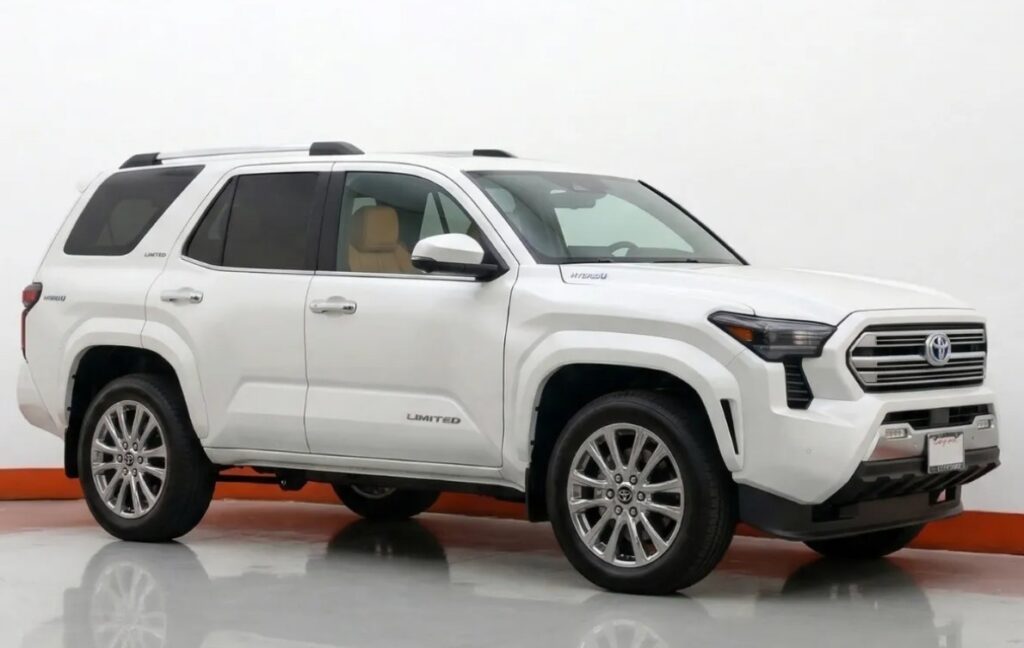
The Toyota 4Runner has built a reputation that feels almost mythical in the SUV world. Mention it in a conversation about dependable vehicles, and someone will inevitably say, “Those things run forever.” But here’s the twist: not every model year is equally bulletproof.
Some years are legendary. Others? Let’s just say they keep mechanics busy.
If we are shopping for a used 4Runner, reliability by year matters more than flashy trims, giant tires, or aggressive roof racks. One model might cruise past 300,000 miles with little more than oil changes, while another could surprise us with rust problems, transmission headaches, or electronic gremlins that nibble away at our wallet like termites in an old cabin.
In this guide, we will break down the best and worst Toyota 4Runner years, common issues by generation, maintenance expectations, and what makes this SUV one of the kings of long-term reliability.
Content in this publication
- Why The Toyota 4Runner Has Such A Strong Reliability Reputation
- Understanding Toyota 4Runner Generations
- Most Reliable Toyota 4Runner Years
- Toyota 4Runner Years To Avoid
- Best Toyota 4Runner Engine For Reliability
- Common Toyota 4Runner Problems By Generation
- Toyota 4Runner Reliability Compared To Competitors
- How Long Does A Toyota 4Runner Last?
- Maintenance Habits That Improve 4Runner Reliability
- Is A High-Mileage Toyota 4Runner Worth Buying?
- Best Used Toyota 4Runner Years To Buy Today
- Should We Buy A Toyota 4Runner New Or Used?
- Why Toyota Rarely Reinvents The 4Runner
- The Hidden Reason 4Runner Owners Stay Loyal
- Is The Toyota 4Runner Still One Of The Most Reliable SUVs Ever Made?
- Conclusion
- FAQs
Why The Toyota 4Runner Has Such A Strong Reliability Reputation
There’s a reason the 4Runner refuses to disappear even while crossovers dominate modern roads.
Toyota built it with old-school engineering principles:
- Body-on-frame construction
- Naturally aspirated engines
- Proven transmissions
- Minimal turbo complexity
- Durable suspension systems
In a world filled with delicate electronics and overcomplicated drivetrains, the 4Runner feels like a cast-iron skillet. It may not be trendy, but it keeps working year after year.
Many owners report:
- 250,000+ miles with original engines
- Minimal drivetrain failures
- Low long-term ownership costs
- Excellent off-road durability
That consistency is the heartbeat of the 4Runner legacy.
Understanding Toyota 4Runner Generations
Before diving into reliability by year, we should understand the generations because reliability patterns often follow generational changes.
First Generation (1984–1989)
The original 4Runner was essentially a rugged pickup truck with a removable rear shell.
Highlights:
- Extremely durable
- Simple mechanics
- Excellent off-road capability
Weaknesses:
- Rust
- Aging components
- Basic safety standards
These are collector vehicles now rather than ideal daily drivers.
Second Generation (1990–1995)
Toyota transformed the 4Runner into a more family-oriented SUV.
Strengths:
- Better ride comfort
- Improved cabin design
Weaknesses:
- Head gasket issues on 3.0L V6 models
- Rust concerns
The infamous 3VZ-E engine earned a reputation for head gasket failures that still scares buyers today.
Third Generation (1996–2002)
Many enthusiasts consider this the sweet spot.
Why?
Because Toyota nailed the balance between:
- Simplicity
- Reliability
- Comfort
- Off-road capability
The 3rd-gen 4Runner became the golden child of durability.
Fourth Generation (2003–2009)
This generation introduced:
- More power
- Better interiors
- V8 engine options
But added complexity also introduced more potential issues.
Still, some years remain exceptionally reliable.
Fifth Generation (2010–2024)
The 5th-generation 4Runner is one of the longest-running modern SUV platforms.
Toyota kept refining instead of reinventing.
That conservative approach dramatically helped reliability.
Most Reliable Toyota 4Runner Years
Now let’s get into the years that truly shine.
1999 Toyota 4Runner
Many enthusiasts call the 1999 model the holy grail.
Why it stands out:
- Reliable 3.4L V6 engine
- Strong automatic transmission
- Excellent build quality
- Minimal electronic complexity
This year also benefited from mid-generation improvements without excessive modernization.
Common issues:
- Rust in snowy climates
- Lower ball joint wear
Still, a properly maintained 1999 4Runner can feel immortal.
2000 Toyota 4Runner
The 2000 model continued the magic.
Owners praise:
- Exceptional drivetrain durability
- Smooth ride quality
- Low maintenance costs
The engine is known to routinely exceed 300,000 miles when maintained properly.
That’s not reliability anymore. That’s mechanical stubbornness.
2008 Toyota 4Runner
By 2008, Toyota had refined the fourth generation significantly.
Benefits:
- Mature platform
- Fewer early-generation bugs
- Available V8 reliability
- Strong towing capability
The optional 4.7L V8 deserves special praise because it’s one of Toyota’s most durable engines ever built.
2014 Toyota 4Runner
The 2014 model marked an important refresh for the fifth generation.
Why it performs well:
- Proven 4.0L V6
- Updated styling
- Strong resale value
- Fewer major complaints
Toyota avoided drastic mechanical changes, which kept reliability stable.
2017 Toyota 4Runner
The 2017 model year is widely considered one of the safest bets in the used market.
Advantages:
- Mature fifth-generation platform
- Excellent reliability ratings
- Minimal drivetrain complaints
- Durable suspension components
This is the kind of SUV people buy once and keep for fifteen years.
Toyota 4Runner Years To Avoid
Even legends have rough chapters.
Some 4Runner years developed patterns of expensive issues.
You may be interested in reading How Long Do Toyota 4Runner Last? The Truth About 4Runner Longevity
1990–1995 Models With The 3.0L V6
These years are most infamous for:
- Head gasket failures
- Cooling system problems
- Reduced power
Toyota even faced significant criticism regarding these issues.
That doesn’t make every example bad, but buyers should proceed cautiously.
2003 Toyota 4Runner
First-year redesigns often carry risk.
The 2003 model introduced:
- New engines
- New electronics
- New suspension systems
Common complaints included:
- Transmission issues
- Dashboard cracks
- Electrical glitches
Not catastrophic, but less consistent than later years.
2004 Toyota 4Runner
The 2004 model improved slightly but still suffered from:
- Air injection pump failures
- Electrical concerns
- Premature wear in some components
Repair bills could escalate quickly.
2013 Toyota 4Runner
The 2013 model experienced:
- Some infotainment problems
- Interior quality complaints
- Occasional suspension concerns
It’s not disastrous, but later fifth-generation models tend to be safer long-term choices.
Best Toyota 4Runner Engine For Reliability
Engine choice matters enormously.
3.4L V6 (5VZ-FE)
Used in third-generation models, this engine is almost legendary.
Why people love it:
- Extremely durable
- Easy maintenance
- Minimal catastrophic failures
It’s the mechanical equivalent of a dependable hiking boot.
Not flashy. Just reliable.
4.7L V8 (2UZ-FE)
Found in fourth-generation 4Runners, this V8 is one of Toyota’s greatest engines.
Strengths:
- Smooth operation
- Excellent towing power
- Long lifespan
Many examples exceed 400,000 miles.
That’s entering “family heirloom” territory.
4.0L V6 (1GR-FE)
The modern reliability champion.
Advantages:
- Proven design
- Low maintenance needs
- Excellent durability
This engine powers most fifth-generation 4Runners and remains one of Toyota’s most trusted powerplants.
Common Toyota 4Runner Problems By Generation
No vehicle is perfect.
Understanding common issues helps us buy smarter.
Rust Problems
Rust is arguably the biggest enemy of older 4Runners.
Areas to inspect:
- Frame rails
- Rear suspension mounts
- Undercarriage
- Tailgate
A rust-free older 4Runner is worth significantly more.
Lower Ball Joint Failures
Third-generation models occasionally suffer lower ball joint wear.
Ignoring this can lead to:
- Suspension collapse
- Dangerous steering issues
Preventive replacement is highly recommended.
Air Injection Pump Failures
Some fourth-generation V8 models experience secondary air injection failures.
Symptoms include:
- Check engine lights
- Reduced performance
- Expensive repairs
Brake System Wear
Heavier SUVs naturally stress brake systems.
Some owners report:
- Premature rotor wear
- Brake caliper sticking
Routine maintenance helps tremendously.
Toyota 4Runner Reliability Compared To Competitors
The 4Runner consistently outperforms many rivals in long-term durability.
4Runner Vs Jeep Grand Cherokee
The Jeep Grand Cherokee offers:
- Better luxury
- More modern technology
- Strong engine variety
But the 4Runner usually wins in:
- Reliability
- Long-term ownership costs
- Resale value
4Runner Vs Ford Explorer
The Ford Explorer feels more car-like and refined.
However:
- Transmission reliability has historically been weaker
- Long-term durability trails the 4Runner
4Runner Vs Honda Pilot
The Honda Pilot provides:
- Better comfort
- Improved fuel economy
But the 4Runner remains superior for:
- Off-road use
- Heavy-duty durability
- High-mileage longevity
How Long Does A Toyota 4Runner Last?
This is where the 4Runner truly shines.
Average lifespan:
- 200,000–300,000 miles
With excellent maintenance:
- 350,000+ miles is realistic
Some owners even surpass 500,000 miles.
That kind of longevity changes how we think about ownership costs. A reliable SUV that lasts twenty years often becomes cheaper overall than replacing unreliable vehicles every few years.
You may be interested in readingHow Long Do Toyota 4Runner Last? The Truth About 4Runner LongevityYou may be interested in reading
 Is Chevrolet Tahoe a Good Car? The Full Truth About America’s Legendary SUV
Maintenance Habits That Improve 4Runner Reliability
Even the toughest SUV needs care.
Essential Maintenance Checklist
- Regular oil changes
- Transmission fluid servicing
- Cooling system inspections
- Differential fluid replacement
- Rust prevention treatments
Neglect turns reliable vehicles into unreliable ones surprisingly fast.
Why Preventive Maintenance Matters
Think of maintenance like brushing teeth.
Skipping it once won’t destroy everything.
Ignoring it for years? That’s where expensive pain begins.
Toyota engineered the 4Runner to endure abuse, but smart ownership dramatically extends lifespan.
Is A High-Mileage Toyota 4Runner Worth Buying?
In many cases, yes.
A 4Runner with:
- 180,000 miles
- Excellent service records
- Minimal rust
Can easily outlast another SUV with half the mileage but poor maintenance.
Mileage matters less than:
- Maintenance history
- Rust condition
- Previous ownership quality
That’s the secret many used-car shoppers miss.
Best Used Toyota 4Runner Years To Buy Today
If we want the best balance of price and reliability, these years stand out.
Top Budget Choice: 1999–2000
Why:
- Affordable
- Durable
- Simple mechanics
Ideal for:
- Off-road enthusiasts
- DIY owners
Best Overall Value: 2008–2009
Why:
- Mature fourth-generation design
- Excellent V8 option
- Better comfort than older models
Ideal for:
- Families
- Towing
- Long-distance travel
Best Modern Option: 2017–2021
Why:
- Outstanding reliability
- Updated technology
- Strong resale value
Ideal for:
- Daily drivers
- Long-term ownership
Should We Buy A Toyota 4Runner New Or Used?
That depends on priorities.
Buying New
Advantages:
- Warranty protection
- Latest safety features
- Zero maintenance history concerns
Disadvantages:
- Higher price
- Limited depreciation advantage
Buying Used
Advantages:
- Lower purchase cost
- Proven reliability records
- Better value retention
Disadvantages:
- Possible rust
- Unknown maintenance habits
For many buyers, a well-maintained used 4Runner is the smarter financial move.
Why Toyota Rarely Reinvents The 4Runner
Some people criticize the 4Runner for being outdated.
Ironically, that’s part of its brilliance.
Toyota understands something many automakers forget:
proven engineering reduces risk.
While competitors chase flashy redesigns and experimental technology, Toyota tends to evolve slowly.
That conservative strategy helps reliability flourish.
The 4Runner isn’t trying to be futuristic. It’s trying to survive.
And honestly? It succeeds spectacularly.
Reliability creates emotional attachment.
When a vehicle:
- Starts every morning
- Handles road trips effortlessly
- Survives snow, mud, and heat
- Rarely leaves us stranded
We trust it.
The 4Runner earns trust over time like an old friend who always answers the phone at 2 a.m.
That’s difficult to measure with charts or repair statistics, but it matters enormously.
Is The Toyota 4Runner Still One Of The Most Reliable SUVs Ever Made?
Absolutely.
Few SUVs combine:
- Long-term durability
- Off-road capability
- Simplicity
- Strong resale value
As effectively as the Toyota 4Runner.
Not every year is perfect, and smart buyers should absolutely avoid problematic model years. But overall, the 4Runner remains one of the safest reliability bets in the SUV world.
If we prioritize longevity over trendy gimmicks, the 4Runner continues to stand tall like a mountain trail guide that has seen every storm imaginable and still keeps walking.
Conclusion
The Toyota 4Runner’s reliability reputation isn’t marketing hype. It’s earned through decades of real-world durability, loyal ownership, and engineering consistency.
The best years — particularly 1999, 2000, 2008, 2014, and 2017 — showcase why the 4Runner became legendary. Meanwhile, buyers should approach early 1990s V6 models and certain early fourth-generation years more cautiously.
Ultimately, the best 4Runner is one that has been maintained properly. A cared-for high-mileage example often proves more dependable than a neglected low-mileage SUV.
That’s the beauty of the 4Runner. It rewards patience, maintenance, and practical thinking. In a rapidly changing automotive world, it remains a dependable constant — like a compass that still points north no matter how chaotic the journey becomes.
FAQs
Which Toyota 4Runner year is the most reliable?
Many enthusiasts consider the 1999 and 2000 Toyota 4Runner models among the most reliable due to their durable 3.4L V6 engines and simple engineering.
What Toyota 4Runner years should we avoid?
The 1990–1995 models with the 3.0L V6 are commonly avoided because of head gasket issues. The 2003 and 2004 models also had more first-generation redesign problems.
Can a Toyota 4Runner last 300,000 miles?
Yes. With proper maintenance, many Toyota 4Runners exceed 300,000 miles, especially models equipped with the 3.4L V6, 4.7L V8, or 4.0L V6 engines.
You may be interested in readingHow Long Do Toyota 4Runner Last? The Truth About 4Runner LongevityYou may be interested in reading
Is Chevrolet Tahoe a Good Car? The Full Truth About America’s Legendary SUVYou may be interested in reading
How Many Miles Can a Chevy Tahoe Last?Is the Toyota 4Runner expensive to maintain?
Compared to many midsize SUVs, the 4Runner is relatively affordable to maintain because of its proven drivetrain and durable components.
Are older Toyota 4Runners worth buying?
Absolutely — especially rust-free examples with documented maintenance histories. Older 4Runners often provide exceptional reliability and strong resale value.
If you want to know other articles similar to Toyota 4Runner Reliability By Year you can visit the category Blog.
Volvo S90 Reliability: Problems, Costs & Best Years
Is Haval Jolion a Good Car? Honest Review, Reliability, Pros and Cons
How to Start Haval Jolion With Spare Key: Complete Guide
How to Calculate Per Diem on an Auto Loan

How to Calculate the Residual Value of a Car

Is the Honda Passport Selling Well? Sales Numbers Tell the Story
Leave a Reply
More content of your interest