

How Long Does a Mazda BT-50 Last? Lifespan, Mileage, and Reliability Explained

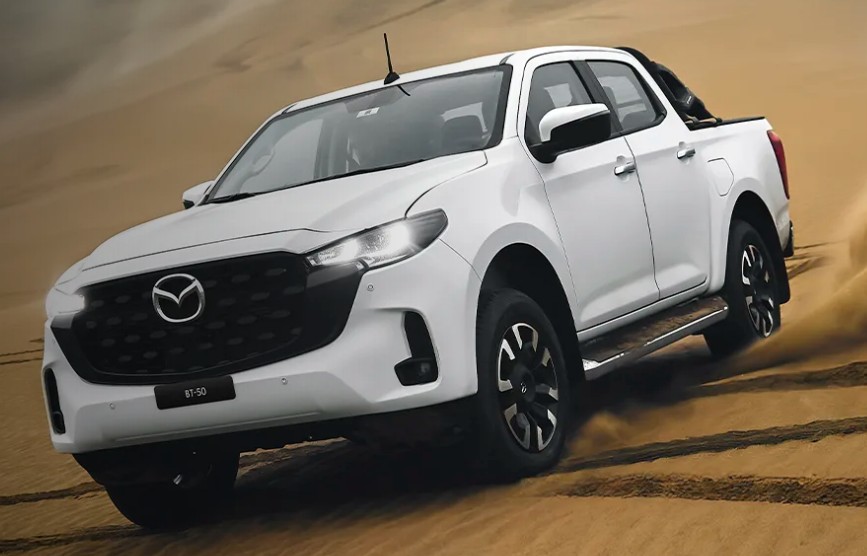
The Mazda BT-50 can typically last 250,000 to 350,000 km—roughly 155,000 to 217,000 miles—when it receives consistent maintenance and sensible treatment. A particularly well-maintained example may travel beyond 400,000 km or 250,000 miles, especially when it spends most of its life covering steady highway distances rather than grinding through short journeys, heavy towing, mud, dust, and neglected servicing.
In terms of time, that works out to approximately 15 to 20 years of practical ownership for many drivers. However, there is no mechanical countdown clock hidden beneath the dashboard. One BT-50 may still feel solid at 300,000 km, while another may become an expensive headache before reaching 180,000 km.
Why such a large difference?
Because mileage tells only half the story. Maintenance history, engine generation, towing frequency, corrosion, driving habits, modifications, and previous ownership all influence how long a Mazda BT-50 lasts.
Think of the odometer as the cover of a book. It gives us the title, but not the full story.
Content in this publication
- What Is the Average Mazda BT-50 Life Expectancy?
- How Many Years Does a Mazda BT-50 Last?
- Does Mazda BT-50 Generation Affect Longevity?
- What Determines How Long a Mazda BT-50 Lasts?
- What Usually Wears Out First on a High-Mileage BT-50?
- How Can We Make a Mazda BT-50 Last Longer?
- How Do You Evaluate a Used Mazda BT-50’s Remaining Life?
- When Is a Mazda BT-50 Too Old to Repair?
- Is a High-Mileage Mazda BT-50 Worth Buying?
- Mazda BT-50 Longevity Verdict
- Frequently Asked Questions
What Is the Average Mazda BT-50 Life Expectancy?
A realistic Mazda BT-50 lifespan falls into the following ranges:
- 200,000 km or less: Possible with poor maintenance or severe use
- 250,000–300,000 km: A reasonable expectation for a maintained vehicle
- 300,000–350,000 km: Achievable with strong servicing and careful ownership
- 400,000 km or more: Possible, but condition matters more than the number
- 15–20 years: A practical age range before major repairs become more frequent
These figures should be treated as informed ownership estimates rather than manufacturer guarantees. Mazda does not publish a fixed point at which every BT-50 reaches the end of its useful life.
The manufacturer does, however, emphasize following the recommended servicing program to support reliable and trouble-free operation.
A work ute covering 40,000 km annually may reach 300,000 km while it is still relatively young. A privately owned BT-50 may take 20 years to reach the same distance. Oddly enough, the newer high-mileage vehicle may sometimes be the healthier one if those kilometres were accumulated on open roads and supported by regular servicing.
Can a Mazda BT-50 Reach 300,000 km?
Yes, a Mazda BT-50 can reach 300,000 km.
That target is not extraordinary for a properly cared-for diesel pickup. However, reaching it without any repairs beyond oil changes and tyres would be unrealistic. As kilometres accumulate, owners should expect normal wear items and occasional component replacement.
Potential age-related expenses include:
- Suspension bushes and shock absorbers
- Wheel bearings
- Cooling-system hoses
- Engine mounts
- Alternator or starter motor
- Turbocharger-related components
- Diesel injectors
- Clutch and dual-mass flywheel on manual models
- Automatic transmission servicing or repairs
- Diesel particulate filter components
- Air-conditioning parts
- Sensors and electrical switches
Replacing these parts does not automatically mean the truck is unreliable. Machines wear. The real question is whether the engine, chassis, transmission, and body remain sound enough to justify continued investment.
Can a Mazda BT-50 Last 400,000 km?
It can, although 400,000 km should be viewed as an excellent outcome rather than the minimum standard.
A BT-50 is more likely to reach that distance when it has:
- A complete service history
- Frequent engine-oil changes
- A healthy cooling system
- Minimal engine overheating
- Sensible towing loads
- Limited exposure to road salt or salt water
- Original or conservative modifications
- Prompt repair of small faults
- Regular transmission and differential servicing
- Long-distance driving rather than constant short trips
At 400,000 km, a vehicle may still operate reliably, but it will rarely feel factory fresh. Seat foam compresses, door seals harden, suspension loosens, paint fades, and electronics age. Longevity is not simply whether the engine starts. It is whether the complete truck remains safe, economical, and pleasant enough to own.
How Many Years Does a Mazda BT-50 Last?
For an owner driving approximately 15,000–20,000 km per year, a Mazda BT-50 may remain useful for 15 years or longer. Lower annual mileage could stretch ownership beyond two decades, although age creates its own challenges.
Rubber, plastic, seals, wiring insulation, adhesives, lubricants, and paint deteriorate even when a vehicle is not covering large distances. A 17-year-old BT-50 with only 130,000 km may require more attention than an eight-year-old example with 220,000 km.
Why Low Mileage Does Not Always Mean Long Life
Low mileage often attracts used-vehicle buyers, but we should ask how those kilometres were accumulated.
A diesel vehicle that has spent years making brief urban journeys may experience:
- Frequent cold starts
- Incomplete engine warm-up cycles
- Carbon accumulation
- Battery deterioration
- Moisture in engine oil
- Diesel particulate filter difficulties
- More frequent brake and clutch use
- Long periods of inactivity
Meanwhile, a higher-mileage vehicle may have spent its life cruising gently at operating temperature. That kind of use can be easier on the drivetrain than thousands of short, stop-start journeys.
The number on the odometer matters, but the pattern behind it matters more.
Does Mazda BT-50 Generation Affect Longevity?
Absolutely. The BT-50 name has covered different mechanical packages over the years, so we cannot discuss every model as though it were identical.
First-Generation Mazda BT-50
The first-generation BT-50 arrived in the mid-2000s and shared much of its engineering with the Ford Ranger of the period.
Today, remaining examples are old enough that condition varies enormously. Some have worked hard on farms, construction sites, and remote roads. Others have lived relatively gentle private lives.
The main challenge is no longer just engine design. It is accumulated age.
Before buying one, we should inspect:
- Timing-belt service history where applicable
- Cooling-system condition
- Chassis corrosion
- Injector performance
- Turbo condition
- Gearbox operation
- Four-wheel-drive engagement
- Differential noise
- Oil and coolant leaks
- Evidence of overheating
- Previous accident or off-road damage
An older BT-50 can still be dependable, but buying cheaply and expecting zero repairs is like adopting an old working dog and expecting puppy energy. It may remain loyal, but it will need care.
Second-Generation Mazda BT-50
The second-generation model, introduced in the early 2010s, was closely related to the Ford Ranger T6. Common engine configurations varied by market but often included 2.2-litre and 3.2-litre turbo-diesel options.
These trucks can cover substantial distances, but their longevity depends heavily on preventive maintenance. Turbo-diesel engines combine high torque with complex fuel, emissions, lubrication, and cooling systems. When servicing slips, one neglected area can create a chain reaction.
Specialist repair sources commonly discuss turbo lubrication, coolant leaks, exhaust-gas recirculation contamination, and related high-mileage concerns on this Ford Ranger/Mazda BT-50 platform.
That does not mean every vehicle will experience those problems. It means buyers should inspect known stress points instead of relying on appearance alone.
Is the 3.2-Litre BT-50 Long-Lasting?
The 3.2-litre five-cylinder diesel has strong low-speed torque and is popular among drivers who tow, travel, or carry heavy equipment. It can achieve high mileage, but it needs the correct oil, clean lubrication, reliable cooling, and appropriate service intervals.
Owners should be especially cautious of:
- Delayed oil changes
- Incorrect oil specifications
- Poor-quality filters
- Turbocharger oil-supply problems
- Coolant loss
- Overheating
- Injector irregularities
- Excessive smoke
- Unusual engine rattles
- Transmission neglect
A healthy 3.2-litre engine should start cleanly, idle consistently, pull smoothly, and avoid excessive smoke once warm. A rough cold start, unexplained coolant loss, warning lights, or a heavy diesel knock deserves professional investigation.
What About the 2.2-Litre BT-50?
The 2.2-litre diesel can also deliver long service, particularly when the vehicle is not constantly overloaded. Because it produces less power and torque than the 3.2-litre unit, it may work harder when towing large caravans or hauling near maximum capacity.
That does not automatically make it less durable. In lighter applications, the smaller engine may provide an effective balance of performance and fuel consumption. Problems arise when owners treat capacity figures as everyday targets rather than upper engineering limits.
Third-Generation Mazda BT-50
The third-generation BT-50 moved away from its Ford Ranger roots and adopted an Isuzu D-Max-based platform. Current-generation vehicles share major underlying engineering with the D-Max, including core running gear, while Mazda applies its own body styling, interior details, specification choices, and brand support.
This generation is still relatively young compared with older BT-50s, so there are fewer examples at extreme mileage. We cannot honestly declare its final 20-year durability based only on vehicles that have not yet lived that long.
Nevertheless, its commercial-vehicle foundation and established turbo-diesel layout give it reasonable long-term potential. The same old rules still apply: service it correctly, keep it cool, use suitable fluids, and do not ignore developing faults.
Does Its Isuzu Connection Improve Reliability?
The Isuzu-based platform is often viewed positively because Isuzu has considerable diesel and commercial-vehicle experience. Still, a respected engineering origin does not make a vehicle immune to neglect, component wear, software issues, alignment problems, or poor previous ownership.
Some current-generation BT-50 and related Isuzu owners have reported concerns about front suspension geometry and premature tyre wear. Public reporting has discussed allegations involving “bump steer,” although individual vehicles and outcomes vary.
When inspecting one, check the tyres carefully. Uneven wear may point to poor alignment, worn components, incorrect pressures, suspension changes, or a more involved geometry issue.
What Determines How Long a Mazda BT-50 Lasts?
No single factor decides the outcome. Longevity is built—or destroyed—through hundreds of small decisions.
Maintenance History
A stamped service book is helpful, but invoices are better. Receipts show what work was actually completed, which fluids were used, and whether recurring problems were addressed.
You may be interested in reading Are Mazda BT-50 Reliable? A Complete Ownership Guide
A useful history should reveal:
- Engine-oil and filter changes
- Fuel-filter replacement
- Cooling-system maintenance
- Transmission-fluid servicing
- Differential and transfer-case oils
- Brake-fluid replacement
- Timing-belt work where applicable
- Accessory-belt replacement
- Injector or turbo repairs
- Suspension work
- Recall completion
- Battery replacement
- Previous diagnostic reports
A vague statement such as “serviced by a mate” does not carry the same weight as organized records.
Engine-Oil Quality and Change Frequency
Oil is the bloodstream of a turbo-diesel engine. It lubricates the crankshaft, camshaft, bearings, timing components, and turbocharger. Old or contaminated oil moves through those components like dirty syrup through narrow pipes.
The correct interval varies by model, market, operating conditions, and official maintenance schedule. Vehicles used in severe conditions may need more frequent attention than vehicles driven gently on paved roads.
Severe use includes:
- Frequent towing
- Dusty environments
- Repeated short journeys
- Long periods of idling
- Heavy payloads
- Low-speed off-road driving
- Extreme heat
- Stop-start commercial use
We should follow the schedule specified for the exact model and shorten intervals where severe-duty guidance applies rather than adopting one generic number for every BT-50.
Cooling-System Health
Few events shorten an engine’s life as rapidly as overheating.
A weak hose, blocked radiator, failing water pump, leaking seal, defective thermostat, or neglected coolant can turn a manageable repair into a damaged cylinder head or complete engine replacement.
Owners should investigate:
- Rising temperature readings
- Coolant stains
- Sweet smells
- Repeated coolant loss
- Hard cooling hoses
- Bubbles in the expansion tank
- Heater performance changes
- White exhaust smoke
- Oil contamination
The temperature gauge is not decorative. When it climbs unexpectedly, continuing to drive can transform a warning into a financial crater.
Towing and Payload
The BT-50 is designed to work, but maximum ratings should not be confused with effortless daily operating conditions.
Heavy towing increases stress on:
- Engine cooling
- Transmission temperature
- Brakes
- Suspension
- Rear axle
- Differential
- Tyres
- Wheel bearings
- Chassis components
Modern 3.0-litre BT-50 versions are commonly rated to tow up to 3,500 kg with a braked trailer in relevant markets, although the exact legal and technical limit depends on variant and location.
Regular towing near the maximum can still accelerate wear, particularly when the vehicle is also carrying passengers, accessories, fuel, cargo, and a heavy tow-ball load.
A truck may be capable of pulling a large trailer, but capability does not cancel physics.
Why Vehicle Weight Calculations Matter
Owners should consider more than the trailer’s advertised empty weight. Real travel weight includes:
- Water
- Gas bottles
- Batteries
- Food
- Clothing
- Camping equipment
- Tools
- Accessories
- Passengers
- Tow-ball download
- Cargo in the pickup bed
Overloading can reduce control, lengthen braking distances, increase tyre temperatures, and strain the drivetrain. Staying comfortably within limits supports both safety and longevity.
Driving Style
A mechanically sympathetic driver can add years to a vehicle.
Helpful habits include:
- Allowing the engine to reach operating temperature before heavy acceleration
- Avoiding full-throttle operation immediately after startup
- Selecting the correct gear
- Reducing speed on corrugated roads
- Avoiding unnecessary wheelspin
- Braking progressively
- Letting temperatures stabilize after demanding use
- Responding quickly to unusual noises or warning lights
Aggressive acceleration, abrupt braking, high-speed corrugations, and repeated overloading gradually loosen a vehicle like waves eating a coastline. No single trip may appear destructive, but the accumulated effect becomes visible later.
Rust and Corrosion
In some regions, rust will end a vehicle’s useful life before the engine does.
Check:
- Chassis rails
- Crossmembers
- Suspension mounting points
- Brake lines
- Fuel lines
- Body mounts
- Door bottoms
- Pickup-bed seams
- Areas around aftermarket accessories
- Underbody sections exposed to beach driving
Salt water is especially aggressive. A BT-50 used for boat launching or beach travel should be rinsed thoroughly, including underneath. Cosmetic surface rust may be manageable; structural corrosion is a different conversation.
Modifications
Accessories can improve capability, but poorly planned modifications may reduce durability.
Potential troublemakers include:
- Aggressive engine tuning
- Oversized tyres
- Incorrect suspension lifts
- Excessive vehicle weight
- Poorly wired electrical accessories
- Non-standard emissions modifications
- Inadequate cooling upgrades
- Cheap air-intake components
- Unbalanced wheel and tyre packages
A mild, professionally installed setup is generally less concerning than a heavily modified truck with unknown tuning and no supporting documentation.
More power is intoxicating, but every extra push can place additional pressure on pistons, turbochargers, transmissions, cooling systems, and driveline components.
What Usually Wears Out First on a High-Mileage BT-50?
The engine may be the vehicle’s heart, but it is surrounded by dozens of systems that age at different speeds.
Suspension Components
Bushes, ball joints, shock absorbers, tie-rod ends, and wheel bearings absorb years of impacts. Work vehicles and off-road trucks experience greater wear.
Warning signs include:
- Knocking noises
- Loose steering
- Uneven tyre wear
- Excessive bouncing
- Wandering on the highway
- Steering-wheel vibration
- Poor wheel alignment
Replacing suspension components can make an old BT-50 feel dramatically younger.
Diesel Fuel-System Components
Modern diesel injection systems operate at high pressure and require clean fuel. Water, contamination, or poor filtration can damage expensive parts.
Possible symptoms include:
- Difficult starting
- Rough idle
- Reduced power
- Excessive smoke
- Increased fuel consumption
- Engine warning lights
- Diesel knocking
- Limp mode
A pre-purchase diagnostic scan and injector assessment can be worthwhile on a high-mileage vehicle.
Turbocharger and Intake System
Turbochargers spin at extreme speeds while relying on clean oil and controlled temperatures. A whistle alone does not prove failure, but changes in sound, smoke, oil consumption, or performance require attention.
Look for:
- Blue or black smoke
- Loss of boost
- Oil in intake piping
- Damaged intercooler hoses
- Excessive shaft play
- Unusual siren-like noises
- Recurring underboost codes
Sometimes a split hose creates symptoms that feel catastrophic. At other times, the turbo itself may be worn. Diagnosis matters.
Manual Clutch or Automatic Transmission
Manual vehicles may need clutch replacement, particularly after years of towing. The dual-mass flywheel, where fitted, can add significant cost.
Automatic transmissions benefit from clean fluid and sensible temperature management. “Sealed for life” should never be interpreted as “immune to heat, wear, and contamination.”
During a test drive, watch for:
- Delayed engagement
- Harsh shifts
- Slipping
- Shuddering
- Gear hunting
- Fluid leaks
- Warning messages
- Burnt-smelling fluid
- Unusual noises
A healthy transmission should not feel confused every time we ask it to work.
Emission-Control Equipment
Diesel particulate filters and exhaust-gas recirculation systems can suffer when vehicles spend their lives making short journeys or idling.
Potential symptoms include:
- Frequent regeneration
- Warning lights
- Reduced power
- Increased fuel consumption
- Cooling fans running unexpectedly
- Elevated idle speed
- Strong exhaust smells
- Limp mode
Longer journeys at proper operating temperature may support normal regeneration, but warning lights or persistent symptoms should be diagnosed rather than “driven harder” without understanding the cause.
How Can We Make a Mazda BT-50 Last Longer?
Longevity is rarely created by one heroic repair. It comes from routine attention.
You may be interested in readingAre Mazda BT-50 Reliable? A Complete Ownership GuideYou may be interested in reading
 Ford Ka Insurance Group: Costs, Ratings, and the Cheapest Models
Follow the Correct Service Schedule
Use the schedule for the exact model year, engine, transmission, and market. Do not assume advice for one BT-50 generation applies to another.
Check Fluids Between Services
Regularly inspect:
- Engine oil
- Coolant
- Brake fluid
- Power-steering fluid where applicable
- Automatic transmission fluid where accessible
- Differential and transfer-case leaks
- Windscreen-washer fluid
A service interval is not permission to ignore the vehicle between appointments.
Use Quality Filters and Correct Fluids
A cheap filter that restricts flow or fails internally can cost far more than it saves. Correct specifications matter, particularly in modern diesel engines and automatic transmissions.
Warm It Up Through Gentle Driving
Extended idling is usually unnecessary. Start the engine, allow it to stabilize, and drive gently until temperatures rise. Avoid heavy boost and high load while the engine is cold.
Do Not Ignore Warning Lights
A warning light is the vehicle sending us an email marked urgent. Deleting it without reading the message does not solve the problem.
Diagnostic scanning should identify the underlying fault instead of merely clearing the code.
Keep the Cooling System Clean and Leak-Free
Inspect the radiator, hoses, coolant level, clamps, expansion tank, and water-pump area. Replace degraded parts before they fail during a mountain climb with a caravan attached.
Reduce Unnecessary Weight
Permanent accessories can quietly consume payload. Steel bars, winches, canopies, drawers, roof racks, spare wheels, long-range tanks, tools, and camping equipment all add weight.
Carrying hundreds of unnecessary kilograms every day increases fuel use and mechanical stress.
Protect It From Rust
Wash the underbody after mud, salt, beach use, or winter-road exposure. Repair damaged paint and protective coatings early.
Fix Small Problems Promptly
A minor coolant leak becomes an overheating event. A torn boot becomes a damaged joint. A wheel-alignment issue becomes a ruined set of tyres. A weak battery creates starting and electrical problems.
Small faults are sparks. Maintenance stops them becoming fires.
How Do You Evaluate a Used Mazda BT-50’s Remaining Life?
We cannot calculate remaining lifespan from mileage alone, but we can estimate risk.
Start With the Service Records
A 280,000 km truck with organized records may be a better purchase than a 150,000 km truck with missing history.
Inspect It Before the Engine Is Started
Ask the seller not to warm the vehicle before arrival. A cold start can reveal:
- Difficult starting
- Timing or injector noise
- Smoke
- Uneven idle
- Battery weakness
- Coolant pressure problems
A freshly warmed engine may hide symptoms.
Check for Towing and Off-Road Wear
Look beneath the truck for:
- Bent protection plates
- Scraped chassis sections
- Damaged steps
- Mud packed into hidden areas
- Tow-hitch wear
- Cracked bushes
- Leaking shock absorbers
- Differential or transfer-case leaks
Off-road use is not automatically bad. Poorly maintained off-road use is.
Arrange an Independent Inspection
A qualified mechanic should check:
- Engine condition
- Cooling-system pressure
- Diagnostic fault codes
- Injector correction values where available
- Turbo operation
- Transmission performance
- Four-wheel-drive system
- Chassis and suspension
- Fluid leaks
- Brakes
- Tyres
- Previous accident repairs
Spending money on an inspection may feel painful, but it is much cheaper than discovering a failing engine one week after purchase.
Mileage Matters Less Than Condition
Consider these two trucks:
Truck A: 170,000 km, incomplete records, repeated short trips, modified engine, uneven tyres, and unexplained coolant loss.
Truck B: 270,000 km, complete history, original drivetrain, mostly highway use, clean fluids, smooth operation, and recent preventive maintenance.
Truck B may have the better future.
The odometer measures distance travelled—not care received.
When Is a Mazda BT-50 Too Old to Repair?
A BT-50 has reached the end of its economical life when the cost and frequency of repairs outweigh its usefulness and market value.
That point may arrive when several major problems overlap:
- Serious chassis corrosion
- Low engine compression
- Persistent overheating
- Transmission failure
- Widespread electrical faults
- Major accident damage
- Expensive fuel-system failure
- Severe suspension wear
- Repeated emissions-system problems
One major repair does not always justify scrapping the vehicle. Replacing an engine in an otherwise excellent truck may make financial sense. Replacing an engine in a rusty, damaged, poorly maintained truck probably does not.
We should evaluate the complete machine, not one invoice.
Is a High-Mileage Mazda BT-50 Worth Buying?
It can be—at the right price and with the right history.
A high-mileage BT-50 may suit a buyer who:
- Understands diesel maintenance
- Has access to a trusted mechanic
- Does not rely on the truck for uninterrupted commercial work
- Has a repair budget
- Values condition over cosmetic perfection
- Can verify previous servicing
- Is willing to complete preventive maintenance immediately
It may not suit someone who needs guaranteed daily transport and has no financial room for repairs.
A bargain pickup becomes expensive quickly when it needs injectors, a turbocharger, suspension work, tyres, and transmission repairs at the same time.
What Mileage Is Too High for a Mazda BT-50?
There is no universal cut-off, but risk rises beyond 250,000–300,000 km, particularly when service records are missing.
Rather than asking only, “How many kilometres has it done?” ask:
- Has the engine ever overheated?
- Is the service history complete?
- What has already been replaced?
- Was it used for towing?
- Has it been modified?
- Does it consume oil or coolant?
- Are warning lights present?
- Does the transmission shift correctly?
- Is there structural corrosion?
- Why is the owner selling it?
Those answers reveal far more than the odometer.
Mazda BT-50 Longevity Verdict
So, how long does a Mazda BT-50 last?
A properly maintained example can realistically provide 250,000 to 350,000 km of service, while exceptional vehicles may exceed 400,000 km. For an average private owner, that could mean 15 to 20 years of use.
Yet longevity is not guaranteed by the Mazda badge, diesel engine, or tough appearance. The BT-50 lasts when maintenance keeps pace with work.
Regular oil changes protect the turbo and engine. Cooling-system care prevents catastrophic overheating. Correct loading protects the transmission, suspension, and chassis. Clean fuel protects the injectors. Early diagnosis prevents small faults from multiplying.
In other words, the longest-lasting BT-50 is rarely the one that has lived the easiest life. It is the one whose owner listened when the truck whispered—before it had to shout.
Frequently Asked Questions
1. How many kilometres can a Mazda BT-50 last?
A maintained Mazda BT-50 can commonly last between 250,000 and 350,000 km. Some examples may exceed 400,000 km, although major wear-related repairs become more likely as mileage increases.
2. Is the Mazda BT-50 reliable after 200,000 km?
It can remain reliable after 200,000 km when it has a complete maintenance history, healthy cooling system, smooth transmission, clean fuel system, and no major corrosion. At that mileage, condition and previous use matter more than age alone.
3. Which Mazda BT-50 engine lasts the longest?
There is no single engine that always lasts longest. The 3.2-litre Ford-based diesel and the later 3.0-litre Isuzu-based diesel both have strong longevity potential. Maintenance quality, operating conditions, and previous repairs are more important than engine size by itself.
You may be interested in readingAre Mazda BT-50 Reliable? A Complete Ownership GuideYou may be interested in reading
Ford Ka Insurance Group: Costs, Ratings, and the Cheapest ModelsYou may be interested in reading
 BMW 8 Series Reliability: What Owners Should Really Expect
4. Is 300,000 km too much for a used Mazda BT-50?
Not automatically. A 300,000 km vehicle with complete records and a clean mechanical inspection may still provide useful service. However, buyers should budget for suspension, fuel-system, turbo, clutch, transmission, and electrical repairs that may occur with age.
5. How can I extend the life of my Mazda BT-50?
Follow the correct service schedule, use approved fluids and quality filters, monitor coolant and oil levels, avoid overloading, warm the engine through gentle driving, maintain the transmission and differentials, wash away salt and mud, and investigate warning lights immediately.
If you want to know other articles similar to How Long Does a Mazda BT-50 Last? Lifespan, Mileage, and Reliability Explained you can visit the category Blog.
Volvo S90 Reliability: Problems, Costs & Best Years
Is Haval Jolion a Good Car? Honest Review, Reliability, Pros and Cons
How to Start Haval Jolion With Spare Key: Complete Guide
How to Calculate Per Diem on an Auto Loan

How to Calculate the Residual Value of a Car
Is the Honda Passport Selling Well? Sales Numbers Tell the Story
Leave a Reply
More content of your interest