
Ford Ka Insurance Group: Costs, Ratings, and the Cheapest Models

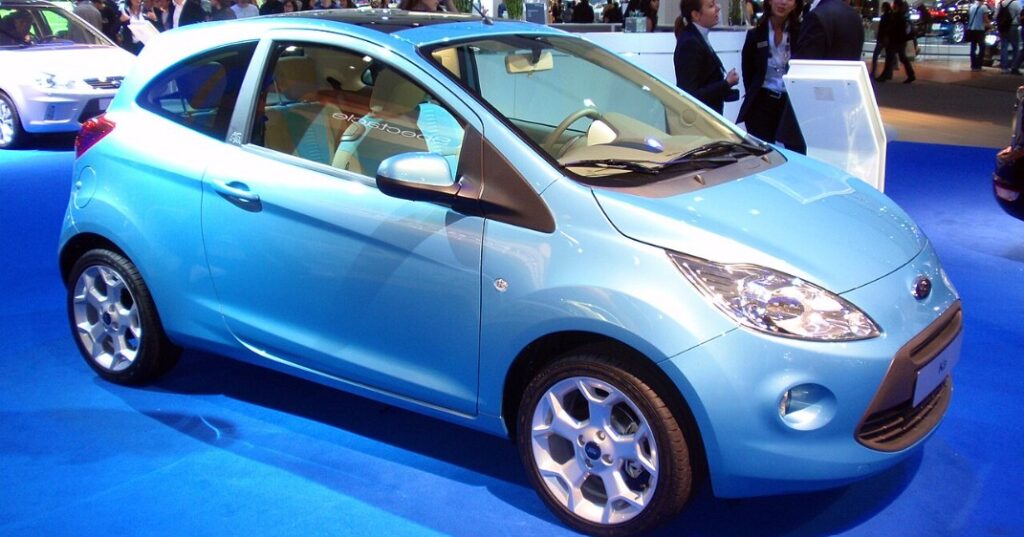
The Ford Ka insurance group is one of the first details worth checking when shopping for this compact city car. After all, finding an inexpensive used vehicle is only half the battle. A bargain-priced Ka can quickly lose its sparkle if the annual insurance premium lands like a brick through the letterbox.
Fortunately, most versions of the Ford Ka sit in relatively low UK insurance groups. Depending on the generation, engine, trim level, and exact specification, Ford Ka models generally range from insurance group 1 to group 16. However, ordinary 1.2-litre hatchbacks usually occupy the friendlier end of that scale, commonly appearing in groups 2 to 5.
That makes the Ka an attractive option for new drivers, students, urban commuters, and anyone who would rather spend money on weekend plans than hand it all to an insurer.
Still, an insurance group is only an indicator. Two drivers insuring identical cars can receive wildly different quotations. Your age, postcode, occupation, driving record, mileage, parking arrangements, and chosen cover all affect the final price.
So, which Ford Ka insurance group is cheapest? Are SportKa models expensive to cover? Is the newer Ford Ka+ a better choice for young drivers? Let’s untangle the numbers and find the version that makes the most financial sense.
Content in this publication
- What Insurance Group Is a Ford Ka?
- How UK Car Insurance Groups Work
- Ford Ka Insurance Groups by Generation
- First-Generation Ford Ka Insurance Groups
- Second-Generation Ford Ka Insurance Groups
- Ford Ka+ Insurance Groups
- Why Is the Ford Ka Cheap to Insure?
- Is a Ford Ka Good for a First-Time Driver?
- What Else Determines Ford Ka Insurance Cost?
- How to Reduce Ford Ka Insurance Costs
- Ford Ka Versus Ford Ka+ Insurance
- Does Trim Level Affect Ford Ka Insurance?
- Common Mistakes When Checking Ford Ka Insurance Groups
- Which Ford Ka Has the Lowest Insurance Group?
- Is the Ford Ka Expensive to Insure?
- Final Thoughts on Ford Ka Insurance Groups
- Frequently Asked Questions
What Insurance Group Is a Ford Ka?
Most mainstream Ford Ka hatchbacks belong to the lower UK insurance groups. Broadly speaking, the range looks like this:
- Standard Ford Ka models: commonly groups 2 to 6
- Certain entry-level Ford Ka and Ka+ versions: as low as group 1
- Higher-specification or less common variants: sometimes groups 7 to 10
- Sportier first-generation derivatives: potentially as high as group 16
One current comparison guide places Ford Ka models across groups 1 to 16, while another lists most versions between groups 1 and 10. The apparent difference is not necessarily a contradiction: each source may include different generations, engines, special editions, and performance versions.
The exact model matters enormously. A modest 1.2 Studio is not assessed in the same way as a more powerful SportKa. They might share the Ka name, but from an insurer’s perspective, they are distant cousins rather than identical twins.
Quick Ford Ka Insurance Group Overview
| Ford Ka version | Typical insurance group |
|---|---|
| Ka 1.2 Studio | 2–3 |
| Ka 1.2 Style | 3 |
| Ka 1.2 Edge | 3 |
| Ka 1.2 Zetec | 3 |
| Ka 1.2 Titanium | 3–4 |
| Ka 1.3 TDCi | 3–6 |
| Ka special editions | 3–6 |
| Ka+ entry-level models | 1–5 |
| Ka+ higher specifications | 5–10 |
| SportKa and performance variants | Up to the mid-teens |
These figures should be treated as a shopping guide rather than a guaranteed rating for every registration. Equipment changes, model-year updates, security classifications, and exact derivatives can move a vehicle into a different group.
Before buying, check the registration number with an insurance-group checker and obtain a real quotation. That ten-minute check could prevent a costly surprise.
How UK Car Insurance Groups Work
Traditionally, UK vehicles have been classified from group 1 to group 50. Group 1 usually represents cars expected to be among the least expensive to insure, while group 50 contains powerful, valuable, or costly-to-repair vehicles.
The number is not a promise about your premium. It is a risk reference that insurers can use when building a quotation.
Cars launched before August 2024, including the discontinued Ford Ka range, continue to be associated with the familiar group-rating system. Factors considered within these classifications include vehicle value, performance, safety, security, parts prices, and the time required to complete common repairs.
Why Lower Groups Usually Cost Less
A low-group vehicle generally presents a smaller potential claims cost. It may have:
- A low purchase value
- Modest engine power
- Affordable replacement parts
- Straightforward mechanical components
- Reasonable repair times
- Good factory security
- A lower top speed
- Less expensive bodywork and trim
That description fits many Ford Ka models rather neatly. The Ka was designed as a small, affordable city car rather than a motorway missile wrapped in designer bodywork.
Insurance Groups Are Advisory
Insurers are not required to charge identical premiums for cars in the same group. The rating is only one ingredient in a much larger recipe.
Honest John notes that insurance-group ratings are advisory and that the actual price depends heavily on the policyholder’s age and circumstances.
In practical terms, this means a 40-year-old driver with a long no-claims history may insure a group 6 Ford Ka for less than a 19-year-old pays for a group 2 version.
The car matters, but the driver often matters more.
Ford Ka Insurance Groups by Generation
The Ford Ka name covered several distinct vehicles. Understanding those generations helps explain why online group ranges sometimes look inconsistent.
First-Generation Ford Ka Insurance Groups
The original Ford Ka arrived with one of the most recognisable shapes of the late 1990s. Its curved bumpers and playful styling made it look as though somebody had drawn a city car with a thick marker and refused to use straight lines.
Most standard first-generation Ka models used relatively small petrol engines and remained inexpensive by modern standards. These everyday versions generally occupy low-to-moderate insurance groups.
However, the first generation also included sportier derivatives, which stretch the model’s overall insurance range upward.
Standard 1.3-Litre Ford Ka Models
Regular 1.3-litre versions are usually the sensible picks. They do not deliver dramatic acceleration, but that is part of their charm from an insurance perspective.
Typical specifications include:
- Ka
- Ka Collection
- Ka Luxury
- Ka Style
- Ka Design
- Ka Climate
Exact ratings vary with the production year and trim. Buyers should also remember that early models were originally classified under an older grouping structure before the current 1-to-50 system became established. Historical figures shown on old advertisements may therefore not match modern databases directly.
Ford SportKa Insurance Group
The SportKa is the mischievous member of the family. Its 1.6-litre engine, firmer suspension, broader bodywork, and sportier appearance make it more enjoyable for enthusiastic drivers—but also less appealing to an insurer looking only at risk.
A SportKa can sit considerably higher than a basic Ka because it has:
- More engine power
- Faster acceleration
- Sport-specific body panels
- Larger wheels and tyres
- A greater likelihood of being driven enthusiastically
- Potentially more expensive replacement components
For a young driver, the difference between insuring a regular 1.3 Ka and a SportKa may be substantial. A SportKa can still be affordable compared with a modern performance hatchback, but it should never be purchased without obtaining quotations first.
StreetKa Insurance Considerations
The StreetKa is another special case. It is a two-seat convertible with distinctive bodywork and a 1.6-litre engine. Although it carries the Ka badge, insurers may view it differently from the basic hatchback.
Convertible construction, model-specific panels, lower production numbers, and the cost of roof repairs can all influence premiums. Its insurance group may be manageable for an experienced driver, yet less attractive for someone buying a first car.
Think of it as a small fashion accessory with number plates: charming, distinctive, but not necessarily the cheapest Ka to protect.
Second-Generation Ford Ka Insurance Groups
The second-generation Ka, introduced for the 2009 model year, is usually the version people picture when searching for cheap Ford Ka insurance.
It was offered primarily with:
- A 1.2-litre petrol engine
- A 1.3-litre TDCi diesel engine
- Three-door hatchback bodywork
- Studio, Style, Edge, Zetec, and Titanium specifications
- Several themed special editions
Many 1.2-litre derivatives sit in group 3, making the car competitive with other inexpensive city vehicles. Honest John lists numerous 1.2 versions—including Edge, Studio, Style, Titanium, and Zetec—in group 3, with the Studio Connect shown in group 4.
Ford Ka 1.2 Studio Insurance Group
The 1.2 Studio is commonly one of the cheapest Ford Ka models to insure. Some databases place certain Studio derivatives in group 2, while others show them in group 3.
That small variation can result from the model year, security rating, or exact version selected. Either way, the Studio remains near the bottom of the scale.
Its insurance-friendly characteristics include:
- A modest 69 PS petrol engine
- Limited performance
- Basic equipment
- Low original purchase price
- Small dimensions
- Widely available mechanical parts
It may lack some of the comforts found in higher trims, but simplicity can be a virtue. Less equipment means fewer expensive gadgets waiting to fail or become damaged.
Ford Ka 1.2 Edge Insurance Group
The Ford Ka Edge typically appears in group 3. It adds useful equipment without making a dramatic leap in performance or replacement cost.
Ageas lists the Ka 1.2 Edge in group 3, alongside the Studio, Digital, and Zetec petrol models.
For many used-car buyers, the Edge strikes a sensible balance. It feels less bare than an entry-level model but remains close to the cheapest Ka versions for insurance.
Ford Ka 1.2 Zetec Insurance Group
The 1.2 Zetec is also commonly listed in group 3. That is good news because the Zetec trim usually brings a more appealing appearance and additional equipment without creating a severe insurance penalty.
Depending on the model year, a Zetec may include:
- Alloy wheels
- Front fog lights
- Air conditioning
- Heated windscreen
- Upgraded interior details
- Sportier exterior touches
Alloy wheels and extra equipment may affect repair costs slightly, but the engine remains modest. As a result, the Zetec can be one of the strongest all-round choices in the second-hand market.
Ford Ka 1.2 Titanium Insurance Group
The Titanium is one of the better-equipped Ford Ka versions. Despite its extra features, many 1.2 Titanium models remain in group 3 or 4.
This makes it appealing to drivers who want a small car without accepting an interior that feels like an empty storage cupboard.
However, compare actual quotations against a Studio or Zetec. The insurance difference may be tiny, but the purchase price and cost of replacing trim-specific components can still be higher.
You may be interested in reading BMW 8 Series Reliability: What Owners Should Really Expect
Ford Ka 1.3 TDCi Insurance Group
The diesel Ka usually occupies groups 3 to 6, depending on its trim and edition. Ageas, for example, lists the 1.3 TDCi Titanium in group 4 and the 1.3 TDCi Metal in group 6.
The diesel engine offers stronger low-speed pulling power and potentially better fuel economy during longer journeys. Nevertheless, it is not automatically the cheapest ownership choice.
Before selecting the diesel, consider:
- Annual mileage
- Diesel particulate filter condition
- Maintenance history
- Urban versus motorway driving
- Fuel-price differences
- Potential diesel repair costs
- Insurance quotations
For short city trips, the 1.2 petrol is often the simpler and more suitable option.
Ford Ka+ Insurance Groups
Despite its name, the Ford Ka+ is not merely a Ka with an extra seat squeezed into the boot. It is a larger five-door hatchback with more interior space and a more conventional shape.
Its insurance ratings generally remain low, although they vary by engine output and trim. Some versions begin around group 1, while more powerful or better-equipped examples can move higher.
The Ka+ is often summarised as sitting around groups 5 to 6, but individual entry-level versions may be lower.
Ford Ka+ Studio Insurance Group
The Ka+ Studio is designed around value and simplicity. Entry-level examples are usually among the cheapest Ka+ derivatives to cover.
For a new driver, its five-door layout may also be more practical than the three-door second-generation Ka. There is easier access to the rear seats, a more usable cabin, and greater everyday flexibility.
Ford Ka+ Zetec Insurance Group
The Zetec adds desirable equipment and a more polished appearance. Depending on the engine output and registration year, it can sit several groups above the most basic Ka+.
That does not automatically make it expensive. Even a Ka+ in group 5 or 6 remains at the affordable end of the wider market.
The important question is not whether the Zetec has a higher group than the Studio. It is whether the additional premium is worth the equipment you gain.
Sometimes the difference is only a few pounds. Sometimes it is enough to fund several tanks of fuel.
Why Is the Ford Ka Cheap to Insure?
The Ford Ka’s reputation for affordable insurance is no accident. Its engineering and market position tick several boxes insurers tend to favour.
Small Engines and Modest Performance
Most Ka models do not produce enough power to wrinkle the tarmac. That may sound unexciting, but modest performance reduces several types of risk.
Lower-powered cars are generally:
- Less capable of reaching extreme speeds quickly
- Easier for inexperienced drivers to control
- Less attractive to performance-focused buyers
- Less likely to require costly high-performance components
A standard Ka is built for narrow streets, crowded car parks, and ordinary commuting—not racing away from traffic lights.
Affordable Replacement Parts
The Ka was sold in meaningful numbers, and many routine service components remain widely available. Common mechanical parts are often reasonably priced, particularly for the 1.2-litre petrol model.
Insurers care about more than the likelihood of an accident. They also care about the size of the repair bill when one occurs.
A small car that can be repaired quickly using affordable parts presents less financial exposure than a rare vehicle packed with expensive electronics.
Low Vehicle Value
Used Ford Ka prices are generally modest. Although low value does not guarantee cheap insurance, it can reduce the insurer’s maximum loss if the car is stolen or written off.
Curiously, comprehensive cover can still be cheaper than third-party cover. Insurers use claim statistics, not common sense alone, and drivers choosing minimal cover may sometimes be classified as higher risk.
Always compare all available coverage levels rather than assuming less protection must cost less.
Simple Mechanical Design
Many Ka versions are mechanically straightforward. They have small naturally aspirated engines, manual gearboxes, conventional controls, and limited driver-assistance technology.
That simplicity can reduce the expense of diagnosing and repairing damage. A cracked bumper on an older Ka is one thing; a modern bumper packed with radar sensors and cameras is quite another.
Is a Ford Ka Good for a First-Time Driver?
From an insurance-group perspective, yes. Many Ka models are well suited to first-time drivers because they combine low ratings with manageable dimensions and modest performance.
The car is easy to place on the road, straightforward to park, and generally inexpensive to buy. It can feel like a comfortable pair of trainers: not luxurious, but easy to live with and difficult to justify replacing.
However, young-driver insurance can remain expensive even for a low-group car. A teenager may still receive a quotation that exceeds the vehicle’s purchase price.
Best Ford Ka Versions for Young Drivers
The strongest candidates normally include:
- Ford Ka 1.2 Studio
- Ford Ka 1.2 Edge
- Ford Ka 1.2 Style
- Ford Ka 1.2 Zetec
- Entry-level Ford Ka+ models
These versions generally combine modest engines with low group ratings and good parts availability.
Avoid assuming that the cheapest car to purchase will produce the cheapest quotation. A slightly newer Ka with improved security or a less accident-prone claims record may cost less to insure than a tired example bought for a few hundred pounds.
Models Young Drivers Should Quote Carefully
Be particularly cautious with:
- SportKa models
- StreetKa convertibles
- Modified cars
- Versions with non-standard alloy wheels
- Cars with body kits or suspension changes
- Higher-output Ka+ derivatives
- Poorly repaired insurance write-offs
Modifications can transform an innocent little Ka into an insurance headache. Even cosmetic changes should be declared.
What Else Determines Ford Ka Insurance Cost?
The insurance group sets the stage, but the driver’s profile writes most of the script.
Driver Age and Experience
Young and newly qualified drivers usually pay more because insurers have less evidence of their driving behaviour and because claims data indicate higher risk among inexperienced motorists.
Prices often become more manageable as the driver gains experience and builds a no-claims discount.
Your UK Postcode
Where the car is kept matters. Insurers assess local theft levels, accident frequency, traffic density, vandalism, fraud, and claim costs.
A group 3 Ka parked in a high-risk urban postcode may cost more than a group 6 Ka kept in a lower-risk area.
Moving the car a few streets away will not necessarily transform the premium, but different postcode areas can produce noticeable variations.
Occupation
Insurance applications ask for your occupation because claims patterns vary between job categories. Always describe your work accurately, but test legitimate alternative job titles that truthfully represent what you do.
Never select an inaccurate occupation merely because it produces a cheaper result. Incorrect information can create serious problems when making a claim.
Annual Mileage
More time on the road generally means more opportunities for an accident. Give a realistic annual-mileage estimate rather than automatically choosing the lowest possible figure.
Overestimating may increase the premium unnecessarily, while deliberately underestimating can compromise the policy.
Where the Ka Is Parked
The safest answer is not always the cheapest answer. Depending on claims data, a driveway, garage, private car park, or public road can each affect the quotation differently.
Enter the genuine overnight location. A garage only counts if the car is actually stored there.
Driving Record and No-Claims Discount
Previous accidents, motoring convictions, and penalty points can raise the cost. Conversely, several claim-free years may unlock a meaningful discount.
Protecting a no-claims discount can be valuable, but it does not freeze the entire premium. The base price may still rise after an accident.
How to Reduce Ford Ka Insurance Costs
A low insurance group gives us a head start, but there are several ways to improve the quotation further.
You may be interested in readingBMW 8 Series Reliability: What Owners Should Really ExpectYou may be interested in reading
 Is Mitsubishi Outlander a Midsize SUV? Size, Class, and Practicality Explained
Compare Multiple Insurers
No insurer is cheapest for every Ford Ka driver. Each company uses its own pricing model and preferred customer profile.
Compare:
- Main comparison websites
- Insurers that do not appear on comparison platforms
- Specialist young-driver providers
- Black-box policies
- Multi-car arrangements
- Policies offered through recognised motoring organisations
Run comparisons using exactly the same details so that the results remain meaningful.
Get Quotes Before Buying
Never wait until the car is sitting outside your home.
Obtain quotes using the registration number of the exact vehicle under consideration. Two apparently identical Ford Ka models can have different security equipment, group classifications, modification histories, or trim specifications.
Insurance is part of the purchase price, even though it does not appear on the dealer’s windscreen sticker.
Consider a Telematics Policy
A telematics or black-box policy monitors driving behaviour. Depending on the provider, it may measure speed, braking, acceleration, cornering, mileage, location, or the time of day you drive.
It can benefit a careful young driver, but read the conditions closely. Some policies impose restrictions, adjustment fees, mileage limits, or penalties for driving patterns that the system considers risky.
Add an Experienced Named Driver
Adding an experienced driver who will genuinely use the car can sometimes reduce the premium.
However, the policy must identify the real main driver. Pretending that a parent is the primary user when the car actually belongs to and is driven mainly by their child is known as fronting. It can invalidate the insurance and may constitute fraud.
Choose the Right Voluntary Excess
A higher voluntary excess may reduce the premium, but do not set it at a level you could not afford after an accident.
Remember that voluntary excess is normally added to the compulsory excess. A cheap annual premium can become painfully expensive at claim time if the combined amount is excessive.
Pay Annually When Practical
Monthly payment plans often include interest or credit charges. Paying once for the year may reduce the total cost.
Compare the full annual amount rather than focusing only on the monthly figure. A low monthly number can wear a convincing disguise.
Improve Security Without Guessing
An approved immobiliser, alarm, steering lock, or secure parking arrangement may help, but not every accessory generates a discount.
Before purchasing expensive security equipment, ask insurers whether it is recognised. Spending £300 to save £12 per year is hardly a financial masterpiece.
Avoid Unnecessary Modifications
Declare every modification, including changes to:
- Wheels
- Suspension
- Exhaust systems
- Engine software
- Lighting
- Bodywork
- Interior equipment
- Audio systems
- Window tinting
Some insurers accept minor modifications without a large increase. Others refuse coverage altogether. Silence is not a safe strategy.
Ford Ka Versus Ford Ka+ Insurance
Choosing between the Ka and Ka+ involves more than comparing group numbers.
The three-door Ka is smaller, lighter, and often available cheaply. Many 1.2-litre models occupy group 3, providing a strong starting point for affordable cover.
The Ka+ offers:
- Five doors
- Better rear-seat access
- More passenger space
- Greater luggage practicality
- A more conventional driving position
- Newer model years
Some Ka+ versions can be found in very low groups, while others sit around groups 5 or 6. Even when the group is slightly higher, a specific driver may receive a similar or lower premium because insurers also examine safety, theft, accident, and claims data.
The best approach is beautifully simple: quote both.
Does Trim Level Affect Ford Ka Insurance?
Yes, although the difference is often modest among standard 1.2-litre versions.
Higher trims can include alloy wheels, climate control, upgraded audio systems, heated windscreens, leather details, and special exterior finishes. These additions raise the original value and may increase repair costs.
Yet the engine and performance remain similar, which is why Studio, Edge, Style, Zetec, and Titanium models may sit surprisingly close together.
Do not reject a well-equipped Ka purely because you assume it must be expensive. Sometimes a Titanium costs almost the same to insure as a basic Studio while providing a far more pleasant cabin.
Common Mistakes When Checking Ford Ka Insurance Groups
Insurance research becomes confusing when we compare incomplete information.
Avoid these common errors:
- Checking only the model name instead of the registration
- Confusing the Ka with the larger Ka+
- Comparing historical group numbers with the 1-to-50 scale
- Ignoring performance models such as the SportKa
- Assuming every 1.2 Zetec has the same rating
- Buying the car before requesting a quotation
- Believing a group number guarantees a particular premium
- Failing to declare modifications
- Choosing third-party cover without comparing comprehensive cover
- Using an unrealistically low mileage estimate
The registration number is your most reliable shortcut. It identifies the precise derivative more accurately than a vague advertisement description.
Which Ford Ka Has the Lowest Insurance Group?
Entry-level 1.2-litre Studio models are usually among the cheapest second-generation Ka versions to insure, with many listed around groups 2 or 3. Some Ford Ka+ derivatives may fall into group 1.
Nevertheless, the lowest group does not always produce the lowest quotation for every person. Insurers may have different claims histories for each model, and individual risk factors can outweigh a one- or two-group difference.
A sensible buying shortlist would compare quotations for:
- Ka 1.2 Studio
- Ka 1.2 Style
- Ka 1.2 Edge
- Ka 1.2 Zetec
- Ka+ Studio
- Ka+ Zetec
Then consider condition, service history, safety, equipment, and purchase price. Saving £40 on insurance is not worthwhile if the cheaper car needs £700 of mechanical work.
Is the Ford Ka Expensive to Insure?
In general, no. The Ford Ka is widely regarded as one of the more insurance-friendly used city cars in the UK.
Its mainstream versions sit toward the lower end of the 1-to-50 group scale, and multiple insurance guides identify the Ka or Ka+ among vehicles suitable for drivers seeking affordable cover.
That said, “cheap to insure” is relative. For an experienced driver, the premium may be modest. For a newly qualified 18-year-old living in a high-risk postcode, it may still be substantial.
The Ka gives us the right foundation. It cannot erase every other risk factor.
Final Thoughts on Ford Ka Insurance Groups
The Ford Ka insurance group usually sits at the affordable end of the UK market. Most ordinary second-generation 1.2-litre models belong around groups 2 to 4, while certain diesel, special-edition, Ka+, convertible, or performance variants may sit higher.
For the lowest possible insurance risk, the 1.2 Studio, Style, Edge, and Zetec deserve a place near the top of the shopping list. They combine modest performance, accessible replacement parts, low vehicle values, and generally favourable group ratings.
Still, the badge on the boot does not determine the final bill. Your age, address, occupation, driving record, mileage, parking arrangements, and insurer all shape the quotation.
So, should we buy the lowest-group Ka we can find? Not automatically. We should identify several well-maintained examples, obtain registration-specific quotes, and compare total ownership costs.
The cheapest car is not always the one with the lowest asking price. It is the one that behaves itself financially after we bring it home.
Frequently Asked Questions
1. What insurance group is a Ford Ka 1.2?
Most second-generation Ford Ka 1.2 models sit in insurance group 3, although certain Studio or model-year derivatives may appear in group 2 or 4. Always check the exact registration because trim and specification differences can alter the rating.
2. Is a Ford Ka cheap to insure for a 17-year-old?
A Ford Ka can be one of the more affordable cars for a 17-year-old to insure because many versions belong to low groups. However, young-driver premiums can still be high due to age, limited experience, postcode, mileage, and claims risk. Comparing standard and telematics policies is essential.
3. What is the Ford Ka Zetec insurance group?
Many 1.2-litre Ford Ka Zetec models are listed in group 3. Special editions, diesel engines, and model-year differences may produce another rating, so buyers should verify the exact derivative using its registration number.
4. Is the Ford Ka+ more expensive to insure than the Ka?
Not necessarily. Some Ka+ versions sit in extremely low insurance groups, while others appear around groups 5 or 6. Although the Ka+ is larger and better equipped, its newer design and safety features may help it attract competitive quotations.
5. Does the SportKa cost more to insure?
Usually, yes. The SportKa has a larger 1.6-litre engine, stronger performance, sport-specific parts, and a different risk profile from a standard Ka. Young drivers should obtain quotations before buying because the premium difference can be significant.
You may be interested in readingBMW 8 Series Reliability: What Owners Should Really ExpectYou may be interested in reading
Is Mitsubishi Outlander a Midsize SUV? Size, Class, and Practicality ExplainedYou may be interested in reading
 Renault Koleos Options: Engines, Trims and Which One to Buy
If you want to know other articles similar to Ford Ka Insurance Group: Costs, Ratings, and the Cheapest Models you can visit the category Blog.
Volvo S90 Reliability: Problems, Costs & Best Years
Is Haval Jolion a Good Car? Honest Review, Reliability, Pros and Cons
How to Start Haval Jolion With Spare Key: Complete Guide
How to Calculate Per Diem on an Auto Loan

How to Calculate the Residual Value of a Car

Is the Honda Passport Selling Well? Sales Numbers Tell the Story
Leave a Reply
More content of your interest