

Ford Ka Tyre Size: Complete Guide by Model and Generation

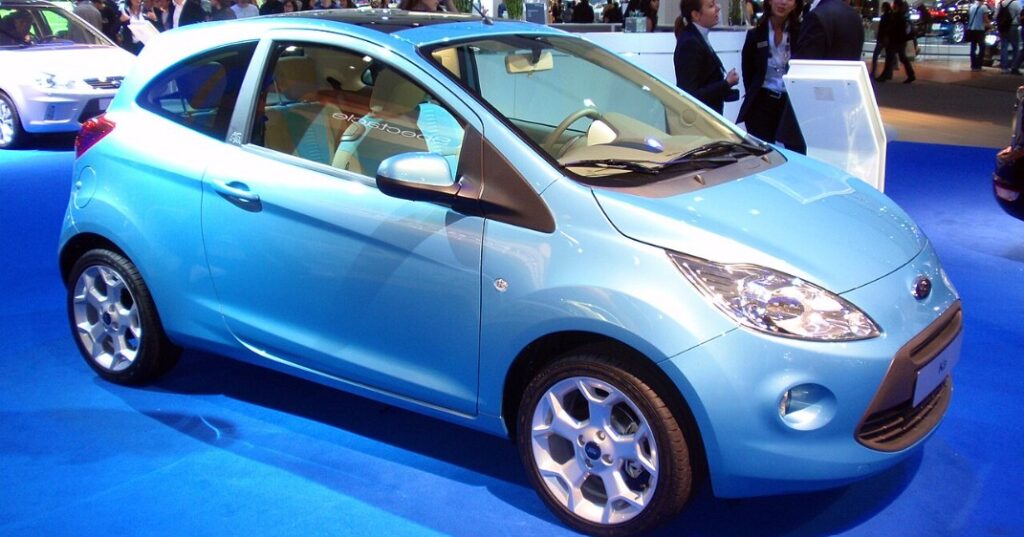
Choosing the correct Ford Ka tyre size sounds simple until we start comparing model years, trim levels, wheel diameters, load ratings, and regional specifications. One Ka may leave the factory wearing modest 13-inch steel wheels, while another rolls on stylish 16-inch alloys with low-profile tyres. They share the same badge, but their footwear can be completely different.
That matters because tyres are not decorative rubber rings. They influence braking, steering, comfort, fuel economy, speedometer accuracy, and even whether the wheel clears the suspension when we turn. Installing the wrong size can make a cheerful little city car feel awkward, noisy, or unstable—like wearing hiking boots to run a sprint.
In this guide, we explore common Ford Ka tyre sizes across the first-generation Ka, second-generation Ka, and Ford Ka+. We also explain tyre markings, alternative sizes, wheel compatibility, replacement tips, and the mistakes we should avoid.
Because Ford offered different engines, trims, wheels, and specifications in different countries, the tyre fitted to the car should always be confirmed using the tyre-information label, owner’s handbook, registration data, or an authorised tyre fitter. Ford itself advises owners to check the vehicle’s door pillar, owner’s manual, or connected vehicle information when confirming tyre requirements.
Content in this publication
- What Is the Standard Ford Ka Tyre Size?
- Ford Ka Tyre Size Chart by Generation
- First-Generation Ford Ka Tyre Sizes: 1996–2008
- Second-Generation Ford Ka Tyre Sizes: 2008–2016
- Ford Ka+ Tyre Sizes
- How to Read a Ford Ka Tyre Size
- Where Can We Find the Correct Ford Ka Tyre Size?
- Can We Fit a Different Tyre Size to a Ford Ka?
- Can We Install Wider Tyres on a Ford Ka?
- Will Larger Wheels Improve Ford Ka Handling?
- Do Front and Rear Ford Ka Tyres Need to Match?
- Ford Ka Tyre Pressure Versus Tyre Size
- How Tyre Size Affects Fuel Economy
- How Tyre Size Affects Ride Comfort
- Choosing Summer, Winter, or All-Season Ford Ka Tyres
- Best Tyre Type for Urban Ford Ka Driving
- Common Ford Ka Tyre-Size Mistakes
- Signs Your Ford Ka Tyres Are the Wrong Size
- When Should Ford Ka Tyres Be Replaced?
- Why Wheel Alignment Matters
- Should We Replace Two or Four Tyres?
- How to Buy the Correct Ford Ka Tyres
- Final Thoughts on Ford Ka Tyre Size
- Frequently Asked Questions
What Is the Standard Ford Ka Tyre Size?
There is no single tyre size that fits every Ford Ka.
Common factory sizes used across the model range include:
- 155/70 R13
- 165/65 R13
- 165/60 R14
- 165/65 R14
- 175/65 R14
- 195/50 R15
- 195/45 R16
Some versions may use other dimensions depending on the engine, trim, market, production year, optional wheel package, or special edition.
For example, first-generation Ford Ka documentation lists sizes including 155/70 R13, 165/65 R13, 165/60 R14, and 195/45 R16 for specific configurations. Meanwhile, Ford’s second-generation Ka handbook includes a reference to 195/45 R16 tyres, a size commonly associated with sportier or higher-specification versions.
The safest approach is simple: never order tyres based only on the words “Ford Ka.” We need the exact year, engine, trim, wheel diameter, and existing approved specification.
Ford Ka Tyre Size Chart by Generation
The following table summarises tyre sizes commonly associated with European Ford Ka models. It is a practical guide, not a substitute for checking the specific vehicle.
| Ford Ka generation | Approximate years | Common tyre sizes |
|---|---|---|
| First-generation Ford Ka | 1996–2008 | 155/70 R13, 165/65 R13, 165/60 R14, 195/45 R16 |
| Second-generation Ford Ka | 2008–2016 | 165/65 R14, 175/65 R14, 195/50 R15, 195/45 R16 |
| Ford Ka+ | 2016–2020 in many European markets | 175/65 R14, 195/55 R15 and market-dependent alternatives |
Treat the table as a starting point. Cars fitted with optional alloys, special-edition packages, replacement wheels, or market-specific suspension setups may differ.
First-Generation Ford Ka Tyre Sizes: 1996–2008
The original Ford Ka was built around simplicity. It was small, light, economical, and designed primarily for urban driving. As a result, many early versions used relatively narrow tyres with generous sidewalls.
That combination gave the car several advantages:
- Light steering
- Good ride comfort
- Affordable replacement tyres
- Reasonable fuel efficiency
- Strong resistance to pothole damage
- Predictable wet-weather behaviour when quality tyres were fitted
155/70 R13 Ford Ka Tyres
The 155/70 R13 is one of the smaller tyre sizes associated with early Ford Ka models.
This size means:
- 155 mm nominal tyre width
- A sidewall height equal to 70% of the width
- Radial construction
- A 13-inch wheel diameter
The tall sidewall works like a small cushion between the road and the rim. On broken urban roads, it can soften sharp impacts better than a low-profile tyre.
Michelin’s Ka fitment information includes 155/70 R13 75T among the listed Ford Ka configurations. Nevertheless, the correct load and speed rating must still be checked against the individual car.
165/65 R13 Ford Ka Tyres
Another widely encountered first-generation size is 165/65 R13.
Compared with 155/70 R13, it is slightly wider while retaining a similar overall diameter. The extra width can provide a little more grip and a more planted feel, although tyre design and quality matter more than width alone.
A Ford Ka handbook-based specification source lists 165/65 R13 among the approved dimensions for first-generation vehicles.
This size remains appealing because it usually offers:
- Comfortable sidewalls
- Modest purchase prices
- Low wheel weight
- Good everyday handling
- Reasonable protection against rim damage
165/60 R14 Ford Ka Tyres
Higher-trim versions and cars equipped with 14-inch wheels may use 165/60 R14 tyres.
Moving from 13-inch to 14-inch wheels generally creates a slightly sharper steering response. The sidewall becomes shorter, so the tyre flexes less during quick direction changes.
The trade-off? We may notice a firmer ride over potholes, expansion joints, and rough surfaces.
The 165/60 R14 dimension is included in first-generation Ka technical tyre information, but its suitability depends on the engine and approved wheel package.
195/45 R16 Sporty Ford Ka Tyres
The 195/45 R16 tyre sits at the more aggressive end of first-generation Ka fitments. It is significantly wider and has a much shorter sidewall.
This arrangement can give the Ka a stronger visual stance and quicker steering response. However, it also introduces compromises:
- A firmer ride
- Higher tyre prices
- Greater risk of alloy-wheel damage
- More road noise
- Possible sensitivity to wheel alignment
- Increased tendency to follow grooves in the road
A wide tyre does not automatically make the car safer. A premium 165 mm tyre can outperform a cheap 195 mm tyre in rain, braking, and aquaplaning resistance. Quality, age, compound, tread design, and pressure remain crucial.
Second-Generation Ford Ka Tyre Sizes: 2008–2016
The second-generation Ford Ka arrived with a different platform and a more modern range of wheel options. Depending on the market and trim level, buyers could find compact 14-inch wheels or larger 15- and 16-inch alloy designs.
165/65 R14 Ford Ka Tyres
The 165/65 R14 is commonly associated with standard second-generation Ford Ka configurations.
It offers a sensible balance between:
- Comfort
- Steering response
- Tyre availability
- Fuel economy
- Replacement cost
- Pothole protection
Wheel-fitment references identify 165/65 R14 79T on certain second-generation Ka variants, although specifications vary by engine and market.
For everyday urban use, this type of tyre is often the sweet spot. It may not look as dramatic as a 16-inch wheel, but it generally makes the car easier and cheaper to live with.
175/65 R14 Ford Ka Tyres
Some second-generation Ka specifications use 175/65 R14 tyres. A 2014 UK brochure, for example, references 14-inch steel wheels paired with 175/65 tyres on particular versions.
Compared with 165/65 R14, the 175/65 R14 is wider and has a slightly taller sidewall. However, we should not assume that these sizes are interchangeable. Their overall diameters differ, and the vehicle’s homologation, wheel width, speedometer calibration, and suspension clearance must be considered.
195/50 R15 Ford Ka Tyres
The 195/50 R15 size appears on some higher-specification second-generation Ka models. A 2012 Ford Ka Titanium reference identifies 195/50 R15 as its standard European tyre size.
This tyre provides a broader contact patch and a lower-profile sidewall than the typical 14-inch setup.
Drivers may notice:
- More direct steering
- Better cornering stability
- A sportier appearance
- Slightly harsher low-speed ride quality
- More expensive replacements
- Increased vulnerability to pothole impacts
That does not necessarily mean the tyre is uncomfortable. Much depends on tyre construction, pressure, wheel weight, and road quality.
195/45 R16 Ford Ka Tyres
The 195/45 R16 size was fitted to certain sporty or special-edition second-generation Ka models. References for the 2015 Black Edition and 2016 White Edition identify 195/45 R16 V as the standard tyre size for those versions.
These tyres give the car a purposeful appearance, but we pay for the visual drama in several ways. The thin sidewall provides less cushioning, so a deep pothole can send a sharper shock through the wheel and suspension.
Drivers using 16-inch Ka wheels should regularly inspect for:
- Sidewall bulges
- Alloy-wheel bends
- Cracks around the rim
- Uneven inner-edge wear
- Slow pressure loss
- Steering vibration
A bulge is particularly serious. It can indicate structural damage inside the tyre and should be inspected promptly.
Ford Ka+ Tyre Sizes
The Ford Ka+ is not simply a larger version of the earlier three-door Ka. It is a different, five-door small car with its own platform, body, suspension, and wheel specifications.
Common Ka+ tyre sizes may include:
- 175/65 R14
- 195/55 R15
However, availability varies by country, production year, engine, and trim. Ford maintains a dedicated Ka and Ka+ tyre guidance page and directs owners to identify the correct size before selecting a replacement.
Because the Ka+ is larger and heavier than the original Ka, we must not transfer wheel or tyre assumptions from one model to the other.
How to Read a Ford Ka Tyre Size
Let us use 165/65 R14 79T as an example.
165: Tyre Width
The first number is the nominal tyre width in millimetres.
In this example, the tyre is approximately 165 mm wide. Actual measured width can vary slightly according to the manufacturer, wheel width, and tyre model.
65: Aspect Ratio
The second number represents the sidewall height as a percentage of the tyre width.
For a 165/65 tyre:
165 × 0.65 = 107.25 mm
The sidewall is therefore approximately 107 mm tall before accounting for manufacturing tolerances and load.
R: Radial Construction
The letter R means the tyre uses radial construction. Almost every modern passenger-car tyre is radial.
14: Wheel Diameter
The number after R identifies the wheel diameter in inches. A 165/65 R14 tyre must be fitted to a 14-inch wheel.
It cannot be installed safely on a 13-inch or 15-inch rim.
79: Load Index
The load index indicates the maximum load the tyre can carry under specified conditions.
We should never choose a tyre with a load rating below the manufacturer’s requirement. A higher approved load rating may be acceptable, but it can affect tyre stiffness and ride characteristics.
T: Speed Rating
The final letter is the speed rating. It indicates the tyre’s approved maximum speed under controlled conditions.
Even when we never drive near that limit, the correct speed rating matters because it forms part of the tyre’s construction and legal specification.
Where Can We Find the Correct Ford Ka Tyre Size?
Before buying anything, check several sources.
Check the Existing Tyre Sidewall
The current size is printed on the tyre. It is easy to find, but it is not always proof that the tyre is correct. A previous owner may have installed a non-standard size.
Read the Door-Pillar Label
Look around the driver’s door frame, door pillar, or fuel-filler area. Depending on the model and market, the label may show approved tyre sizes and pressures.
Consult the Owner’s Handbook
The handbook is one of the best references because it may list different sizes according to engine, load, and wheel option.
Ford’s first-generation wheel-and-tyre guidance warns owners to use approved wheel and tyre sizes because an incorrect size can damage the vehicle and affect type approval.
Use the Vehicle Registration or VIN
A professional tyre supplier can often identify approved sizes using the vehicle registration number or VIN. This is particularly useful when the car has non-original wheels.
Inspect the Wheel Diameter
A 14-inch wheel needs a tyre ending in R14. That sounds obvious, yet it is a surprisingly common ordering mistake.
Can We Fit a Different Tyre Size to a Ford Ka?
Sometimes, but not casually.
An alternative tyre size should preserve an appropriate overall rolling diameter and remain compatible with the wheel width, offset, brake clearance, bodywork, suspension, speedometer, ABS, and stability-control systems.
A small difference may appear harmless, but tyres rotate hundreds of times per kilometre. A diameter error is repeated constantly, affecting the indicated speed and distance.
Understanding Overall Tyre Diameter
The total diameter combines:
- The wheel diameter
- The upper sidewall
- The lower sidewall
When moving to a larger wheel, we usually need a shorter tyre sidewall to keep the total diameter close to the factory value. This is called plus-sizing.
For instance, a vehicle moving from a 14-inch wheel to a 15-inch wheel generally uses a lower-profile tyre. The wheel grows, but the tyre’s sidewall shrinks.
Why Diameter Difference Matters
An unsuitable rolling diameter can cause:
- Incorrect speedometer readings
- Altered gearing
- Reduced acceleration
- Unexpected ABS behaviour
- Traction-control inconsistencies
- Rubbing against suspension or bodywork
- Reduced ground clearance
- Insurance or inspection complications
A tyre calculator can estimate diameter differences, but it cannot confirm legal approval or physical clearance. A qualified fitter still needs to check the complete setup.
Can We Install Wider Tyres on a Ford Ka?
Wider tyres may fit some Ka wheel packages, but wider is not automatically better.
Possible advantages include:
- Sharper dry-road response
- More visual presence
- Increased cornering confidence
- A larger contact patch in certain conditions
Possible disadvantages include:
- More aquaplaning susceptibility
- Heavier steering
- Higher rolling resistance
- Increased fuel consumption
- Greater road noise
- More expensive tyres
- Increased tramlining
- Clearance problems
On a light car such as the Ka, excessively wide tyres can be counterproductive. The car does not have enormous power or weight pushing the tyre into the road. In heavy rain, a narrower high-quality tyre may cut through standing water more effectively.
Will Larger Wheels Improve Ford Ka Handling?
They can change handling, but “change” does not always mean “improve.”
Larger wheels usually work with lower-profile tyres. This can reduce sidewall flex and make steering feel more immediate. The car may turn into corners with greater precision.
Yet the same setup can also make the car:
- Less comfortable
- More nervous on uneven roads
- More vulnerable to wheel damage
- Noisier at motorway speeds
- More expensive to maintain
Think of the sidewall as a spring. A tall sidewall bends and absorbs. A short sidewall reacts quickly but passes more impact into the cabin.
For a daily city car, the smallest manufacturer-approved wheel can often deliver the best real-world balance.
Do Front and Rear Ford Ka Tyres Need to Match?
In most standard Ford Ka configurations, the front and rear tyres use the same size. They should also have compatible construction, load rating, speed rating, and tread characteristics.
Mixing different tyre brands across axles may be legal in some regions, but using four matching tyres is generally preferable when practical.
At a minimum:
- Match tyres across the same axle
- Never mix radial and cross-ply construction
- Avoid major tread-pattern differences
- Keep similar tread depths across an axle
- Follow local tyre regulations
- Place the tyres with greater wet grip where recommended by the fitter
Many tyre professionals advise fitting the tyres with deeper tread to the rear axle, even on a front-wheel-drive car. This helps preserve rear stability in wet conditions.
Ford Ka Tyre Pressure Versus Tyre Size
Tyre size and tyre pressure are related, but they are not the same thing.
Two Ford Ka models may use different pressures even when their tyres appear similar. Pressure can depend on:
- Engine
- Vehicle weight
- Tyre dimension
- Passenger load
- Luggage
- Front or rear axle
- Driving speed
- Market specification
Michelin’s fitment table, for instance, lists different front and rear pressures for several Ka tyre sizes, illustrating why pressure should not be guessed from tyre appearance alone.
Always use the pressure label or handbook for the exact car. Check pressures when the tyres are cold, ideally before driving or after only a very short journey.
How Tyre Size Affects Fuel Economy
A larger or wider tyre may increase rolling resistance, aerodynamic drag, and rotational mass. As a result, fuel consumption can rise slightly.
The difference may not be dramatic, but on a small, economical car, even a modest change becomes noticeable over time.
Fuel economy is also influenced by:
- Tyre pressure
- Tread compound
- Wheel weight
- Alignment
- Driving style
- Road surface
- Temperature
- Vehicle load
An underinflated factory-size tyre may waste more fuel than a correctly inflated, slightly wider tyre. Maintenance matters as much as dimensions.
How Tyre Size Affects Ride Comfort
Small wheels with taller tyre sidewalls generally give the Ford Ka a softer ride.
Large wheels with low-profile tyres generally provide:
- Quicker steering response
- Firmer impact control
- More detailed road feedback
- Less cushioning over sharp bumps
On smooth asphalt, low-profile tyres can feel crisp and enjoyable. On broken streets, they may feel like shopping-cart wheels rattling over paving stones.
Drivers who value comfort should think carefully before replacing factory 13- or 14-inch wheels with 16-inch alloys.
Choosing Summer, Winter, or All-Season Ford Ka Tyres
Once the correct size is confirmed, we need to choose the right tyre category.
Summer Tyres
Summer tyres are designed for mild and warm conditions. They generally provide strong dry and wet grip when temperatures remain moderate.
They suit drivers in climates without prolonged snow or freezing weather.
Winter Tyres
Winter tyres use compounds and tread patterns designed for cold weather, snow, slush, and ice.
Some Ford Ka handbook information lists dedicated M+S dimensions for certain first-generation configurations, showing that winter fitments may differ from the normal summer size.
A winter tyre should still be approved for the vehicle and fitted in accordance with regional law.
All-Season Tyres
All-season tyres combine characteristics of summer and winter tyres. They are convenient for drivers who experience moderate seasonal changes but do not regularly face extreme heat or deep snow.
They are a compromise, but a good modern all-season tyre can be an excellent match for a lightly used city car.
Best Tyre Type for Urban Ford Ka Driving
For city driving, we should prioritise more than sporty handling.
Useful qualities include:
- Strong wet braking
- Good pothole resistance
- Low road noise
- Predictable steering
- Affordable replacement cost
- Low rolling resistance
- Durable sidewalls
A premium touring tyre in the correct standard size will usually serve an urban Ka better than a cheap performance-style tyre chosen only because it looks aggressive.
Common Ford Ka Tyre-Size Mistakes
Ordering by Model Name Alone
“Ford Ka tyre” is not enough information. Generation, year, trim, engine, and wheel option matter.
Ignoring the Load Index
The dimensions may match while the load rating does not. We must compare the complete sidewall code.
Changing One Tyre to a Different Size
Both tyres on the same axle should be the same size and closely matched in specification.
Assuming Bigger Wheels Always Fit
Wheel diameter is only one measurement. Width, offset, centre bore, bolt pattern, brake clearance, and tyre diameter also matter.
Copying a Size from an Online Forum
Another owner’s setup may rub, be illegal, distort the speedometer, or require modifications they did not mention.
Forgetting the Spare Wheel
Some Ka models use a temporary space-saver spare. It may have different limits and should not be treated as a normal full-size wheel. Ford guidance warns that a differing spare may carry speed and distance restrictions.
Signs Your Ford Ka Tyres Are the Wrong Size
An unsuitable fitment may reveal itself through:
- Tyres rubbing on full steering lock
- Contact over bumps
- Incorrect speedometer readings
- Heavy or vague steering
- Frequent tyre-pressure warnings
- Poor ride quality
- Uneven wear
- ABS or stability-control warnings
- Reduced turning clearance
- Visible tyre bulging beyond the wheel arch
Rubbing should never be dismissed as harmless. It can damage the tyre’s sidewall or shoulder, creating a risk of sudden failure.
When Should Ford Ka Tyres Be Replaced?
Tyres should be inspected regularly and replaced when they are unsafe, damaged, excessively worn, or too old for reliable service.
Watch for:
- Tread reaching the legal minimum
- Cracked sidewalls
- Bulges or bubbles
- Exposed cords
- Deep cuts
- Repeated pressure loss
- Uneven wear
- Severe flat spots
- Vibration after an impact
Legal tread-depth limits differ by country, so we should check local regulations. Safety performance, particularly wet braking, may deteriorate before the tyre reaches the absolute legal minimum.
Why Wheel Alignment Matters
A perfectly sized new tyre can wear rapidly if the alignment is wrong.
Common signs of poor alignment include:
- One-sided tread wear
- Steering wheel sitting off-centre
- Car pulling left or right
- Feathered tread blocks
- Nervous motorway behaviour
The Ford Ka’s small tyres may make uneven wear especially noticeable. After hitting a pothole or kerb, an alignment inspection can protect both the tyres and our wallet.
Should We Replace Two or Four Tyres?
Replacing all four provides the most consistent grip and behaviour, particularly when the existing tyres are old or heavily worn.
Replacing two may be reasonable when:
- The other pair remains in good condition
- Tread depths are compatible
- Tyre construction is similar
- The new pair matches the approved specification
- A professional determines the safest axle placement
Do not keep a damaged or perished tyre merely because its tread looks deep. Rubber condition matters too.
How to Buy the Correct Ford Ka Tyres
Use this simple process:
- Identify the exact model year and generation.
- Read the tyre size from the sidewall.
- Compare it with the vehicle label and handbook.
- Confirm the required load and speed ratings.
- Check whether the car has original wheels.
- Select a tyre suited to the climate and driving style.
- Compare wet-grip, noise, and efficiency ratings.
- Use a reputable professional fitter.
- Have valves, balancing, and alignment checked.
- Recheck pressure after installation.
This method may take a few extra minutes, but it is far cheaper than ordering four unsuitable tyres.
Final Thoughts on Ford Ka Tyre Size
The correct Ford Ka tyre size depends on much more than the name printed on the boot. Early Ka models commonly used compact 13- and 14-inch tyres, while later and sportier versions could wear 15- or 16-inch wheels. The Ka+ introduced another set of specifications altogether.
Our best move is not to chase the widest tyre or the largest alloy. It is to identify the manufacturer-approved size that suits the exact car and our real driving conditions.
For urban comfort and low running costs, a standard 13- or 14-inch setup often makes excellent sense. For sharper looks and handling, approved 15- or 16-inch packages may appeal, provided we accept the firmer ride and higher replacement cost.
Tyres are the only parts of the car that touch the road. Choosing them by appearance alone is like choosing glasses because the frames look good while ignoring the lenses. Style matters—but correct fit, grip, and safety matter much more.
Frequently Asked Questions
1. What is the most common Ford Ka tyre size?
Common sizes include 165/65 R13 on some first-generation models and 165/65 R14 or 175/65 R14 on various later versions. However, there is no universal size for every Ford Ka. Check the door label, handbook, and current wheel specification before buying.
2. Can I put 15-inch wheels on my Ford Ka?
Possibly, but only when the wheel and tyre combination is approved or professionally verified. The wheel width, offset, bolt pattern, centre bore, tyre diameter, suspension clearance, and legal requirements must all be checked.
3. Can I replace 165 tyres with 175 tyres?
Not automatically. The first number is only the tyre width. The aspect ratio and wheel diameter also affect overall size. A 175 tyre may alter speedometer accuracy or create clearance issues, so the complete alternative dimension must be assessed.
4. Are 16-inch Ford Ka tyres less comfortable?
Usually, yes. A 16-inch wheel normally uses a lower-profile tyre with less sidewall cushioning. Steering may feel sharper, but bumps and potholes can feel more pronounced.
5. Where is the Ford Ka tyre size written?
The size is printed on the tyre sidewall in a format such as 165/65 R14 79T. Approved sizes may also appear on the door-pillar label, in the owner’s handbook, or in manufacturer and registration databases.
If you want to know other articles similar to Ford Ka Tyre Size: Complete Guide by Model and Generation you can visit the category Service and Parts.
Volvo S90 Engine Oil: Type, Capacity & Change Guide
Volvo S90 Boot Space: Size, Capacity and Practicality
SEO Title: Volvo S90 Oil Capacity: Complete Guide by Engine

Kia Sorento Oil Type: Complete Guide by Year & Engine
Kia Sorento Engine Capacity: Complete Guide by Year
Peugeot 308 Clutch Replacement Cost: Complete UK Guide for 2026
Leave a Reply
More content of your interest