
Is Mazda BT-50 a Good Car? A Complete Ownership Guide

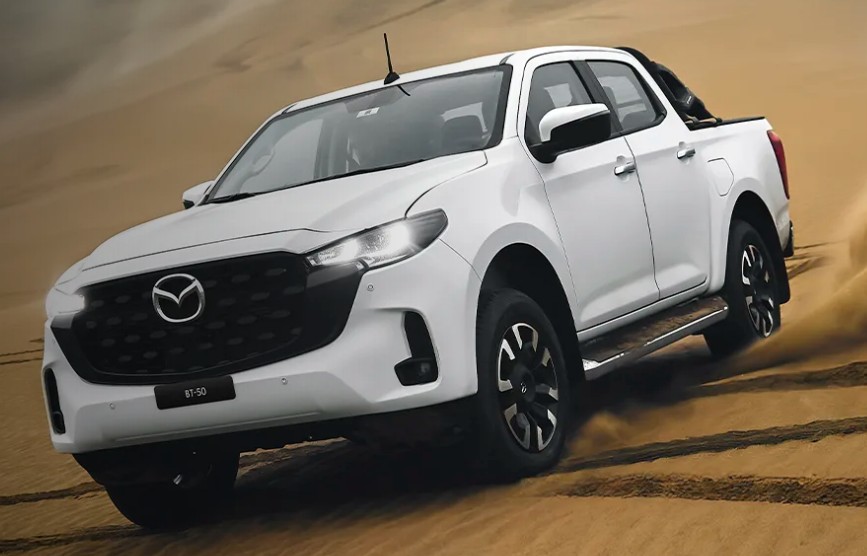
Yes, the Mazda BT-50 is generally a good vehicle, especially for drivers who want a capable pickup that can handle family duties, highway travel, towing, and demanding work. It combines dependable diesel engines, strong load-carrying ability, a comfortable cabin, and respectable off-road performance in one practical package.
That does not mean every BT-50 is perfect. Earlier versions have different strengths and weaknesses from newer models, ride comfort can become firm when the tray is empty, and maintenance history matters enormously when buying used.
So, is the Mazda BT-50 a good car for you?
That depends on what you expect it to do. A tradie carrying equipment will judge it differently from a family towing a caravan. An off-road enthusiast will focus on ground clearance and four-wheel-drive hardware, while a city driver may care more about maneuverability and fuel costs.
Let us dig beneath the tough exterior and find out whether the BT-50 deserves a place in your driveway.
Content in this publication
- What Kind of Vehicle Is the Mazda BT-50?
- Is the Mazda BT-50 Reliable?
- How Long Can a Mazda BT-50 Last?
- Is the Mazda BT-50 Good for Everyday Driving?
- Is the Mazda BT-50 a Good Family Car?
- Is the Mazda BT-50 Good for Towing?
- Is the Mazda BT-50 Good Off-Road?
- How Fuel-Efficient Is the Mazda BT-50?
- What Is the Mazda BT-50 Interior Like?
- How Practical Is the Cargo Tray?
- What Are the Common Mazda BT-50 Problems?
- What Should You Check Before Buying a Used Mazda BT-50?
- Are Mazda BT-50 Parts Expensive?
- Is the Mazda BT-50 Better Than the Ford Ranger?
- Is the Mazda BT-50 Better Than the Isuzu D-Max?
- Mazda BT-50 Advantages and Disadvantages
- Who Should Buy a Mazda BT-50?
- Who Should Avoid a Mazda BT-50?
- Is a New or Used Mazda BT-50 Better?
- How Does the Mazda BT-50 Hold Its Value?
- Is the Mazda BT-50 Worth the Money?
- Final Verdict: Is Mazda BT-50 a Good Car?
- Frequently Asked Questions
What Kind of Vehicle Is the Mazda BT-50?
The Mazda BT-50 is a midsize pickup truck, commonly referred to as a ute in Australia and New Zealand. Depending on the market and model year, it has been sold in single-cab, freestyle-cab, and dual-cab configurations.
Most buyers choose the dual-cab because it offers two rows of seats and a useful cargo tray. That setup allows the BT-50 to work during the week and carry the family on weekends.
The BT-50 has never been designed as a soft lifestyle crossover wearing a rugged costume. It is built on a ladder-frame chassis, meaning its body sits on a strong structural frame. This construction supports towing, off-road driving, and heavy payloads more effectively than the unibody design used by typical SUVs.
In simple terms, the BT-50 is a proper truck rather than an SUV with a tray attached.
Is the Mazda BT-50 Reliable?
The Mazda BT-50 has a generally positive reliability reputation, but reliability varies by generation, engine, maintenance history, and previous use.
A carefully serviced BT-50 can cover high mileage without major trouble. Many examples are used for commercial work, rural driving, towing, and long-distance travel. These are demanding conditions, yet well-maintained vehicles often remain dependable.
However, a neglected truck can become expensive quickly. Diesel injectors, turbochargers, emissions equipment, transmissions, four-wheel-drive components, and cooling systems are not cheap to repair.
The important lesson is simple: the badge on the grille matters less than the maintenance records in the glovebox.
Reliability of Earlier Ford-Based BT-50 Models
Many earlier BT-50 models shared their platform, engines, transmissions, and mechanical architecture with the Ford Ranger of the same era.
This partnership gave the Mazda strong towing performance, capable diesel engines, and good off-road ability. It also means some known Ranger-related mechanical issues may be relevant when inspecting an older BT-50.
The five-cylinder 3.2-litre diesel, where available, became popular because of its strong torque and relaxed highway performance. It suits towing well, but it still requires proper servicing. Cooling-system neglect, intake contamination, sensor failures, transmission issues, or poor-quality modifications can reduce its lifespan.
The smaller diesel engines can also be durable, although they may feel more strained when heavily loaded.
Reliability of Newer Isuzu-Based BT-50 Models
Newer-generation Mazda BT-50 models share much of their engineering with the Isuzu D-Max.
That change brought a different diesel engine, updated safety technology, a redesigned cabin, and a more refined overall character. The Isuzu-derived powertrain has a strong reputation for durability and commercial use.
The newer BT-50 feels more polished than many older versions. It is still a working pickup underneath, but its steering, cabin design, safety equipment, and general presentation make it easier to live with every day.
No modern diesel is maintenance-free, though. Short trips, skipped oil changes, poor fuel quality, neglected filters, and improper towing can still cause trouble.
How Long Can a Mazda BT-50 Last?
A well-maintained Mazda BT-50 can potentially remain useful for several hundred thousand kilometres. Reaching high mileage depends on servicing, driving conditions, engine load, corrosion exposure, and whether the vehicle has been modified.
A truck that has travelled long highway distances may be healthier than a lower-mileage example that has spent years towing oversized trailers through mud.
Mileage tells us how far a vehicle has travelled. It does not tell us how hard that journey was.
To maximize longevity, owners should pay attention to:
- Engine oil and filter intervals
- Cooling-system condition
- Transmission servicing
- Differential and transfer-case fluids
- Fuel-filter replacement
- Air-filter condition
- Suspension wear
- Diesel emissions-system operation
- Timing-system requirements
- Rust prevention
- Correct towing practices
A BT-50 treated like a machine that needs care can become a long-term companion. One treated like an indestructible hammer may eventually send a painful repair bill.
Is the Mazda BT-50 Good for Everyday Driving?
Yes, particularly in dual-cab form, but it still drives like a pickup.
From the driver’s seat, the BT-50 offers a commanding view of the road. Its high seating position makes traffic easier to read, and the large mirrors provide useful visibility around the vehicle.
On highways, it feels stable and relaxed. Diesel torque helps it maintain speed without constant gear changes, especially when climbing hills or carrying passengers.
Urban driving is a different story. The BT-50 is longer and wider than a typical family car. Tight parking spaces, underground car parks, and narrow streets require extra attention.
A reversing camera, parking sensors, and surround-view technology, where fitted, make a noticeable difference.
Ride Comfort When the Tray Is Empty
Like most ladder-frame pickups, the BT-50 can feel firm or slightly bouncy when there is no load in the tray.
Its rear suspension is designed to carry weight, so an unladen vehicle may skip over sharp bumps rather than absorb them like a soft SUV. Adding moderate cargo often settles the rear suspension and improves ride quality.
This does not make the BT-50 uncomfortable. It simply means buyers should not expect luxury-sedan smoothness.
Think of it as hiking boots rather than slippers. The boots are less delicate, but they are ready when the road gets rough.
Noise and Refinement
Diesel engine noise is noticeable, especially during cold starts and hard acceleration. Newer models generally provide better sound insulation and a quieter cabin than older versions.
At cruising speed, the BT-50 is usually comfortable enough for long journeys. Wind noise around accessories such as roof racks, snorkels, canopies, and bull bars may be more noticeable than mechanical noise.
Tyre choice also matters. Aggressive all-terrain or mud-terrain tyres improve traction but can create a constant hum on sealed roads.
Is the Mazda BT-50 a Good Family Car?
The dual-cab BT-50 can serve as a family vehicle, particularly for active households that camp, tow, cycle, surf, or travel outside cities.
The rear seats are usable for children and adults, although legroom may not match that of a large SUV. Child-seat installation should be checked carefully because anchor arrangements and rear-seat access can differ between variants and generations.
The cabin provides practical storage for bottles, phones, documents, tools, and small travel items. Higher trim levels may include leather upholstery, heated seats, climate control, upgraded infotainment, and additional driver-assistance systems.
Still, families should consider the tray layout. Shopping bags, pushchairs, school equipment, and luggage need protection from weather and theft.
A lockable tonneau cover or canopy can transform the BT-50 from an open work truck into a more practical family tourer.
Family Safety Considerations
Later BT-50 models offer a broader range of active safety systems than older versions. Depending on specification, equipment may include:
- Autonomous emergency braking
- Blind-spot monitoring
- Lane-departure warning
- Lane-keeping assistance
- Rear cross-traffic alert
- Adaptive cruise control
- Parking sensors
- Reversing camera
- Multiple airbags
- Trailer stability assistance
Drivers should verify the exact equipment fitted to the individual vehicle. Safety features often vary by market, trim level, body style, and production year.
A model name alone does not guarantee every safety system is included.
Is the Mazda BT-50 Good for Towing?
Towing is one of the BT-50’s greatest strengths.
Many versions are designed to tow substantial trailers, boats, horse floats, or caravans. Strong diesel torque makes pulling away and climbing hills easier than it would be in a smaller petrol vehicle.
However, the advertised maximum towing figure should never be viewed in isolation.
The vehicle’s gross combination mass, gross vehicle mass, tow-ball download, payload, passenger weight, accessories, and tray load all interact. A pickup may be rated to tow a heavy trailer but lose much of its usable payload once that trailer is attached.
You may be interested in reading How Long Does a Mazda BT-50 Last? Lifespan, Mileage, and Reliability Explained
Understanding Real-World Towing Limits
Imagine loading the BT-50 with four adults, camping equipment, a bull bar, a canopy, drawers, a fridge, recovery gear, and a caravan pressing down on the tow ball.
The truck may reach its legal weight limit before the caravan reaches the headline towing maximum.
That is why responsible towing requires more than reading one number in a brochure.
Before towing, we should confirm:
- The vehicle’s braked towing capacity
- The trailer’s loaded mass
- The tow-ball weight
- The BT-50’s payload allowance
- The gross vehicle mass
- The gross combination mass
- Local licence and towing regulations
- Tyre load ratings
- Brake-controller requirements
A properly loaded BT-50 can be an excellent tow vehicle. An overloaded one can become unstable, illegal, and mechanically stressed.
What Makes the BT-50 Suitable for Caravans?
The BT-50’s ladder-frame construction, diesel torque, low-range four-wheel-drive system on suitable models, and long wheelbase all support controlled towing.
Automatic versions are particularly convenient in traffic and on long journeys. Manual models provide more direct driver control but may require greater care when reversing or starting on steep slopes.
For regular heavy towing, transmission cooling, tyre condition, suspension condition, and service intervals deserve extra attention.
Is the Mazda BT-50 Good Off-Road?
Four-wheel-drive BT-50 models are capable off-road vehicles.
They usually provide the essential ingredients serious drivers look for: low-range gearing, useful ground clearance, underbody strength, hill-descent assistance on some models, and a rear differential lock on selected versions.
The BT-50 can handle gravel tracks, muddy work sites, beaches, rocky trails, and uneven rural roads when driven correctly.
Its long wheelbase can make tight trails more challenging than they would be in a short-wheelbase 4x4. The rear overhang may also affect departure angles, especially when a tow bar is fitted.
Tyres Matter More Than Many Buyers Expect
Factory highway-oriented tyres are quiet and efficient, but they may struggle in mud or on loose rock.
Quality all-terrain tyres can improve traction dramatically without creating the extreme noise and fuel penalty associated with aggressive mud tyres.
Tyre pressure is equally important. Lowering pressure appropriately on sand or rough tracks can improve grip and ride comfort, but tyres must be reinflated before returning to high-speed sealed-road driving.
The best four-wheel-drive system in the world cannot perform properly if the tyres cannot find traction.
Should You Modify a BT-50 for Off-Road Use?
Moderate, well-planned modifications can improve capability. Useful additions may include:
- Underbody protection
- All-terrain tyres
- Rated recovery points
- A snorkel
- Upgraded suspension
- A winch
- A bull bar
- Additional lighting
- A long-range fuel tank
- A canopy or tray storage system
However, modifications add weight. Several accessories combined can consume a large portion of the vehicle’s payload.
Poorly designed suspension lifts can also affect handling, braking, driveline angles, tyre wear, and electronic safety systems.
Build the vehicle around its real purpose rather than turning it into an overloaded catalogue on wheels.
How Fuel-Efficient Is the Mazda BT-50?
Fuel economy depends heavily on the engine, transmission, body style, load, tyres, terrain, driving style, and accessories.
A lightly loaded BT-50 travelling steadily on the highway can return respectable diesel consumption for a pickup. City traffic, short journeys, towing, roof racks, oversized tyres, and heavy accessories increase fuel use.
Owners should expect real-world consumption to differ from official test figures.
A dual-cab carrying camping equipment and towing a caravan is moving a large amount of weight through the air. It will never sip fuel like a small hatchback.
Ways to Improve BT-50 Fuel Economy
Drivers can reduce consumption by:
- Maintaining correct tyre pressure
- Removing unnecessary cargo
- Using smooth acceleration
- Reducing excessive highway speed
- Servicing the engine on schedule
- Keeping wheel alignment correct
- Avoiding oversized tyres unless necessary
- Removing unused roof accessories
- Planning overtaking rather than accelerating sharply
- Using the correct engine oil specification
Small improvements add up, especially for drivers covering long distances.
What Is the Mazda BT-50 Interior Like?
The BT-50’s cabin depends heavily on generation and trim level.
Base models focus on durability. Hard-wearing materials, straightforward controls, and simple seat fabrics suit work environments where muddy boots and dusty clothing are common.
Higher-specification variants add more comfort and visual appeal. Depending on the model, buyers may find leather trim, larger infotainment displays, smartphone integration, premium audio, power-adjustable seats, heated seats, dual-zone climate control, and keyless entry.
Newer models feel more modern and distinctly Mazda-inspired, even though they share their underlying platform with another manufacturer.
Is the Cabin Spacious?
Front-seat space is generally generous. Drivers get good headroom and a broad seating position.
Rear-seat comfort is acceptable in dual-cab versions, but tall adults may find the seat base, backrest angle, or legroom less relaxing than in a dedicated SUV.
For occasional passengers, it is fine. For three adults travelling across the country, it may feel crowded.
This is common across the pickup class. The tray and load-carrying structure consume space that an SUV can devote to passenger comfort.
How Practical Is the Cargo Tray?
The cargo tray is one of the main reasons to buy a BT-50.
It can carry tools, building materials, camping equipment, motorcycles, garden supplies, sports gear, and dirty cargo that we would never want inside a carpeted SUV.
Payload capacity varies by body style and specification. A basic work-focused version may carry more than a highly equipped dual-cab because luxury features and accessories increase the vehicle’s empty weight.
A tray liner protects the metal surface, while tie-down points help secure cargo.
Everything placed in the tray should be restrained properly. A toolbox or camping stove can become dangerous during sudden braking.
Can a Canopy Improve Practicality?
Yes. A canopy provides weather protection, security, organization, and additional mounting options.
It can also add considerable weight, especially once fitted with drawers, shelving, batteries, water tanks, a fridge, and recovery equipment.
The smartest builds begin with a weight plan. The least practical builds add equipment first and calculate the total later.
What Are the Common Mazda BT-50 Problems?
The BT-50 has no single defect that affects every model. Problems vary between generations and powertrains.
Potential concerns on used vehicles may include:
- Diesel particulate filter complications
- Exhaust gas recirculation contamination
- Injector wear
- Turbocharger problems
- Cooling-system leaks
- Transmission hesitation or rough shifting
- Worn suspension bushes
- Wheel-bearing noise
- Four-wheel-drive engagement faults
- Sensor or electrical issues
- Air-conditioning problems
- Oil leaks
- Premature clutch wear
- Corrosion on vehicles exposed to beaches or salted roads
- Damage caused by overloading or poor modifications
This list should not suggest that every BT-50 will suffer these issues. It simply highlights areas worth inspecting.
A professional pre-purchase inspection is one of the wisest investments a used-truck buyer can make.
What Should You Check Before Buying a Used Mazda BT-50?
Begin with the service history. Ideally, the records should show consistent maintenance rather than several missing years followed by a sudden burst of servicing before sale.
Inspect the engine when it is cold. A seller who warms it before you arrive may be trying to hide difficult starting, excessive smoke, or unusual noises.
During the inspection, check:
- Engine oil condition
- Coolant level and colour
- Signs of oil or coolant leaks
- Exhaust smoke
- Turbocharger noise
- Automatic transmission behaviour
- Manual clutch operation
- Four-wheel-drive engagement
- Differential noise
- Suspension knocks
- Uneven tyre wear
- Chassis damage
- Tow-bar wear
- Rust underneath
- Water or mud inside electrical connectors
- Dashboard warning lights
- Air-conditioning performance
- Infotainment operation
- Evidence of accident repairs
Look for Signs of Hard Towing
A heavily worn tow ball, sagging rear suspension, aftermarket brake controller, transmission overheating history, or extensive caravan wiring may indicate frequent towing.
You may be interested in readingHow Long Does a Mazda BT-50 Last? Lifespan, Mileage, and Reliability ExplainedYou may be interested in reading
Are Mazda BT-50 Reliable? A Complete Ownership GuideThat is not automatically a reason to walk away. A well-maintained tow vehicle can still be an excellent purchase.
The concern is heavy towing combined with skipped servicing and an owner who cannot explain how the vehicle was used.
Look for Signs of Off-Road Abuse
Scraped crossmembers, bent protection plates, damaged side steps, muddy chassis cavities, torn suspension boots, and mismatched tyres can reveal hard off-road use.
Again, use is not the same as abuse.
A carefully maintained four-wheel-drive vehicle may be healthier than a supposedly city-driven example that has never received a proper service.
Are Mazda BT-50 Parts Expensive?
Maintenance costs are generally consistent with other diesel pickups in the same class.
Routine items such as filters, brake pads, batteries, belts, and suspension parts are usually obtainable through dealerships, independent workshops, and aftermarket suppliers.
Major components can be expensive. Diesel injectors, turbochargers, automatic transmissions, emissions-system parts, and electronic control modules may cost significantly more than equivalent parts for a small passenger car.
Platform sharing can improve parts availability because many mechanical components are related to Ford Ranger or Isuzu D-Max models, depending on the BT-50 generation.
However, not every part is interchangeable. Body panels, interior components, software, wiring, calibration, and trim pieces may remain Mazda-specific.
Is the Mazda BT-50 Better Than the Ford Ranger?
There is no universal winner.
Older BT-50 and Ranger models share many mechanical components, so the decision often comes down to styling, price, trim, condition, dealer support, and individual history.
The Ranger has usually offered a broader model range and a stronger lifestyle image. The BT-50 may provide similar underlying capability for a more attractive used price.
For a second-hand purchase, we would choose a clean, well-serviced BT-50 over a neglected Ranger with a fashionable badge.
Condition beats popularity.
Is the Mazda BT-50 Better Than the Isuzu D-Max?
Newer BT-50 and D-Max models are closely related mechanically, but their styling, trim levels, warranty coverage, pricing, and equipment can differ.
The BT-50 often appeals to buyers who prefer Mazda’s exterior design and cabin presentation. The D-Max may attract those who value Isuzu’s long-standing reputation in diesel commercial vehicles.
Driving them back-to-back is worthwhile. Small differences in seat comfort, steering feel, infotainment, dealer support, and standard equipment may influence the final choice more than the shared engineering.
Mazda BT-50 Advantages and Disadvantages
Main Advantages
- Strong diesel torque
- Good towing ability
- Useful payload capacity
- Capable four-wheel-drive system
- Practical cargo tray
- Comfortable highway performance
- Available dual-cab family layout
- Good parts availability in many markets
- Proven platform partnerships
- Modern safety technology on later models
- Competitive used prices
- Suitable for work and recreation
Main Disadvantages
- Firm ride when unladen
- Large dimensions in city environments
- Diesel repairs can be costly
- Rear-seat comfort trails some SUVs
- Fuel use rises considerably while towing
- Accessories can reduce payload
- Older models may lack modern safety systems
- Some used examples have endured hard commercial use
- Short-trip driving may not suit diesel emissions systems
- High-spec variants can become expensive
Who Should Buy a Mazda BT-50?
The BT-50 suits buyers who genuinely need a pickup’s capabilities.
It makes sense for:
- Tradespeople carrying tools or materials
- Rural drivers
- Caravan owners
- Boat owners
- Campers
- Off-road travellers
- Families with outdoor hobbies
- Drivers covering long highway distances
- Businesses needing a practical fleet vehicle
- Homeowners frequently hauling bulky cargo
The BT-50 works best when its load capacity, towing strength, and durable construction are regularly useful.
Who Should Avoid a Mazda BT-50?
A BT-50 may not be ideal for someone who drives only short urban journeys, rarely carries cargo, never tows, and prioritizes easy parking and a soft ride.
A compact SUV or hybrid crossover may use less fuel and offer more comfortable rear seating.
Drivers should also reconsider buying one if they cannot afford diesel maintenance. Purchasing a large pickup because it looks adventurous can become expensive when tyres, brakes, servicing, insurance, and fuel bills arrive.
A truck is a tool. The right tool feels liberating. The wrong one feels like carrying a ladder everywhere just in case a light bulb needs changing.
Is a New or Used Mazda BT-50 Better?
A new BT-50 offers modern safety features, warranty protection, predictable maintenance history, and the latest cabin technology. It may also provide access to capped-price servicing or roadside-assistance programs, depending on the market.
A used BT-50 costs less and may already include valuable accessories such as a canopy, tow bar, bull bar, suspension upgrade, or all-terrain tyres.
Those accessories are only valuable when they are suitable, legal, and professionally installed.
The best used example is not always the newest or lowest-mileage one. A slightly older vehicle with detailed service records and light highway use may be a better purchase than a newer truck that has been overloaded, tuned, submerged, or poorly repaired.
Should You Buy a Modified BT-50?
Approach modified vehicles carefully.
A mild setup from a reputable workshop can be beneficial. An extreme suspension lift, oversized tyres, engine tune, blocked emissions equipment, improvised wiring, or excessive accessories can create reliability and legal concerns.
Ask for invoices, engineering approvals where required, and details of who completed the work.
When the seller cannot explain the modifications, assume you may eventually have to pay to correct them.
How Does the Mazda BT-50 Hold Its Value?
The BT-50 usually benefits from consistent demand for practical diesel pickups. Dual-cab four-wheel-drive models are particularly attractive in markets where towing, farming, construction, camping, and outdoor recreation are popular.
Resale value depends on:
- Model year
- Engine
- Transmission
- Trim level
- Four-wheel-drive capability
- Mileage
- Service history
- Accident history
- Tyre condition
- Accessory quality
- Paint and interior condition
- Regional demand
Clean, unmodified vehicles with documented maintenance are often easier to sell than heavily customized examples.
Is the Mazda BT-50 Worth the Money?
The BT-50 can offer excellent value when compared with more fashionable pickups.
Some buyers overlook it because the Ranger, Hilux, and D-Max receive more attention. That lower profile can work in the BT-50 buyer’s favour, particularly in the used market.
You may obtain strong mechanical capability, good towing performance, and generous equipment without paying as much for brand popularity.
Value disappears, however, when a cheap vehicle requires injectors, a turbocharger, suspension work, tyres, and transmission repairs shortly after purchase.
The best deal is not the lowest advertised price. It is the vehicle with the lowest realistic cost of ownership.
Final Verdict: Is Mazda BT-50 a Good Car?
Yes, the Mazda BT-50 is a good pickup and can be an excellent all-round vehicle for the right owner.
It is strong, practical, capable of towing, comfortable enough for long journeys, and well suited to work or outdoor travel. Later models add modern safety features and improved refinement, while older versions can provide appealing value when properly maintained.
Its weaknesses are typical of the pickup class. The ride can feel firm without cargo, city parking takes practice, diesel repairs are potentially expensive, and rear-seat comfort does not match the best family SUVs.
Our verdict is straightforward: buy a Mazda BT-50 when you need what it does.
Choose the correct generation, inspect it thoroughly, confirm the payload and towing requirements, and prioritize service history over shiny accessories. Do that, and the BT-50 can feel like a dependable workmate—quietly getting the job done while flashier trucks compete for attention.
Frequently Asked Questions
1. Is the Mazda BT-50 expensive to maintain?
The BT-50 is more expensive to maintain than a small petrol car but broadly similar to other diesel pickups. Routine servicing is manageable, while major diesel, transmission, turbocharger, or emissions-system repairs can be costly. Preventive maintenance is the best way to control long-term expenses.
2. Is the Mazda BT-50 suitable for long trips?
Yes. Its strong diesel torque, stable highway behaviour, high driving position, and large fuel range make it suitable for long-distance travel. Higher trim levels provide additional comfort, while a canopy or secure tray cover improves luggage storage.
3. Is a Mazda BT-50 good for towing a caravan?
The BT-50 is generally a strong caravan tow vehicle when the trailer falls within the vehicle’s legal limits. Buyers must calculate payload, tow-ball weight, gross vehicle mass, and gross combination mass rather than relying only on the maximum advertised towing capacity.
4. Which Mazda BT-50 generation is best?
The best generation depends on budget and intended use. Earlier Ford-based models provide strong performance and good used value, while newer Isuzu-based models offer updated safety, refinement, and modern cabin technology. Condition and maintenance history remain more important than generation alone.
You may be interested in readingHow Long Does a Mazda BT-50 Last? Lifespan, Mileage, and Reliability ExplainedYou may be interested in reading
Are Mazda BT-50 Reliable? A Complete Ownership GuideYou may be interested in reading
 Ford Ka Insurance Group: Costs, Ratings, and the Cheapest Models
5. Should I buy a Mazda BT-50 or an SUV?
Choose the BT-50 when you need an open tray, substantial towing ability, off-road capability, or commercial durability. Choose an SUV when passenger comfort, easy parking, enclosed luggage space, and smooth urban driving are more important than heavy-duty capability.
If you want to know other articles similar to Is Mazda BT-50 a Good Car? A Complete Ownership Guide you can visit the category Blog.
Volvo S90 Reliability: Problems, Costs & Best Years
Is Haval Jolion a Good Car? Honest Review, Reliability, Pros and Cons
How to Start Haval Jolion With Spare Key: Complete Guide
How to Calculate Per Diem on an Auto Loan

How to Calculate the Residual Value of a Car

Is the Honda Passport Selling Well? Sales Numbers Tell the Story
Leave a Reply
More content of your interest