
Toyota 4Runner Year to Year Changes

The Toyota 4Runner is one of those rare SUVs that feels like a mountain goat wearing hiking boots instead of designer sneakers. While many modern SUVs drifted toward soft-road comfort, the 4Runner stayed stubbornly loyal to rugged capability, body-on-frame toughness, and old-school durability. That loyalty is exactly why buyers obsess over Toyota 4Runner year to year changes.
Some years introduced groundbreaking redesigns. Others quietly refined the formula with smarter tech, stronger safety systems, or subtle mechanical improvements. And then there are the years enthusiasts whisper about in forums like secret fishing spots — the hidden gems and the years to avoid.
So, how has the 4Runner evolved through the decades? Let’s walk through the timeline generation by generation and uncover the biggest Toyota 4Runner changes year by year.
Content in this publication
- Why Toyota 4Runner Year to Year Changes Matter
- The First Generation (1984–1989): The Birth of the 4Runner
- Second Generation (1990–1995): The Family SUV Era Begins
- Third Generation (1996–2002): The Golden Era
- Fourth Generation (2003–2009): Bigger, Stronger, Faster
- Fifth Generation (2010–2024): The Long-Running Legend
- Sixth Generation (2025 and Beyond): The Future of the 4Runner
- Most Important Toyota 4Runner Year to Year Changes
- Toyota 4Runner Years to Avoid
- How the Toyota 4Runner Changed in Personality
- Comparing Old and New 4Runner Models
- Should You Buy an Older or Newer 4Runner?
- Why the Toyota 4Runner Still Matters
- Final Thoughts on Toyota 4Runner Year to Year Changes
- FAQs
Why Toyota 4Runner Year to Year Changes Matter
Buying a used 4Runner without understanding yearly updates is like buying hiking boots without checking the soles. From the outside, many years look almost identical. Underneath, however, there can be major differences.
Year-to-year changes affect:
- Reliability
- Safety features
- Fuel economy
- Off-road capability
- Interior comfort
- Resale value
- Technology
- Towing performance
A 2013 4Runner, for example, feels dramatically different from a 2020 model despite belonging to the same generation.
The First Generation (1984–1989): The Birth of the 4Runner
1984 Toyota 4Runner: The Original Adventure Box
The very first 4Runner looked more like a pickup truck with a fiberglass shell than an SUV. That’s because it basically was one.
Toyota took the Hilux pickup platform and transformed it into a rugged utility machine with removable rear panels.
Key features included:
- Solid front axle
- 2.4L four-cylinder engine
- Manual transmission
- Spartan interior
- Exceptional off-road durability
This model created the blueprint for the future. It wasn’t refined, but it was fearless.
1985 Toyota 4Runner Changes
The 1985 model year is legendary among off-road enthusiasts because it was the last year with a solid front axle.
That matters because solid axles provide incredible articulation for rock crawling and rough terrain.
Highlights included:
- Fuel injection introduced
- Improved engine response
- Better reliability
- Increased off-road performance
Many hardcore enthusiasts still chase the 1985 model specifically.
1986–1989: Moving Toward Modernization
Toyota gradually transitioned the 4Runner from a raw utility vehicle into a family-capable SUV.
Major updates included:
1986
- Independent front suspension introduced
- Improved ride comfort
- Better highway handling
1988
- New V6 engine option
- Increased towing capability
- More power for highway driving
1989
- Interior refinements
- Better sound insulation
- Enhanced trim options
These changes hinted at Toyota’s future direction: blending toughness with comfort.
Second Generation (1990–1995): The Family SUV Era Begins
1990 Toyota 4Runner Redesign
The second-generation 4Runner marked a massive shift.
Instead of feeling like a modified truck, it became a true SUV with a fully integrated body design.
Big changes included:
- Four-door body style
- Larger cabin
- Coil-spring rear suspension
- More passenger comfort
- Improved aerodynamics
This was the generation where the 4Runner started attracting families alongside adventurers.
1992 Toyota 4Runner Updates
Toyota added several refinements in 1992.
Key additions:
- Improved braking
- Better interior materials
- New trim configurations
- Enhanced suspension tuning
The SUV became smoother and quieter without losing its rugged spirit.
1994–1995 Improvements
Toward the end of the second generation, Toyota focused heavily on safety and refinement.
Changes included:
- Driver-side airbags
- Structural reinforcements
- Better crash protection
- Improved reliability updates
These later second-generation models are generally more desirable than early versions.
Third Generation (1996–2002): The Golden Era
1996 Toyota 4Runner Complete Redesign
Ask many enthusiasts which generation is best, and they’ll point to the third generation.
The 1996 redesign struck an almost magical balance between durability, simplicity, comfort, and capability.
Major changes:
- Fully redesigned chassis
- Improved suspension geometry
- Rack-and-pinion steering
- More refined interior
- Better ride quality
The 4Runner suddenly became civilized without becoming soft.
1999 Toyota 4Runner Changes
The 1999 model year brought some of the most important upgrades of the generation.
Notable improvements:
- Multi-mode 4WD system
- Taller suspension
- Improved headlights
- Enhanced interior controls
- Better traction capability
Many buyers specifically target 1999–2000 models because of these updates.
2001 Toyota 4Runner Safety Improvements
Safety became a larger focus in 2001.
Changes included:
- Vehicle Stability Control
- Traction Control
- Brake Assist
- Side-impact improvements
These upgrades helped modernize the aging platform.
Why Third-Generation Models Remain Popular
The third-generation 4Runner feels like a cast-iron skillet — simple, durable, and nearly impossible to kill.
Owners love these years because they offer:
- Proven reliability
- Strong aftermarket support
- Excellent off-road capability
- Relatively easy maintenance
- Timeless styling
Even today, clean examples command surprisingly high prices.
You may be interested in reading Toyota 4Runner vs Land Cruiser
Fourth Generation (2003–2009): Bigger, Stronger, Faster
2003 Toyota 4Runner Redesign
Toyota radically modernized the 4Runner in 2003.
This generation became:
- Larger
- More luxurious
- More powerful
- More technologically advanced
Key upgrades included:
- New body-on-frame platform
- Available V8 engine
- Improved towing capacity
- Independent rear suspension tuning
- Better interior technology
The SUV suddenly felt upscale while still capable of climbing muddy trails.
The Introduction of the V8 Engine
One of the biggest changes came from the available 4.7L V8.
Benefits included:
- Increased towing
- Smoother acceleration
- Improved highway cruising
- Greater durability reputation
The V8-powered fourth-generation 4Runner remains highly sought after today.
2005 Toyota 4Runner Facelift
Toyota refreshed the SUV in 2005 with:
- Revised headlights
- Updated grille
- Improved interior materials
- New electronic systems
- Better safety features
This facelift modernized the appearance significantly.
2006–2009: Refinement Years
Later fourth-generation models introduced:
- Enhanced navigation systems
- Better audio options
- Improved side airbags
- Additional trim packages
- Stability improvements
By the end of the generation, the 4Runner had evolved into a mature all-purpose SUV.
Fifth Generation (2010–2024): The Long-Running Legend
2010 Toyota 4Runner Complete Redesign
The fifth generation brought a dramatic personality shift.
Toyota leaned heavily into rugged styling and off-road identity.
Key updates:
- Aggressive exterior design
- Larger dimensions
- Redesigned suspension
- Crawl Control technology
- Terrain Select system
This generation looked like it wanted to climb a mountain while parked at the grocery store.
2014 Toyota 4Runner Refresh
The 2014 facelift remains one of the most noticeable year-to-year changes.
Toyota introduced:
- Massive front grille redesign
- Sharper headlights
- Updated dashboard
- Softer interior materials
- Improved infotainment
This gave the 4Runner a much more aggressive appearance.
2017 Toyota 4Runner Changes
Toyota focused on technology improvements.
Updates included:
- TRD Off-Road trim expansion
- Better multimedia systems
- Safety enhancements
- New wheel designs
The TRD trims became increasingly popular among off-road enthusiasts.
2020 Toyota 4Runner Major Technology Upgrade
The 2020 model year was huge because Toyota finally modernized the infotainment system.
Big additions:
- Apple CarPlay
- Android Auto
- Larger touchscreen
- Toyota Safety Sense
- Adaptive cruise control
- Lane departure alert
For many buyers, 2020 feels like the point where the aging fifth generation finally entered the modern world.
2021 Toyota 4Runner Changes
Toyota added:
- LED headlights
- More standard safety features
- Improved trim availability
- Special editions
The SUV retained its rugged charm while becoming easier to live with daily.
2023 Toyota 4Runner Updates
The 2023 model year focused on cosmetic improvements and trim refinement.
Highlights included:
- Special appearance packages
- Enhanced off-road equipment
- Minor interior tweaks
- New color options
Toyota essentially perfected the formula without reinventing it.
Sixth Generation (2025 and Beyond): The Future of the 4Runner
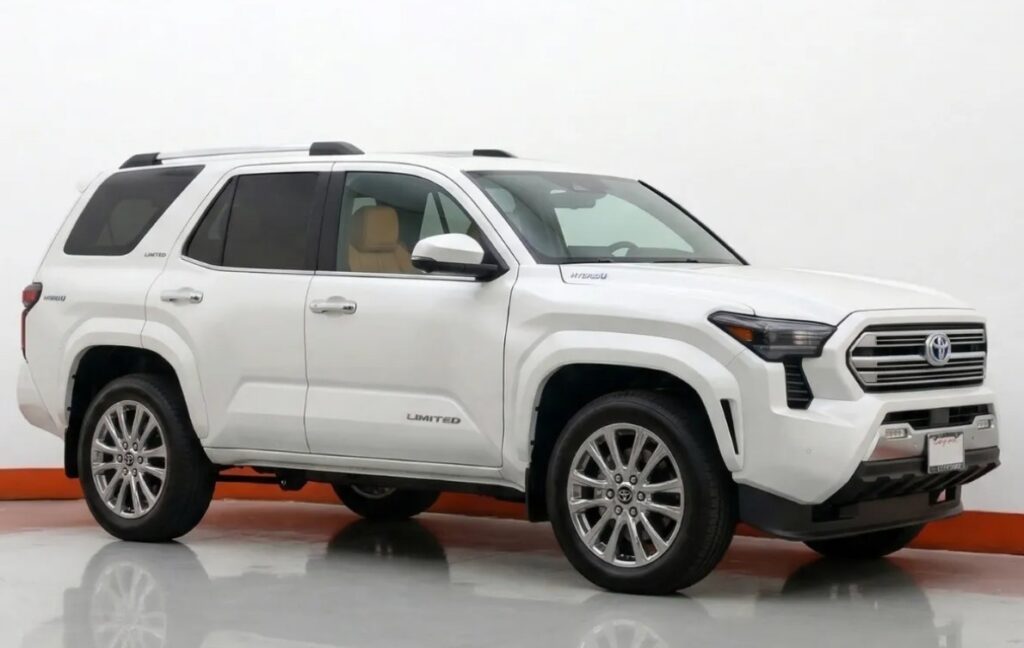
2025 Toyota 4Runner Redesign
The all-new 2025 4Runner represents one of the largest changes in the model’s history.
Major transformations include:
- Completely redesigned platform
- Hybrid powertrain options
- Modernized interior
- Massive technology upgrades
- Improved fuel economy
Toyota finally merged old-school capability with modern efficiency.
Hybrid Power Changes
One of the most significant year-to-year changes is the introduction of hybrid technology.
Benefits include:
- Better fuel economy
- Increased torque
- Improved acceleration
- Reduced emissions
This change signals Toyota’s future direction.
Technology Finally Catches Up
For years, the 4Runner felt mechanically brilliant but technologically ancient.
The new generation changes that with:
- Large digital displays
- Advanced driver assistance
- Premium connectivity
- Over-the-air updates
- Modern infotainment systems
The SUV finally feels current without abandoning its rugged DNA.
Most Important Toyota 4Runner Year to Year Changes
The Biggest Mechanical Changes
Some updates completely altered how the 4Runner drove.
The biggest mechanical milestones:
You may be interested in readingToyota 4Runner vs Land CruiserYou may be interested in reading
Toyota 4Runner Best Years- 1986 independent front suspension
- 1996 complete chassis redesign
- 2003 V8 introduction
- 2010 Crawl Control system
- 2025 hybrid powertrain
Each transformed the SUV in meaningful ways.
The Biggest Technology Changes
Technology improvements arrived slowly but significantly.
Major milestones:
- 2001 stability control
- 2010 Terrain Select
- 2020 Apple CarPlay
- 2025 fully digital cabin
The 4Runner evolved from analog simplicity to digital sophistication.
Best Years for Reliability
Certain model years consistently earn praise for durability.
Top reliability years often include:
- 1999
- 2000
- 2008
- 2014
- 2019
These years tend to combine mature engineering with fewer reported issues.
Toyota 4Runner Years to Avoid
Problematic Early Models
Some years experienced more complaints than others.
Potentially troublesome years:
- 1990
- 2003
- 2004
Common issues involved:
- Transmission concerns
- Rust problems
- Head gasket failures
- Electrical gremlins
That said, even “bad” 4Runner years are often more reliable than competitors.
Why Maintenance Matters More Than Model Year
A poorly maintained “good year” can be worse than a well-maintained “bad year.”
When buying a used 4Runner, prioritize:
- Service records
- Rust inspection
- Suspension condition
- Frame integrity
- Timing belt history
- Fluid maintenance
The 4Runner rewards owners who care for it properly.
How the Toyota 4Runner Changed in Personality
From Barebones Truck to Adventure Lifestyle Icon
The earliest 4Runners felt like farm tools with license plates.
Modern models feel like:
- Off-road explorers
- Family road-trip machines
- Weekend camping companions
- Lifestyle symbols
Yet somehow, the core personality survived every redesign.
The Shift Toward Off-Road Branding
Toyota increasingly embraced the SUV’s off-road image.
The introduction of:
- TRD Pro trims
- Crawl Control
- Skid plates
- Fox shocks
- Terrain systems
…turned the 4Runner into an enthusiast favorite.
Comparing Old and New 4Runner Models
Classic 4Runners
Older models excel in:
- Simplicity
- Mechanical reliability
- Easier repairs
- Lightweight feel
- Analog driving experience
They’re like old mechanical watches — charming because they’re uncomplicated.
Modern 4Runners
Newer models shine in:
- Safety
- Comfort
- Technology
- Daily usability
- Long-distance comfort
They retain ruggedness while becoming easier to live with.
Should You Buy an Older or Newer 4Runner?
Best Choice for Off-Road Enthusiasts
Older generations may suit:
- Hardcore trail users
- DIY mechanics
- Overlanding builders
- Budget adventurers
Especially:
- 1985
- 1999
- 2000
These years have legendary reputations.
Best Choice for Daily Drivers
Newer generations work better for:
- Families
- Commuters
- Tech-focused buyers
- Long-distance travelers
Especially:
- 2020+
- 2025 hybrid models
These offer the best balance of comfort and capability.
Why the Toyota 4Runner Still Matters
In a world filled with crossovers pretending to be SUVs, the 4Runner remains authentic.
It still offers:
- Body-on-frame construction
- Serious off-road capability
- Strong resale value
- Proven durability
- Adventure-ready engineering
That authenticity explains why the 4Runner has survived while countless rivals disappeared.
Final Thoughts on Toyota 4Runner Year to Year Changes
The story of the Toyota 4Runner is really the story of evolution without betrayal. Toyota continuously updated the SUV while preserving its soul.
From removable fiberglass tops in the 1980s to hybrid technology in the 2020s, every generation added new layers without stripping away the rugged identity enthusiasts love.
Some years brought revolutionary redesigns. Others delivered subtle refinements that quietly improved the ownership experience. But through every update, the 4Runner remained recognizable — like an old friend who ages gracefully without losing their personality.
And perhaps that’s the real secret behind the 4Runner’s enduring success.
FAQs
Which Toyota 4Runner generation is the most reliable?
Many enthusiasts consider the third generation (1996–2002) one of the most reliable due to its simple engineering and durable drivetrain.
What year did the Toyota 4Runner get Apple CarPlay?
Apple CarPlay became available in the 2020 Toyota 4Runner.
Which Toyota 4Runner years should buyers avoid?
Some buyers avoid early fourth-generation models like 2003 and 2004 because of reported transmission and electrical concerns.
You may be interested in readingToyota 4Runner vs Land CruiserYou may be interested in reading
Toyota 4Runner Best YearsYou may be interested in reading
Toyota 4Runner or Similar: The Ultimate SUV Guide for Adventure SeekersWhen did the Toyota 4Runner get a hybrid engine?
The redesigned 2025 Toyota 4Runner introduced hybrid powertrain options.
Is the Toyota 4Runner still body-on-frame?
Yes. The Toyota 4Runner continues using body-on-frame construction, which contributes to its strong off-road capability and durability.
If you want to know other articles similar to Toyota 4Runner Year to Year Changes you can visit the category Models.
Honda Passport vs Toyota 4Runner: Which SUV Is Better?
Honda Passport vs Ford Bronco: Which SUV Is Better?
Honda Passport vs Ford Explorer: Which SUV Is Better?
Honda Passport or Pilot: Which SUV Is Better?
Honda Passport vs Jeep Grand Cherokee: Which SUV Is Better?
Honda Passport vs Nissan Pathfinder: Which SUV Is Better?
Leave a Reply
More content of your interest