

Toyota 4Runner Best Years

Content in this publication
- Why the Toyota 4Runner Still Has a Cult Following
- What Makes a Toyota 4Runner a “Best Year”?
- Understanding Toyota 4Runner Generations
- Second Generation (1990–1995)
- Third Generation (1996–2002): The Legendary Era
- Best Third-Generation Toyota 4Runner Years
- Fourth Generation (2003–2009): Bigger and More Powerful
- Best Fourth-Generation Toyota 4Runner Years
- Fifth Generation (2010–Present): The Modern Tank
- Best Fifth-Generation Toyota 4Runner Years
- 2019 Toyota 4Runner
- 2021 Toyota 4Runner
- Toyota 4Runner Years to Avoid
- Best Toyota 4Runner Engine Options
- 4.7L V8 (Fourth Generation)
- 4.0L V6 (Fifth Generation)
- Which Toyota 4Runner Generation Is the Most Reliable?
- Best Toyota 4Runner Year for Off-Roading
- Toyota 4Runner Reliability Compared to Competitors
- What Mileage Is Too High for a Toyota 4Runner?
- What to Check Before Buying a Used Toyota 4Runner
- Why Toyota 4Runner Resale Values Stay So High
- Should We Buy an Older or Newer Toyota 4Runner?
- The Ultimate Toyota 4Runner Best Years List
- Closing Thoughts on Toyota 4Runner Best Years
- FAQs
Why the Toyota 4Runner Still Has a Cult Following
The Toyota 4Runner is the kind of SUV that refuses to fade away. In an era where crossovers dominate highways like coffee shops dominate city corners, the 4Runner stands tall as one of the last true body-on-frame SUVs. It is rugged, unapologetically old-school, and surprisingly loyal to its roots.
That loyalty is exactly why people obsess over the Toyota 4Runner best years. Some model years are legendary for reliability and off-road capability, while others come with quirks that can quietly drain your wallet faster than a leaking fuel tank.
If we are investing thousands into a used SUV, we want the sweet spot: the years with bulletproof reliability, modern enough features, and minimal headaches. So let’s dig deep into the best Toyota 4Runner years, the ones to avoid, and which generation makes the most sense depending on your lifestyle.
What Makes a Toyota 4Runner a “Best Year”?
Not every great SUV year is simply about reliability. The best 4Runner years usually combine several important qualities:
- Proven engine durability
- Fewer owner complaints
- Low maintenance costs
- Strong resale value
- Good safety improvements
- Excellent off-road performance
- Minimal transmission issues
- Durable suspension systems
A truly great 4Runner year feels like a dependable hiking boot. It may not be flashy, but it keeps working long after trendier options fall apart.
Understanding Toyota 4Runner Generations
Before choosing the best year, we should understand how the 4Runner evolved over time.
First Generation (1984–1989)
The original 4Runner was essentially a pickup truck with a removable fiberglass rear shell. It was raw, rugged, and simple.
Highlights
- Excellent durability
- Legendary 22RE engine
- Classic SUV styling
Weaknesses
- Minimal safety features
- Primitive ride quality
- Rust issues
Collectors love these, but they are not ideal daily drivers anymore.
Second Generation (1990–1995)
Toyota transformed the 4Runner into a more refined SUV during this generation.
Why Some Buyers Still Love It
- Better interior comfort
- Improved ride quality
- Strong off-road DNA
Potential Problems
- Head gasket issues on the 3.0L V6
- Rust concerns in snowy climates
- Aging suspension components
If we are talking pure reliability, this generation is not usually considered among the Toyota 4Runner best years.
Third Generation (1996–2002): The Legendary Era
Many enthusiasts consider the third generation the golden age of the 4Runner.
It hit the perfect balance between simplicity, durability, and modern comfort. Think of it like a cast-iron skillet: simple, timeless, and nearly impossible to destroy.
Why the Third Gen Is So Loved
- Extremely reliable 3.4L V6
- Durable automatic transmission
- Excellent off-road capability
- Easier to repair than modern SUVs
- Long lifespan exceeding 300,000 miles
Best Third-Generation Toyota 4Runner Years
1999 Toyota 4Runner
The 1999 model is widely considered one of the greatest 4Runners ever built.
Why It Stands Out
- Multi-mode 4WD availability
- Improved suspension
- Strong 3.4L V6 engine
- Excellent reliability ratings
This year feels like the perfect middle ground between rugged utility and everyday comfort.
2000 Toyota 4Runner
The 2000 model continued the success story.
Strong Points
- Minimal mechanical issues
- Smooth transmission
- Excellent resale value
- Durable frame design
Many owners still drive these daily without major repairs.
2002 Toyota 4Runner
The final year of the third generation benefited from years of refinement.
Benefits
- Most polished version of the generation
- Fewer recalls
- Strong aftermarket support
If we want a classic 4Runner with fewer compromises, 2002 is a fantastic choice.
Fourth Generation (2003–2009): Bigger and More Powerful
Toyota modernized the 4Runner dramatically with the fourth generation.
Suddenly, the SUV offered:
- More interior space
- Better safety
- More powerful engines
- Improved towing
This generation introduced the legendary 4.7L V8, which became one of Toyota’s most respected SUV engines.
Best Fourth-Generation Toyota 4Runner Years
2005 Toyota 4Runner
The 2005 model corrected many early fourth-generation issues.
Why Buyers Love It
- Improved electronics
- Reliable V6 and V8 engines
- Better interior quality
- Strong towing performance
The V8 version especially became a favorite among adventure enthusiasts.
2007 Toyota 4Runner
By 2007, Toyota had refined the formula beautifully.
Major Advantages
- Better safety systems
- Fewer drivetrain complaints
- Reliable timing chain V6
- Comfortable ride quality
This year blends ruggedness with daily usability exceptionally well.
You may be interested in reading Toyota 4Runner or Similar: The Ultimate SUV Guide for Adventure Seekers
2008 Toyota 4Runner
The 2008 model is often overlooked, but it deserves more respect.
Highlights
- Excellent long-term reliability
- Strong resale values
- Quiet cabin
- Durable suspension setup
Many mechanics consider 2008 one of the safest used 4Runner purchases.
Fifth Generation (2010–Present): The Modern Tank
The fifth-generation Toyota 4Runner is basically a mountain goat wearing running shoes.
Toyota doubled down on durability instead of chasing trends. While competitors focused on turbocharged engines and car-like handling, the 4Runner stayed loyal to its truck roots.
That decision created one of the most dependable SUVs of the modern era.
Best Fifth-Generation Toyota 4Runner Years
2017 Toyota 4Runner
The 2017 model became a reliability standout.
Why It’s Excellent
- Proven 4.0L V6 engine
- Strong off-road trims
- Minimal serious complaints
- Durable transmission
It is not the most fuel-efficient SUV, but reliability often matters more than MPG for long-term owners.
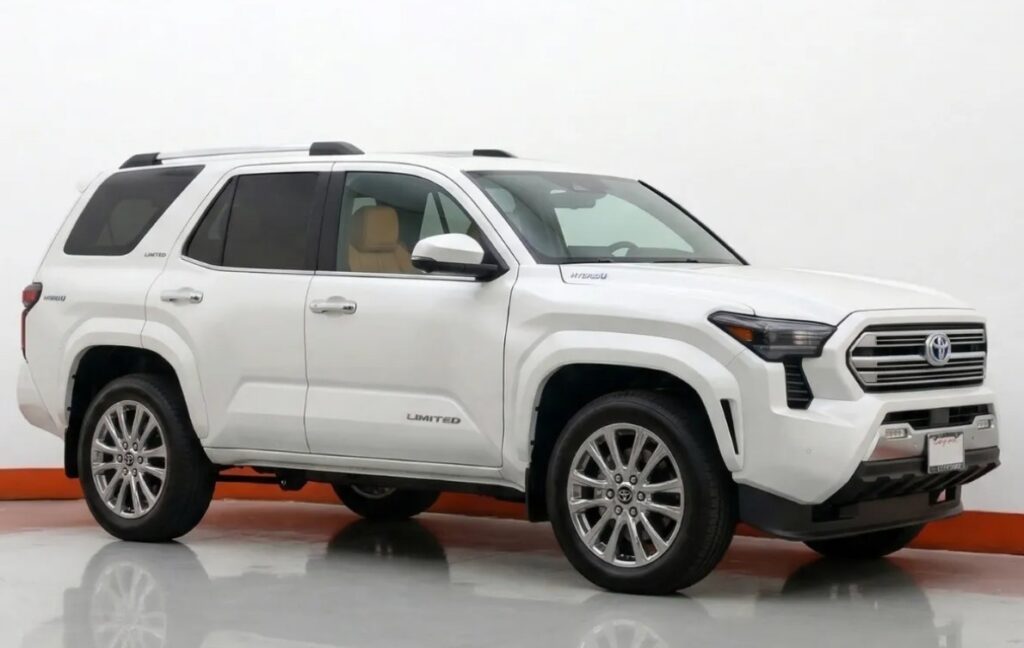
2019 Toyota 4Runner
Many buyers target the 2019 model specifically.
Reasons It Became Popular
- Mature fifth-generation platform
- Excellent reliability ratings
- Improved safety features
- Great TRD trims
The TRD Off-Road trim in particular became incredibly desirable.
2021 Toyota 4Runner
The 2021 version combines old-school durability with modern technology.
Best Features
- Toyota Safety Sense standard
- Apple CarPlay and Android Auto
- Excellent resale value
- Proven drivetrain
This year feels like the ideal blend of tradition and convenience.
Toyota 4Runner Years to Avoid
Even legends have weak chapters.
Some 4Runner years experienced more complaints and expensive issues than others.
2003 Toyota 4Runner
The first year of the fourth generation had some early production issues.
Reported Problems
- Transmission concerns
- Dashboard cracking
- Electrical glitches
2004 Toyota 4Runner
The 2004 model improved slightly but still had reliability concerns.
Potential Issues
- Rust problems
- Suspension wear
- HVAC system failures
2014 Toyota 4Runner
The 2014 redesign year generated mixed reactions.
Common Complaints
- Infotainment frustrations
- Brake system complaints
- Interior material concerns
These years are not disasters, but they are less desirable compared to the strongest 4Runner years.
Best Toyota 4Runner Engine Options
The engine often defines whether a 4Runner becomes legendary or forgettable.
3.4L V6 (Third Generation)
This engine is nearly mythical in Toyota circles.
Why It’s So Loved
- Exceptional durability
- Easy maintenance
- Long lifespan
- Smooth performance
Many exceed 300,000 miles with basic maintenance.
4.7L V8 (Fourth Generation)
The 4.7L V8 feels like a diesel engine disguised as a gasoline motor.
Major Strengths
- Incredible towing capability
- Smooth power delivery
- Outstanding longevity
The only real downside is fuel economy.
4.0L V6 (Fifth Generation)
Toyota used this engine for years because it simply works.
Advantages
- Proven reliability
- Strong off-road torque
- Minimal catastrophic failures
Sometimes boring is beautiful.
Which Toyota 4Runner Generation Is the Most Reliable?
This question sparks debates hotter than summer asphalt.
You may be interested in readingToyota 4Runner or Similar: The Ultimate SUV Guide for Adventure SeekersYou may be interested in reading
Honda Pilot Versus Toyota 4RunnerMost Reliable Overall: Third Generation
If we judge purely by mechanical simplicity and longevity, the 1996–2002 models dominate.
Best Modern Reliability: Fifth Generation
If we want modern safety and technology while keeping reliability high, the fifth generation wins comfortably.
Best Blend of Power and Durability: Fourth Generation
The V8-equipped fourth-generation models offer a magical balance of strength and refinement.
Best Toyota 4Runner Year for Off-Roading
Different buyers want different things.
Best Classic Off-Roader
- 1999 Toyota 4Runner
Best Modern Off-Roader
- 2021 Toyota 4Runner TRD Pro
Best Budget Off-Roader
- 2007 Toyota 4Runner
The 4Runner’s off-road capability feels like having hiking boots permanently attached to your vehicle.
Toyota 4Runner Reliability Compared to Competitors
The 4Runner consistently outperforms many rivals in long-term durability.
Compared to the Jeep Grand Cherokee
- Better reliability
- Lower maintenance costs
- Stronger resale value
Compared to the Ford Explorer
- More durable drivetrain
- Better off-road capability
- Longer lifespan
Compared to the Chevrolet Tahoe
- Smaller but often more reliable
- Better trail performance
- Easier maintenance
The 4Runner may not always be the newest or most luxurious SUV, but it survives like a stubborn oak tree during a storm.
What Mileage Is Too High for a Toyota 4Runner?
Normally, 200,000 miles scares buyers away.
Not with a 4Runner.
Mileage Expectations
- 150,000 miles: Usually still healthy
- 200,000 miles: Common and manageable
- 300,000+ miles: Possible with proper care
Condition matters more than mileage.
A well-maintained 250,000-mile 4Runner can easily outlast a neglected 100,000-mile SUV from another brand.
What to Check Before Buying a Used Toyota 4Runner
Even the best years require inspection.
Key Areas to Examine
- Frame rust
- Suspension wear
- Timing belt history
- Transmission shifts
- Oil leaks
- Differential maintenance
- Service records
Red Flags
- Severe rust underneath
- Poor maintenance history
- Lift kits installed poorly
- Off-road abuse signs
Buying a used 4Runner without checking the frame is like buying hiking boots without looking at the soles.
Why Toyota 4Runner Resale Values Stay So High
The used 4Runner market behaves almost irrationally.
Some older models cost more than newer SUVs from other brands.
Reasons for Strong Resale
- Legendary reliability
- Strong enthusiast community
- Excellent off-road reputation
- Limited direct competitors
Toyota built trust over decades, and that trust prints money in the used market.
Should We Buy an Older or Newer Toyota 4Runner?
The answer depends on priorities.
Choose an Older 4Runner If We Want
- Simpler mechanics
- Lower purchase cost
- Classic SUV feel
- DIY maintenance ease
Choose a Newer 4Runner If We Want
- Modern safety
- Better infotainment
- Improved comfort
- Updated off-road technology
Neither choice is wrong. It simply depends on whether we value nostalgia or convenience more.
The Ultimate Toyota 4Runner Best Years List
If we narrow everything down, these are the strongest choices overall:
| Model Year | Why It’s Great |
|---|---|
| 1999 | Legendary reliability and off-road capability |
| 2000 | Durable and dependable daily driver |
| 2002 | Most refined third-generation model |
| 2005 | Improved fourth-generation reliability |
| 2007 | Excellent balance of comfort and toughness |
| 2008 | Outstanding long-term dependability |
| 2017 | Reliable modern platform |
| 2019 | Mature fifth-generation refinement |
| 2021 | Modern tech with proven durability |
Closing Thoughts on Toyota 4Runner Best Years
The Toyota 4Runner has earned its legendary reputation one reliable mile at a time. While trends come and go, the 4Runner remains stubbornly authentic. It is not trying to imitate a luxury crossover or become a futuristic experiment. Instead, it focuses on durability, capability, and trust.
If we want the absolute best Toyota 4Runner years, the late third generation stands at the top of the mountain for old-school reliability. Meanwhile, the later fifth-generation models deliver the best balance of modern technology and long-term dependability.
At the end of the day, a great 4Runner is not just transportation. It is a companion for road trips, trails, storms, camping weekends, and years of memories. Few SUVs age like the 4Runner. Even fewer become legends.
FAQs
What is the most reliable Toyota 4Runner year?
The 1999 Toyota 4Runner is widely considered the most reliable due to its durable 3.4L V6 engine and minimal major issues.
Which Toyota 4Runner years should we avoid?
The 2003, 2004, and some early 2014 models tend to have more complaints related to transmission, electronics, or interior quality.
Is a Toyota 4Runner good after 200,000 miles?
Yes. Many well-maintained 4Runners exceed 300,000 miles with proper servicing and regular maintenance.
You may be interested in readingToyota 4Runner or Similar: The Ultimate SUV Guide for Adventure SeekersYou may be interested in reading
Honda Pilot Versus Toyota 4RunnerYou may be interested in reading
Toyota 4Runner vs Subaru Outback: Which Adventure SUV Truly Fits Your Lifestyle?What is the best Toyota 4Runner generation?
The third generation (1996–2002) is often considered the best for reliability and simplicity, while the fifth generation is best for modern features.
Does the Toyota 4Runner hold its value?
Absolutely. The 4Runner consistently maintains strong resale values because of its reliability, durability, and off-road reputation.
If you want to know other articles similar to Toyota 4Runner Best Years you can visit the category Models.
Nissan Rogue Dark Armor vs Platinum: Which Trim Is Better?

Kia Sorento Models: Complete Guide to Trims, Engines and Versions
BYD Shark 6 vs Ranger vs HiLux: Which Ute Makes the Most Sense in 2026?
BYD Shark 6 vs MG U9: Which Ute Makes More Sense in 2026?
BYD Shark 6 vs Ford Ranger Raptor: Which Performance Ute Is Better in 2026?
BYD Shark 6 vs Kia Tasman: Which Ute Is Better?
Leave a Reply
More content of your interest